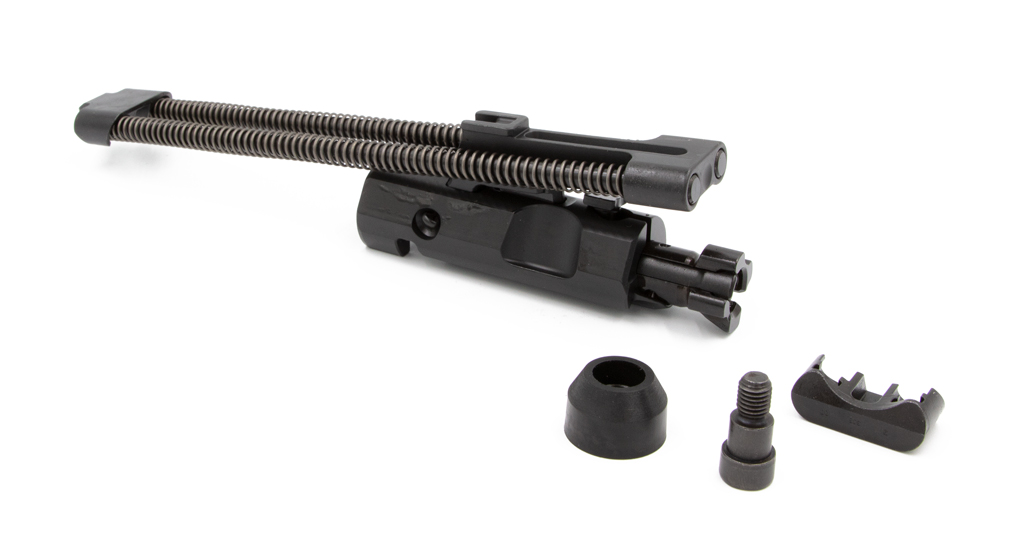
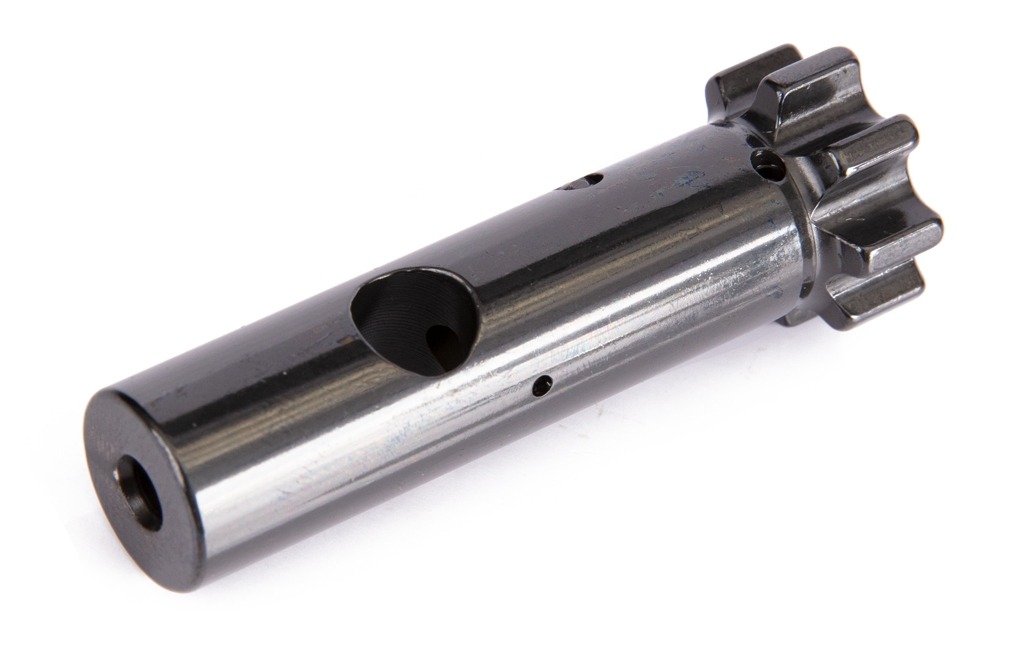
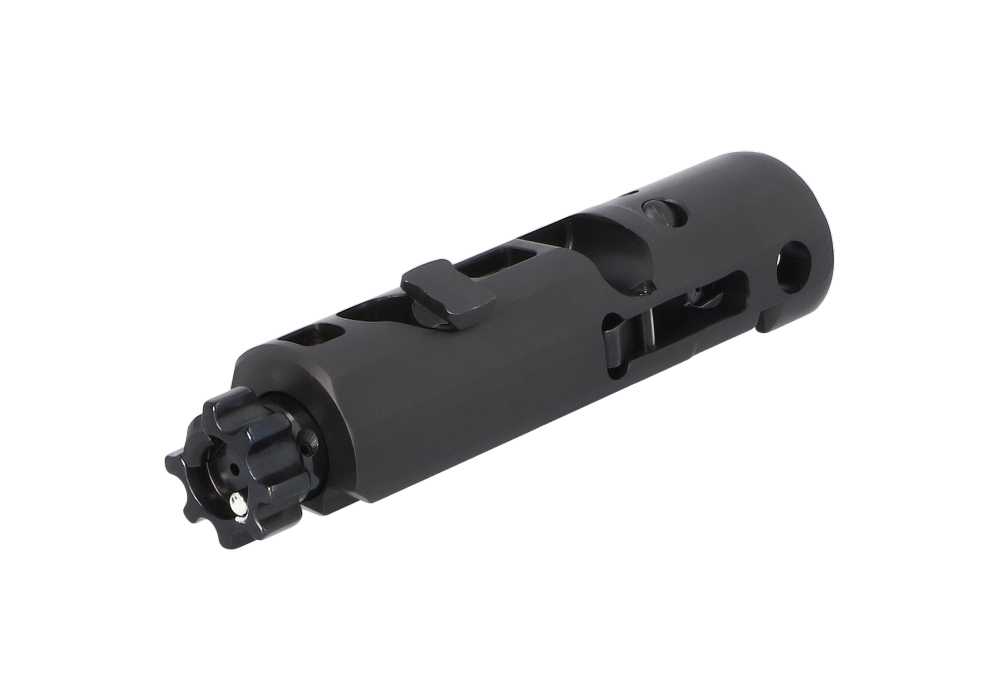
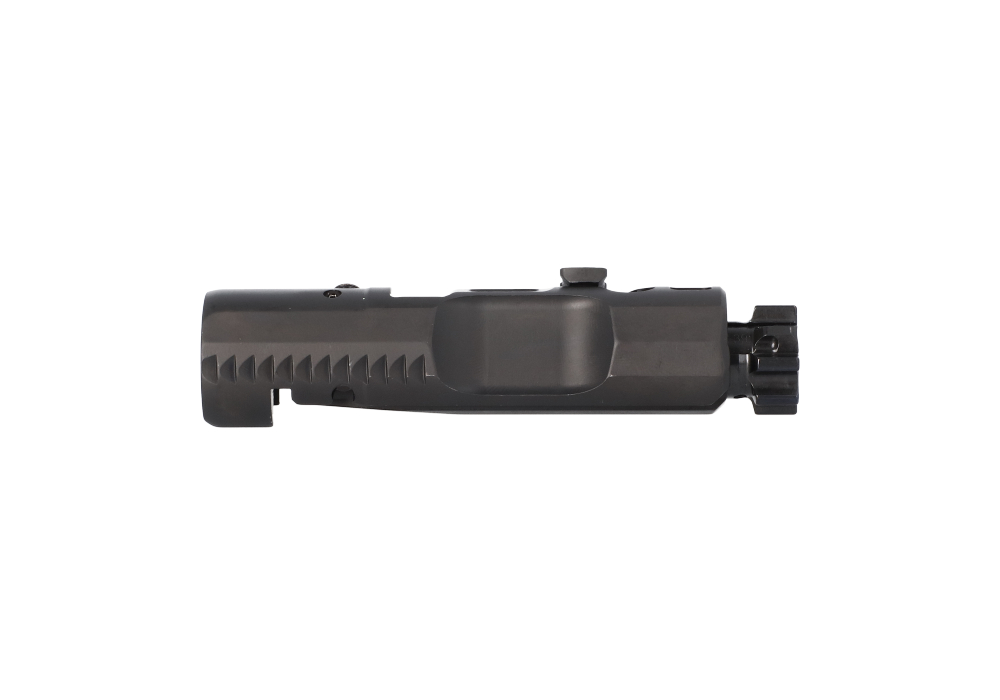
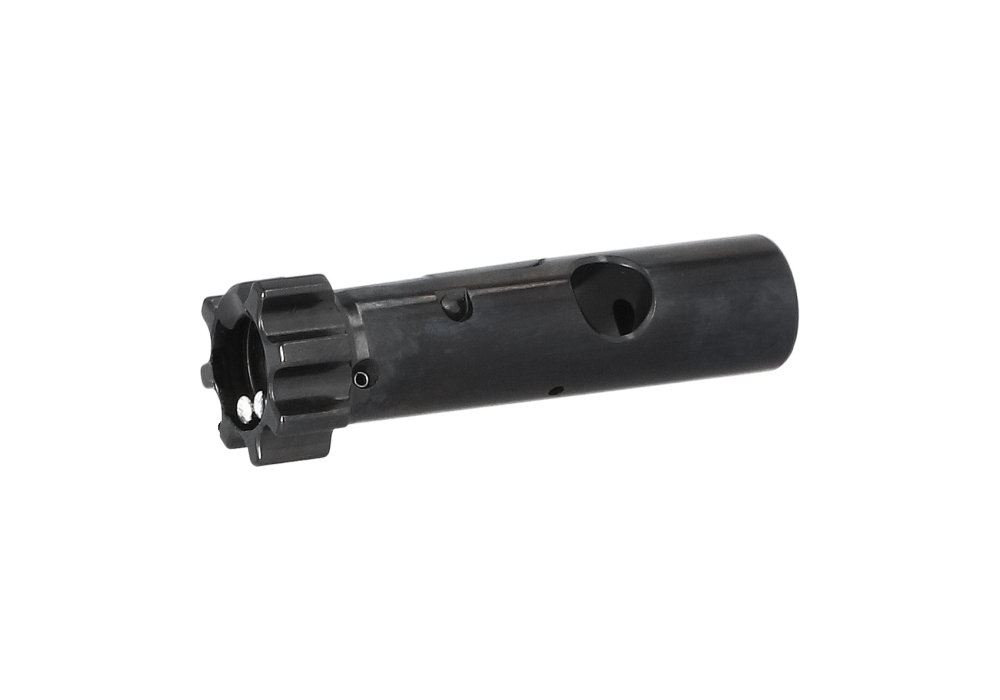
A bolt carrier group is the working heart of a modern semi-automatic rifle, coordinating the cycle that chambers a cartridge, locks the bolt, allows the firing pin to strike, extracts the spent case, and ejects it before the next round is loaded. For range shooting, the right BCG helps create a consistent rhythm from shot to shot, whether you are settling into a slow-fire position, practicing controlled pairs, or spending a cooler afternoon working through drills at the bench. A complete assembly generally includes the carrier, bolt, gas key, firing pin, cam pin, and retaining pin, with each part contributing to dependable operation. Compatibility should be the first consideration when comparing products. Match the BCG to the rifle’s chambering and operating system, and confirm that the configuration is appropriate for the upper receiver, barrel, gas system, and ammunition you intend to use. A BCG designed for one cartridge family is not automatically suitable for another, even when the parts appear similar. It is also worth checking whether the assembly is complete, whether the gas key is properly secured and staked, and whether the bolt has been inspected using recognized quality-control methods. These details can be easy to overlook when browsing a product list, yet they matter during a long range session when a smooth, predictable cycle is more valuable than a flashy appearance.
Material, inspection, profile, and finish all influence how a bolt carrier group behaves over time. Common bolt materials include Carpenter 158 and 9310 steel, and a bolt that has undergone magnetic particle inspection offers added assurance that it has been checked for certain surface and near-surface flaws. A properly treated and finished bolt should resist wear at the locking lugs, where repeated engagement with the barrel extension places significant stress on the component. M16-style or full-profile carriers add reciprocating mass and are widely used in civilian semi-automatic rifles where lawful; they can provide a steady cycling impulse when paired with an appropriately tuned rifle. Semi-auto-cut carriers may be lighter, but the correct choice depends on the rifle’s design and the shooter’s priorities rather than profile alone. Traditional phosphate finishes remain popular because they hold lubricant well and have a familiar, proven feel, while chrome-lined interiors can simplify inspection and cleaning. Nitride and DLC-style finishes are often selected by range shooters who prefer a smoother-feeling surface and faster cleanup after extended practice. No coating eliminates the need for lubrication or routine inspection. Carbon will still collect around the tail of the bolt and inside the carrier, and the gas key, firing pin, cam pin, and retaining pin should be checked for secure fit, unusual wear, or damage. Keeping a small amount of appropriate lubricant on contact surfaces helps prevent dry operation, especially during longer sessions or in dusty outdoor conditions. A clean, correctly lubricated BCG should move freely in the upper receiver without binding, while the rifle itself should always be unloaded and handled according to the manufacturer’s instructions before installation, inspection, or maintenance.
These products are a practical choice for shooters assembling a custom rifle, refreshing a worn operating assembly, or keeping a compatible spare ready for range use. Someone who practices regularly may appreciate having a second BCG available so a maintenance issue does not end a carefully planned session, while a new rifle builder can use the product specifications to coordinate the carrier group with the intended caliber, barrel length, gas system, and shooting style. Suppressed shooting deserves particular attention because adding a suppressor can increase back pressure and change the rifle’s cycling behavior; a carrier group should be selected as part of the complete operating system rather than in isolation. Unsuppressed rifles may have different needs, and ammunition loaded to different pressures can also affect felt recoil and ejection patterns. Finish preference often comes down to the balance between easy cleaning, lubricant retention, appearance, and budget. Before ordering, confirm receiver compatibility, bolt face dimensions, firing pin fit, carrier profile, and any manufacturer requirements for the upper assembly. The same careful approach makes a BCG a thoughtful gift for an experienced range shooter, especially when the recipient’s rifle platform and chambering are known. For builders who are still choosing components across an entire rifle, a related selection of Bolt Carrier Group for Custom Builds can help keep the purchase focused on configuration and fit. Whether used for relaxed practice during the cooler months or regular skills work throughout the year, a well-matched bolt carrier group supports the dependable cycling, manageable maintenance, and repeatable performance that make range time more productive. Always follow applicable laws, safe firearm-handling practices, and the rifle manufacturer’s specifications when selecting, installing, and maintaining these components.