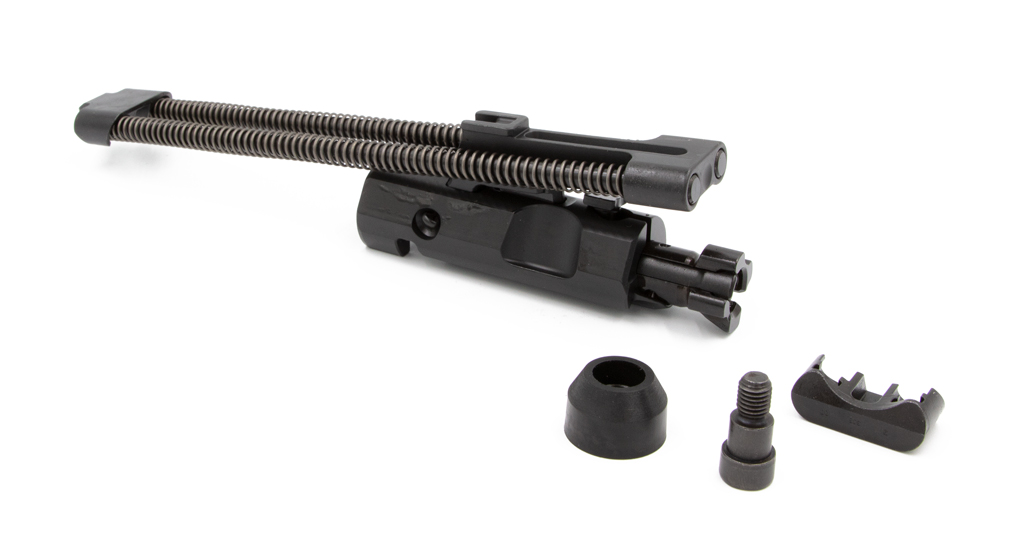
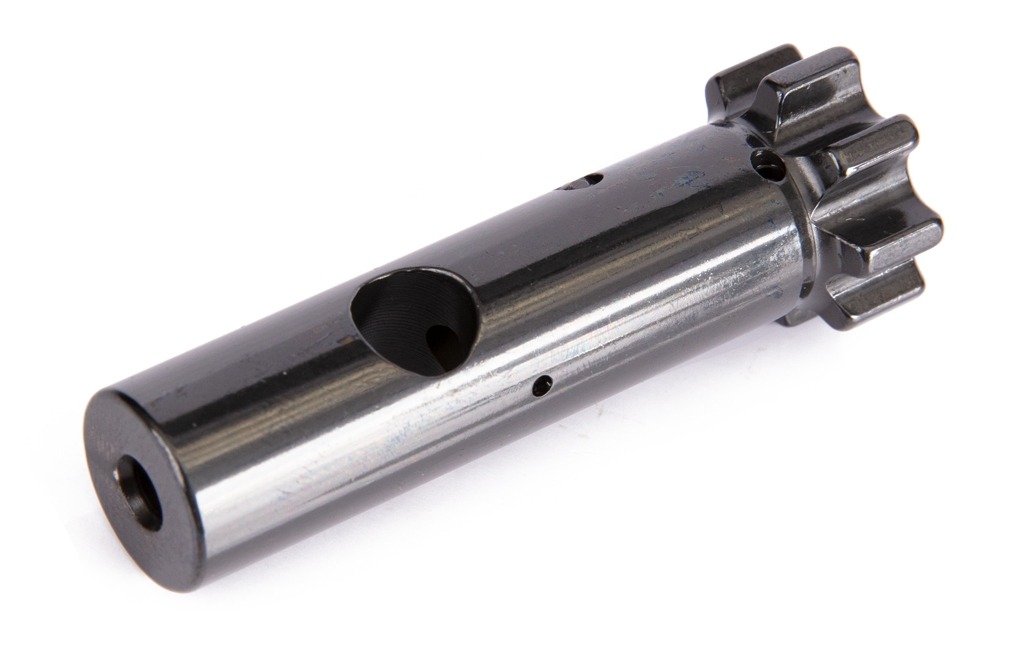
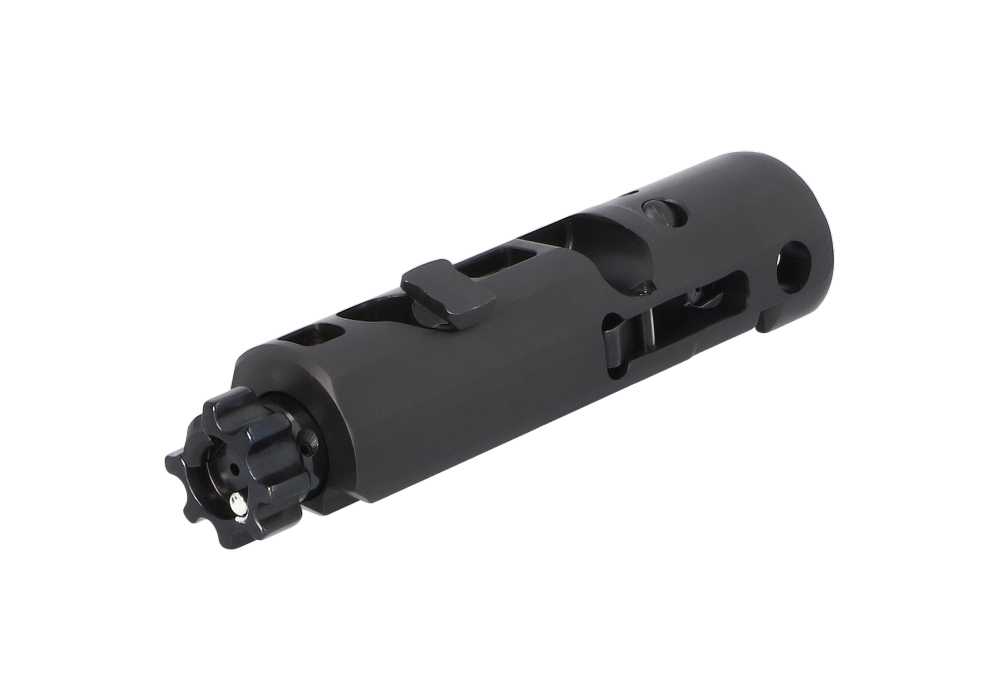
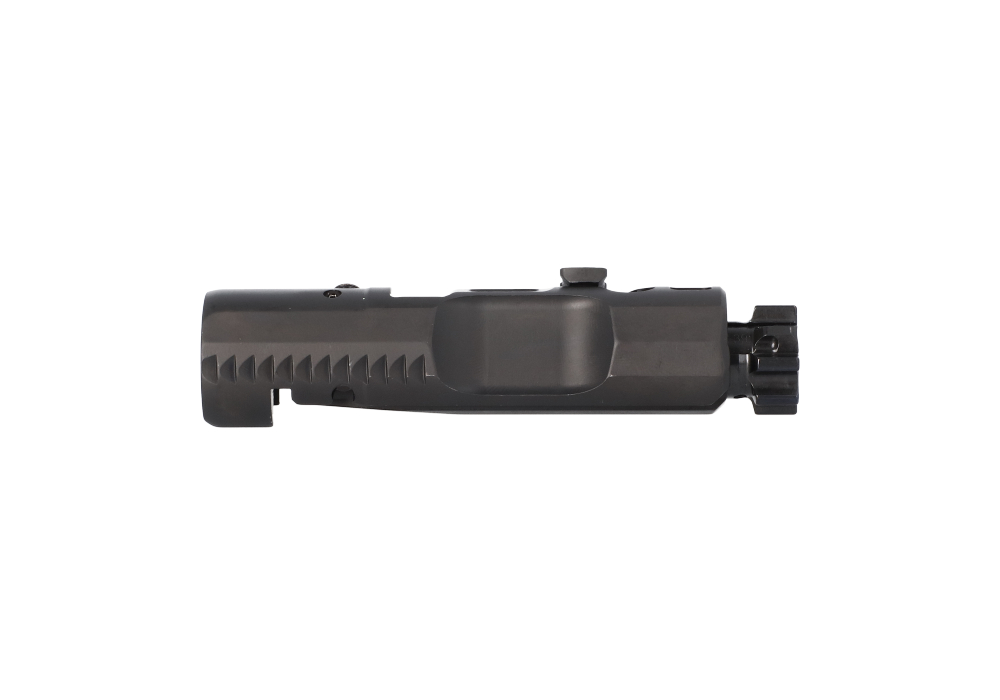
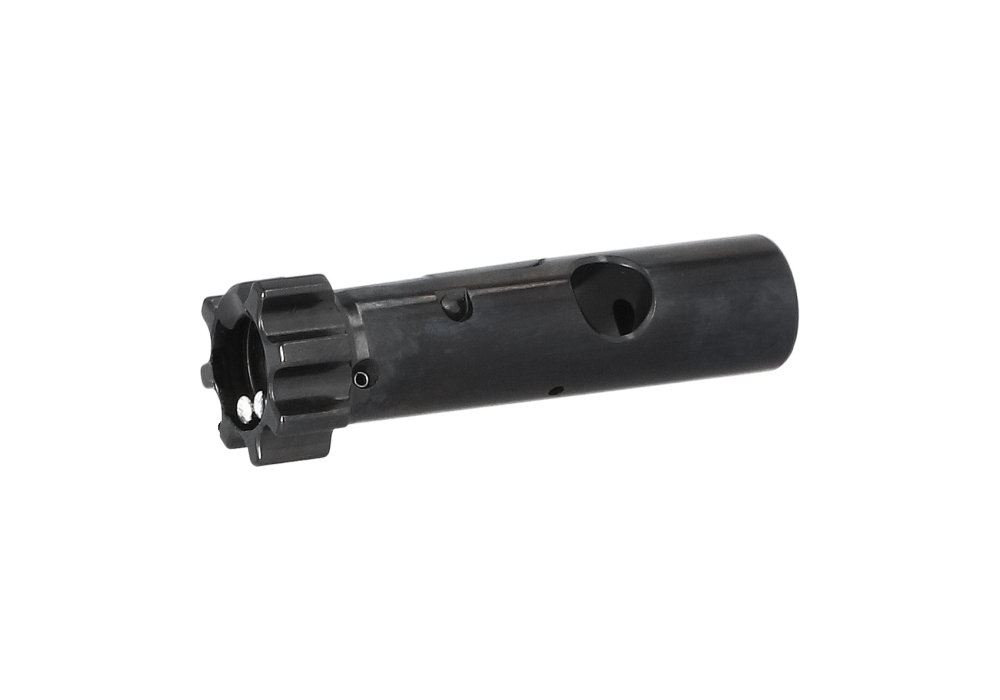
A bolt carrier group for custom builds is a central operating assembly, not simply another visible accessory. In compatible rifle designs, it houses the bolt and associated components that support chambering, locking, extraction, and cycling. That role makes documented fit and consistent construction more important than appearance alone. A distinctive finish can complement a rifle’s overall look, but the assembly still needs to match the platform, operating system, and cartridge specifications established by the firearm manufacturer. Similar-looking carriers are not necessarily interchangeable, and a familiar platform designation does not establish compatibility with every rifle bearing that designation. Differences between gas-operated systems, receiver patterns, and bolt configurations deserve attention before a component becomes part of a custom build. For shoppers comparing bolt carrier groups, the strongest starting point is a clear description of the intended platform and the components included. A complete assembly and a carrier offered separately represent different purchases, even when their photographs look similar at a glance. Product descriptions should distinguish the carrier, bolt, firing pin, cam pin, and retaining components rather than leave their inclusion to assumption. The relationship between the bolt and barrel assembly also matters; a qualified gunsmith can verify compatibility and headspace before use. This is especially relevant when a rifle combines components from different manufacturers or has an uncertain service history. Owners building around an existing receiver, replacing a worn assembly, or selecting components for a dedicated range rifle all benefit from treating the bolt carrier group as part of a complete mechanical system. Intended use helps frame those decisions without replacing technical specifications. A rifle used for occasional recreational shooting may see a different maintenance schedule from one used regularly in organized competition, but both require suitable components, appropriate care, and adherence to the firearm manufacturer’s requirements. The most useful comparison is therefore not which assembly looks the most specialized, but which one has the clearest compatibility information and construction details for the rifle in question.
Materials, heat treatment, surface finish, and inspection practices provide useful context when comparing bolt carrier groups for custom rifle builds. Common material descriptions include 8620 steel for carriers and 9310 steel for bolts, although other specified alloy steels are also used. The alloy designation is only part of the story: manufacturing consistency, heat treatment, dimensional accuracy, and quality control all contribute to how a component holds up through repeated use. A recognizable steel specification should not be treated as proof of the entire assembly’s quality. Inspection terminology can help clarify the supporting information. Magnetic particle inspection, often abbreviated MPI, is a method for identifying certain surface and near-surface flaws in suitable materials. High-pressure testing, commonly abbreviated HPT, refers to a separate testing process. Neither term describes a coating, and the two should not be treated as interchangeable. Documentation that identifies which components receive a particular test is more informative than an unexplained marking or a broad quality claim. On designs that use a gas key, secure attachment and appropriate staking are relevant construction details, but their assessment belongs with the manufacturer’s specifications or a qualified professional. Surface treatments deserve the same measured comparison. Phosphate finishes commonly have a matte, textured appearance and are typically maintained with appropriate lubrication. Nitride treatments and nickel boron coatings offer different surface characteristics, appearances, and care considerations. Their benefits depend on the underlying component, the quality of the treatment, and the conditions of use; no finish eliminates the need for inspection, cleaning, or lubrication. A smoother-looking surface does not establish superior fit, and a polished exterior says little about dimensions that cannot be judged from a product photo. Durable construction is best understood through a combination of documented materials, consistent workmanship, suitable surface treatment, and clear maintenance requirements. For an owner who spends long sessions at the range, those details have a more practical connection to routine ownership than decorative styling or vague descriptions of premium quality.
Care and long-term serviceability are equally important considerations for a bolt carrier group selected for a custom build. Carbon residue, lubricant, and ordinary wear can change the appearance of an assembly over time, so a finish should be evaluated for its maintenance requirements rather than an expectation that it will remain pristine. Cleaning products and lubricants should be compatible with both the component’s surface treatment and the firearm manufacturer’s recommendations. Aggressive abrasives or unsuitable chemicals can damage protective surfaces, while neglected maintenance can make it harder to recognize developing wear. Routine care should follow the applicable manual, with uncertain wear patterns, damaged components, or operating problems assessed by a qualified gunsmith. A clearly documented service process is valuable for owners who want to keep records of inspections and component replacements. It also makes future decisions less dependent on memory, particularly when a custom rifle contains parts acquired at different times. For frequent recreational shooters, organized competition participants, and owners maintaining an established rifle, practical considerations include readable specifications, clear component identification, and access to appropriate maintenance information. A bolt carrier group can also be a thoughtful gift for an experienced rifle owner, but only when the recipient’s exact platform and component requirements are known; visual similarity is not enough to establish a suitable match. Shoppers considering Bolt Carrier Group for Tactical Rifles can apply the same emphasis on documented compatibility, construction, and care. Across these applications, a sound purchase decision rests on understanding what the assembly includes, which rifle configurations it supports, how its materials and finish should be maintained, and where professional verification is appropriate. That approach keeps the focus on dependable ownership rather than appearance alone, whether the goal is replacing an existing assembly or completing a carefully planned custom rifle. Clear specifications and realistic maintenance expectations give the owner a useful foundation for evaluating the component throughout its service life.