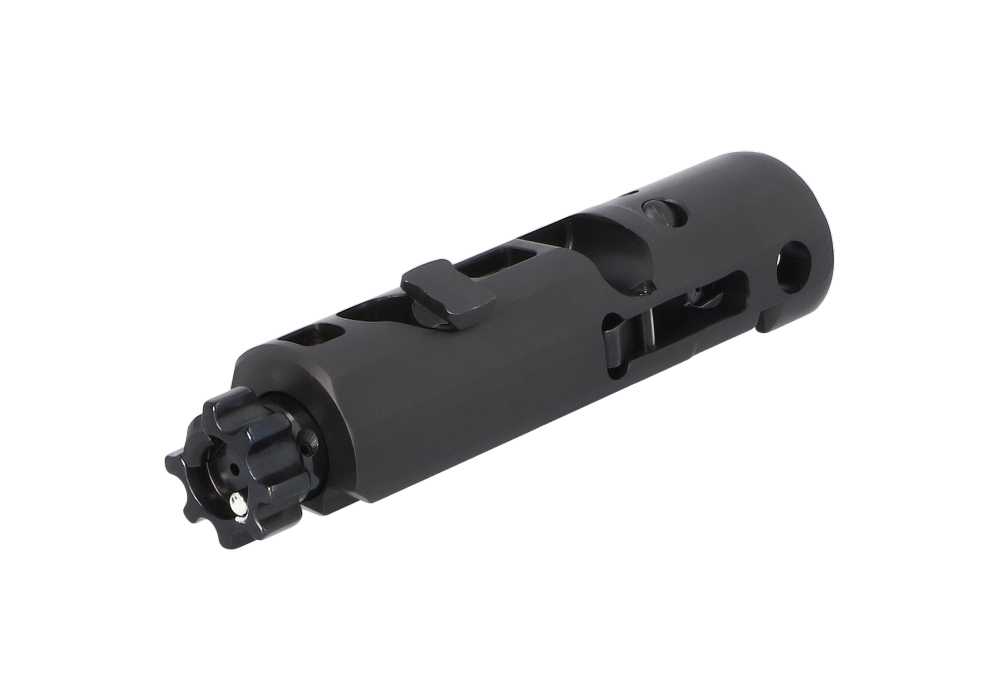
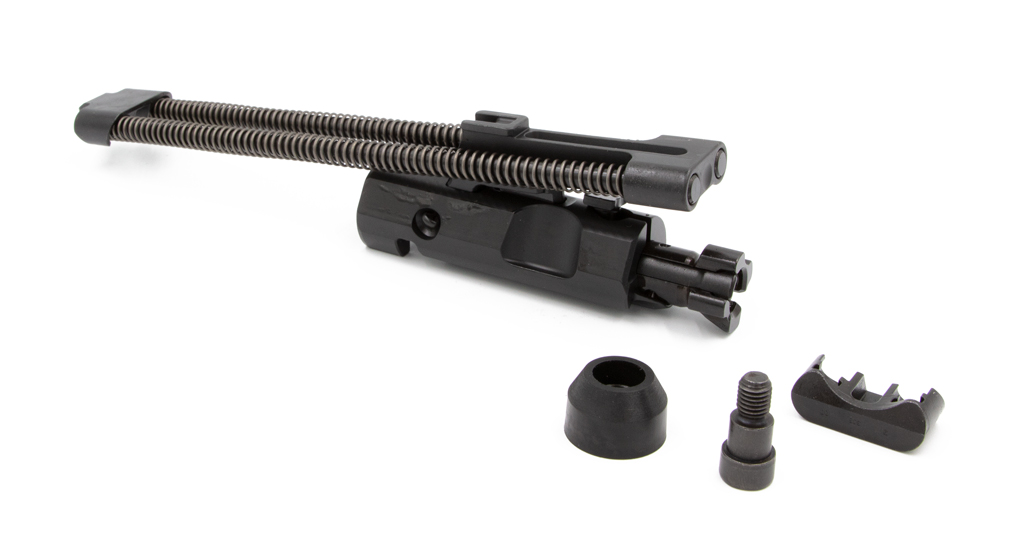
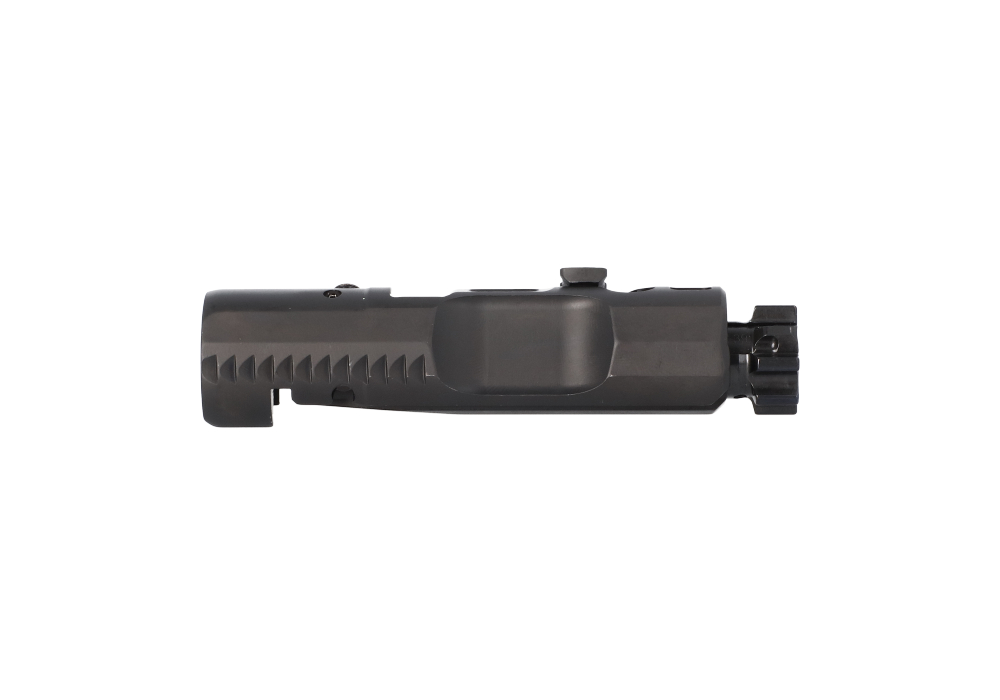
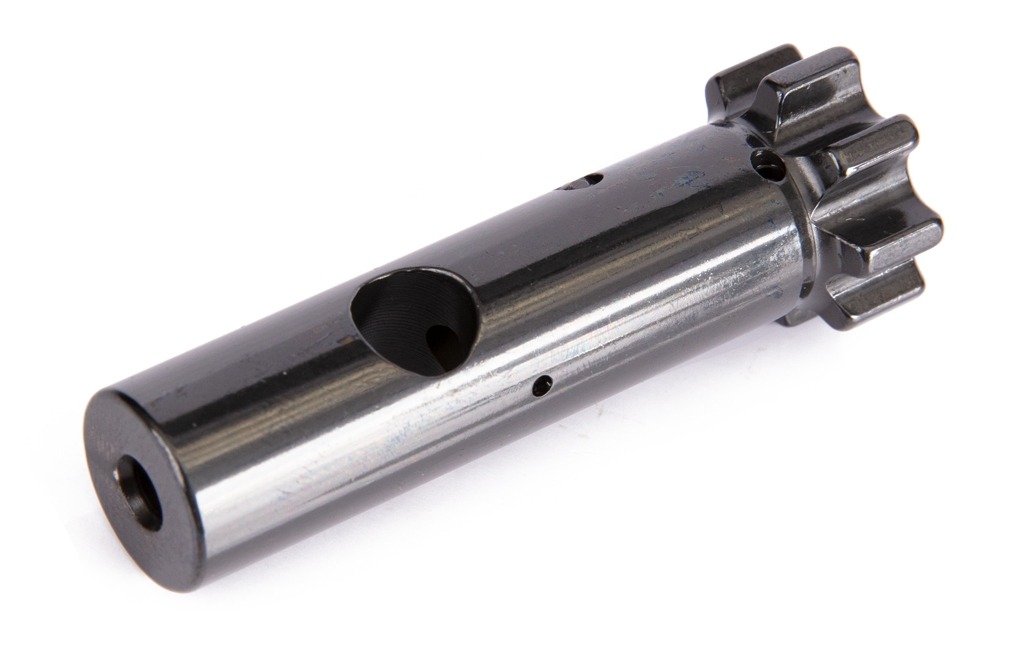
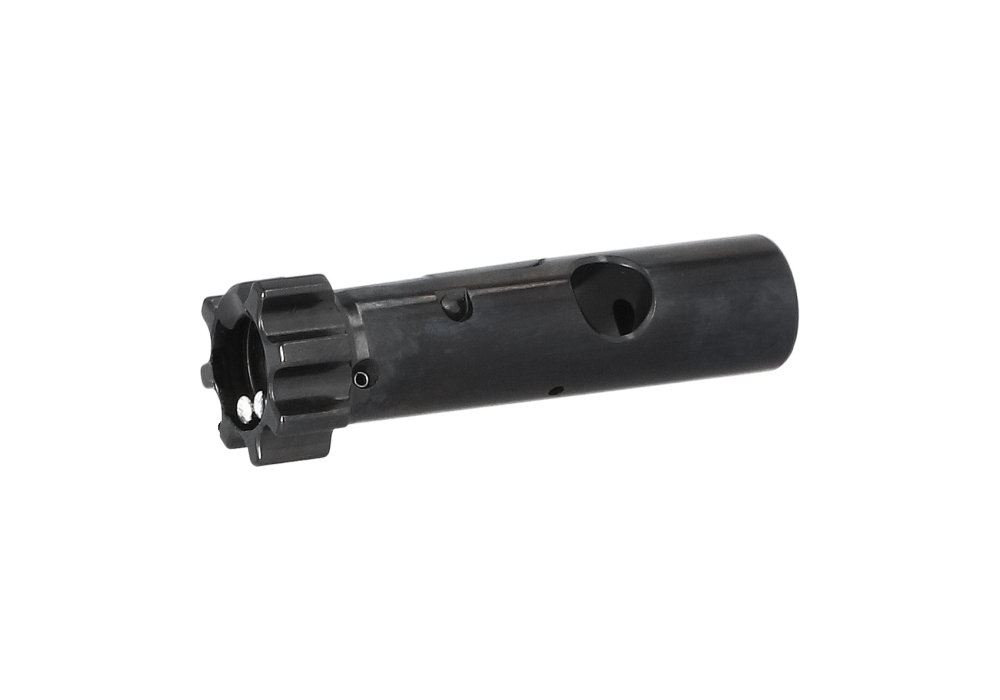
A bolt carrier group (BCG) is the moving assembly within many tactical rifles that supports chambering a cartridge, locking the action, and extracting and ejecting a spent case. Depending on the rifle’s design, the assembly also contains the firing pin and other components involved in the firing cycle. Its role connects several parts of the operating system, making correct fit and sound construction important to dependable function. Although bolt carrier groups can look similar at a glance, they are not universally interchangeable. Differences in rifle platform, chambering, operating system, and design generation can determine whether an assembly is appropriate for a particular firearm. That distinction matters whether the rifle accompanies its owner to regular range sessions, serves in a professional role, or remains part of a carefully maintained personal collection. A compatible replacement should reflect the firearm manufacturer’s specifications rather than assumptions based on appearance or a broad platform description. The term tactical describes the rifle’s intended application, not a separate compatibility standard for its internal parts. Within that category, operating systems and component dimensions can vary substantially. Some assemblies follow familiar layouts with a bolt, carrier, firing pin, cam pin, and retaining components; others use configurations specific to their platform. Understanding whether a listing describes a complete assembly or an individual component helps prevent confusion before any maintenance work begins. A complete group and a replacement carrier are not necessarily equivalent purchases, even when their photographs appear similar on a small screen. For owners keeping records across several rifles, the exact model designation and manufacturer documentation are more useful references than a visual match. Clear identification also supports better conversations with a qualified gunsmith when a worn or damaged assembly needs evaluation. The central consideration is straightforward: a bolt carrier group belongs within a defined mechanical system, and its suitability depends on that system rather than its name alone.
Materials and surface treatments help explain how a bolt carrier group handles repeated movement, friction, and contact with adjacent parts. High-strength steels are common, but the bolt and carrier may use different alloys because they perform different jobs. The bolt must withstand the stresses associated with locking and firing, while the carrier guides movement and interacts with the rifle’s operating system. Material names are therefore most meaningful alongside the manufacturer’s engineering specifications, processing standards, and inspection information. Surface treatments such as phosphate, nitride, or certain plated finishes can affect corrosion resistance, surface characteristics, and cleaning requirements, but a finish does not establish compatibility or guarantee a particular service life. A dark, uniform appearance or a polished surface reveals little about dimensional accuracy beneath it. Precise machining, appropriate material treatment, and consistent quality control are less visible considerations with greater relevance to long-term service. Where testing or inspection methods are documented, that information offers context beyond broad claims of toughness. Even then, no single test replaces the need for a correctly matched assembly and routine care. Durability also depends on the rifle as a whole, its maintenance history, and how frequently it is used. An owner attending recurring training sessions may have different inspection needs from someone who visits the range occasionally, but both benefit from keeping reliable service records. Friction marks and fouling can accumulate in normal use; cracks, deformation, or unexplained damage warrant professional assessment rather than cosmetic cleanup. A surface coating cannot compensate for a mechanically unsuitable component. For a rifle expected to remain in service over many years, access to clear maintenance documentation and qualified support can matter as much as the initial material description. Evaluating these details together creates a more grounded picture of durability than treating any alloy, coating, or visual feature as a shortcut to quality.
Care for a bolt carrier group should follow the firearm manufacturer’s maintenance instructions, including its recommendations for cleaning products, lubrication, inspection, and service intervals. Different finishes and operating systems can have different requirements, so a routine borrowed from another rifle may not be appropriate. The goal is to preserve the assembly’s condition without using incompatible chemicals, aggressive abrasives, or improvised treatments that could harm working surfaces. Routine cleaning also provides an opportunity for an owner or qualified professional to notice changes that deserve closer attention. A sudden change in function should not be treated as proof that the bolt carrier group alone needs replacement; several parts of a rifle can contribute to similar symptoms. Professional diagnosis helps separate a maintenance issue from wear, damage, or an incompatible component. Replacement work involving critical fit or locking relationships belongs with a qualified gunsmith, particularly when the rifle’s history or component identification is uncertain. For shoppers comparing this category with broader performance considerations, Bolt Carrier Group for Rifle Performance provides a related point of reference. The most useful purchasing information remains specific and verifiable: the intended rifle platform, supported chambering, assembly contents, material description, finish, and applicable manufacturer guidance. These details are especially valuable when purchasing for another rifle owner. A gift intended for a regular range visitor or an enthusiast maintaining a personal collection requires exact compatibility information; familiarity with the recipient’s general interests is not enough. Likewise, an owner maintaining multiple rifles should avoid assuming that similar-looking assemblies share the same specifications. Keeping documentation with the firearm’s service records can simplify later inspections and replacement decisions. A well-considered bolt carrier group purchase is ultimately about maintaining the rifle’s intended function with an appropriate component, supported by sound care and clear records. That approach keeps attention on fit, condition, and documented suitability—the practical details that matter long after an assembly’s finish or first impression has faded into the background.