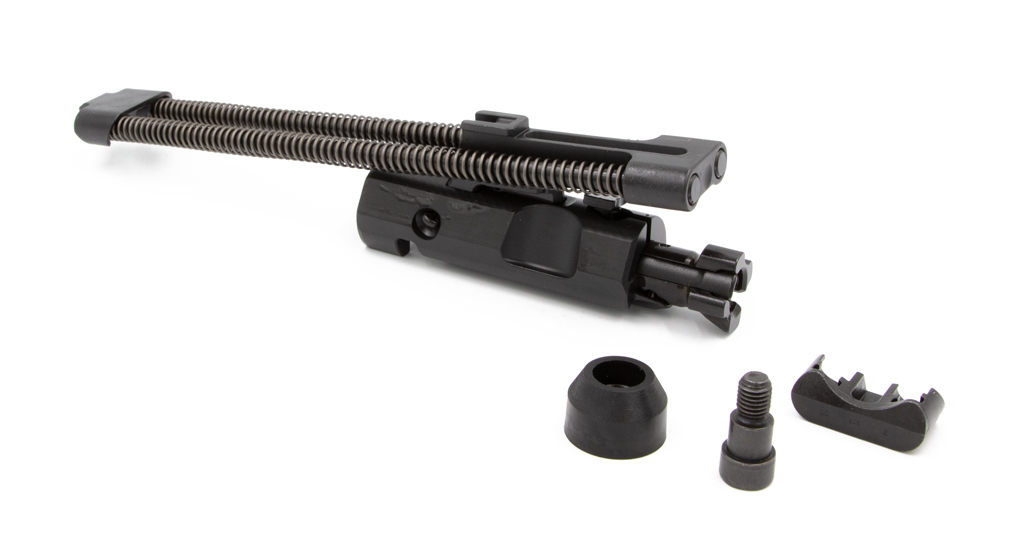
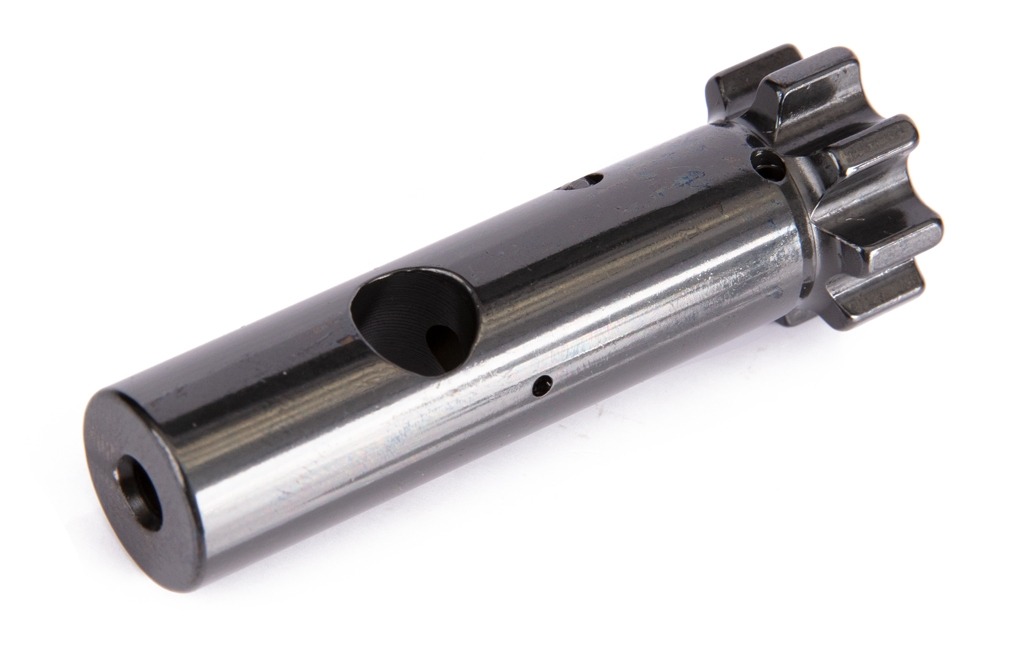
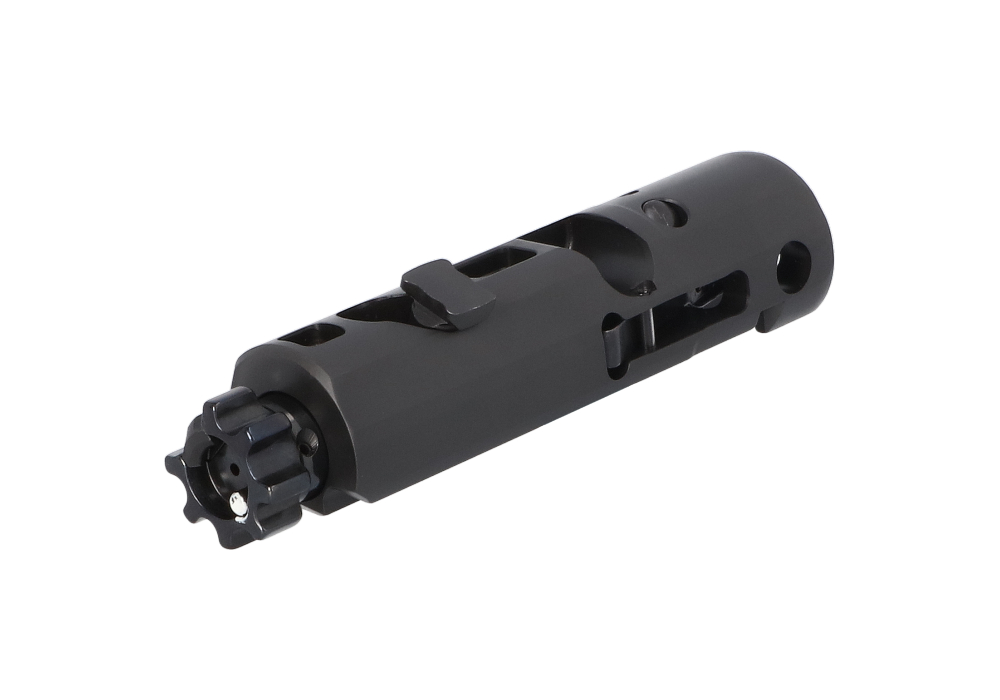
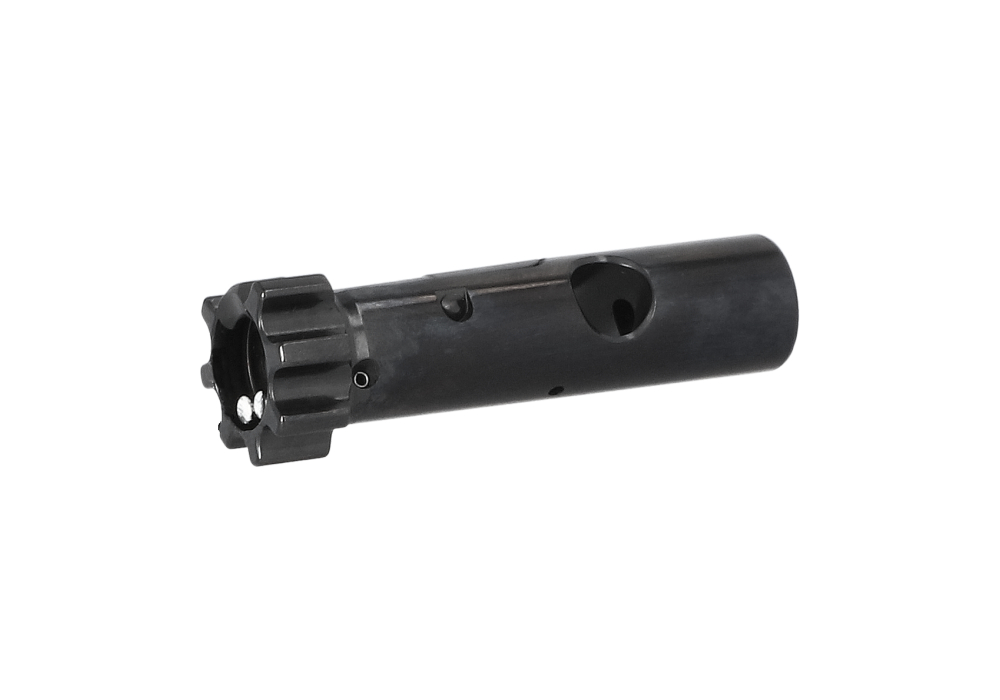
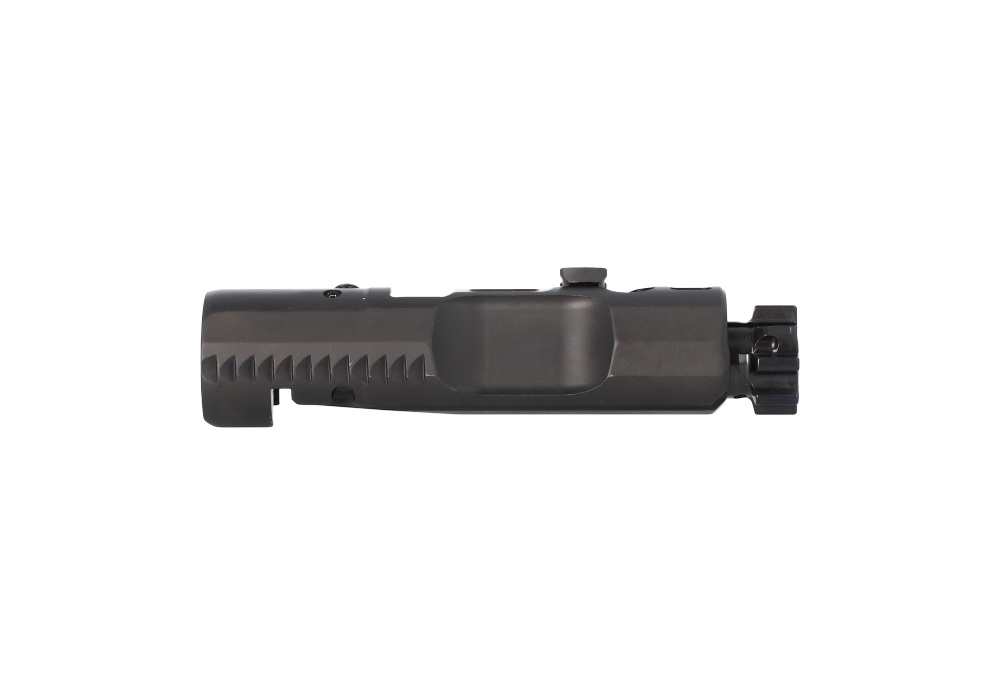
A bolt carrier group is the working center of an AR-pattern rifle, coordinating the movement that takes place after each shot. As the rifle fires, expanding gas drives the carrier rearward, the bolt unlocks from the barrel extension, the extractor removes the spent casing, and the assembly returns forward to chamber the next round. That sequence happens in a fraction of a second, but every part must move in the correct order for dependable rifle performance. A complete BCG generally includes the carrier, bolt, gas key, firing pin, cam pin, and retaining pin, with each component contributing to reliable firing, extraction, and chambering. For this reason, a bolt carrier group should be selected as a matched assembly rather than treated as a minor internal accessory. Buyers comparing options for a new build, an upgraded upper receiver, or a replacement rifle component should begin with compatibility: confirm the chambering, barrel extension, receiver pattern, gas system, and intended ammunition. A properly fitted assembly helps a rifle cycle consistently from the first round through the last, whether it is being used for sight-in work, practice drills, field maintenance, or a long day on the range. While a BCG is not usually the first item people think of as a gift, it can be a practical choice for an experienced rifle owner building a spare-parts kit or preparing a second upper. The safest approach is to verify the recipient’s exact configuration before purchasing, since bolt and carrier specifications are not universal across every rifle platform or caliber.
Construction and inspection standards deserve close attention when evaluating a bolt carrier group for rifle performance. The bolt is exposed to substantial pressure and repeated locking and unlocking forces, so buyers should look for clearly stated material specifications, precise machining, and quality-control procedures such as high-pressure testing and magnetic particle inspection. HPT can help identify weaknesses by subjecting the bolt to demanding conditions, while MPI is used to reveal certain surface and subsurface flaws that may not be visible during a basic visual inspection. These checks do not replace proper maintenance or guarantee that every rifle will perform identically, but they are meaningful indicators of a carefully produced component. The carrier should have a properly secured gas key with effective staking, smooth bearing surfaces, and a finish suited to the owner’s maintenance preferences. Traditional phosphate-style finishes are familiar, durable, and easy to service with regular lubrication, while treated or coated surfaces may offer easier cleaning and additional resistance to wear or corrosion. A smoother finish can be appealing after a dusty range session, when residue gathers around the bolt lugs and inside the carrier, but it should never overshadow dimensional accuracy and inspection history. Bolt design also matters. A quality extractor, dependable extractor spring, and appropriate ejector tension help control the spent casing as the action cycles. When checking a new assembly, inspect the locking lugs, gas key, firing pin, and retaining hardware for visible damage or irregularities, and follow the rifle manufacturer’s instructions for lubrication, break-in, and function checks. With the rifle unloaded and pointed in a safe direction, hand-cycling the action can reveal unusual drag or binding before live ammunition is introduced.
Weight and gas management are additional considerations, particularly for shooters who are tuning a rifle around a specific purpose. A standard-weight carrier is often the straightforward choice for a general-purpose setup because it provides a familiar operating baseline and works well with many conventional gas and buffer combinations. Lightweight or low-mass carriers reduce reciprocating mass, which can make the rifle feel quicker and may help flatten movement during rapid strings or competition stages. That change also alters the rifle’s timing, however, and a low-mass setup may require careful adjustment of the gas system, buffer, spring, ammunition, or other operating components. A rifle that runs smoothly with one configuration may become inconsistent when those variables are changed without a deliberate tuning process. Suppressed shooting introduces another layer of consideration because a suppressor can increase backpressure and send additional gas toward the action and shooter. Some specialized carrier designs manage that gas through controlled venting, while others are intended to work with an adjustable gas block or a carefully selected buffer system. The best choice depends on whether the rifle will be fired suppressed, unsuppressed, or in both configurations, as well as on barrel length, gas-system length, ammunition, and the shooter’s tolerance for adjustment. For a rifle intended for relaxed practice during the cooler months, a dependable standard setup may be preferable to a highly tuned arrangement; for competition or a dedicated suppressed upper, the ability to manage recoil and gas may justify more specialized features. Shooters who want additional options for practice-oriented setups can also review the Bolt Carrier Group for Range Shooting selection. Regardless of configuration, keep the carrier group clean enough to inspect, lubricated at the manufacturer-recommended points, and stored where moisture and grit cannot compromise its surfaces. A careful match between the BCG and the rest of the rifle provides the foundation for consistent cycling, easier troubleshooting, and confident performance across changing conditions.