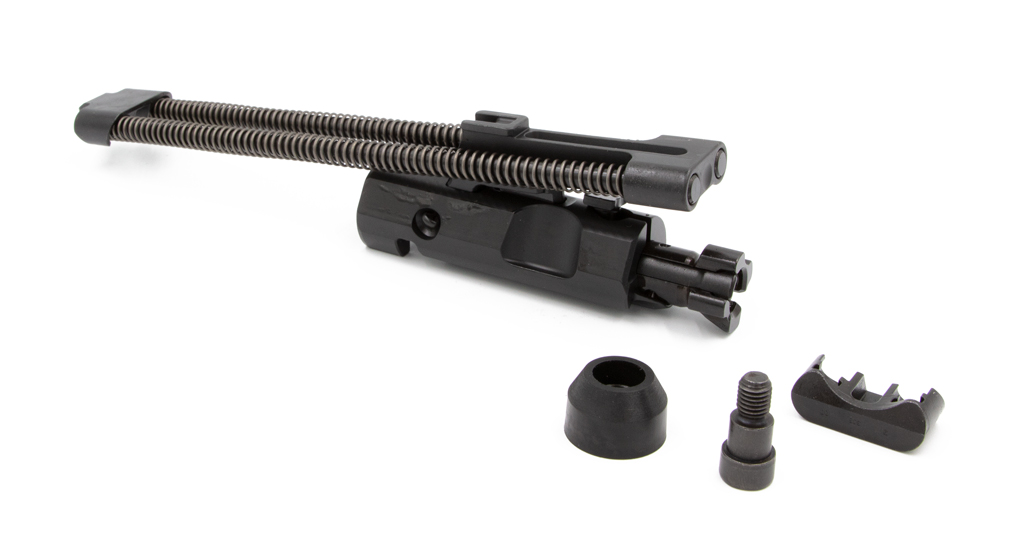
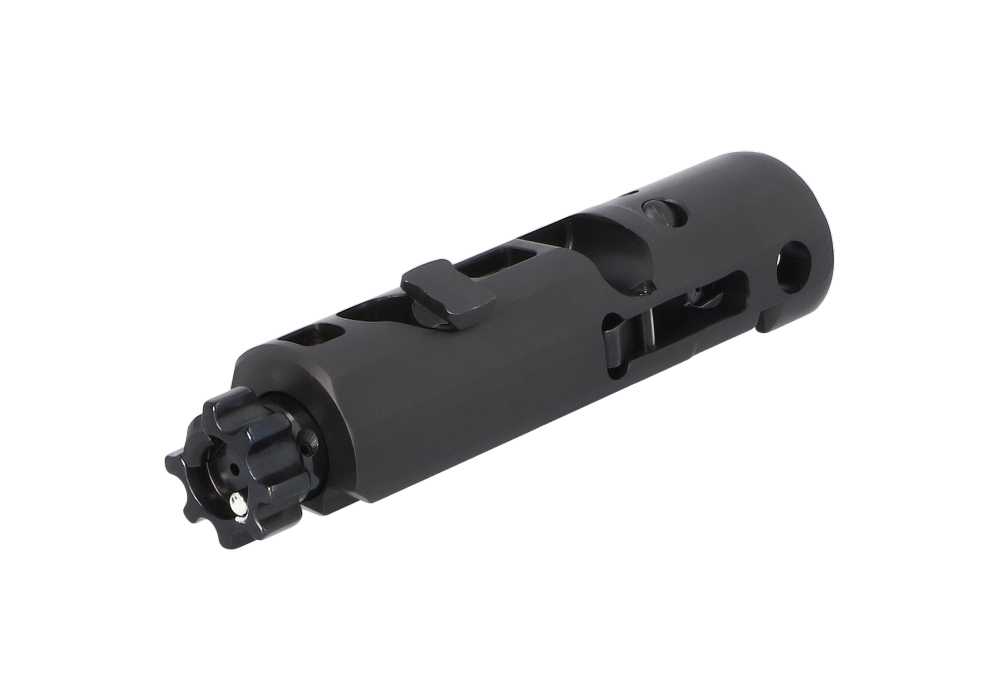
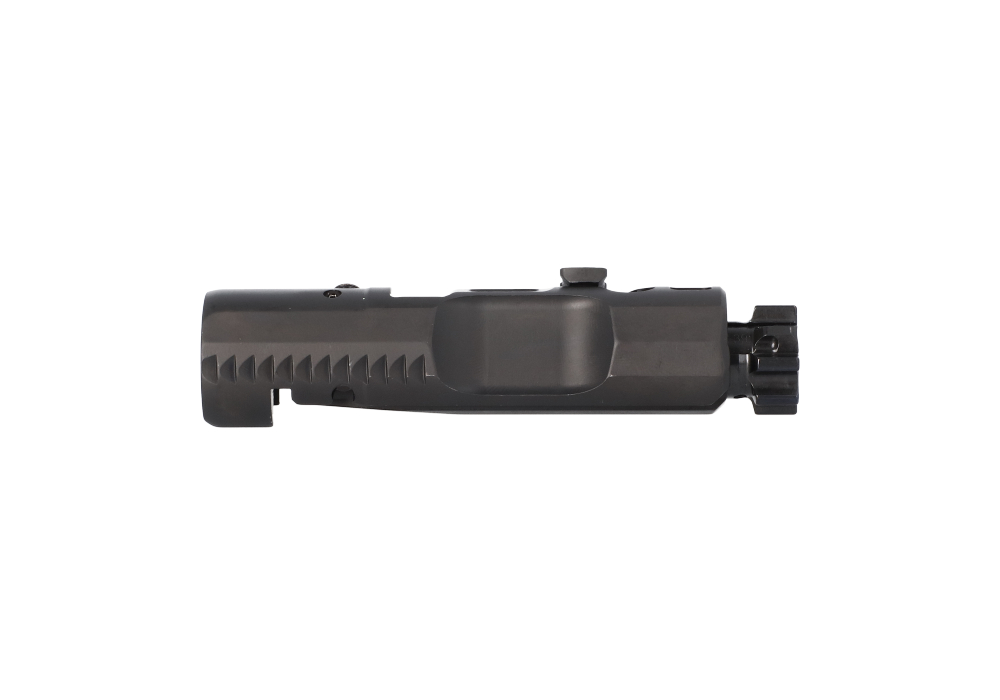
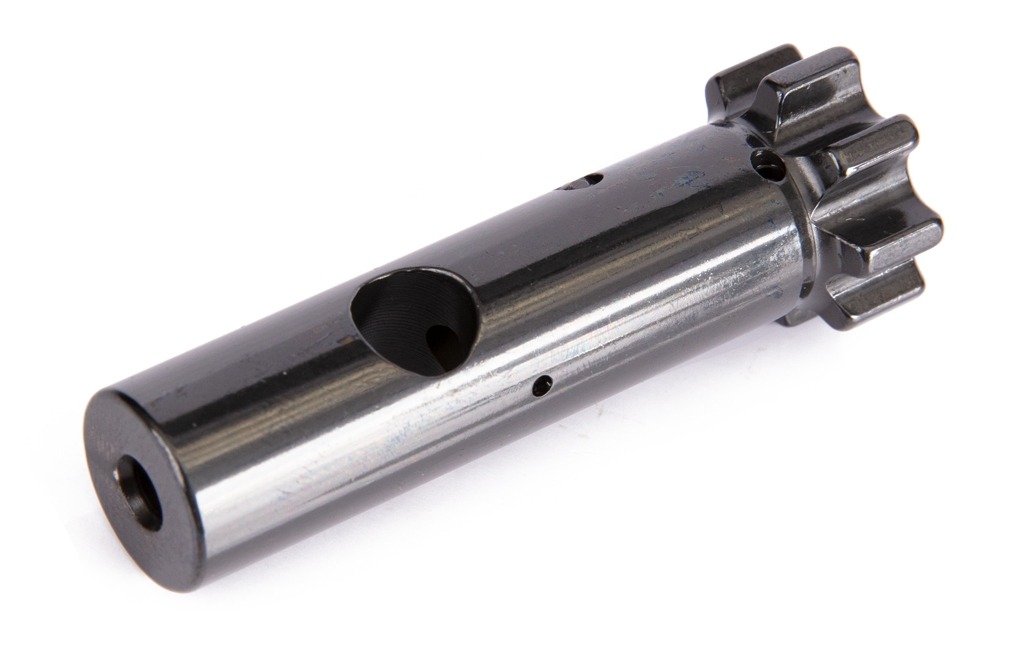
A bolt carrier group is the mechanical heart of a semi-automatic rifle, coordinating the movement that chambers a cartridge, locks the bolt, supports ignition, extracts the spent case, and prepares the rifle for the next shot. For firearm collectors, a BCG can be more than a replacement component; it can represent a particular era of rifle design, a preference for refined machining, or an appreciation for finishes and materials that distinguish one assembly from another. A collection may include standard-profile carriers for traditional builds, enhanced designs for modern sporting rifles, and carefully finished assemblies chosen for their visual character as much as their function. When browsing a bolt carrier group for firearm collectors, begin by confirming the intended platform and caliber. A group designed for a 5.56 rifle is not automatically suitable for a .308-pattern rifle or a 9mm platform, and dimensions, operating systems, and compatibility details can vary even within the same broad category. Collectors often pay close attention to the bolt material, with Carpenter 158 steel being a familiar choice for many rifle applications, as well as the treatment and finish applied to the carrier. Diamond-like carbon, nickel-based finishes, titanium nitride, and bronze-toned coatings can provide a distinctive appearance while offering different combinations of surface hardness, corrosion resistance, lubricity, and ease of cleaning. A polished finish may suit a display-oriented build, while a darker low-glare treatment can better complement a field rifle or a historically styled configuration. Markings, inspection details, carrier cuts, gas key construction, and the overall consistency of the machining can also matter to someone assembling a collection piece by piece.
Collectors and enthusiasts may select these components for several different reasons. Some are completing a rifle that has been carefully assembled around a particular period, finish, or configuration; others are replacing a worn group while preserving the original character of a favorite firearm. A well-chosen BCG can also be a practical gift for an experienced shooter, gunsmith, builder, or family member who enjoys maintaining and customizing rifles. It is especially useful as a thoughtful addition when the recipient already owns a compatible upper receiver or keeps a small selection of service parts on hand, though compatibility should always be verified before purchase. Details such as high-pressure testing and magnetic particle inspection can be meaningful indicators of a manufacturer’s quality-control process, particularly when inspection markings or documentation are available. Gas key staking deserves similar attention because the gas key must remain secure as the action cycles. Collectors who favor traditional specifications may look for a conventional carrier profile and familiar component standards, while those interested in newer engineering may consider enhanced or low-mass carriers, shrouded firing pin tips, modified gas handling, or roller-style cam systems intended to influence cycling, receiver contact, or wear. These features should be evaluated against the rifle’s intended setup rather than selected solely for appearance. A component that looks striking under display lighting still needs to be appropriate for the upper receiver, buffer system, ammunition, and operating configuration with which it will be used. Before placing an order, review the listed caliber, platform, carrier profile, bolt specifications, finish, inspection information, and any notes regarding suppressed or unsuppressed operation. For additional options organized around a different use case, browse the Bolt Carrier Group for Tactical Rifles collection.
The appeal of a collector-focused BCG often becomes clearest in the small details: the crisp edge of a machined relief cut, the even sheen of a carefully applied coating, or the satisfying heft of an assembly resting in a parts tray beside an upper receiver. During the cooler months, many owners spend more time at the workbench inspecting firearms, refreshing lubrication, sorting spare parts, and planning the next range session, making this type of component a natural addition to a maintenance kit or a rifle project. A collector may keep one BCG installed for regular use and another preserved as a visually distinctive spare, while a builder may choose a contrasting finish to create a subtle focal point inside an otherwise traditional rifle. Cleaning is another practical consideration: finishes with a smooth, durable surface can make carbon residue easier to wipe away, but no coating removes the need for proper lubrication, inspection, and safe handling. Before installation or maintenance, ensure the firearm is unloaded, remove ammunition from the work area, and follow the manufacturer’s instructions for disassembly, lubrication, and function checks. Buyers should also account for local laws, platform-specific requirements, and the intended role of the firearm, whether it is a range rifle, a carefully preserved collectible, or a working configuration used through changing weather. The best choice balances authentic visual appeal with sound construction, appropriate materials, verified compatibility, and the level of performance expected from the finished rifle. For someone who appreciates the engineering hidden beneath the handguard, a quality bolt carrier group offers an unusually tangible connection to how a rifle operates, making it a practical upgrade, a meaningful addition to a collection, or a memorable gift for an enthusiast who values both mechanical detail and lasting craftsmanship.