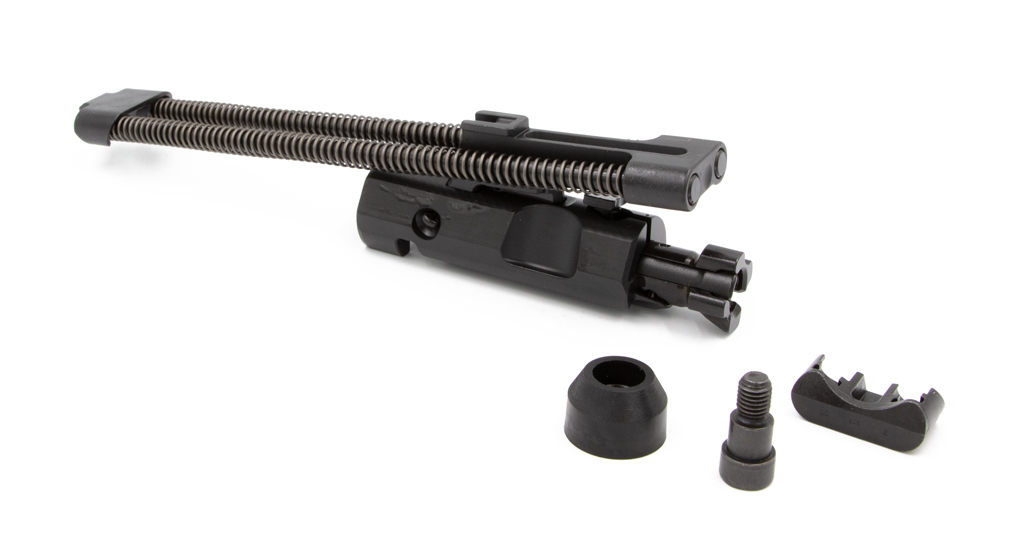
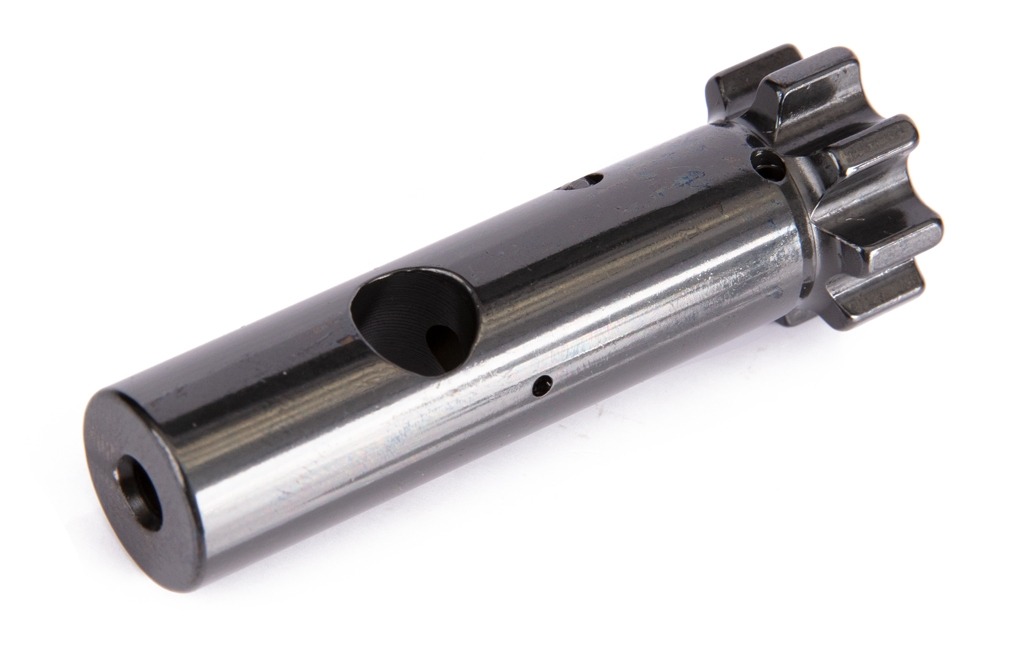
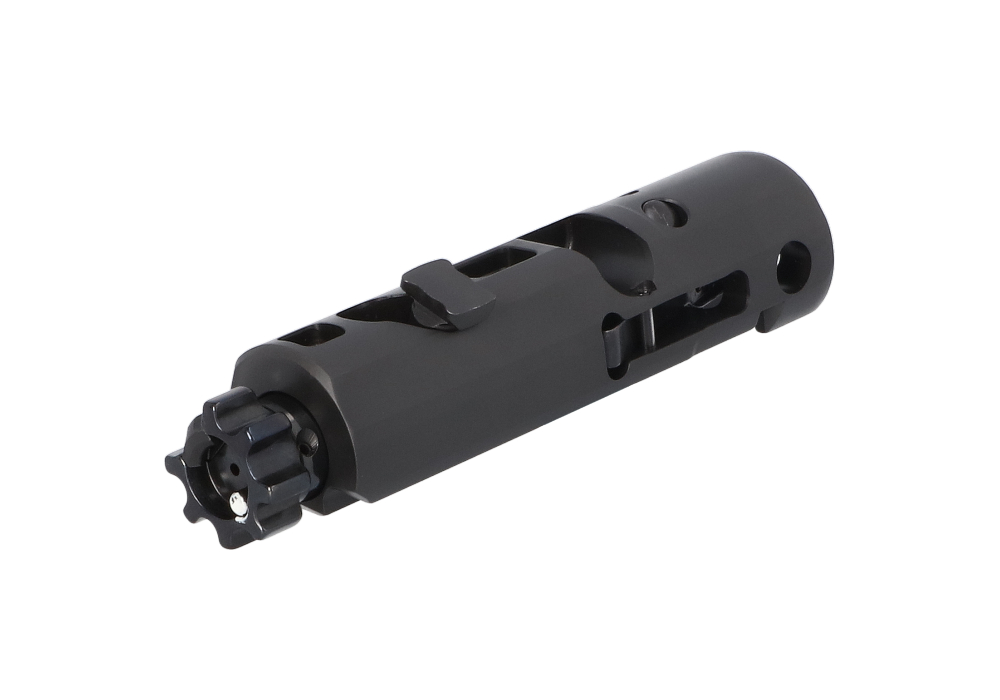
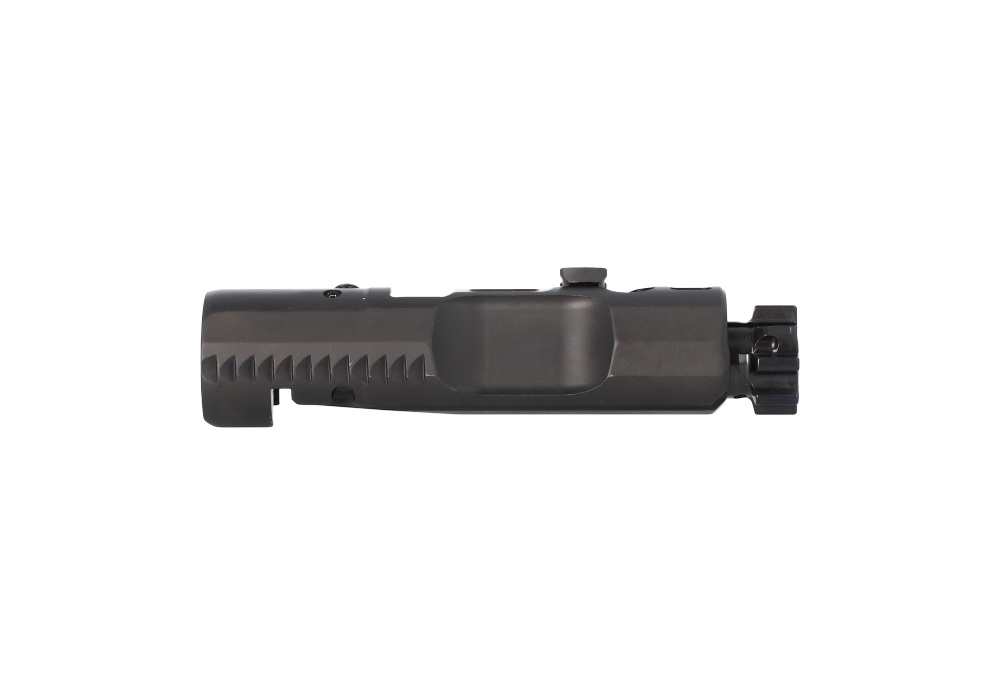
Bolt carrier group component kits are a practical way to keep a compatible rifle operating reliably through routine maintenance, range use, training, and unexpected parts wear. Often described as rebuild kits, refresh kits, or spare parts kits, these sets commonly include small but essential components such as a firing pin, firing-pin retaining pin, cam pin, extractor, extractor pin, extractor spring, ejector parts, and gas rings. Exact contents vary, so reviewing the kit description and comparing each part with the existing bolt carrier group is an important first step. Compatibility should be confirmed by platform, caliber, bolt and carrier configuration, and the manufacturer’s specifications before purchase. A component kit intended for one rifle pattern may not be suitable for another, even when the parts appear similar at a glance. This is especially important when comparing rifles chambered for different cartridges or platforms with different bolt dimensions. Before handling or inspecting any firearm, remove the magazine, unload the chamber, keep ammunition in a separate location, and follow the owner’s manual. A clean work surface, adequate lighting, and a small parts tray can make the process easier; anyone who has watched a tiny retaining pin disappear across a workbench knows how quickly a simple maintenance task can become frustrating without a little preparation. For those who prefer professional service, a qualified gunsmith can confirm fitment, inspect related components, and install replacement parts according to the firearm’s specifications. Browsing Firearm Bolt Carrier Kits can help shoppers compare available configurations and identify a suitable starting point for a planned refresh or a carefully organized spare-parts setup.
The components in these kits perform distinct jobs during the firing cycle, and understanding their role helps explain why keeping replacement parts available can be useful. The firing pin transfers the hammer’s impact to the primer, while the retaining pin keeps it secured inside the carrier. The cam pin guides the bolt through its rotating movement as the action unlocks and locks, making it a critical part of the bolt’s operating path. The extractor grips the rim of a fired cartridge case and draws it from the chamber during rearward movement; its spring, insert, or related tension components help maintain that grip. Once the case clears the chamber, the ejector and its spring push it through the ejection port. Gas rings form a seal between the bolt and the interior of the carrier, allowing the operating system to function as designed. These parts experience heat, friction, fouling, and repeated compression, so they deserve attention during regular cleaning and inspection. Gas rings and extractor springs are commonly treated as wear items, while a damaged cam pin, fractured firing pin, chipped extractor claw, bent retaining pin, or weakened ejector spring may require prompt replacement. Symptoms such as inconsistent extraction, failures to eject, short-stroking, light primer strikes, or unusual cycling can have several possible causes, including ammunition, lubrication, fouling, magazines, gas-system issues, or worn bolt carrier components. Replacing a part without identifying the underlying issue may not solve the problem, which is why a careful inspection and reference to the firearm manual are valuable. If a complete bolt is changed rather than only an internal component, headspace must be verified by a qualified professional before the firearm is fired. Component kits are most useful when selected as part of a maintenance plan rather than as a substitute for diagnosis, and they can provide reassurance when a rifle sees frequent use or must remain ready for a scheduled training session.
These kits may appeal to recreational shooters, competitors, hunters, instructors, armorers, and firearm owners who prefer to keep commonly needed parts close at hand. A range bag stocked with the correct spare components can reduce downtime when a small spring loses tension or a retaining pin is damaged, while a home workshop kit can make planned inspection more orderly during the cooler months, when many owners take time to clean and organize equipment after the busiest part of the shooting season. Component kits can also be a thoughtful gift for an experienced firearm owner who already has cleaning supplies and basic tools but wants a more complete maintenance setup. For a newer owner, the most useful gift is often a compatible kit paired with a quality owner’s manual, appropriate tools, and guidance from a qualified instructor or gunsmith. Before giving or purchasing one, confirm the recipient’s platform and caliber rather than relying on appearance alone. Storage matters as well: keep small parts dry, labeled, and separated from loose ammunition, and retain original packaging or notes identifying where each component belongs. Inspection intervals depend on the firearm, round count, operating conditions, and manufacturer recommendations, but checking wear items during routine cleaning is a sensible habit. Some shooters replace gas rings or extractor springs during preventive maintenance after extended use, while others replace parts only when inspection reveals damage or loss of tension; neither approach replaces the need to follow the specific firearm’s service guidance. A well-chosen bolt carrier group component kit is ultimately about preparedness and responsible ownership. It keeps essential parts organized, supports dependable maintenance, and helps owners address ordinary wear before a small component becomes an interruption at the range or in the field.