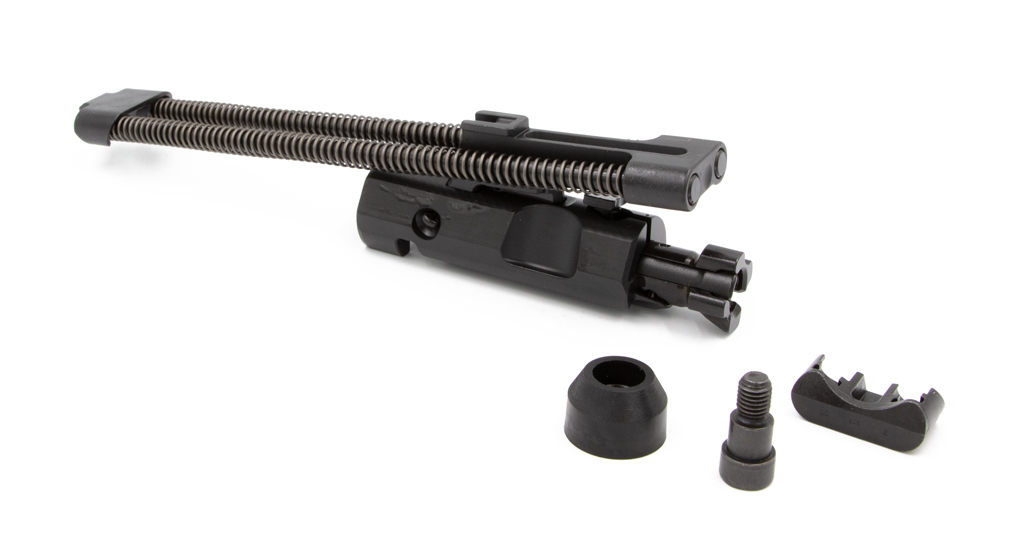
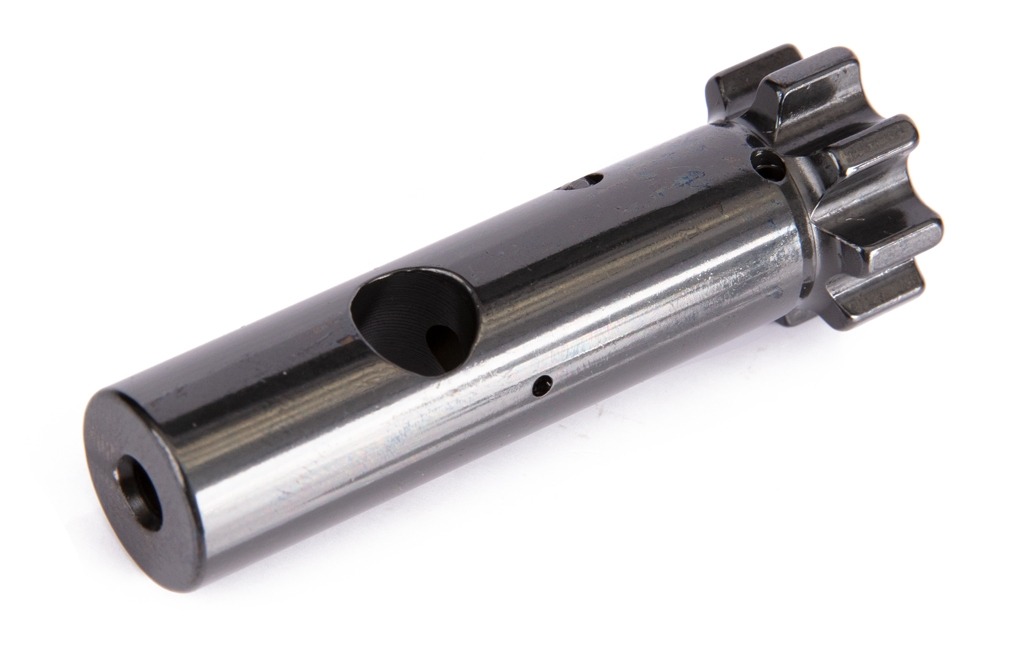
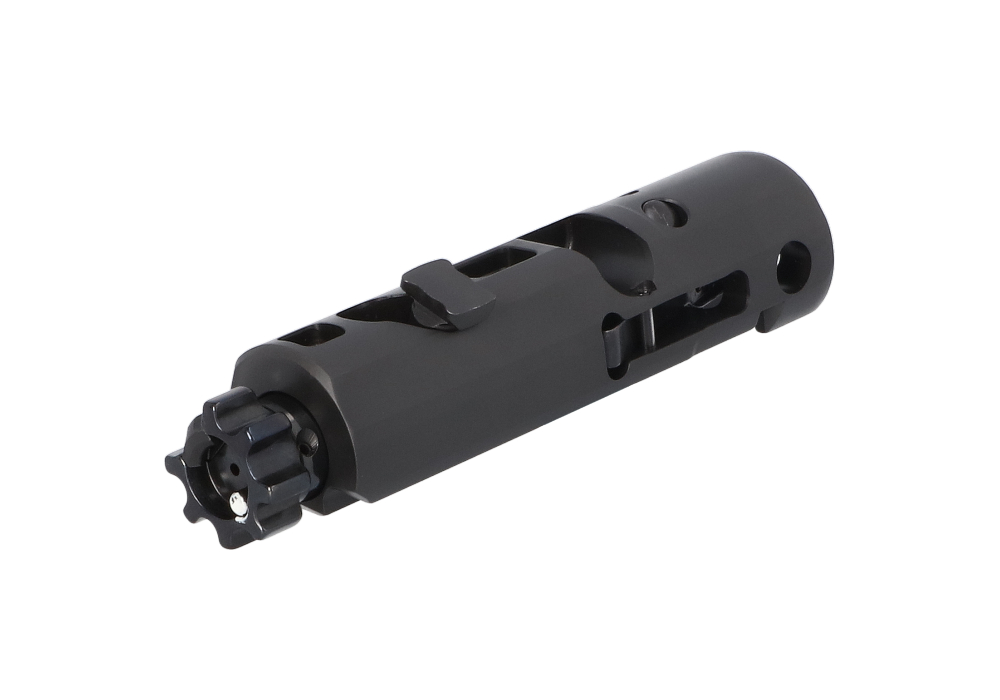
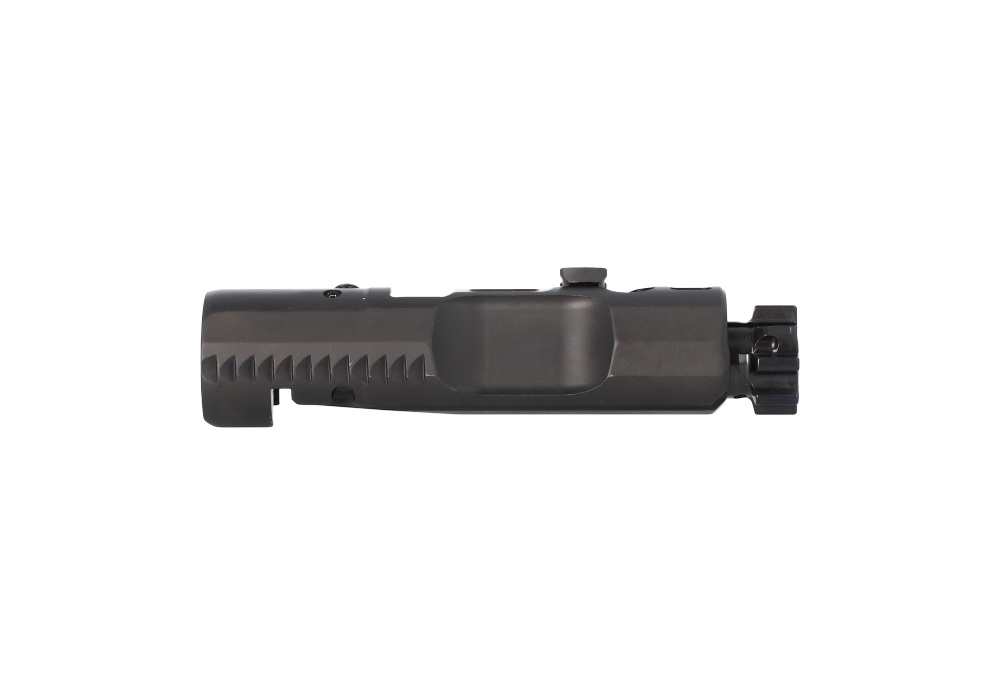
Carrier groups play a central role in the reliable operation of many modern rifles, managing the sequence that begins when the firing pin strikes the primer and continues through extraction, ejection, chambering, and locking. When a rifle shows signs of cycling trouble, inconsistent extraction, failures to chamber, unusual drag, or visible wear around the bolt and carrier assembly, replacement components can provide a practical path toward restoring dependable function. This collection of recommended parts and assemblies is intended for rifle owners, armorers, gunsmiths, and prepared shooters who need repair-focused options for routine service or replacement of worn components. A carrier group may be purchased as a complete replacement assembly or selected in individual pieces, depending on the condition of the existing parts and the repair plan. Common service items include gas rings that help contain operating gas, extractors and extractor springs that maintain a firm grip on spent cases, firing pins that transfer the ignition strike, and bolts that lock into the barrel extension during firing. Each component contributes to the timing and consistency of the rifle’s operating cycle, so even a small worn spring, damaged lug, or eroded pin deserves careful attention before the rifle returns to use. For a broader selection of repair-focused options, explore the Bolt Carrier Group for Rifle Repair collection.
Choosing the right replacement begins with confirming the rifle’s platform, chambering, operating system, and required specifications. Carrier groups that appear similar may differ in bolt dimensions, gas system relationship, firing pin configuration, carrier length, finish, or other details that affect compatibility. Match every component to the rifle manufacturer’s specifications and verify that the selected assembly is intended for the correct firearm before placing an order. It is also useful to consider whether the need is limited to a single worn part or whether a complete carrier group offers a more practical solution. Gas rings can lose tension or allow excessive gas leakage with extended use, while extractor springs may weaken after repeated cycling and contribute to extraction problems. Bolts should be inspected for damaged or peened locking lugs, unusual wear, cracks, or deformation, and firing pins should be checked for bending, mushrooming, pitting, or erosion. There is no universal replacement schedule for every rifle or shooting routine; round count, ammunition, cleaning habits, heat, lubrication, and the rifle’s operating conditions all influence service life. Manufacturer guidance and inspection by a qualified gunsmith should take priority over a fixed mileage-style interval. A clean, correctly lubricated carrier group can make inspection easier, revealing a rough contact surface or a small mark that might otherwise be missed when the rifle is being prepared in a dim workshop during the cooler months.
These parts can be useful for a wide range of rifle owners. A recreational shooter may keep a spare assembly on hand after discovering that a tired extractor spring has interrupted a day at the range. A hunter may replace worn components during seasonal maintenance so the rifle is ready for transport and sight-in sessions when outdoor conditions change. A competitive shooter, training instructor, or working armorer may maintain carefully selected replacement parts as part of a regular inspection program, while a new rifle owner may appreciate a compatible repair component as a practical gift from someone familiar with the platform. The most useful purchase is not always the largest selection; it is the part that matches the rifle and addresses the observed wear without introducing an uncertain fit. Before installation, unload the firearm completely, remove all ammunition from the work area, and follow the owner’s manual for disassembly, inspection, lubrication, and function checks. Any part showing a crack, severe deformation, or questionable fit should be evaluated by a qualified professional rather than forced into service. After repair, confirm smooth movement and proper assembly according to the manufacturer’s instructions, then perform any required safety or function checks in an appropriate controlled setting. During the cooler months, a well-organized repair kit and a clearly documented maintenance routine can help keep a rifle ready for its intended use while making future inspections faster, calmer, and more consistent.