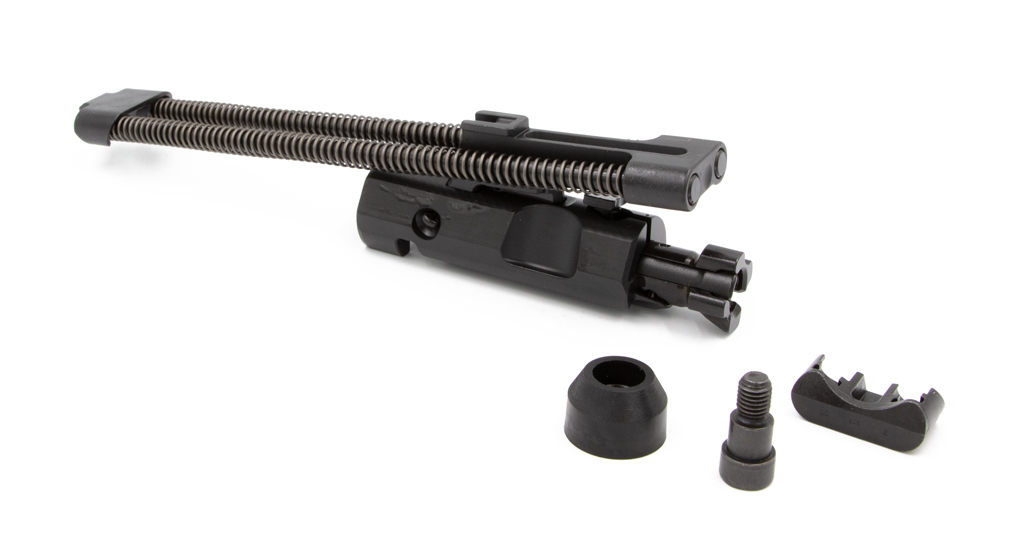
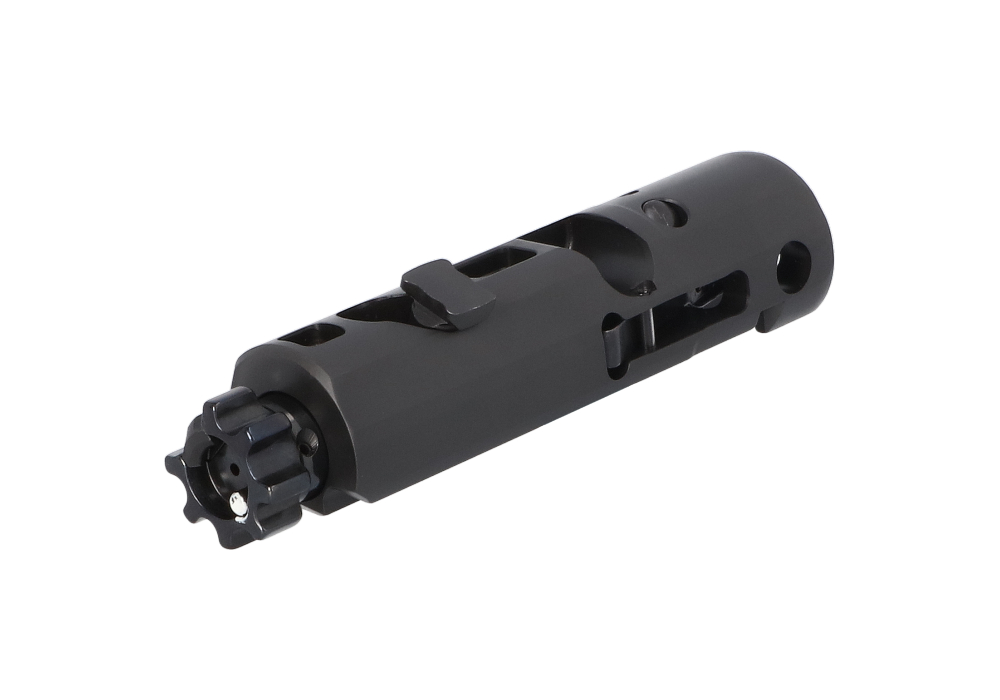
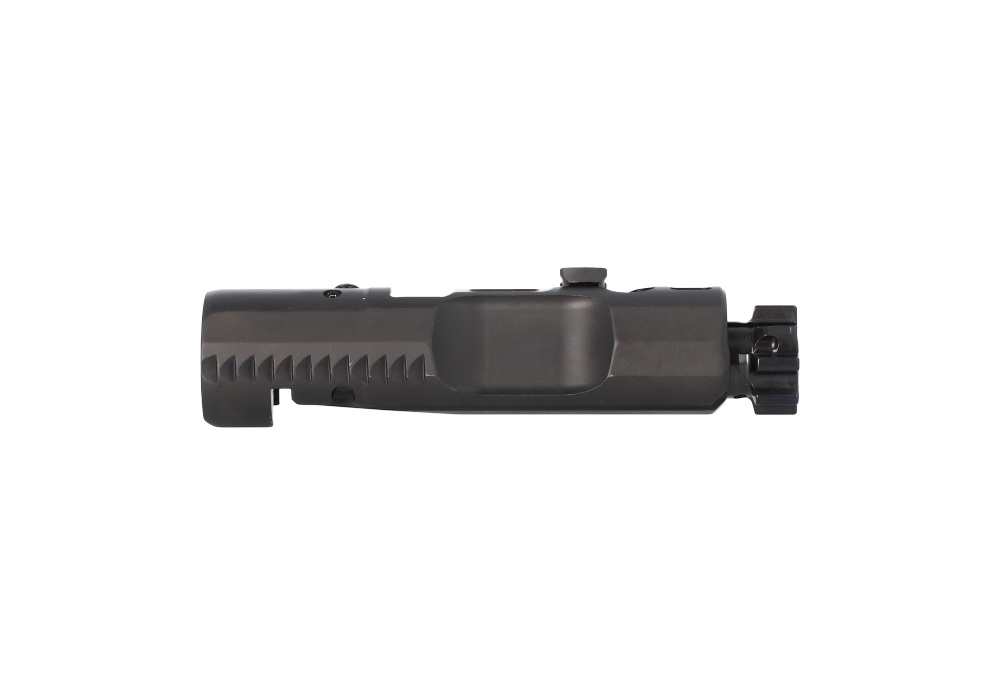
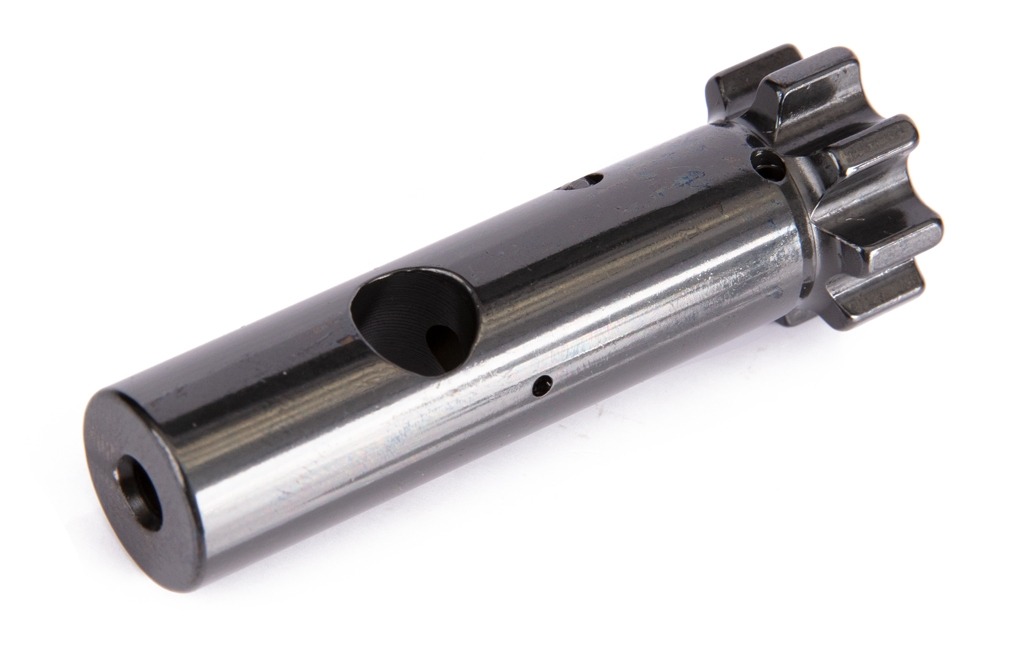
Carrier groups are the working core of a tactical rifle build, coordinating the cycling sequence that chambers a cartridge, locks the bolt, supports ignition, extracts the spent case, and ejects it before the next round feeds. Because this assembly moves with every shot, its specifications influence reliability, recoil feel, maintenance intervals, and the way a rifle responds to different ammunition and shooting conditions. A properly selected bolt carrier group should match the rifle’s chambering, barrel configuration, gas system, receiver set, and intended role. Before ordering, confirm compatibility with the platform and caliber, including whether the build uses a direct-impingement system or another operating arrangement. The bolt itself deserves close attention: Carpenter 158 and 9310 steel are widely recognized choices, while high-pressure testing and magnetic particle inspection provide useful indicators of quality-control procedures. Look for clear information about the bolt, carrier, gas key, fasteners, and inspection standards rather than relying on appearance alone. The carrier profile also matters. A full-profile carrier provides reciprocating mass that can support dependable cycling across a broad range of rifle configurations, while lightweight and specialized profiles can alter recoil impulse, timing, and gas behavior. Those differences may be helpful when tuning a competition-oriented rifle or a compact build, but they should be considered alongside the barrel length, gas length, buffer system, and ammunition used. A carrier group is not an isolated upgrade; it is one part of a carefully balanced operating system.
Finish selection is another practical consideration. Phosphate finishes have a long service history and hold lubricant well, which can be useful for duty-oriented rifles or setups that may see extended firing sessions. Nitride, nickel-boron, and DLC finishes are often selected for their smooth surfaces, corrosion resistance, and simpler cleanup routine. A slick finish can make carbon removal less tedious after a range day, but finish alone does not replace correct lubrication, sound assembly, or proper inspection. Pay attention to the gas key and staking, since a secure gas key is essential to consistent cycling. Examine the bolt lugs, extractor, ejector, firing pin, cam pin, and retaining hardware for correct fit and appropriate construction. Suppressor use deserves additional planning because added back pressure can increase carrier speed, carbon accumulation, and gas reaching the shooter. Specialized carrier designs, adjustable gas systems, heavier buffers, and suitable charging-handle arrangements may help create a more comfortable and reliable setup, but every change should be evaluated as part of the complete rifle. Barrel length and gas-system length also influence dwell time and operating pressure, so a carrier group that performs well in one configuration may not produce the same results in another. For a repair or replacement project, compare the existing assembly with the rifle’s original specifications and verify that the bolt face, extractor arrangement, firing-pin dimensions, and carrier geometry suit the platform. The Carrier Groups for Rifle Repair collection can help shoppers distinguish replacement-focused options from assemblies intended for a new tactical rifle build.
These parts are commonly chosen by experienced builders, armorers, competitive shooters, preparedness-minded owners, and rifle enthusiasts completing a new upper or refreshing a well-used platform. They can also be a thoughtful gift for a knowledgeable rifle owner who keeps a detailed parts list and understands the exact requirements of a build. Since compatibility is highly specific, a gift card or a conversation about caliber, barrel length, gas system, suppressor use, and finish preference may be more useful than selecting an unfamiliar configuration on someone else’s behalf. During the cooler months, many builders spend time at the workbench checking torque, inspecting wear surfaces, organizing spare components, and preparing rifles for longer range sessions, training days, or field use. A carrier group selected with care can support that preparation by providing a dependable foundation for the rifle’s cycling system. Keep the assembly lightly lubricated according to the manufacturer’s instructions, inspect it after firing, and replace worn springs, extractors, or related components when inspection indicates a need. Always follow applicable laws, safe handling practices, and the rifle maker’s service guidance, and have installation or function checks completed by a qualified professional when the build falls outside your experience. Clear specifications, documented inspection standards, and careful attention to the complete operating system are the best tools for choosing a carrier group that suits a tactical rifle build and remains practical through routine training, maintenance, and use.