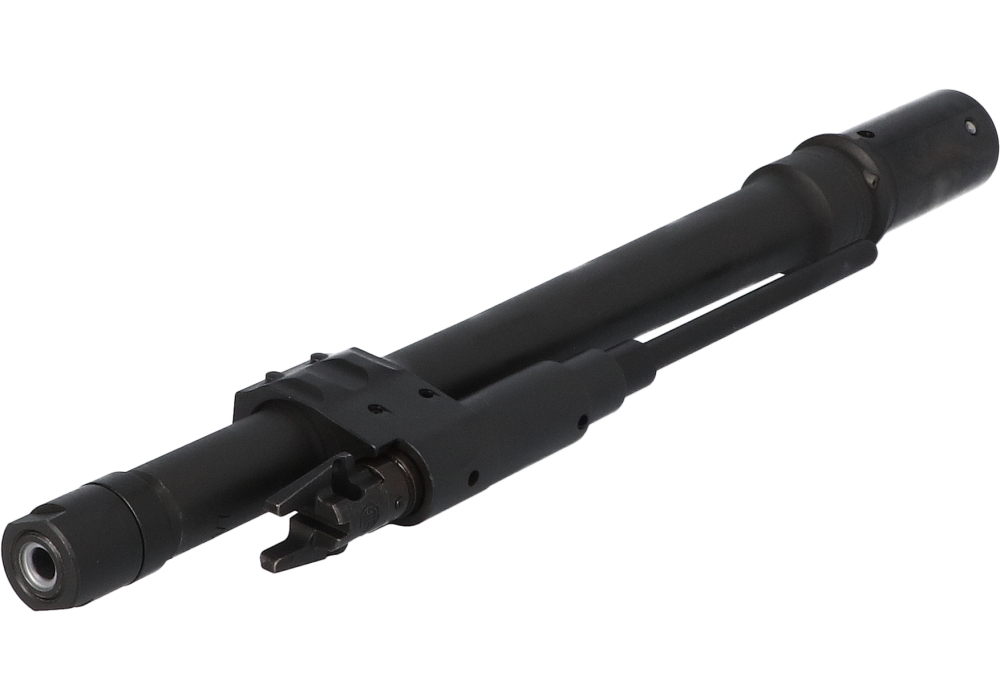
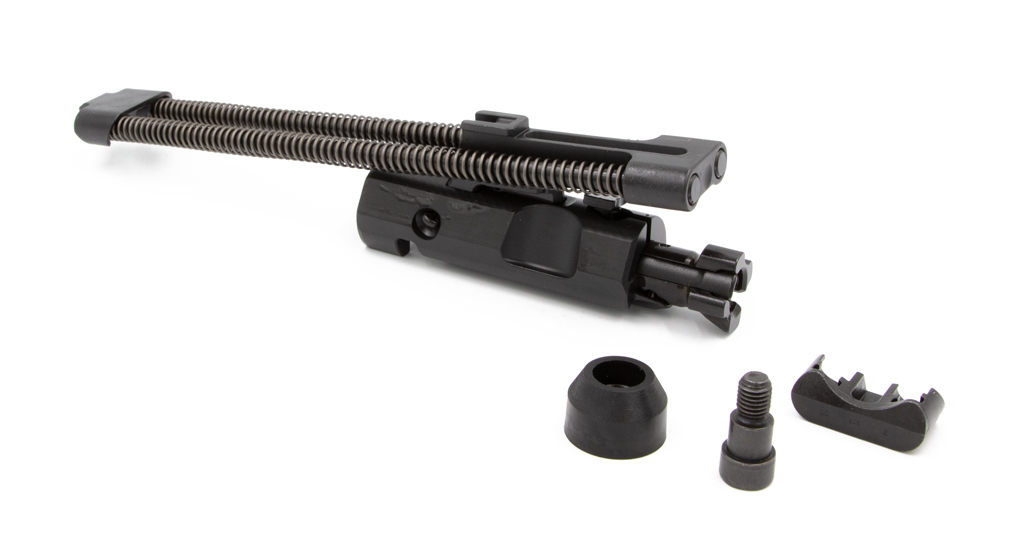
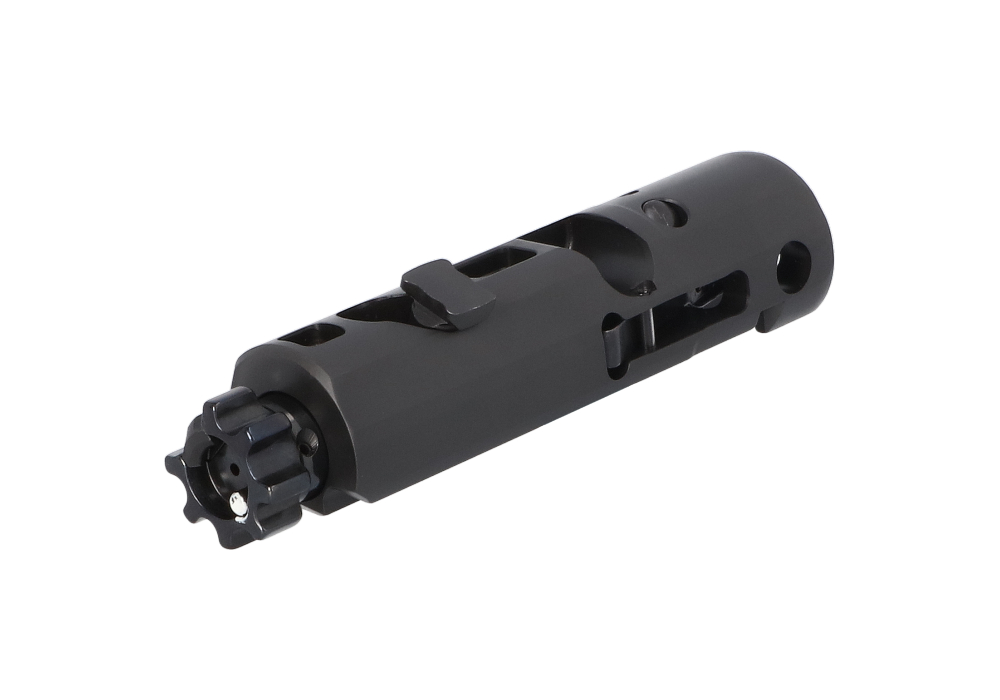
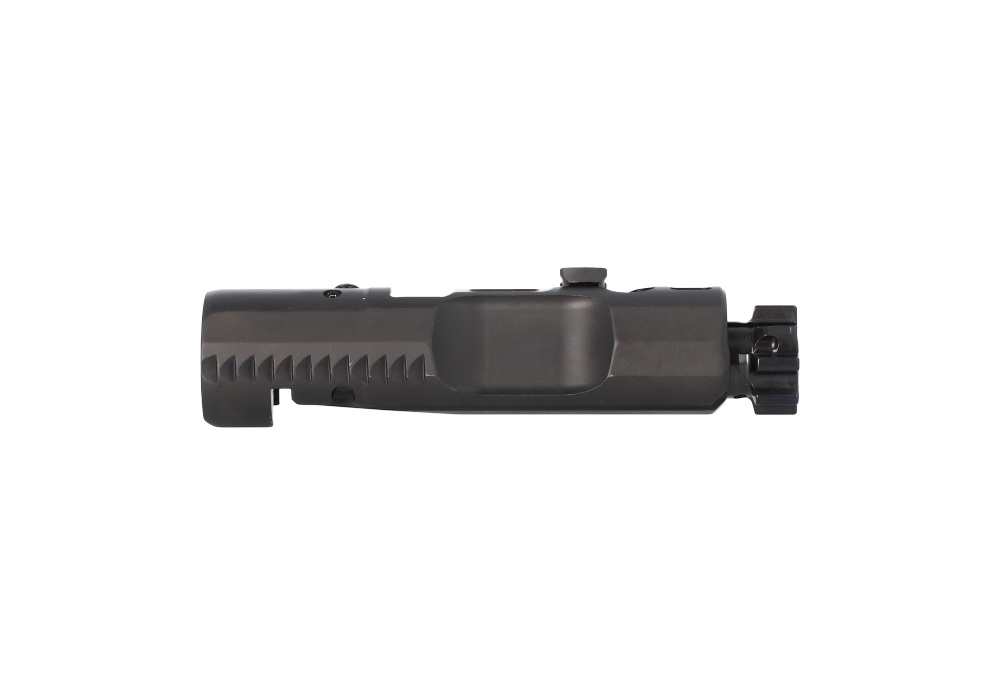
Carrier groups are the working heart of many modern rifle systems, coordinating the sequence that feeds a cartridge, locks the bolt, fires the primer, extracts the spent case, and ejects it before the cycle begins again. For builders, competitors, hunters, training professionals, and recreational shooters, selecting the right carrier group can have a noticeable effect on how a rifle operates and how easily it can be maintained. An assembly typically includes the carrier body, bolt, firing pin, cam pin, gas key or gas interface, extractor, ejector, and associated springs and retaining components. Each part has a defined role: the carrier houses and guides the bolt, the bolt locks into the barrel extension, the firing pin transfers the ignition strike, and the cam pin controls the bolt’s rotation during locking and unlocking. The gas key receives energy from the operating system and directs it into the carrier, allowing the action to cycle. Because these components work together under heat, pressure, friction, and repeated impact, compatibility and construction deserve close attention. Begin by confirming the rifle platform and caliber, such as a 5.56 rifle, a larger-frame .308-pattern system, or another compatible configuration. The bolt must match the barrel extension, and the carrier group must suit the rifle’s operating system, gas length, and intended ammunition. Some assemblies are designed for direct-impingement rifles, while others are intended for piston-driven systems; these configurations are not automatically interchangeable. A careful fit also supports dependable feeding and extraction, while avoiding unnecessary wear on the bolt lugs, cam path, gas key, and receiver rails. For a complete selection of related components and configurations, browse Gun Carrier Assemblies and compare specifications before making a purchase.
Advanced rifle systems often benefit from carrier groups that address a particular setup rather than simply replacing a standard assembly. Lightweight or low-mass designs reduce reciprocating weight and may be selected by competition shooters seeking faster movement and a softer-feeling cycle, though they generally require a properly balanced combination of gas setting, buffer, spring, ammunition, and barrel length. A carrier with adjustable gas routing can help tune excess gas in certain configurations, including rifles used with sound suppressors, but adjustment should be approached as part of the entire operating system rather than as an isolated upgrade. Suppressed shooting can increase back pressure, fouling, and felt gas at the shooter’s position, making gas management, lubrication, and cleaning especially important. Enhanced carrier geometry may improve gas handling, support smoother cycling, or provide additional attention to areas that experience concentrated stress during demanding use. Finish is another practical consideration. Traditional phosphate finishes have a textured surface that retains lubricant and are valued for familiar service characteristics. Nickel-boron, NP3-style, and other low-friction coatings are often chosen for their smooth feel, resistance to carbon adhesion, and easier wipe-down after a long range session. Diamond-like carbon finishes offer a hard, low-friction surface that can help simplify cleaning while standing up to repeated use. Material choices may include established tool steels for the bolt and carrier, corrosion-resistant alloys for selected components, or lightweight materials in designs where reduced mass is a priority. A lighter assembly is not automatically better for every rifle, just as a heavily coated assembly is not automatically the best choice for every maintenance routine. Match the design to the rifle’s intended role, firing schedule, ammunition, and level of tuning. Inspect the gas key staking, extractor components, bolt lugs, firing pin, and retaining hardware, and follow the manufacturer’s installation and maintenance guidance. Before live fire, verify safe function with the rifle unloaded, then conduct any testing at an appropriate range while following all applicable laws and range rules.
Carrier groups can be a practical addition for someone building a rifle, maintaining a training gun, or preparing a dedicated upper for a different barrel length or suppressor configuration. They may also be a thoughtful gift for an experienced rifle owner, especially when the recipient regularly cleans, services, or configures multiple systems. Because compatibility depends on platform, caliber, barrel extension, operating system, and intended use, a gift buyer should confirm the rifle details before ordering rather than relying on appearance alone. A knowledgeable shooter may appreciate a finish that wipes clean after dusty range days, an adjustable design for a carefully tuned suppressed rifle, or a durable standard assembly for a dependable general-purpose setup. During the cooler months, rifle owners often spend longer stretches at outdoor ranges, training through changing conditions and inspecting their equipment between sessions. A carrier group that is correctly matched, properly lubricated, and maintained can make those sessions more predictable, whether the rifle is used for formal practice, competition preparation, field work, or recreational shooting. Carbon buildup around the bolt face, gas rings, firing pin, and carrier vents should be addressed according to the firearm’s maintenance instructions, while lubrication should be applied to the recommended contact surfaces without allowing excess oil to collect where it can attract abrasive debris. A new assembly should be checked for correct fit and function by a qualified owner or gunsmith, and any unusual resistance, failure to lock, extraction issue, or visible damage should be evaluated before continued use. With the right specifications and a clear understanding of the rifle’s operating system, carrier groups for advanced rifle systems provide a focused way to support reliability, tune performance, and keep a well-used firearm ready for its next range day.