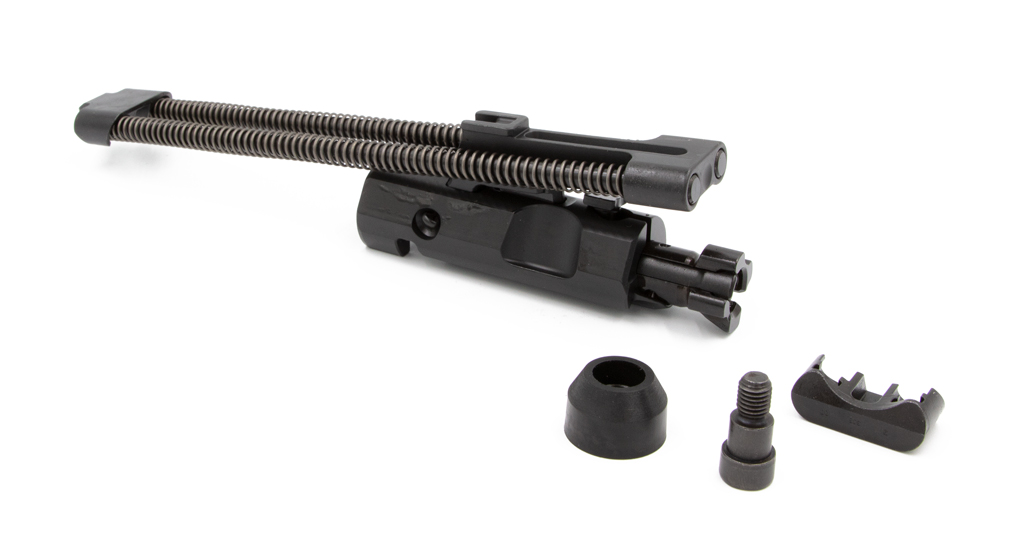
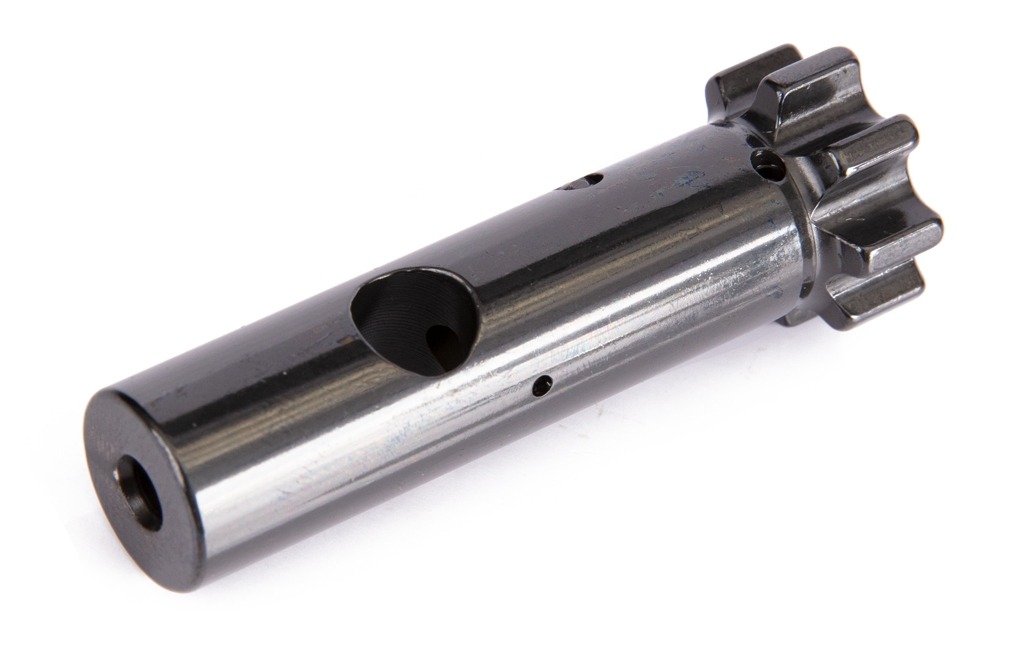
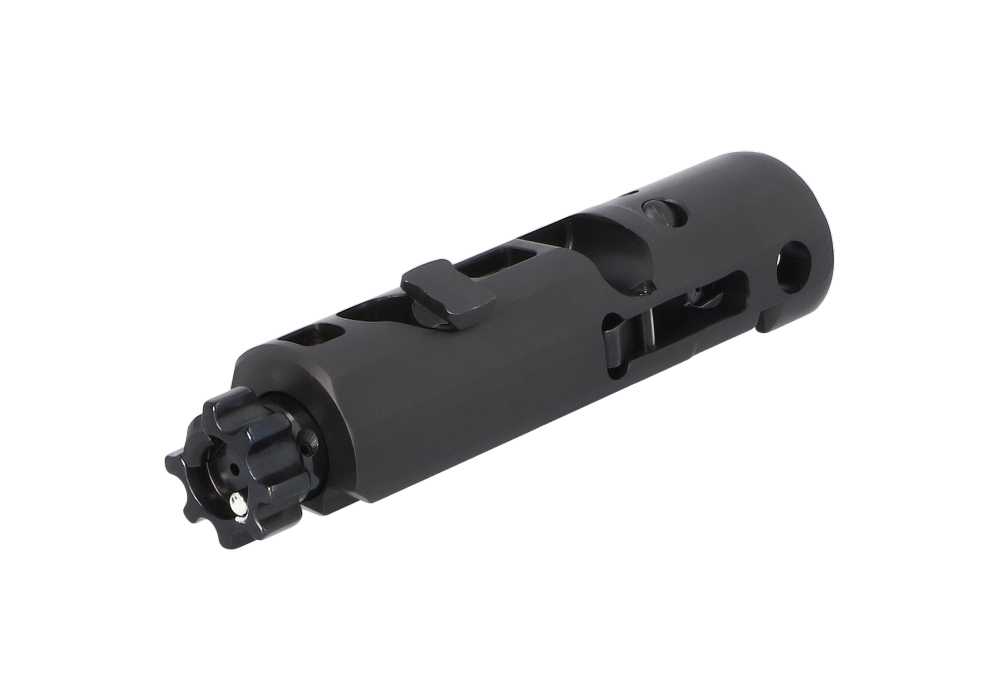
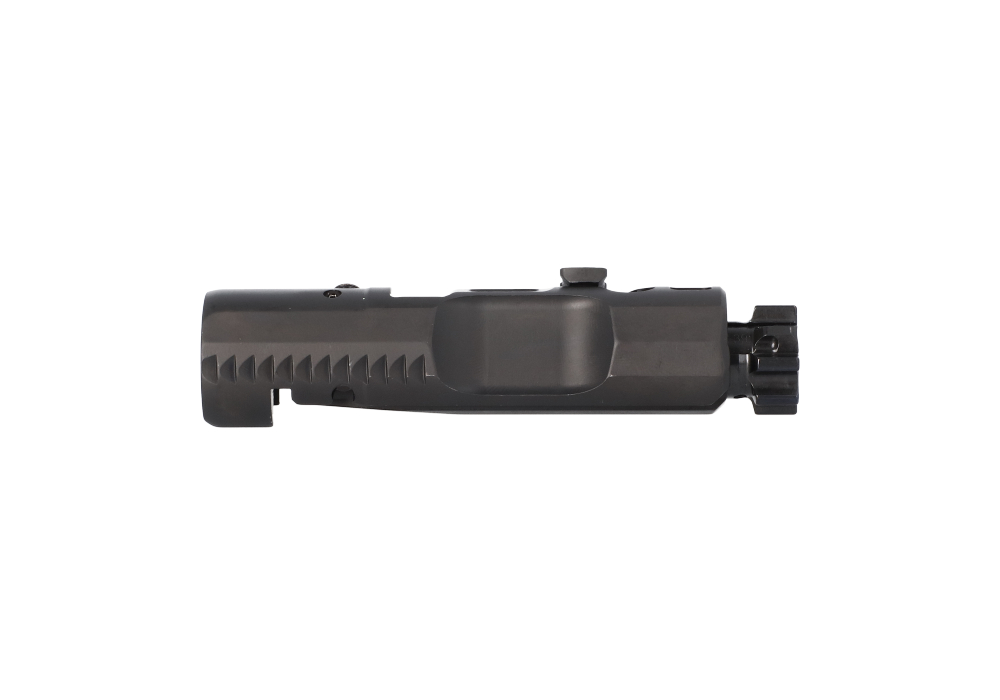
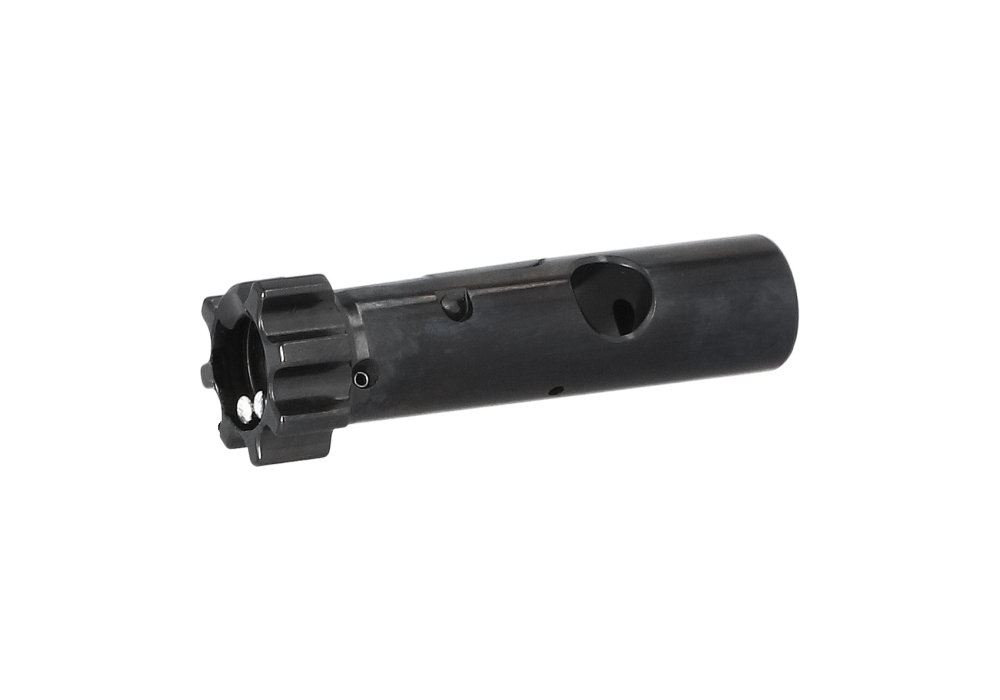
A bolt carrier group is the working heart of a modern rifle’s operating system, and choosing the right replacement parts can make a meaningful difference when a rifle needs dependable repair or a careful refresh. The Bolt Carrier Group for Rifle Repair collection is intended for owners, armorers, and qualified gunsmiths who are replacing worn components, correcting cycling problems, or restoring a rifle to reliable function after extended use. A complete bolt carrier group typically includes the carrier, bolt, gas key, firing pin, cam pin, and related retaining hardware, while individual repair parts may address specific wear points such as the extractor, extractor spring, ejector, gas rings, or firing pin retaining pin. Compatibility should always come first. Before ordering, confirm the rifle’s operating system, chambering, barrel extension pattern, carrier configuration, and the dimensions required by the manufacturer’s technical documentation. Parts that appear similar can differ in important ways, and a component intended for one rifle configuration may not be suitable for another. It is also wise to inspect the existing assembly before purchasing. Look for unusual peening, cracks, burrs, excessive carbon buildup, damaged locking lugs, loose hardware, or a gas key that shows signs of movement. A rifle that fails to extract may need attention at the extractor or its spring, while a rifle that short-strokes or fails to cycle may point toward gas leakage, worn gas rings, ammunition variables, or another issue outside the bolt carrier group. Replacing one visibly worn component can be the right solution, but a complete assembly may be more appropriate when several parts show significant use or when the history of the existing group is unknown.
Understanding the role of each component makes it easier to narrow down the right repair parts. The bolt locks into the barrel extension and contains the locking lugs that secure the cartridge during firing; common bolt materials include Carpenter 158 and 9310 steel, with the proper choice depending on the intended configuration and manufacturer specifications. The carrier houses the bolt and travels back and forth inside the receiver. It is commonly made from 8620 steel and must be matched to the rifle’s operating system, coating requirements, and chambering. The gas key receives gas from the gas tube and directs that energy into the carrier, so its alignment, fasteners, and staking deserve close inspection. Gas key screws should remain firmly secured, with staking that prevents movement and helps maintain a proper seal. The cam pin controls the bolt’s rotation as the action cycles, while the firing pin transfers energy to the cartridge primer. Gas rings seal the bolt inside the carrier; they are small, but their condition matters. A loose-feeling bolt, excessive gas leakage, or inconsistent cycling can indicate that the rings need replacement. When installing new gas rings, follow the manufacturer’s instructions and avoid treating ring-gap positioning as a substitute for proper fit and inspection. The extractor grips the spent casing so it can be pulled from the chamber, and a worn extractor spring or damaged insert can contribute to failures to extract. Each part works with the others in a sequence that takes place in a fraction of a second, which is why clean mating surfaces, correct lubrication, proper torque, and secure retaining hardware are so important. Anyone unfamiliar with rifle disassembly should use the owner’s manual and consult a qualified gunsmith rather than guessing at a repair. A careful inspection on a clean workbench, with a small tray keeping pins and springs from disappearing into the floorboards, can prevent a minor maintenance task from becoming a frustrating reassembly problem.
When comparing repair options, consider the rifle’s intended use, round count, maintenance history, and the symptoms that led to the inspection. A recreational rifle used occasionally may need only a small replacement part, while a training, competition, duty, or hunting rifle that sees frequent cycling may justify replacing a more complete group after a professional evaluation. Inspect the bolt lugs, extractor, ejector, gas rings, carrier rails, firing pin, cam pin, and gas key as a set rather than focusing on one part in isolation. Check that the bolt is appropriate for the barrel extension and chambering, that the carrier matches the rifle’s gas system, and that the finish will suit the owner’s cleaning routine and environmental conditions. During the cooler months, rifles may move between a warm vehicle, an indoor safe, and cold outdoor air, creating condensation that can contribute to corrosion if the action is stored damp. A light, manufacturer-approved lubricant and a dry storage routine help protect replacement parts without attracting unnecessary debris. After any repair, function checks should be performed with the rifle unloaded and in accordance with the owner’s manual, followed by careful live-fire verification at an appropriate range when permitted by law. New parts should be monitored for proper wear rather than assumed to be ready without inspection. These components can also be a practical gift for an experienced rifle owner, range partner, or hobbyist who prefers maintaining a carefully organized set of spares, although compatibility information should be confirmed before giving repair parts. For owners planning a new rifle project rather than repairing an existing one, the Bolt Carrier Group for Custom Builds collection provides a more suitable starting point. Whether the goal is to replace a tired extractor, address worn gas rings, secure a questionable gas key, or refresh the complete operating assembly, selecting parts by rifle specifications and inspecting the entire system helps support consistent, dependable performance.