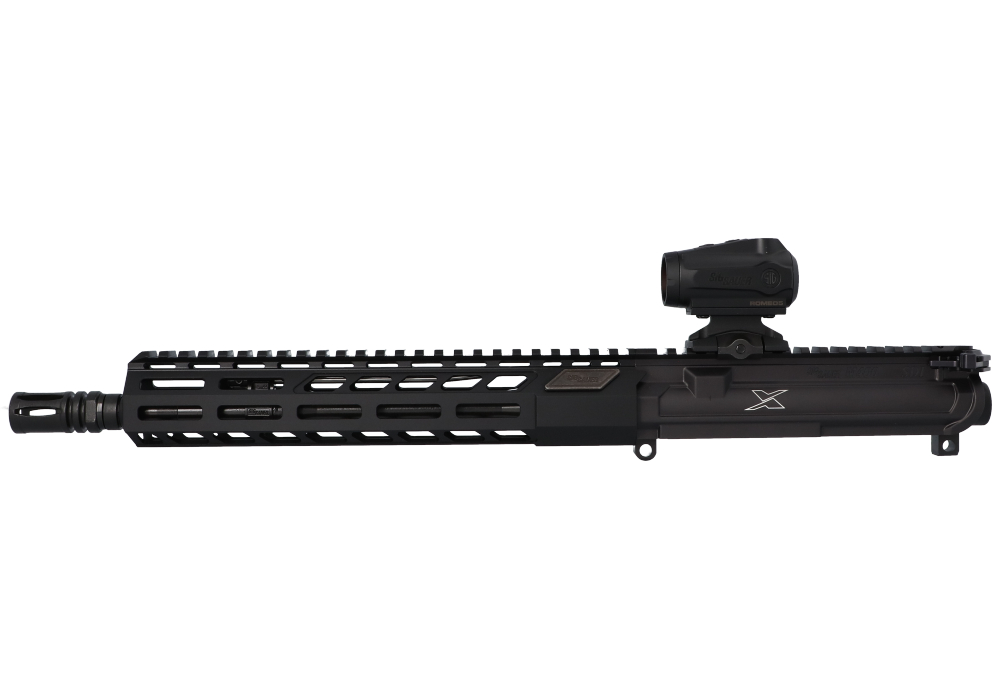
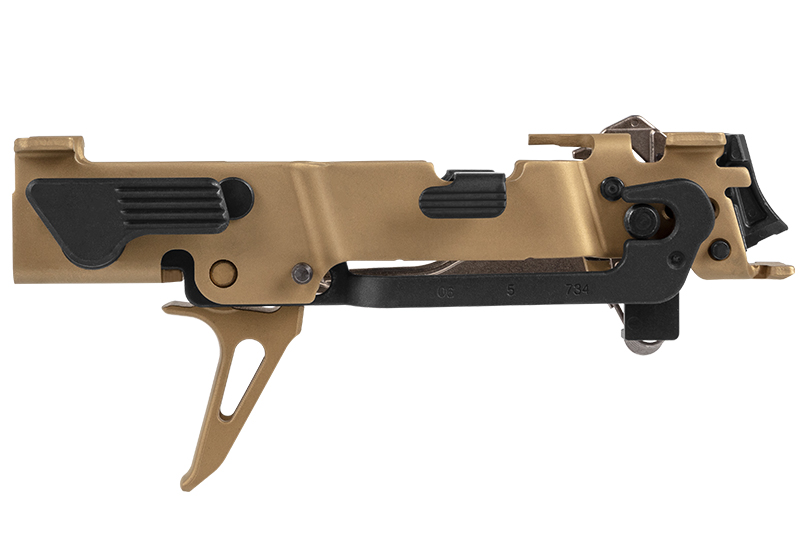
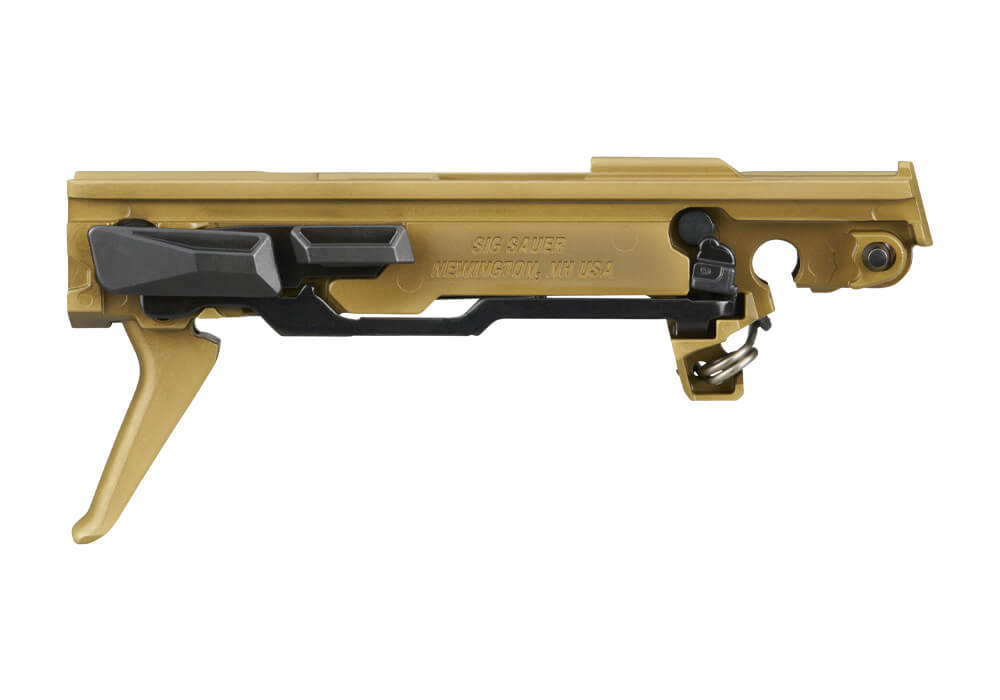
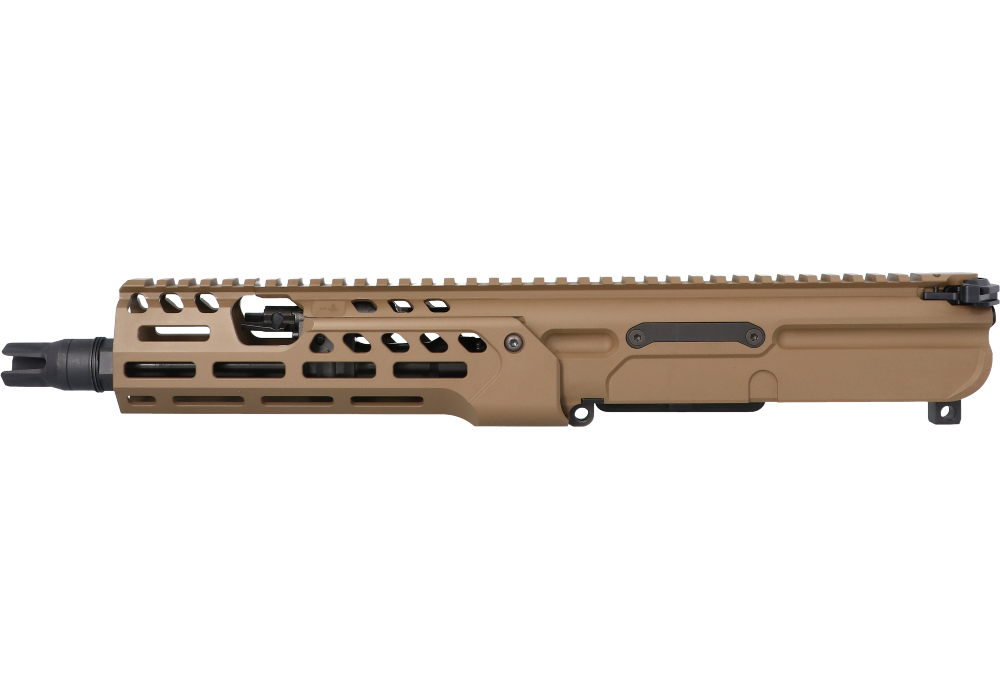
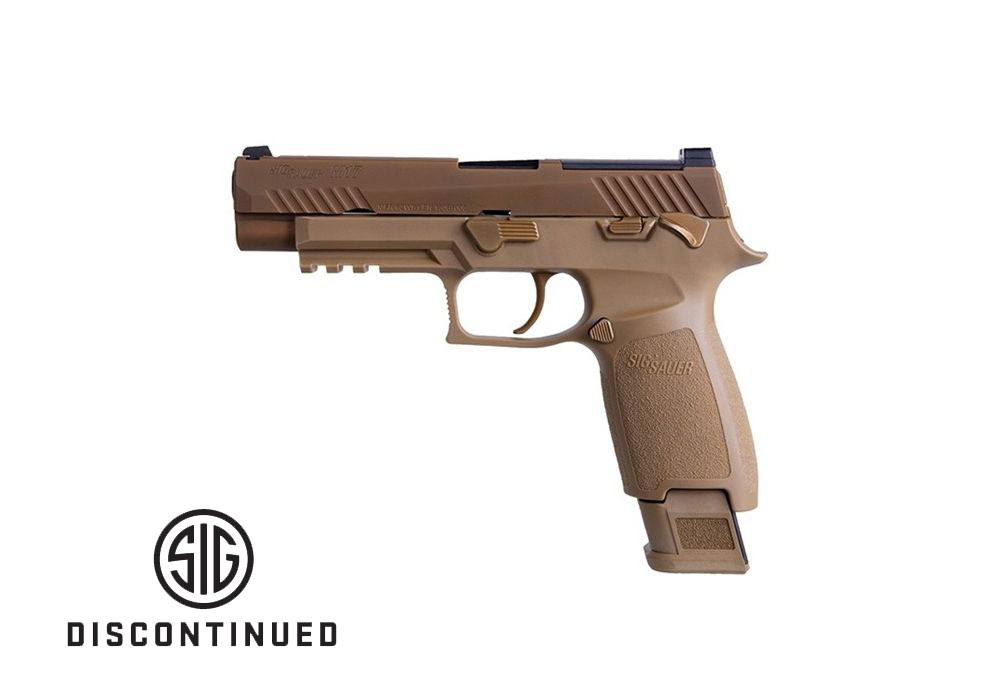
Firearm receivers form the structural center of a firearm, supporting the action and providing attachment points for other components. Depending on the design, a receiver may house operating parts, support the trigger mechanism, connect to the barrel assembly, or perform several of these roles together. Its exact function varies by platform, so the term does not describe one universal shape or configuration. Some firearms use a single receiver, while others divide these functions between upper and lower receivers. In many split-receiver rifle designs, the upper supports the barrel and bolt assembly, while the lower houses the trigger components and incorporates the magazine well. Handguns may use a frame or an internal chassis to fulfill comparable structural roles, although those terms are not interchangeable across every design. These distinctions matter when comparing firearm receivers because a familiar appearance does not establish compatibility or legal classification. A receiver is also different from a grip module, handguard, or other exterior component that changes how a firearm feels without necessarily serving as its regulated structural core. Under federal law, the component legally classified as the frame or receiver is generally itself a firearm, even when it is not part of a complete, functional firearm. Not every component described commercially as a receiver has the same legal status. Transfers of regulated receivers through a federally licensed dealer generally involve required records and a background check, subject to applicable exceptions and additional state or local requirements. For shoppers, that means the product description and the transfer process both deserve attention. A receiver intended for replacement, professional service, or a lawful sporting application should be evaluated by its documented platform, configuration, and classification rather than by its name alone. Understanding those fundamentals helps distinguish a structural firearm component from the surrounding parts and gives the details in a listing useful context.
Materials and manufacturing methods influence a receiver’s weight, surface characteristics, and resistance to wear, but no single material is the best choice for every firearm design. Aluminum alloys are common in certain rifle receivers because they combine relatively low weight with structural strength appropriate to the platform. Steel appears in designs that call for its particular mechanical properties, while reinforced polymers and metal chassis systems serve different roles in some firearm frames. Forging, casting, and machining describe different production processes, not a simple ranking of quality. The material specification, engineering, dimensional consistency, protective treatment, and intended application all contribute to how a receiver performs over time. Anodized aluminum and coated or treated steel can offer protection against corrosion and surface wear, though no finish removes the need for routine care. A uniform exterior can be a useful sign of finish consistency, but cosmetic appearance alone cannot establish structural condition or serviceability. Fit deserves equal attention. Receivers that look similar may differ in dimensions, attachment interfaces, control arrangements, or generation-specific features. Compatibility should be explicitly documented for the exact firearm platform and relevant configuration; a shared caliber designation or a close visual match is not enough. Manufacturer specifications and a qualified gunsmith’s assessment are more reliable than assumptions based on photographs. For someone replacing a worn or damaged component, preserving the firearm’s intended configuration may be more important than a different finish or profile. For a frequent range participant, familiar control placement and compatibility with existing equipment may carry greater practical value than a small difference in weight. A hunter who carries equipment over long distances may weigh handling characteristics differently from a target shooter who spends most sessions at a bench. In each case, the receiver remains one part of a larger system. The broader Firearm Parts category provides context for related components, but each component still requires its own compatibility review. A receiver by itself does not guarantee accuracy, reliability, or a particular handling feel; those qualities depend on the complete firearm’s design, condition, ammunition suitability, and professional verification where needed.
Long-term care begins with recognizing that a receiver is a working structural component, not merely an exterior shell. Repeated use can leave residue around accessible surfaces, and handling can leave oils that affect exposed metal over time. Cleaning products and lubricants should be appropriate for the receiver’s material and finish and used according to the firearm manufacturer’s directions. Aggressive abrasives, incompatible solvents, and excessive lubricant can create problems rather than prevent them. Before cleaning or inspecting a firearm, ensure it is unloaded and follow the manufacturer’s safety procedures, keeping ammunition separate from the work area. Routine inspection should focus on visible condition without turning into an attempt to alter or repair the component. A crack, unusual deformation, unexpected movement, or a change in control function calls for evaluation by a qualified gunsmith before further use. Exterior scuffs and structural damage are not the same thing, but a photograph or a casual visual check cannot always distinguish them reliably. Professional service is especially important when the receiver’s history is uncertain or when a replacement is being considered after damage. Secure storage also protects both the component and the people around it. Keep firearms and regulated receivers inaccessible to unauthorized users, follow applicable storage laws, and retain relevant identification and purchase records separately in a secure place. These practical considerations apply whether the shopper is a recreational target shooter, a hunter maintaining familiar equipment, a collector concerned with correct configuration, or an owner arranging professional repair. Receiver purchases are highly personal because legal eligibility, platform compatibility, and intended use all affect suitability. As a gift, a receiver requires more planning than a general shooting accessory; the recipient’s needs and all applicable transfer requirements must be established before proceeding. For many owners, the most useful choice is not the most visually distinctive one, but the component with clearly documented specifications, an appropriate finish, and a verified role in the firearm they already understand. Careful selection and responsible maintenance help preserve that firearm’s intended fit and function throughout its service life.