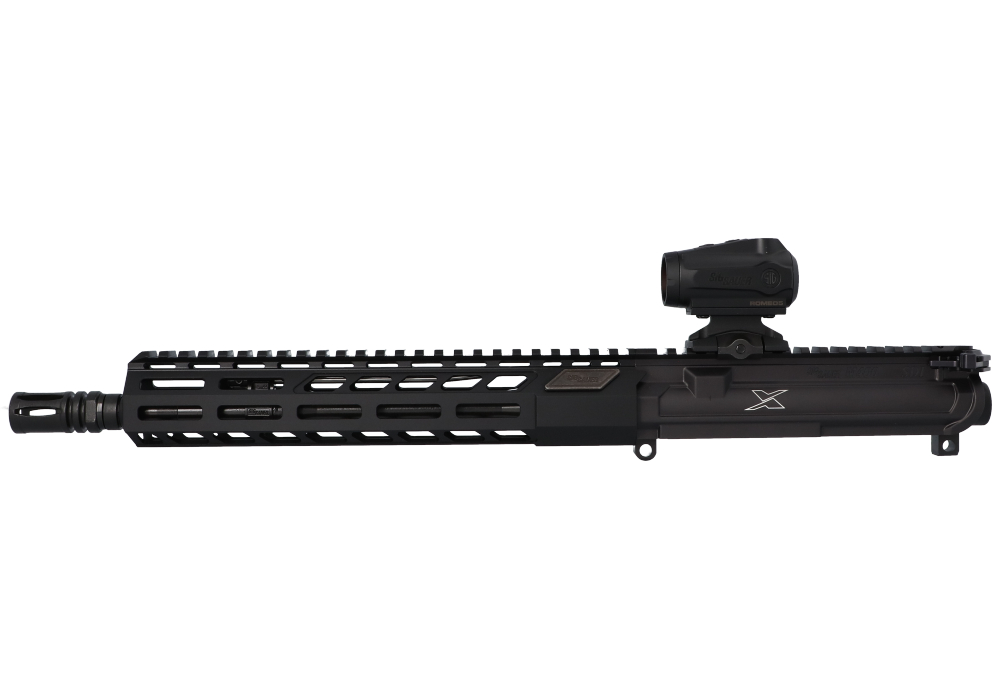
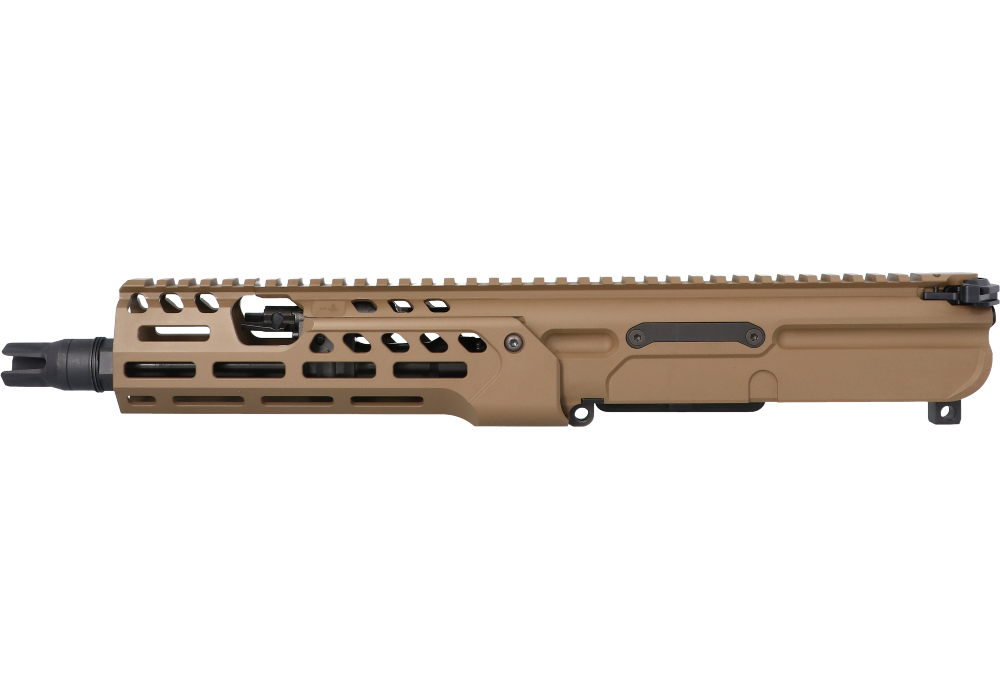
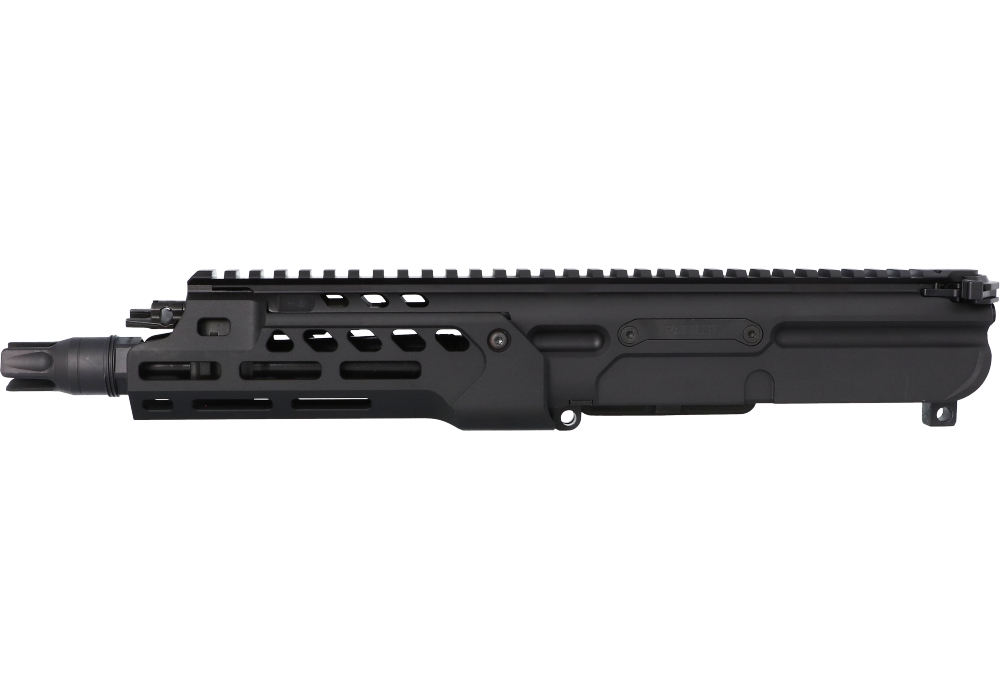
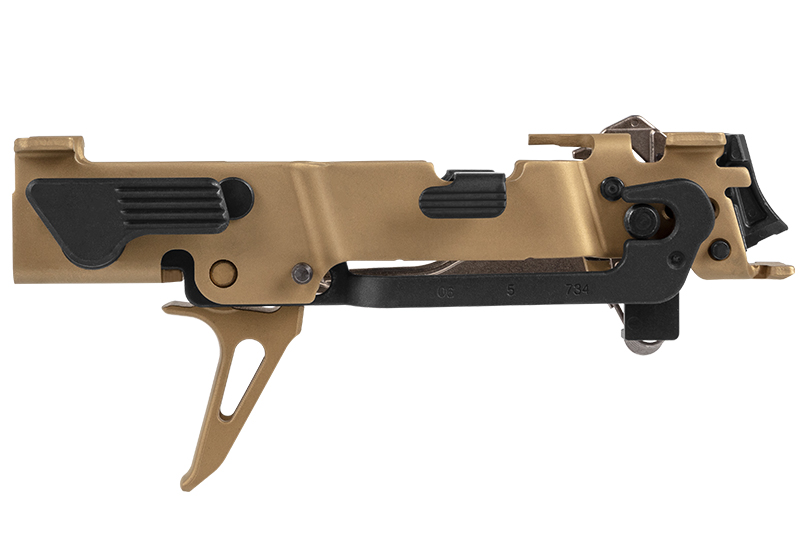
Rifle receivers form the central structural foundation of a rifle, connecting the major operating components and helping the firearm function as a coordinated system. Depending on the rifle pattern, a receiver may house or support the bolt, bolt carrier group, firing pin, trigger group, safety, magazine well, barrel, and associated operating parts. When browsing rifle receivers, it helps to first identify the receiver style and the rifle platform it is intended to support. In modern sporting rifle configurations, the upper receiver generally houses the bolt carrier group and interfaces with the barrel and handguard, while the lower receiver supports the fire control group, safety selector, magazine well, and stock or buttstock assembly. The lower receiver is also commonly treated as the serialized firearm component under U.S. federal law, making its purchase, transfer, recordkeeping, and shipment subject to applicable regulations. Other rifles use a one-piece action or receiver built around a specific footprint, with the receiver supporting the bolt, locking surfaces, barrel, trigger assembly, and optic mounting system. These actions are often identified by compatibility with short-action or long-action cartridges, which makes cartridge selection and receiver specifications important parts of the buying process. A receiver intended for a standard short-action cartridge will not necessarily accommodate a long-action cartridge, and parts that appear similar at a glance may differ in dimensions, attachment points, bolt travel, or magazine fit. Before selecting a rifle receiver, review the manufacturer’s specifications, confirm the intended cartridge and action length, and verify compatibility with every major component planned for the build or replacement project.
Material and construction also influence the way a rifle receiver performs in the field and at the range. Receivers may be machined or forged from aluminum alloys, steel, stainless steel, titanium, or other purpose-selected materials, while some configurations use reinforced polymer for specific applications. Aluminum receivers are valued for a balance of strength and manageable weight, while steel and stainless-steel actions can provide a substantial, rigid platform suited to demanding use. Machined billet receivers may feature carefully formed surfaces, integrated mounting provisions, or distinctive exterior contours, while forged receivers are shaped under pressure and then finished to meet precise dimensional requirements. The choice is not simply a matter of appearance: receiver rigidity, recoil-lug design, barrel attachment method, rail alignment, and the quality of the bolt-locking surfaces all contribute to the overall fit and function of the completed rifle. A receiver can serve as the starting point for a new build, a replacement for a worn or damaged component, or the foundation of a carefully planned configuration for target shooting, hunting, training, or general recreational use. Experienced builders often approach the receiver as they would the foundation of a house; every later decision, from barrel profile and trigger selection to stock fit and optic placement, depends on a sound and compatible base. Those looking for a more complete path may also explore Rifle Assemblies, while shoppers seeking a receiver alone can compare specifications more directly and select the remaining components individually. During the warmer months and into cooler outdoor seasons, a well-matched receiver can support a rifle that is easier to configure for bench work, field carry, competition practice, or time spent maintaining skills at the range.
Purchase considerations extend beyond material and action length. Confirm whether the receiver is sold as an upper, lower, complete action, or another configuration, and determine which parts are included. Some receivers may require a separate bolt, barrel, trigger group, magazine system, recoil assembly, stock, handguard, or optic rail. Compatibility should be checked by exact platform pattern rather than by general appearance or informal descriptions. Pay attention to barrel threads, takedown or pivot pin dimensions, magazine pattern, bolt-face requirements, ejection-port configuration, and the interface between the receiver and the stock or handguard. For precision-oriented applications, inspect details such as the receiver’s bedding surfaces, recoil-lug arrangement, action length, and provisions for mounting an optic securely. For a lightweight field rifle, overall weight and the location of mounting points may matter more, particularly when the rifle will be carried across uneven ground or transported between a vehicle, range bench, and hunting property. A receiver may also be a thoughtful gift for an experienced adult shooter, gunsmith, or builder who has already chosen a platform and understands the parts needed to complete it; however, it is best to confirm preferences before purchasing because small differences in pattern and fit can determine whether a receiver works with the intended components. Firearms and serialized receivers must be purchased, transferred, stored, and used in accordance with federal, state, and local laws, and purchasers should be prepared to complete any required checks or documentation through an authorized dealer. Safe handling remains essential throughout the process: keep the receiver and all associated components secured from unauthorized access, follow established storage practices, and have final assembly and function checks performed by a qualified professional when appropriate. With careful attention to specifications, receiver type, materials, intended use, and legal requirements, shoppers can select a dependable foundation for a rifle tailored to their needs and enjoy a more confident experience from the first inspection through regular range or field use.