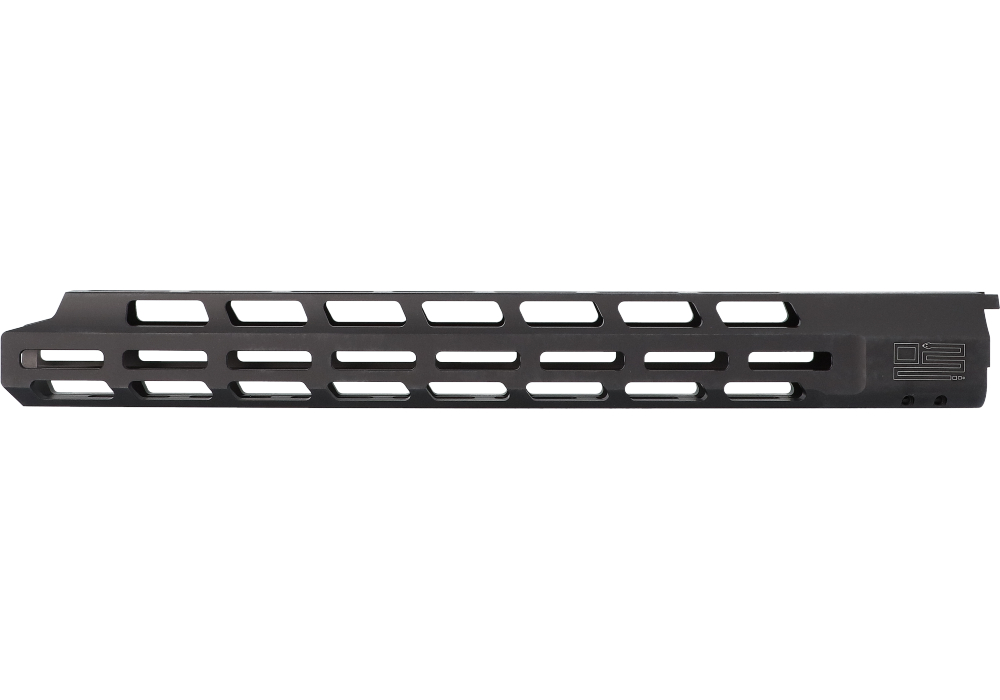
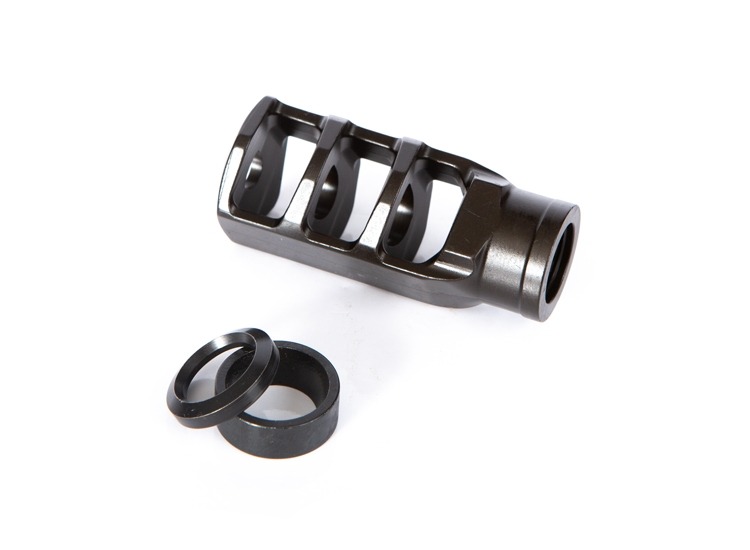
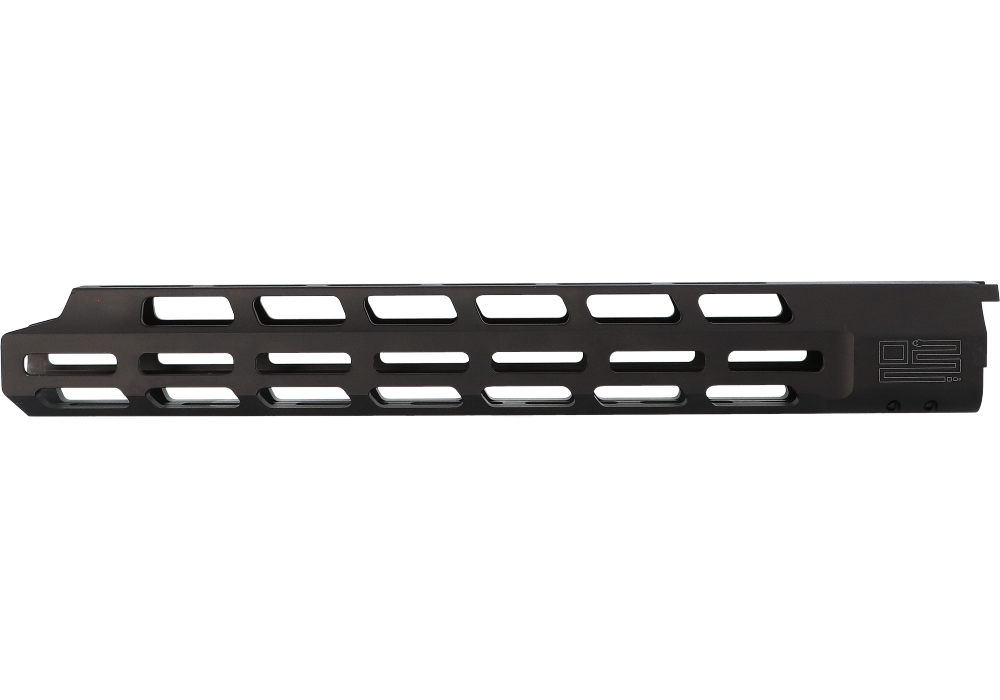
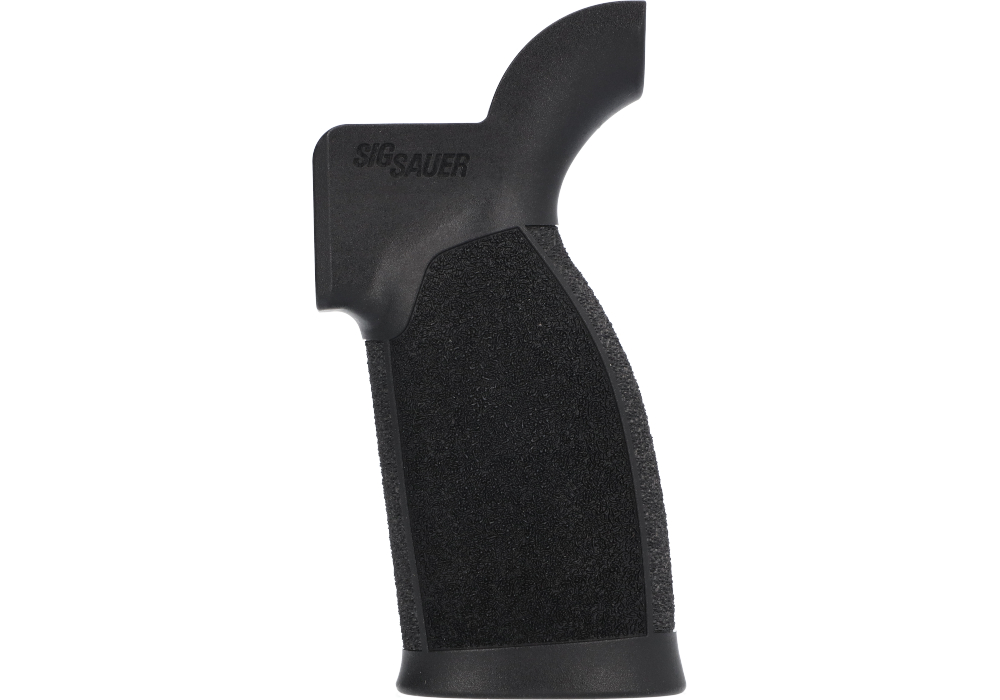
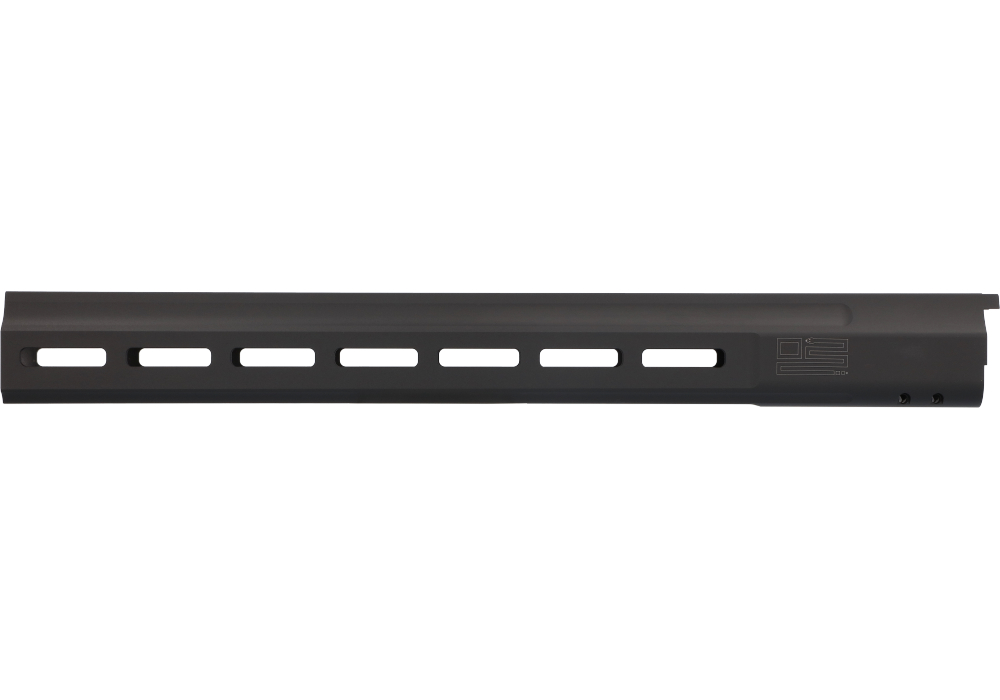
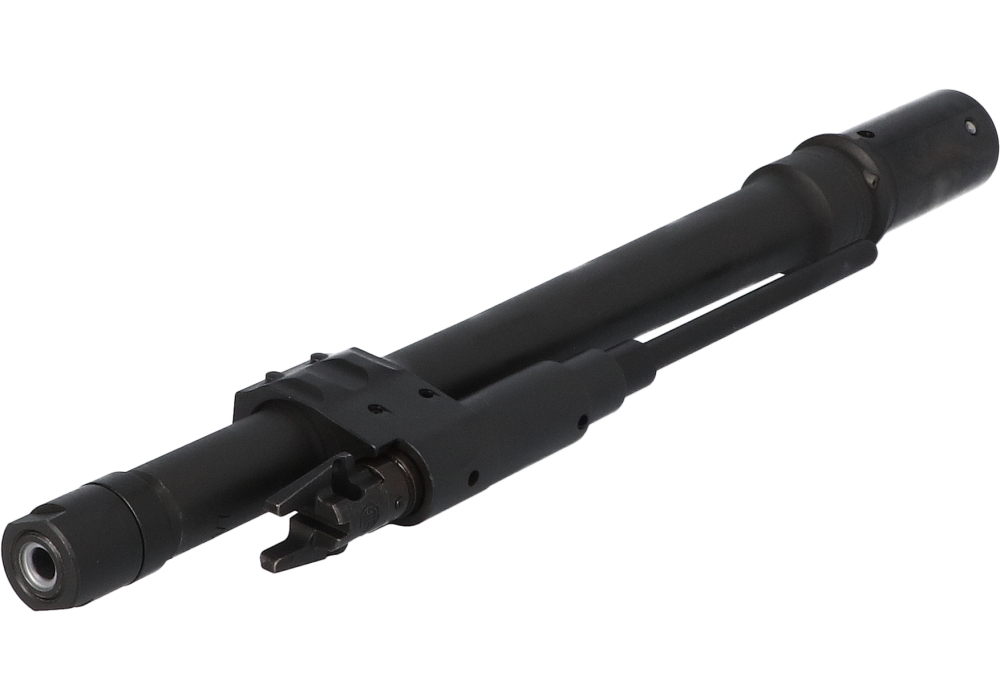
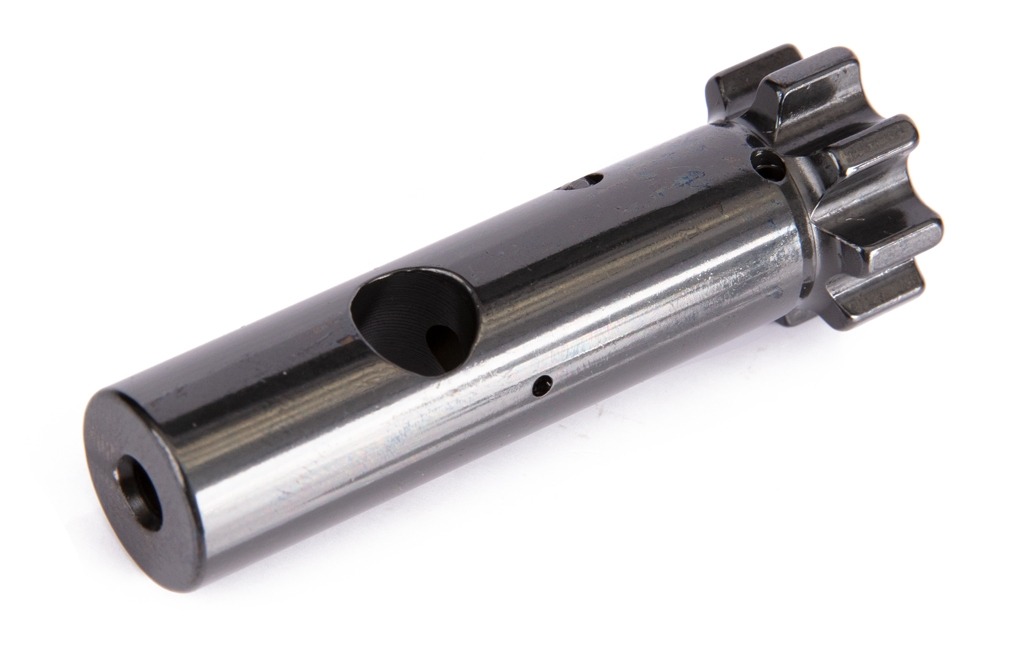
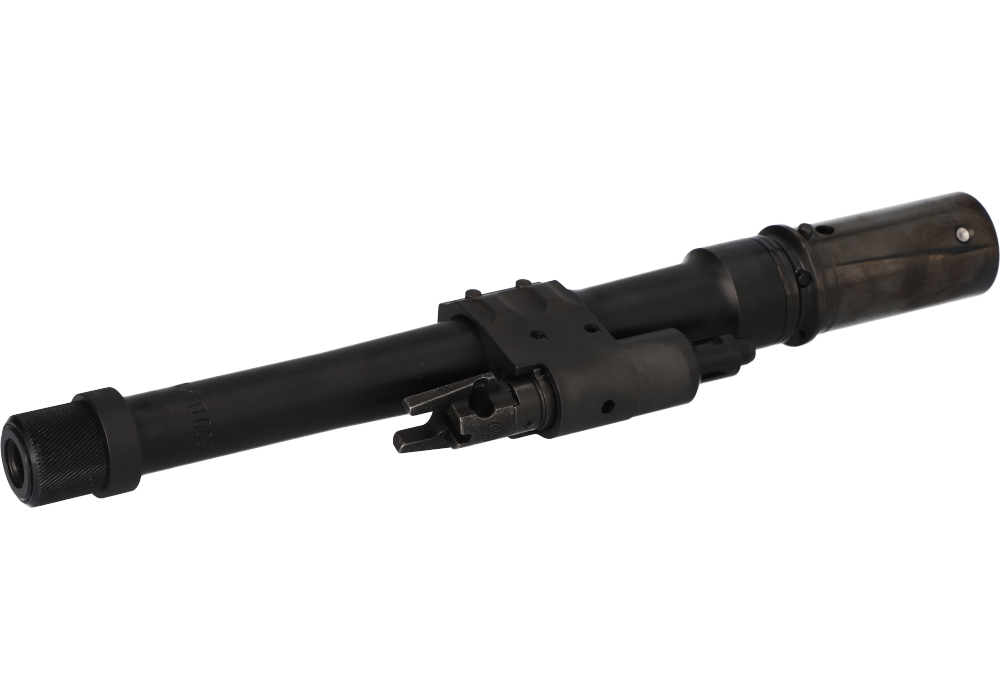
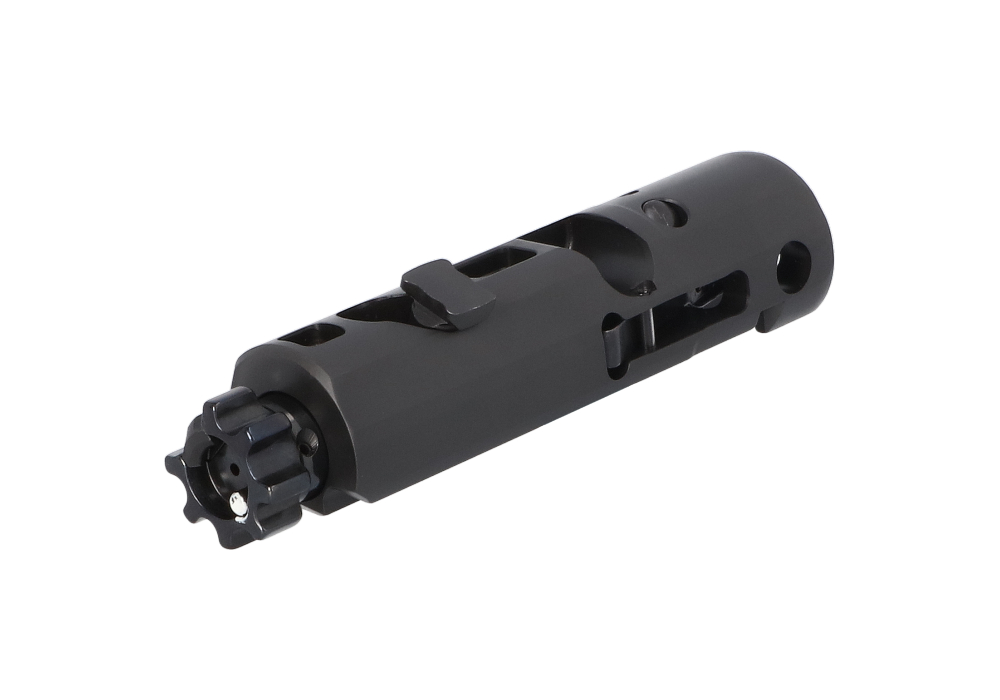
Rifle assemblies bring together the major components that define a rifle’s function, handling, and overall configuration. For shoppers comparing rifle assemblies, understanding the relationship between the upper and lower sections is a useful starting point. An upper receiver assembly commonly includes the barrel, handguard, gas system, bolt carrier group, and charging handle, while a lower receiver assembly generally houses the trigger group, safety selector, buffer and spring system, stock, and pistol grip. Together, these parts support the rifle’s core operating cycle, from chambering and firing to extracting and preparing the action for the next shot. Depending on the design, the barrel may be paired with a threaded muzzle for compatible devices, while the handguard can provide a stable gripping surface and mounting points for an optic, sling, light, or other purpose-selected accessory. When evaluating a complete assembly or a combination of compatible components, pay close attention to caliber, receiver pattern, barrel length, gas system specifications, handguard interface, and the intended use of the rifle. A configuration selected for range practice may prioritize balance and accessory flexibility, while a field-oriented setup may place greater emphasis on weather-resistant finishes, comfortable carry, and a practical sighting system. Product descriptions, technical specifications, and compatibility information should always be reviewed carefully before purchase, since components that appear similar may not function together without the correct dimensions or interface. Firearm laws and transfer requirements also vary by jurisdiction, and buyers should confirm all applicable rules before ordering or receiving any firearm-related component.
Rifle assemblies can be useful for experienced enthusiasts refining a familiar platform, recreational shooters setting up a dependable range rifle, hunters selecting a configuration suited to their equipment, and responsible owners replacing worn or outdated components through appropriate professional channels. They may also serve as a thoughtful gift for a knowledgeable firearm enthusiast, particularly when the recipient has already identified a preferred caliber, receiver pattern, stock style, or accessory layout. For a gift, it is often more practical to choose a component or assembly from a clearly defined specification rather than guessing at a complete configuration; a gift card, range conversation, or written list of preferred features can help ensure the final selection fits the recipient’s rifle and intended use. Small parts deserve the same level of attention as the larger assemblies. Retaining hardware, takedown components, and other interface pieces help keep major sections properly aligned and secured, and shoppers looking for related options can review Rifle Pin Assemblies as part of a broader parts search. Before purchasing, consider how the rifle will be carried, stored, and used during changing conditions. A comfortable stock and grip can make a noticeable difference during a long day at the range or in the field, while a handguard with an appropriate mounting system can help keep accessories organized without creating unnecessary weight. Optics should match the rifle’s expected distance and application, and sling attachment points should be positioned for secure, controlled handling. Standard or extended capacity magazines should be selected only when compatible with the rifle and lawful where the firearm will be possessed or used.
A well-chosen rifle assembly should feel coherent rather than pieced together: the controls should be accessible, the balance should suit the shooter, and the components should support a consistent maintenance routine. Finish, material, and construction details matter as well. Barrels influence handling and performance characteristics, handguards affect heat management and grip comfort, and the bolt carrier group must be matched to the operating system and cartridge for reliable function. The buffer, spring, and stock work together at the rear of the rifle, helping manage movement and providing a stable contact point against the shoulder. These considerations are especially valuable when preparing equipment for extended range sessions, outdoor training, or hunting during the cooler months, when gloves, layered clothing, and changing weather can affect how a rifle is carried and operated. After purchase, any assembly, modification, inspection, or repair should be completed according to the manufacturer’s specifications and, when appropriate, by a qualified gunsmith or other properly trained professional. New owners should seek hands-on instruction from a certified firearms instructor and follow the fundamental rules of safe firearm handling: treat every firearm as loaded, keep the muzzle pointed in a safe direction, keep the finger outside the trigger guard until ready to fire, and be certain of the target and what lies beyond it. Secure storage, controlled transport, and proper cleaning are equally important. With careful attention to compatibility, fit, intended use, and local requirements, rifle assemblies can provide a practical foundation for a dependable, personalized firearm setup that remains comfortable and manageable across a wide range of shooting activities.