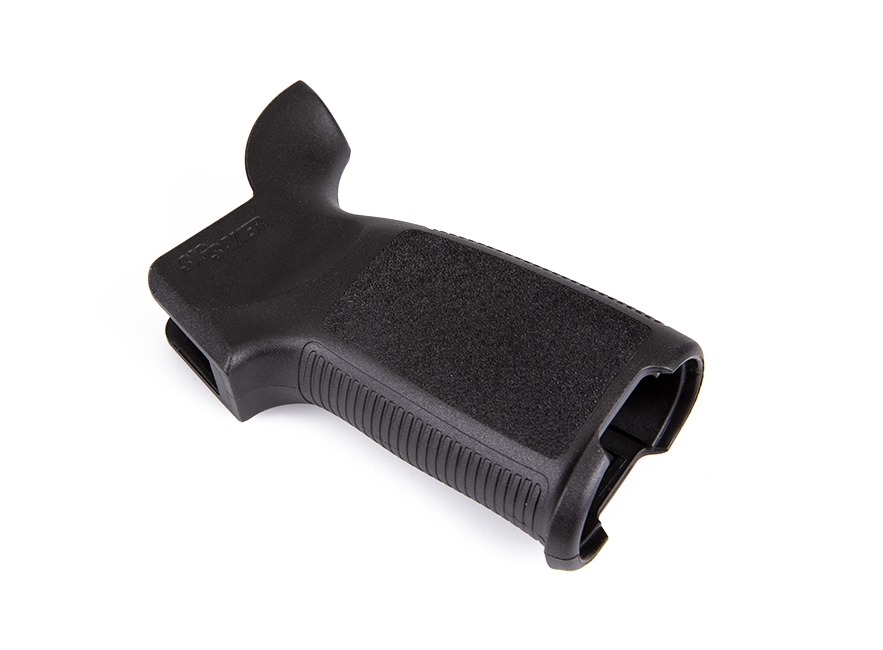
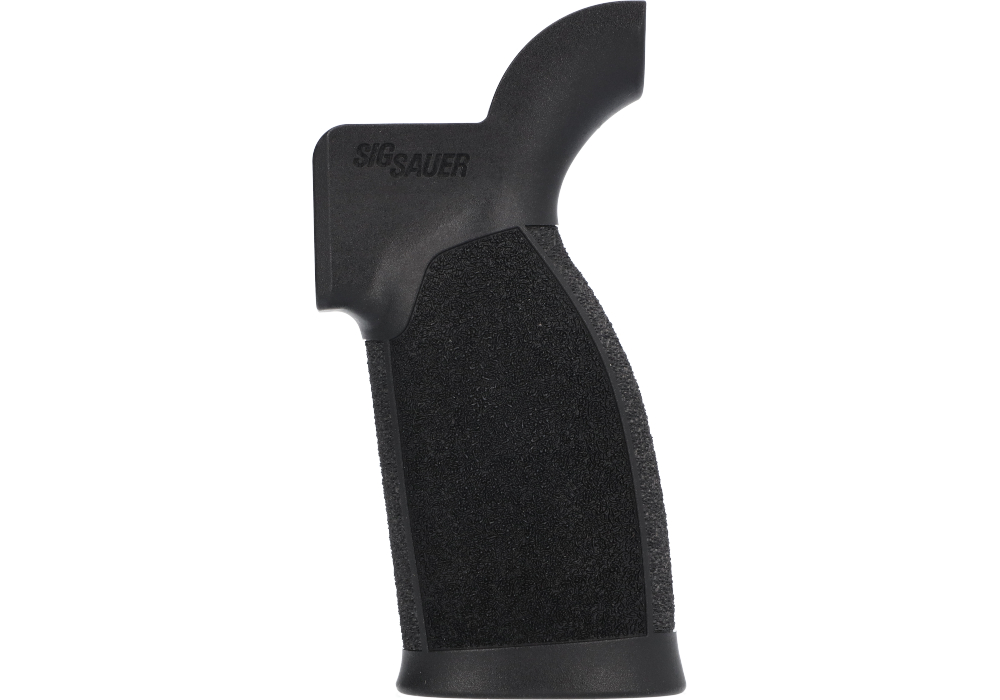
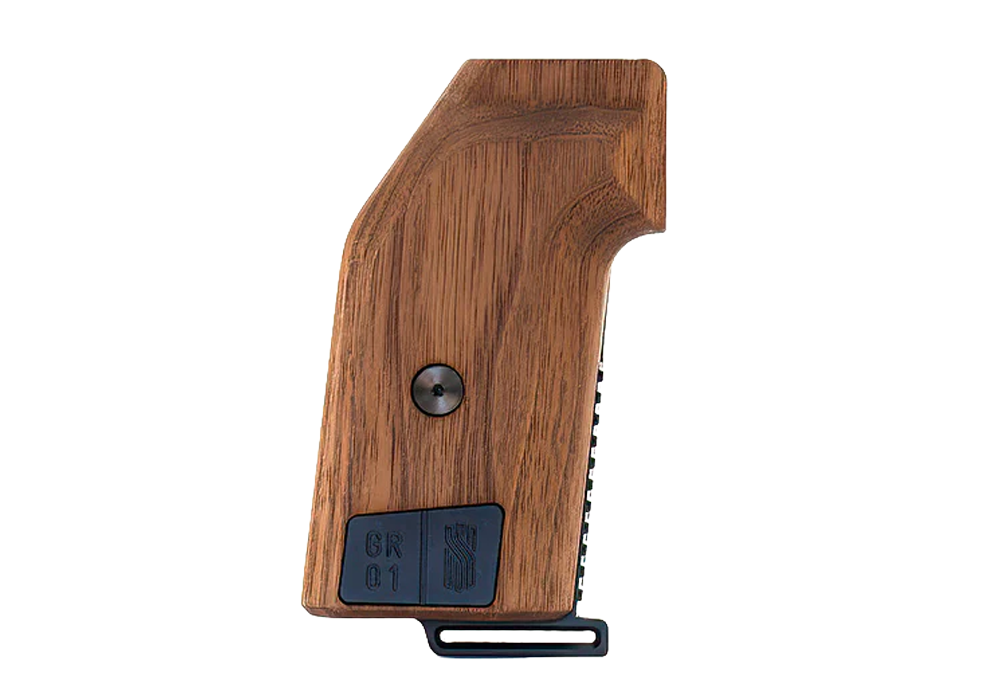
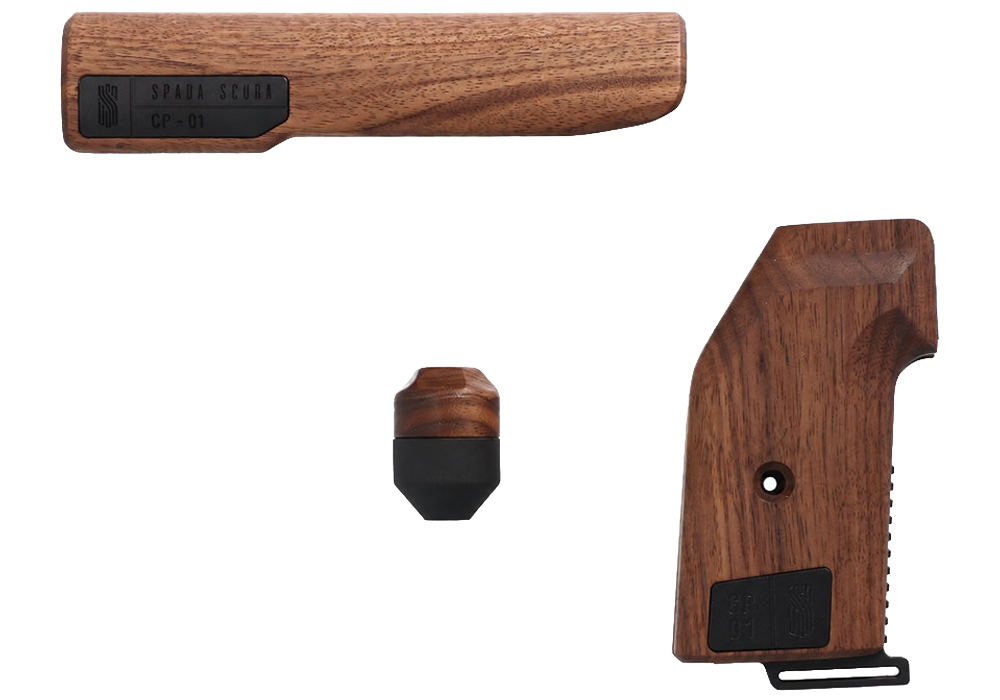
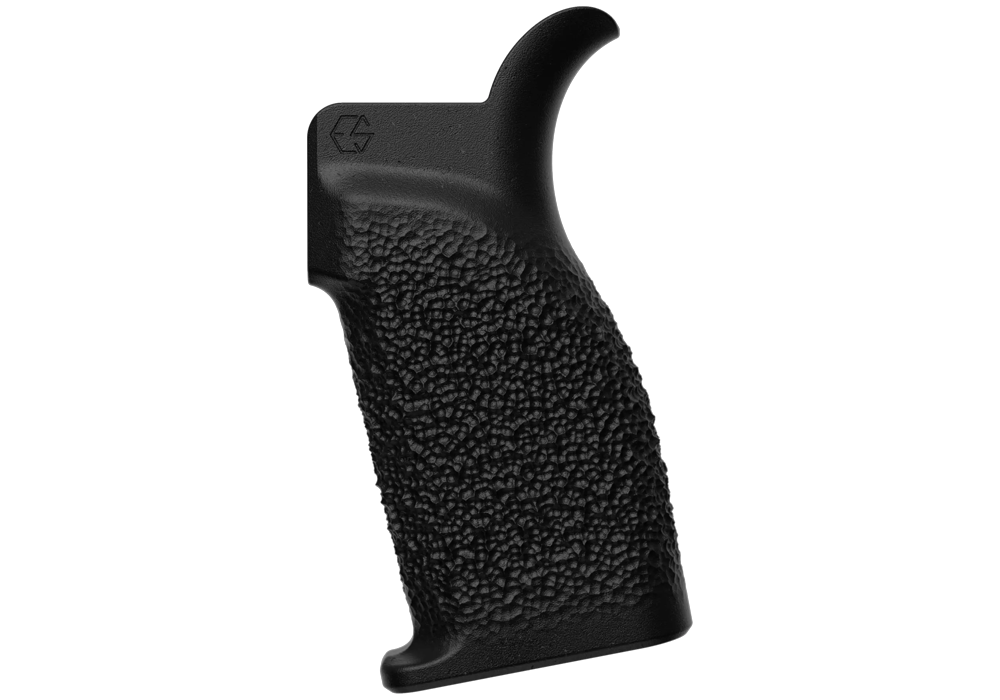
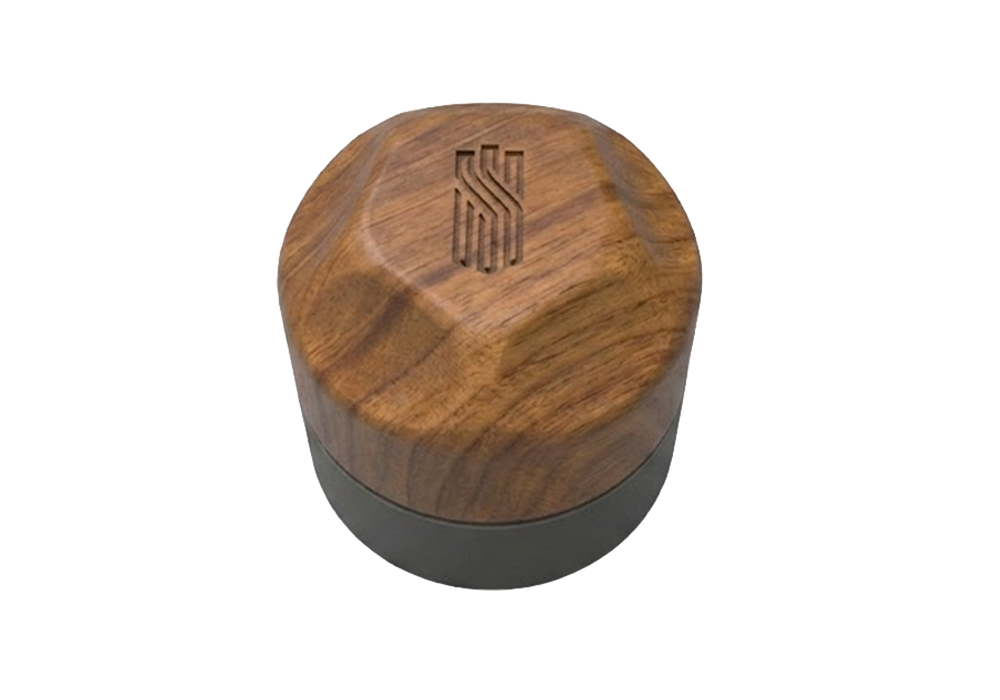
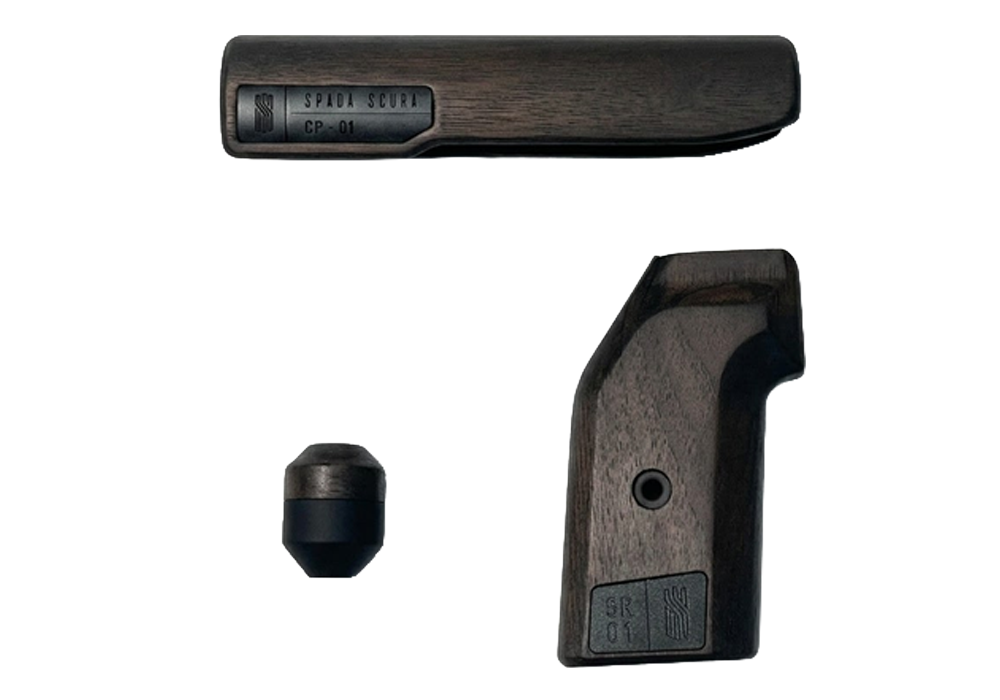
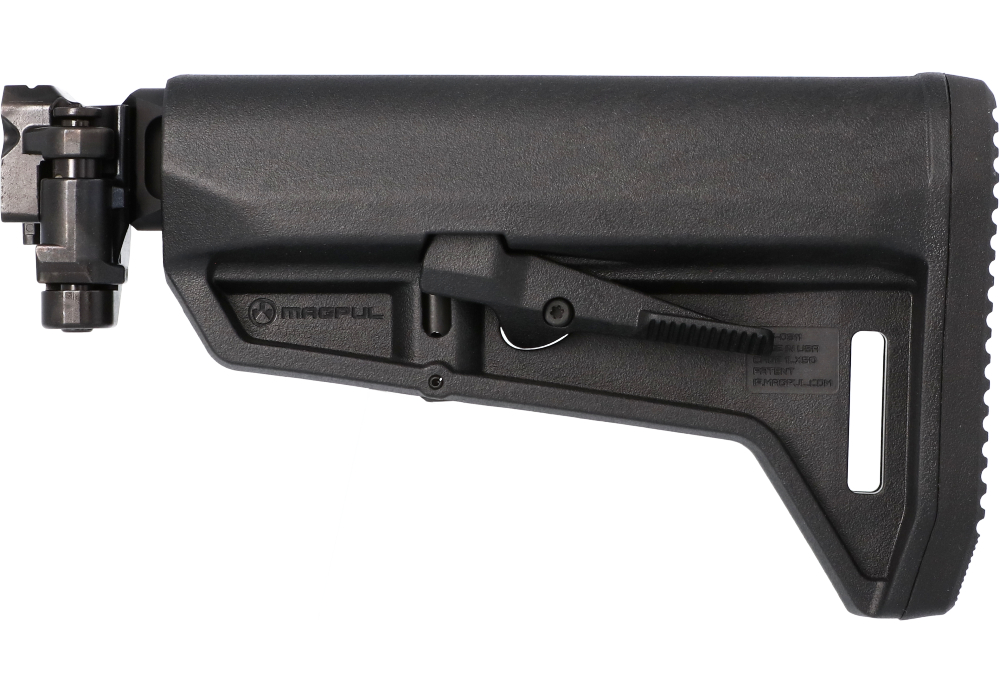
Rifle handle assemblies are practical components that influence how a rifle feels in the hand, how easily it can be manipulated, and how confidently it can be handled during range sessions, training, maintenance, or field use. The term commonly covers several related parts, including charging or cocking handles, pistol grips, vertical or angled foregrips, and compact handstops mounted forward of the receiver. Each serves a different purpose. A charging handle is used to cycle the action, chamber a round, verify the condition of the firearm, and clear certain stoppages according to the rifle’s operating instructions. A pistol grip supports the firing hand and helps establish a consistent relationship between the hand, trigger, and stock. Foregrips and handstops give the support hand a repeatable contact point, helping the shooter manage the rifle without relying solely on the magazine well or a smooth handguard. When replacing a worn component or refining an established setup, compatibility should be the first consideration. Confirm the rifle pattern, receiver configuration, mounting interface, and the manufacturer’s specifications before ordering. Charging handles are not universally interchangeable, and even parts that appear similar may differ in latch design, dimensions, travel, or installation requirements. Forward-mounted accessories also depend on the handguard’s attachment system, such as M-LOK, Picatinny, or another compatible rail standard. A careful fit protects the firearm and prevents an accessory from shifting during use. It is also wise to inspect the condition of related hardware, including mounting screws, locking surfaces, springs, and contact points, especially when replacing an assembly after extended use.
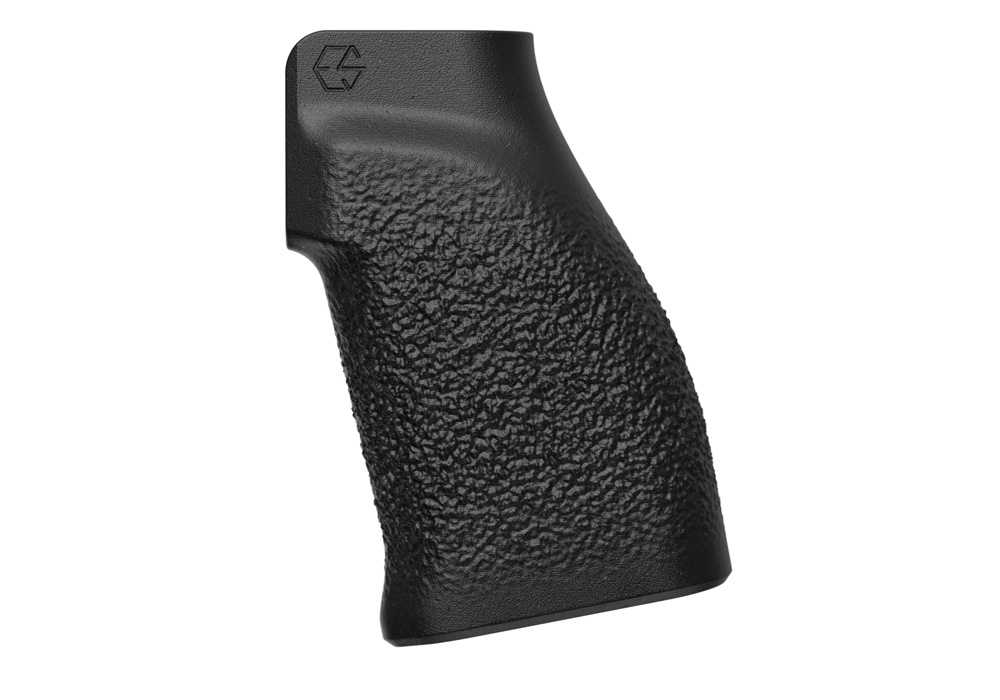
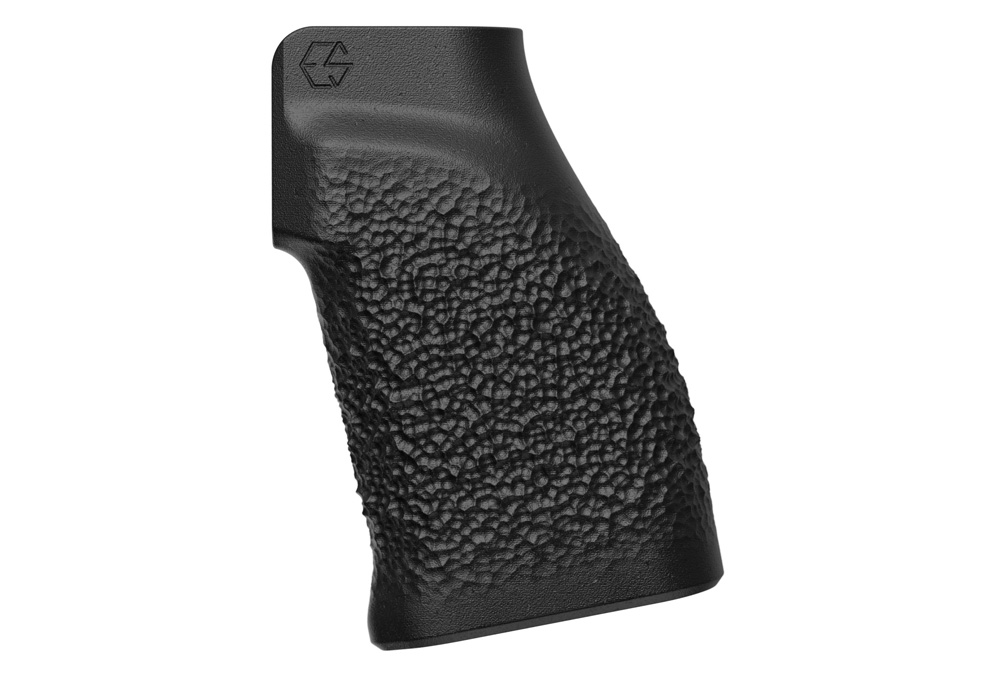
Ergonomics are just as important as compatibility. A handle assembly should support a natural, repeatable grip rather than forcing the wrist, fingers, or shoulder into an awkward position. Reduced-angle pistol grips can place the wrist in a straighter alignment for shooters who find a more traditional angle uncomfortable, while textured polymer, rubberized, or stippled surfaces can provide a steadier purchase when hands are wet, gloved, or tired. Charging handles with broader latches or ambidextrous controls may be easier to manipulate from either side of the rifle and can be particularly useful when a magnified optic, a large rear sight, or other receiver-mounted equipment limits access. The amount of leverage, the shape of the latch, and the clearance around the optic all deserve attention. A compact handstop may suit a shooter who prefers a thumb-forward grip and a low-profile setup, while an angled or vertical foregrip may offer a more substantial reference point for those who want additional support-hand control. Neither style is automatically better; the right choice depends on hand size, shooting posture, rail space, optic placement, gloves, and the way the rifle is used. Someone who spends long afternoons on the range may value a comfortable grip texture and reduced hand fatigue, while a hunter or recreational shooter may prioritize a streamlined profile that does not catch on clothing or equipment. During the cooler months, gloves can change the way a handle feels, making surface texture, latch size, and clearance more noticeable. As weather warms and range sessions become longer, ventilation, comfort, and resistance to slipping may matter more. For a thoughtful gift, a replacement grip, charging handle, or handstop can be a useful choice for an experienced rifle owner when the recipient’s firearm platform and mounting standard are known. If those details are uncertain, a gift card or a conversation about the intended setup is safer than guessing at fitment. Shoppers comparing factory-style components can also review Factory Rifle Charging Handle Assemblies for options designed around compatible rifle configurations.
Selection should also account for durability, maintenance, and the conditions in which the rifle will be stored and used. A component exposed to repeated charging cycles, abrasive dust, moisture, or hard contact with gear should have secure attachment points and a finish suited to regular handling. Smooth surfaces may be easy to clean, while aggressive texturing can improve purchase but collect more debris or feel uncomfortable during extended sessions. Consider whether the assembly can be installed with the tools already available and whether the rifle’s owner is comfortable performing the work. Before any inspection, installation, or adjustment, remove all ammunition from the work area, unload the firearm, and verify the chamber and magazine well are clear while following the owner’s manual and applicable safety procedures. After installation, confirm that the handle moves as intended, that fasteners are properly secured, and that the accessory does not interfere with the trigger, safety selector, bolt carrier, optic, sling, or other controls. A function check should be performed only in accordance with the firearm manufacturer’s instructions, with the rifle pointed in a safe direction and no ammunition present unless a qualified professional directs otherwise. Replacement parts can restore a worn rifle, improve comfort for a new shooter, or help an established setup feel more consistent from one session to the next. Whether the goal is a more accessible charging handle, a steadier support-hand reference, or a grip that better suits the shooter’s wrist and hand position, rifle handle assemblies offer a straightforward way to tailor handling characteristics without changing the rifle’s overall role. Careful attention to platform compatibility, mounting method, dimensions, materials, and personal comfort helps ensure the selected assembly is useful, secure, and well matched to the firearm.