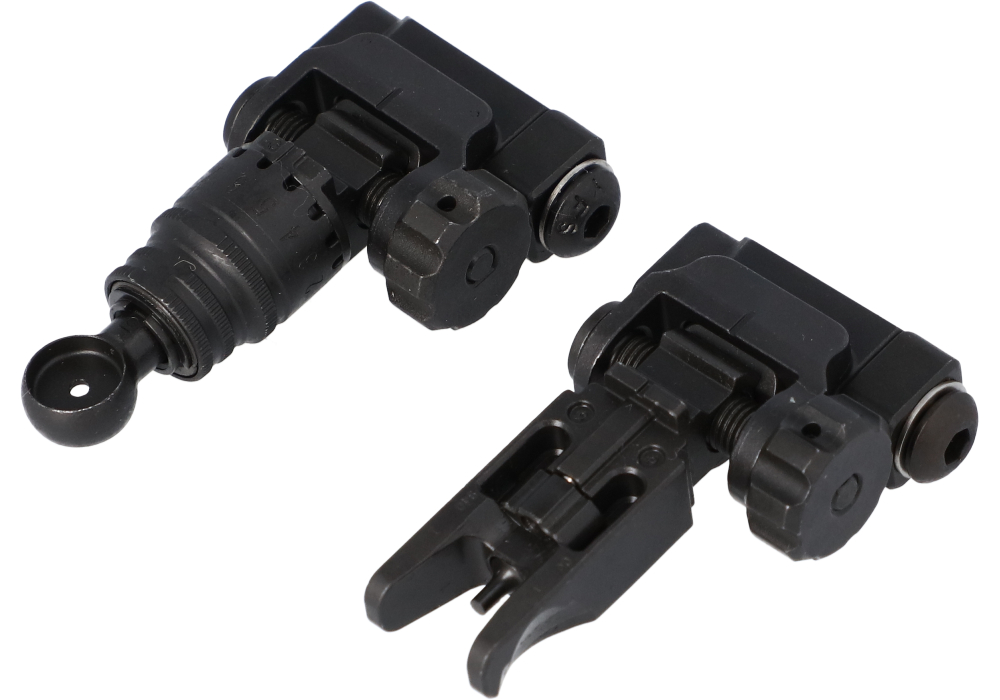
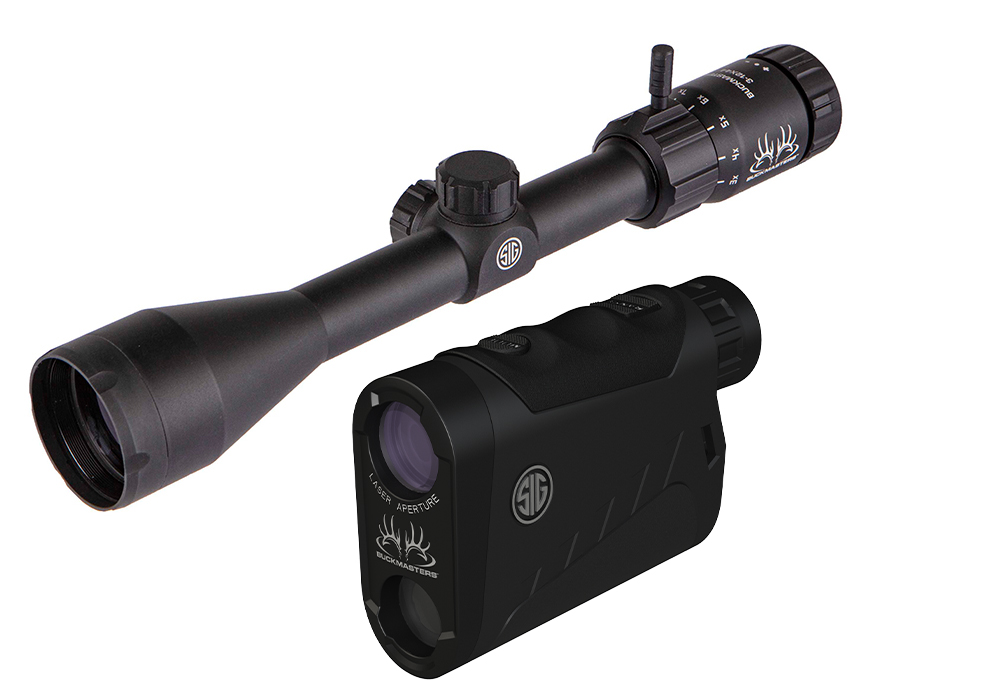
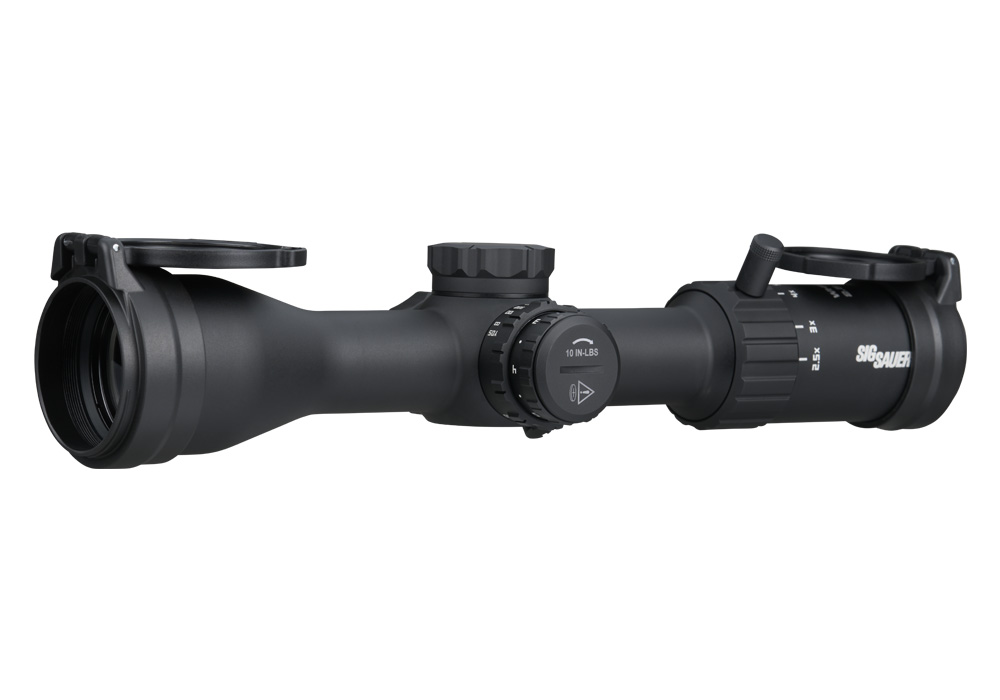
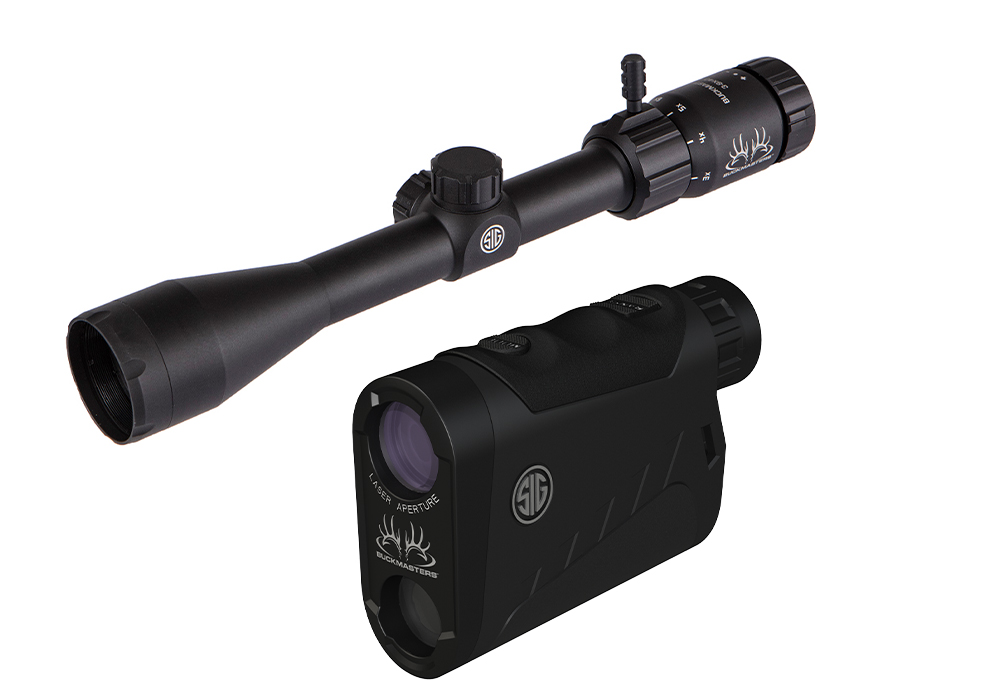
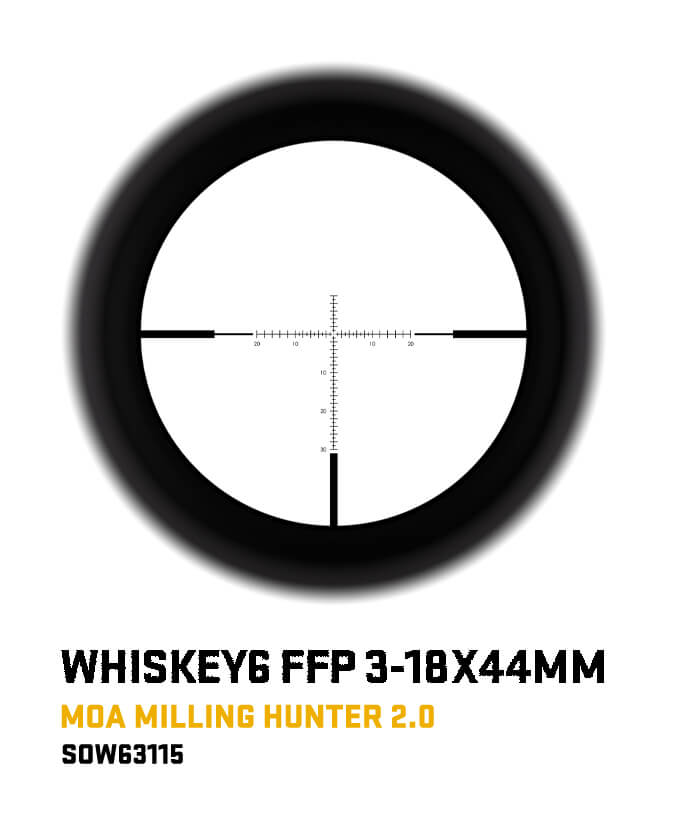
Hunting sights provide an aiming reference that helps hunters align a bow or firearm with an intended point of impact. The right configuration depends on the equipment, the distances involved, and how clearly the hunter can see both the aiming reference and the target. Bow hunting sights generally fall into three broad groups: fixed multi-pin sights, adjustable single-pin sights, and hybrid or electronic systems. Fixed multi-pin designs provide separate references for established distances; single-pin sliders use an adjustable aiming reference; hybrid designs combine features, while electronic systems may incorporate ranging functions. These archery configurations are distinct from firearm sights, which include open sights, aperture sights, nonmagnifying reflex sights, and magnified hunting optics. They are not interchangeable, even when they serve the same basic purpose. For firearm hunters, a useful starting point is the balance between a clear view of the surroundings and enough target detail for the intended distance. A nonmagnifying sight can offer an uncluttered view when hunting in timber or other settings with shorter sight lines. A magnified optic can help reveal finer detail across an open field, although excessive magnification may narrow the visible area and make it harder to locate an animal through the optic. Open and aperture sights offer alternatives for compatible firearms, particularly for hunters who prefer a straightforward sight picture without an illuminated aiming point. Across these categories, repeatable alignment matters more than an impressive feature list. A sight that fits the hunter’s normal shooting position and presents a clearly defined aiming reference is more useful than one that requires constant changes in head position. Familiarity also matters: the same equipment used for practice should feel predictable when a hunting opportunity develops. No sight replaces positive target identification, awareness of what lies beyond the target, or the judgment to pass on a shot outside the hunter’s practiced limits.
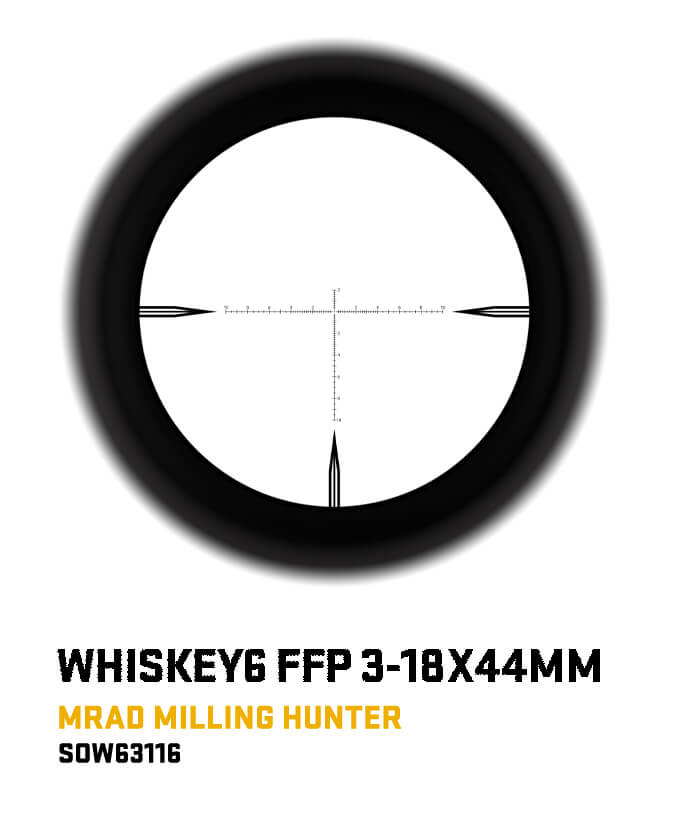
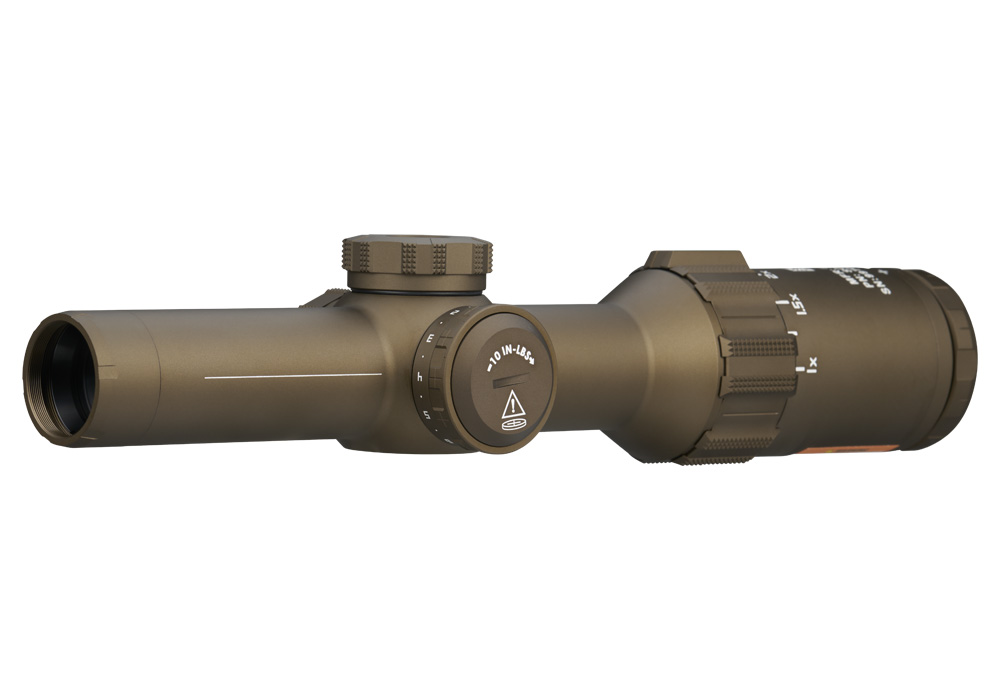
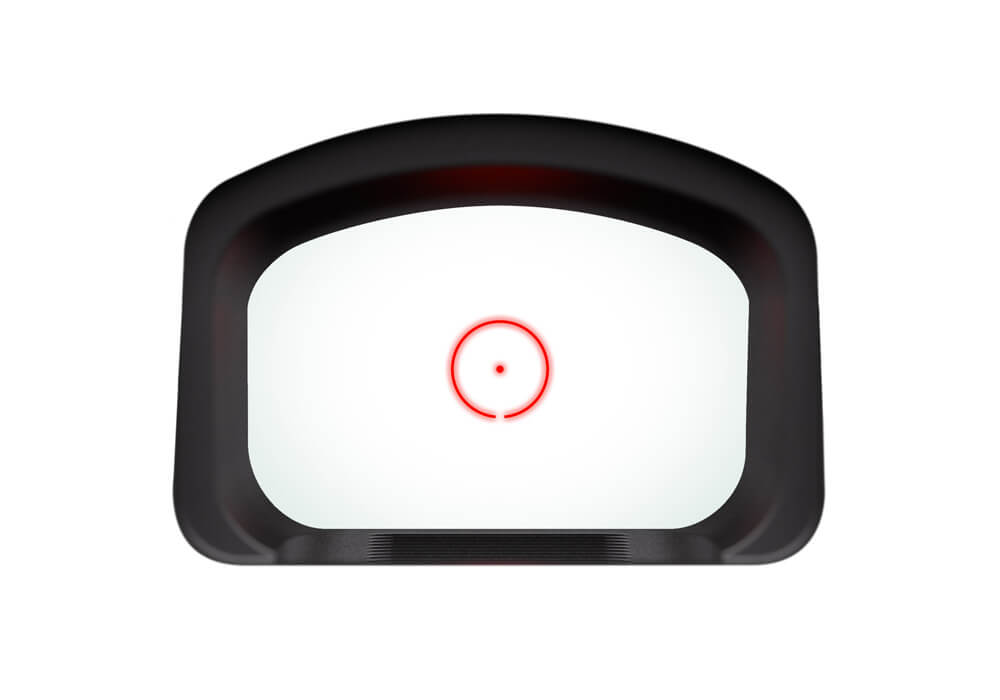
Fit begins with the relationship between the sight, its mounting system, and the firearm or bow. Mounting footprints, rail interfaces, ring dimensions, attachment hardware, and clearance requirements vary, so compatibility deserves close attention before choosing a configuration. For a magnified optic, eye relief—the distance between the eye and the rear lens—must suit the firearm and its recoil. Mounting height also affects whether the hunter can maintain a comfortable cheek position while seeing a complete image. With a reflex sight, the window shape, control placement, and relationship to existing sights can influence how naturally the aiming point comes into view. On a bow, mounting position, adjustment range, pin visibility, and clearance around the sight housing are separate considerations. Materials and construction affect how well any of these systems tolerate regular field use. Aluminum housings can balance strength with manageable weight, while steel components may provide durability at mounting and adjustment points. Protective finishes, sealed assemblies, and lens coatings can contribute to resistance against abrasion, dust, and moisture, but their performance depends on the individual design. Adjustment controls should be readable and deliberate, with a practical way to retain the intended setting. For illuminated sights, useful considerations include brightness range, control accessibility, battery type, and any automatic operating features. An aiming point that is too bright can obscure fine detail, while one that is difficult to distinguish can distract from an otherwise clear view. Color preference is personal rather than universal; some hunters find green easier to distinguish against particular backgrounds, while others prefer red. Hunters considering that option can explore Hunting Green Dot Sights with attention to reticle visibility, mounting compatibility, and the intended use. Dot size and reticle shape also deserve consideration: a larger aiming reference may be easy to locate, but it can cover more of a distant target. The goal is a visible, well-defined reference that complements the hunter’s vision without overwhelming the sight picture.
Care and familiarity help preserve the usefulness of hunting sights over time. Optical surfaces benefit from gentle handling: loose grit should be removed before wiping, and lens-safe cleaning materials should be used according to the manufacturer’s directions. Household cleaners, rough fabric, and unnecessary pressure can harm coatings or leave residue that reduces clarity. Protective covers can limit contact with dust and other equipment during transport, while storage that prevents trapped moisture helps protect both optical and mechanical components. Mounts and fasteners warrant periodic inspection, particularly after travel or a noticeable impact. Any uncertainty about mounting security, alignment, or adjustments is a reason to consult the manufacturer’s documentation or a qualified professional before further use. Battery-powered sights also require a routine that accounts for battery condition, storage, and the operation of illumination controls. A fresh battery does not eliminate the need to confirm that the sight functions as expected. Range practice provides an opportunity to verify zero, become comfortable with the reticle, and understand how the setup behaves at the distances relevant to the hunt. Practicing from supported field positions can reveal a poor mounting height or awkward control placement that is less obvious at a bench. For newer hunters, a clear sight picture and manageable controls may be more valuable than numerous adjustments. Experienced hunters may prioritize a particular reticle, familiar handling, or compatibility with an established setup. Hunting sights can also be a thoughtful gift for someone building or refining hunting equipment, provided the recipient’s firearm or bow configuration, preferences, and intended use are known. Because fit is specific, confirming those details is more helpful than guessing from appearance alone. Applicable hunting regulations should also be checked, especially for electronic features and equipment used during restricted hunts. A well-matched sight supports deliberate aiming and consistent practice, while responsible field decisions remain with the hunter.