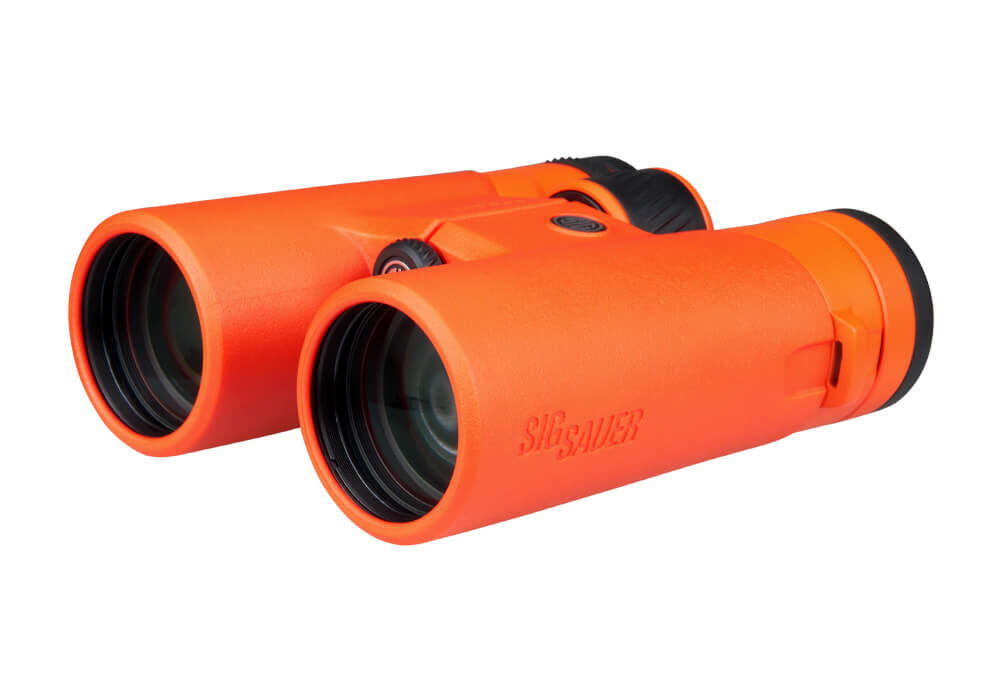
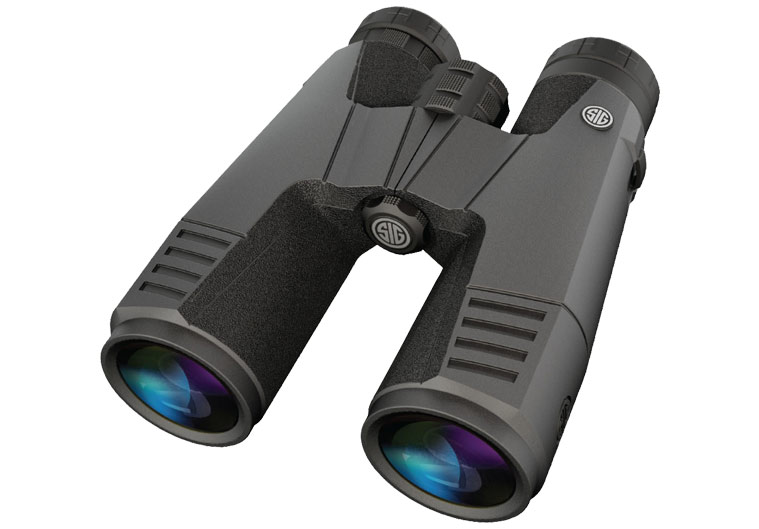
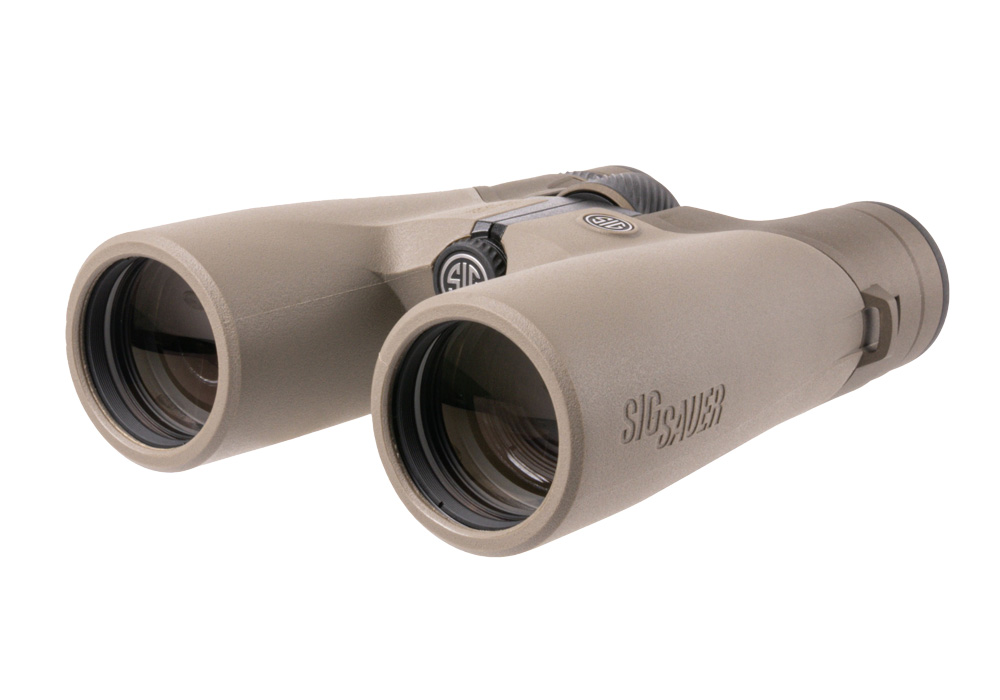
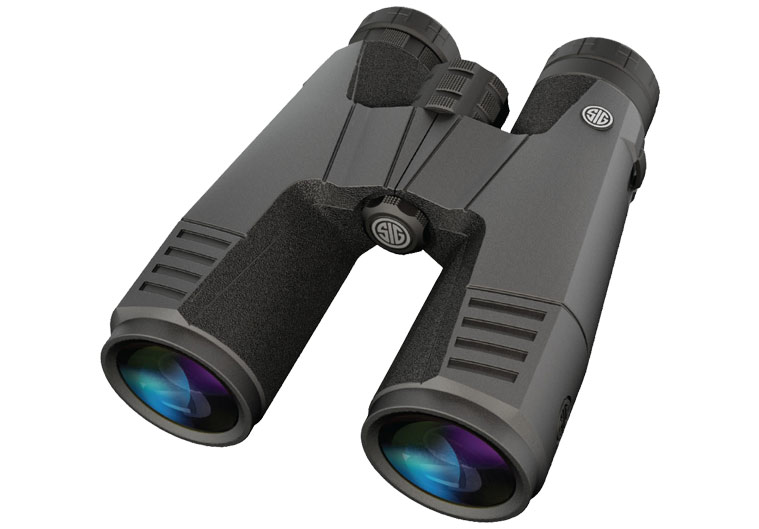
Low light binoculars are designed to make the most of limited ambient light during the hours when wildlife is often most active. They are useful at dawn, dusk, beneath heavy tree cover, and under overcast skies when ordinary compact binoculars may produce a dim or shadowed view. Hunters use them to scan field edges before legal shooting light, identify movement along a timberline, and watch a trail as the last daylight fades. Wildlife observers, birders, hikers, and outdoor enthusiasts also appreciate the extra brightness and contrast when animals are moving through dense habitat or when evening activity continues after sunset approaches. These binoculars do not create light or provide the same function as night vision or thermal equipment; instead, they gather and transmit more of the available light so the scene appears clearer and more usable to the eye. A typical low light configuration pairs moderate magnification with a larger objective lens, often in sizes such as 8x42, 10x50, or 8x56. The first number indicates magnification, while the second is the objective lens diameter in millimeters. Larger objective lenses collect more light, although they also add size and weight. An 8x56 configuration, for example, offers a 7mm exit pupil, calculated by dividing 56 by 8. An 8x42 binocular has a 5.25mm exit pupil, while a 10x50 model provides a 5mm exit pupil. In dim conditions, a larger exit pupil can make the view appear brighter and more forgiving, particularly when the observer’s eyes are fully adapted to darkness. Magnification also deserves careful consideration. Eight-power binoculars generally offer a wider field of view and steadier handling, which can be helpful when tracking moving animals or scanning uneven terrain. Ten-power binoculars reveal more detail at distance but may show more hand movement and require a steadier hold. For many users, the best choice balances light-gathering performance, reach, portability, and the amount of time the binoculars will be carried in the field. For additional options across a range of formats and uses, explore High Quality Binoculars.
Optical construction plays a major role in how well binoculars perform when the light begins to fall. Look for fully multi-coated lenses, which use multiple anti-reflective coatings on all air-to-glass surfaces to reduce internal reflections and improve light transmission. Quality prism coatings can also help preserve brightness, color fidelity, and contrast from the objective lenses to the eyepieces. Dielectric prism coatings are valued for their high reflectivity and efficient light transmission, while phase-corrected prisms can improve resolution and fine detail. Together, these features help separate a dark-bodied deer from a shaded background, reveal feather patterns on a bird perched beneath a canopy, or make the far side of a field easier to inspect as the sky turns gray. Glass quality matters as well, particularly when viewing toward a low sun or across a scene with strong contrast. Good low light binoculars should provide a clean image from edge to edge, controlled glare, and natural color without excessive haze. Focus design is another practical consideration. A smooth central focus wheel allows quick adjustments as the distance changes, while a right-eye diopter helps compensate for differences between the user’s eyes. Twist-up eyecups are useful for those who wear glasses, and generous eye relief can make it easier to see the entire field of view without pressing the eyepieces against the face. Weather resistance is especially important for equipment used during the cooler months, when mist, light rain, frost, and damp vegetation can turn a short observation into a demanding outing. Water-resistant or waterproof construction, nitrogen or argon purging, and fog-resistant internal sealing help protect the view from internal condensation. A rubber-armored exterior improves grip with cold or wet hands and provides additional protection when binoculars are set on a truck seat, carried through brush, or lifted quickly from a chest harness. Weight should not be overlooked: a larger objective lens may improve twilight performance, but a heavy optic can become tiring during a long glassing session. A neck strap, chest pack, or tripod adapter can improve comfort and stability, particularly for extended observation with larger configurations.
Low light binoculars make a thoughtful gift for a new hunter, an experienced outdoorsperson, a wildlife enthusiast, or anyone who enjoys spending quiet time outside before sunrise and after sunset. They can be especially useful for someone building a field kit and looking for one optic that works across hunting, wildlife viewing, nature observation, and general outdoor recreation. A parent or grandparent may use them to watch birds at the edge of a yard as evening settles in; a hunter may keep them close while waiting for movement in a shaded hardwood stand; and a traveler may use them to follow wildlife along an open ridge when the surrounding landscape is softened by fading light. When choosing a gift, consider the recipient’s typical environment, eyesight, and carrying habits. Someone who hikes long distances may prefer a lighter 8x42 format, while an observer who spends more time stationary may favor the added twilight performance of a 50mm or 56mm objective lens. Users who frequently scan open country may appreciate higher magnification, whereas those watching wooded trails may benefit from a wider field of view and easier handheld steadiness. A binocular harness or protective case can complement the optic without adding unnecessary bulk, and lens covers, a microfiber cloth, and a compact cleaning kit help maintain image quality in the field. During the transition from warmer days to cooler mornings and evenings, low light binoculars can remain useful across changing conditions, from misty fields and leaf-covered trails to frosted clearings and dim winter woods. Store them in a dry, protected place, avoid touching the objective lenses, and use proper optical-cleaning materials rather than household glass cleaner. With the right combination of objective size, magnification, exit pupil, coatings, ergonomic design, and weather resistance, low light binoculars provide a dependable way to see more detail in the moments when natural light is at its most limited.