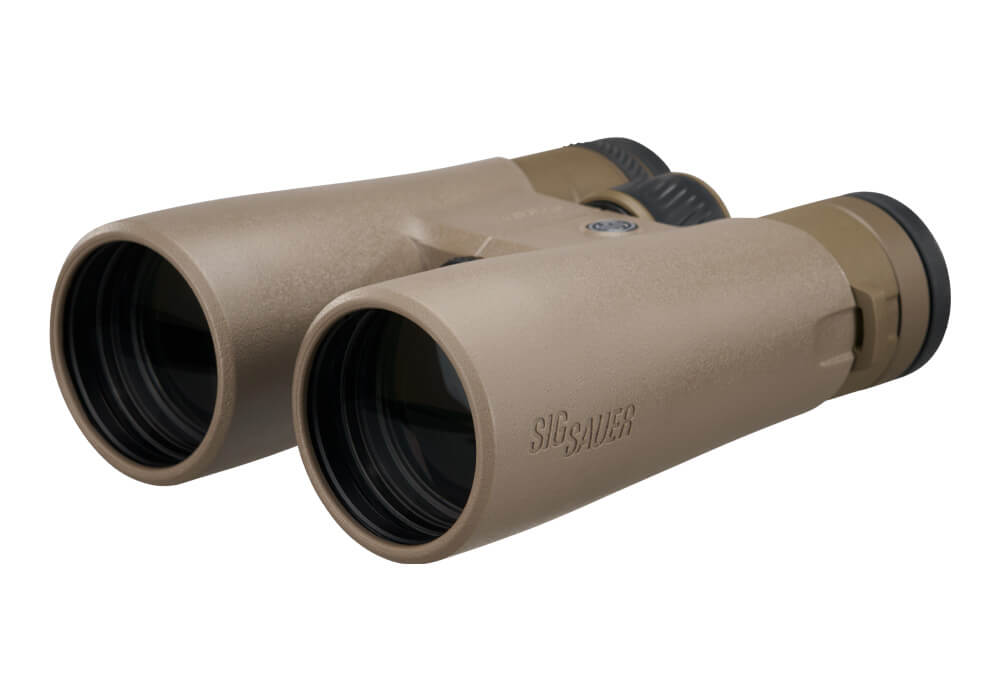
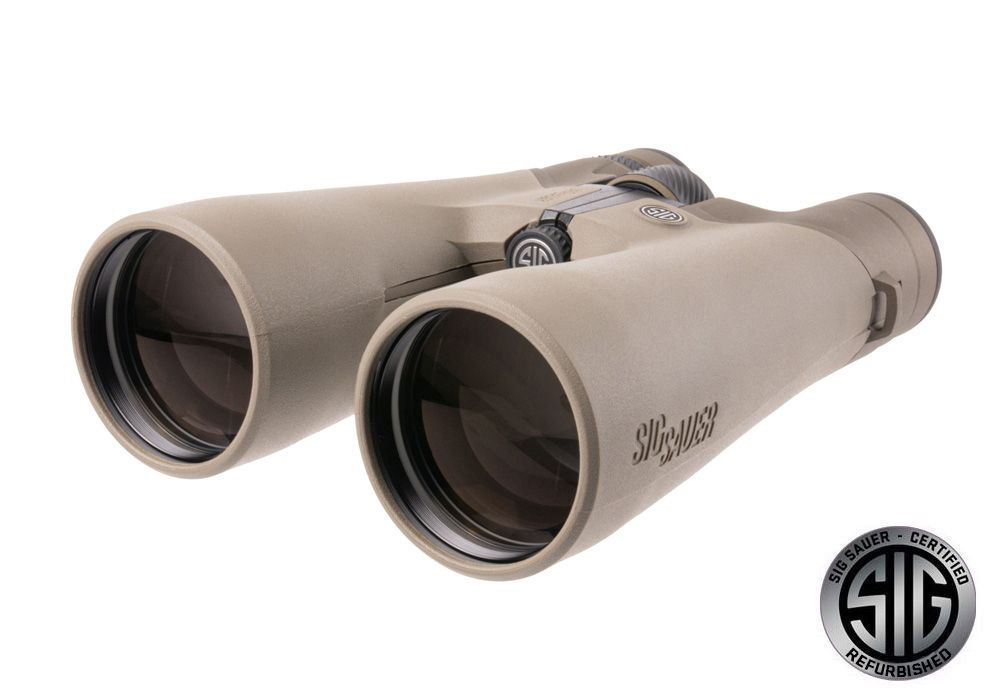
Compact binoculars bring distant details into view without taking up much room in a daypack, shoulder bag, or jacket pocket. Their appeal is practical: a pair that is comfortable to carry is more likely to be within reach when a bird lands across a clearing, a performer steps onto a distant stage, or an unfamiliar landmark catches the eye. Most compact designs use objective lenses smaller than 30 mm, with common configurations such as 8x25 and 10x25 balancing useful magnification with a small physical footprint. In those numbers, the first figure indicates magnification and the second gives the diameter of the front lenses in millimeters. An 8x25 binocular makes a subject appear eight times closer through 25 mm objective lenses. For comparable designs, 8x magnification generally offers a wider view and makes hand movement less noticeable than 10x, while 10x can reveal more detail on a stationary subject when held steadily. Field of view matters just as much when following a moving bird or finding a player across a stadium; it describes how much of the scene is visible at a given distance, often expressed in feet at 1,000 yards. A generous view can make locating and tracking subjects easier, especially for someone new to binoculars. Small objective lenses help keep weight and bulk manageable, although they gather less light than larger lenses at the same magnification. That tradeoff becomes more noticeable in dim surroundings, such as beneath a dense tree canopy. Many compact binoculars weigh less than 12 ounces, but dimensions, hinge layout, and the shape of the carrying case also influence how easily they travel. Close-focus distance adds another useful distinction: binoculars that focus nearby can bring butterflies, textured bark, or garden birds into detail without requiring a long viewing distance. These characteristics give pocket binoculars a role in hiking, birdwatching, sightseeing, live performances, and everyday observation, rather than limiting them to a single activity.
Viewing comfort depends on how naturally the binoculars fit the face and hands. Interpupillary distance, the spacing between the centers of the eyepieces, needs to match the viewer’s eyes so that both sides merge into one clear, circular image. Folding designs can be especially compact, though the hinge arrangement affects both adjustment and how quickly the binoculars settle into position. Eyecups help establish the correct distance between the eyes and the lenses; adjustable versions accommodate different facial shapes and whether glasses are worn. Eye relief describes the distance from the eyepiece at which the full image remains visible. Sufficient usable eye relief is particularly important for eyeglass wearers, since pressing glasses against an eyecup does not necessarily reveal the entire field of view. A diopter adjustment accounts for a difference in focus between the eyes, while a smoothly turning central focus wheel helps bring subjects at different distances into sharp view. Handling details become apparent during ordinary use: a focus wheel should be reachable without an awkward grip, and a secure hinge should hold its position rather than shift as the binoculars are raised. Depending on the design, housings may use aluminum, magnesium, or reinforced polymers, often paired with rubber armor for traction and protection against everyday bumps. Optical coatings help reduce reflections and support light transmission, while suitable prism treatments can improve contrast and image fidelity. Coating descriptions are useful, but comfortable alignment, clear detail, and a well-controlled image remain important parts of the viewing experience. Water resistance and sealed construction can provide reassurance around splashes or damp equipment, with protection determined by the stated rating rather than appearance alone. Nitrogen or argon purging, when specified, helps resist internal fogging. No protective feature eliminates the need for careful handling, and exposed lenses still benefit from caps and a case between uses.
The best fit for compact binoculars often becomes clear through the small routines surrounding their use. A traveler may value a slim folded profile that leaves room for a camera and a guidebook, while a birdwatcher may place greater emphasis on quick focusing and enough field of view to follow movement through branches. At a concert or theater, comfortable eyecups and steady handheld magnification can matter more than maximum reach. For a shorter walk, a light neck strap may be sufficient; for extended observation, a compatible harness can distribute weight and keep the binoculars close to the body. Attachment points, strap comfort, and a case that opens without excessive fuss all contribute to whether the binoculars become useful companions or remain tucked away. Comparing compact options with Field Binoculars can help put portability, handling, and intended use in perspective, especially when deciding how much space to dedicate to observation equipment. Care is straightforward but worth treating as part of ownership. Loose grit should be lifted with a clean bulb blower or a soft optical brush before a lens cloth touches the glass. A clean microfiber cloth and an optical cleaning solution approved for the lenses can address fingerprints without the abrasion associated with shirt fabric or paper towels. Excess liquid should not collect around lens edges, hinges, or controls, and a damp carrying case should be allowed to dry before storage. Protective caps reduce contact with dust and other objects inside a bag. Binoculars should never be used to look directly at the sun. As a gift, a compact pair suits curious travelers, backyard birdwatchers, hikers, and people who enjoy seeing more at live events, provided the adjustment range and handling suit the recipient. For younger users, manageable weight and suitable eye spacing matter more than powerful magnification. Across these uses, the lasting advantage is simple: a clear, comfortable view in a format that is easy to bring along.