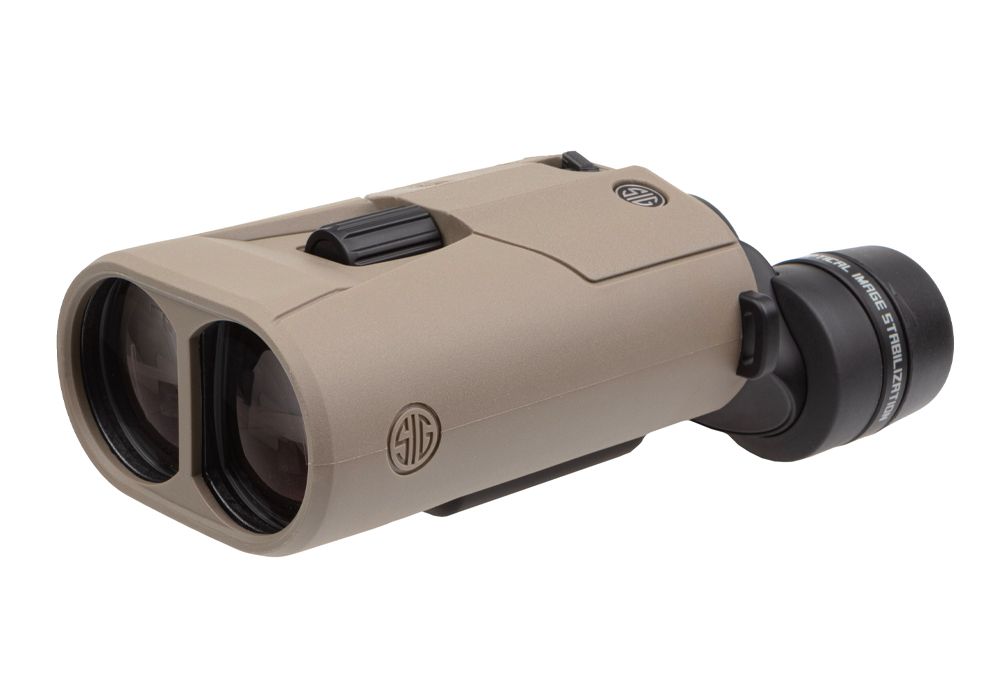
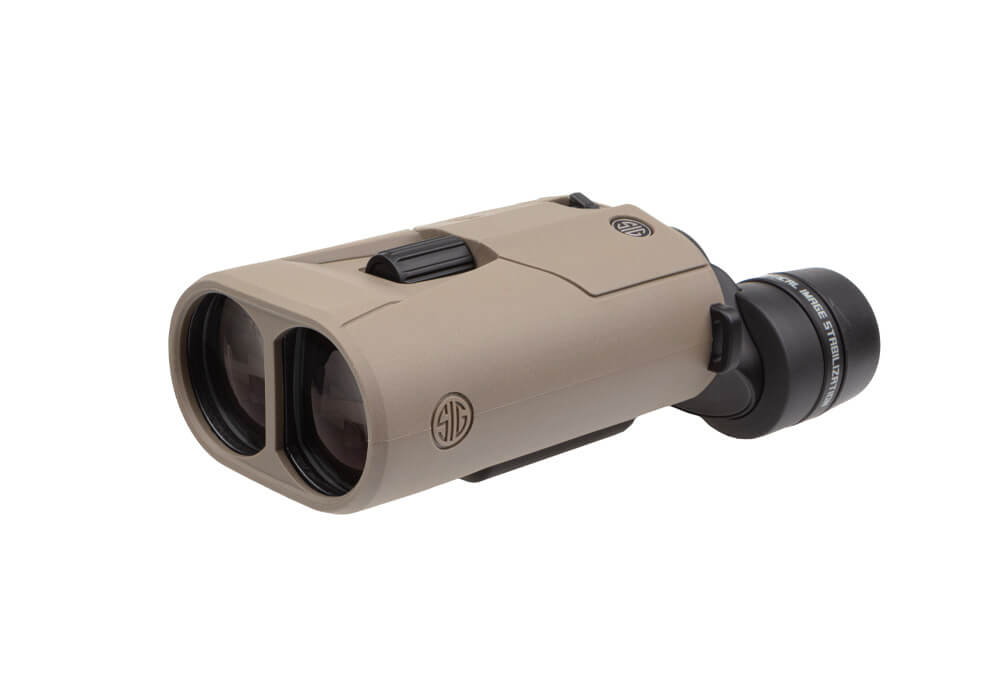
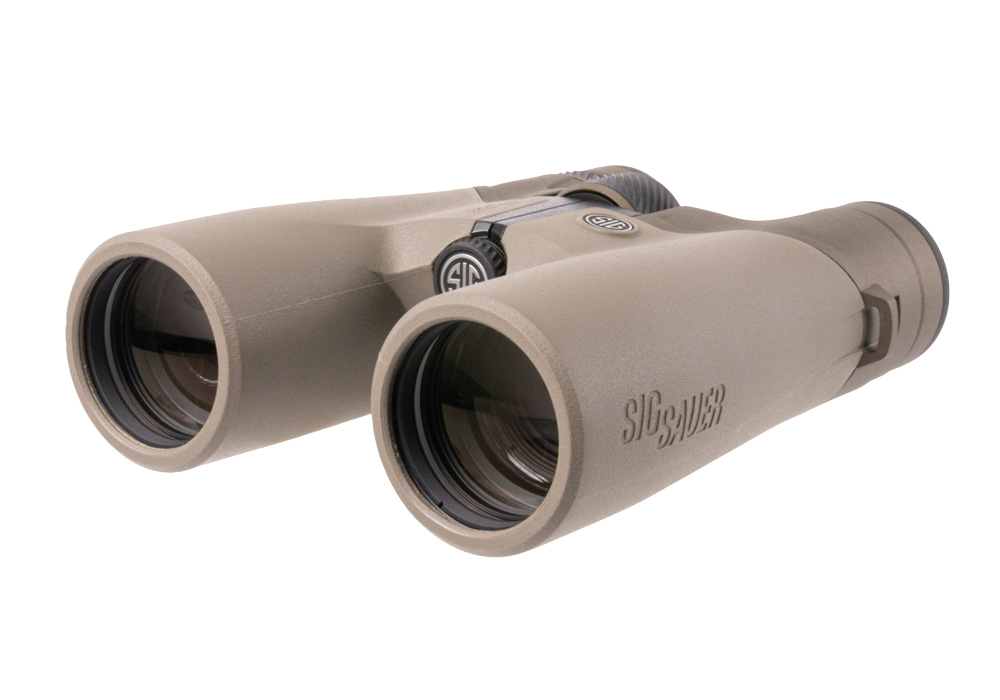
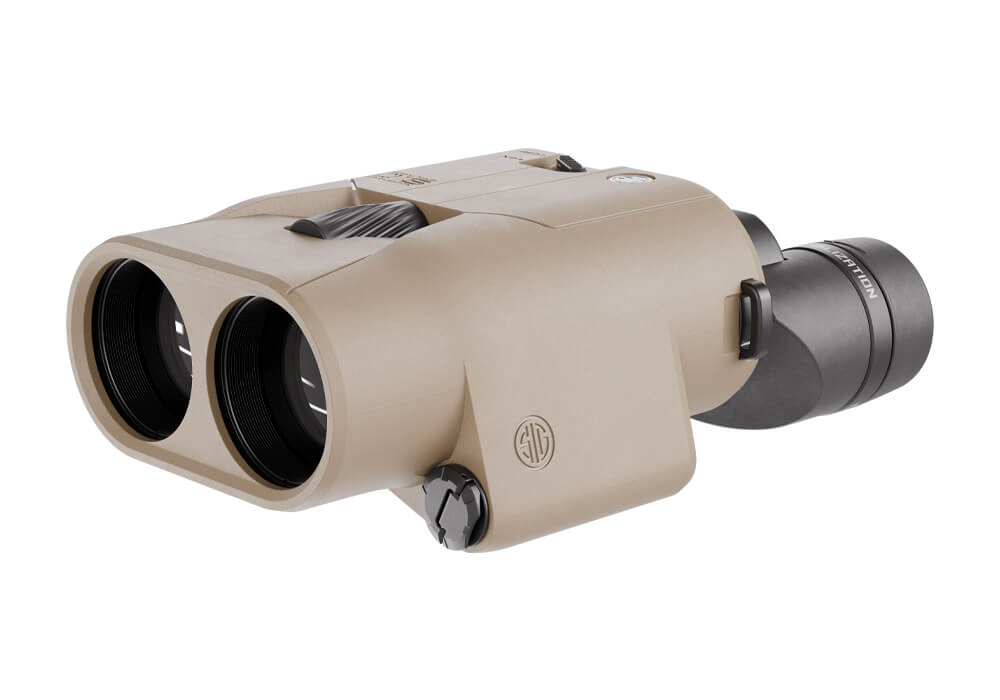
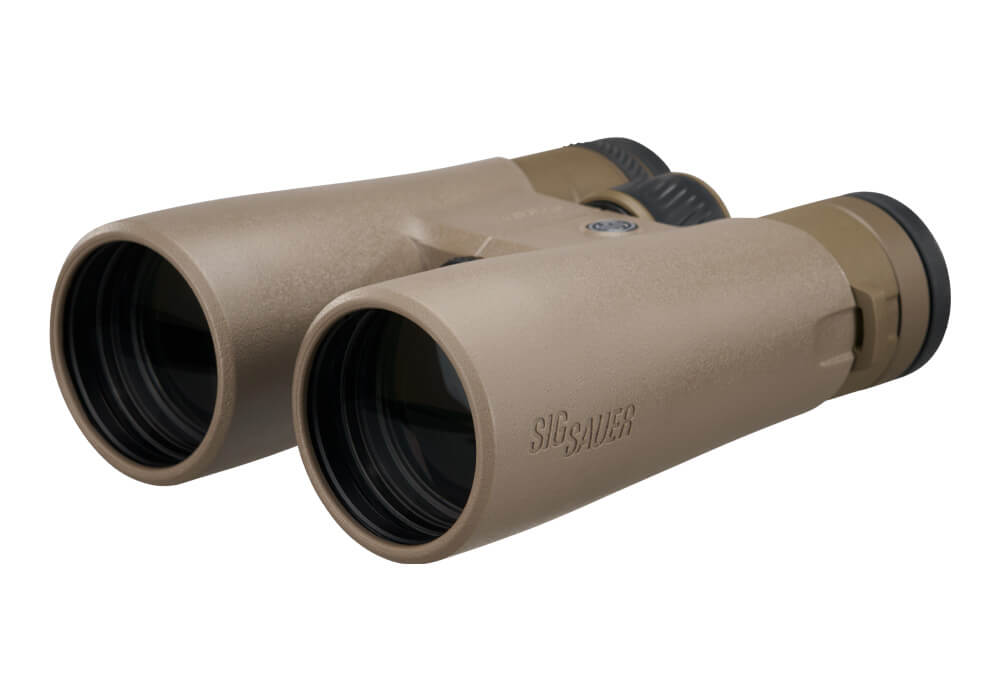
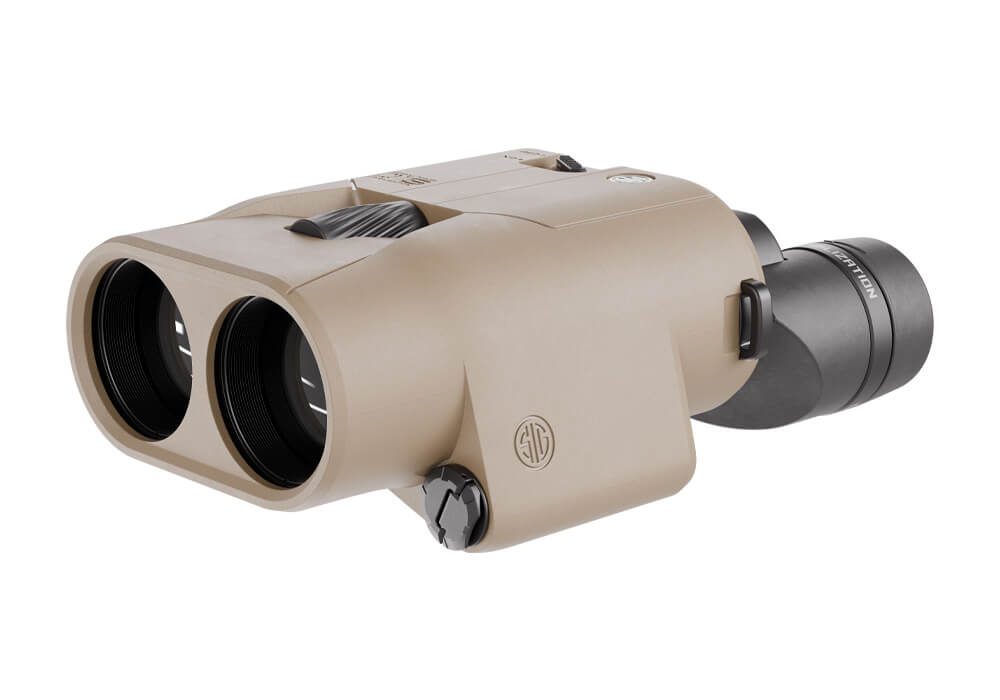
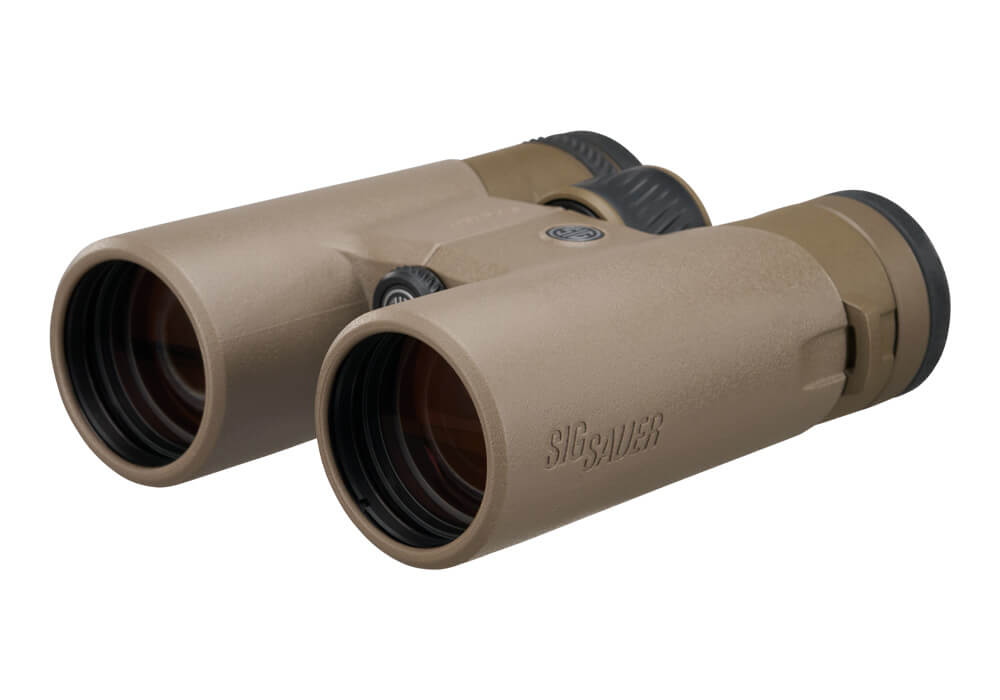
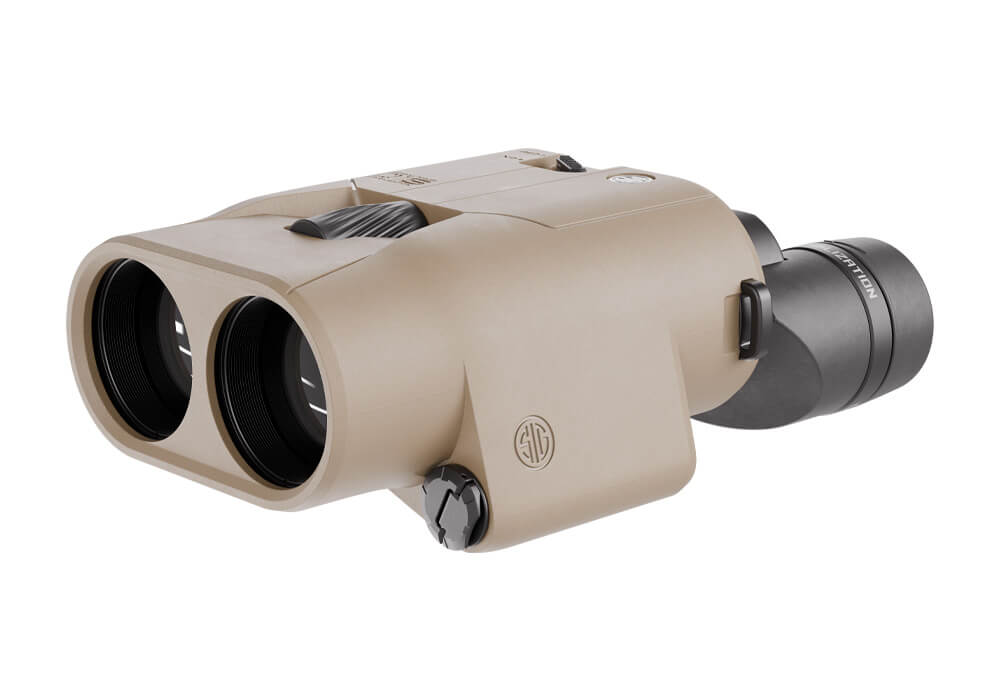
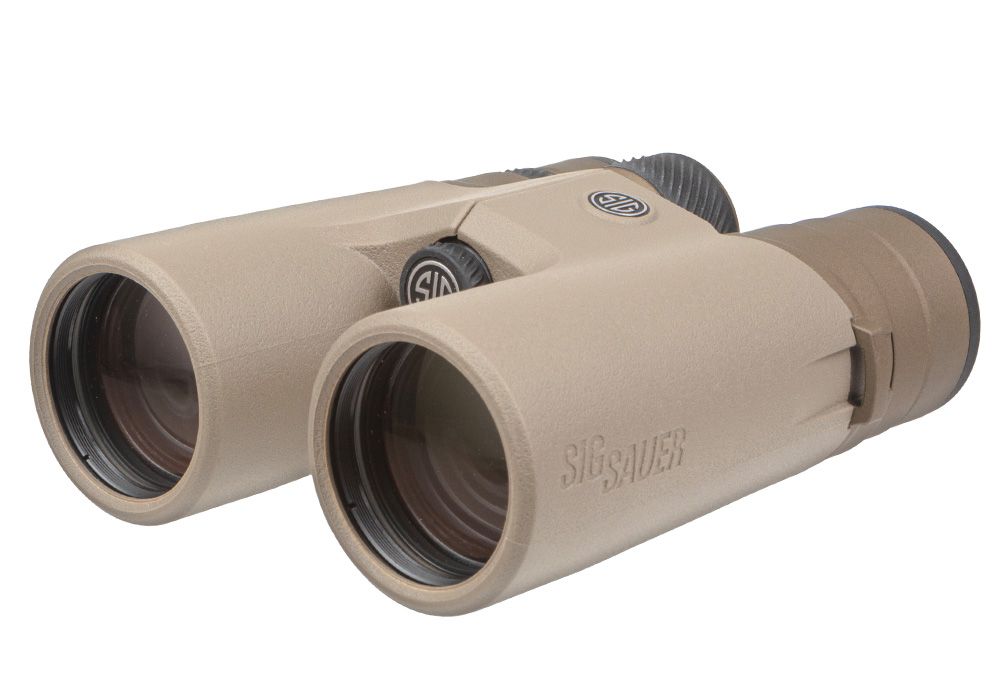
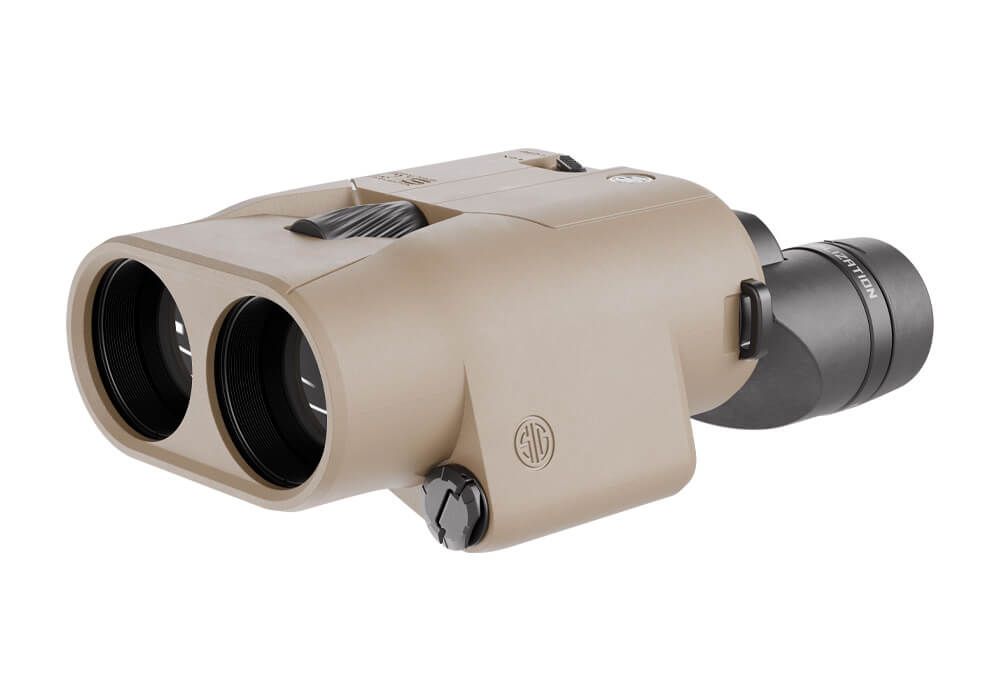
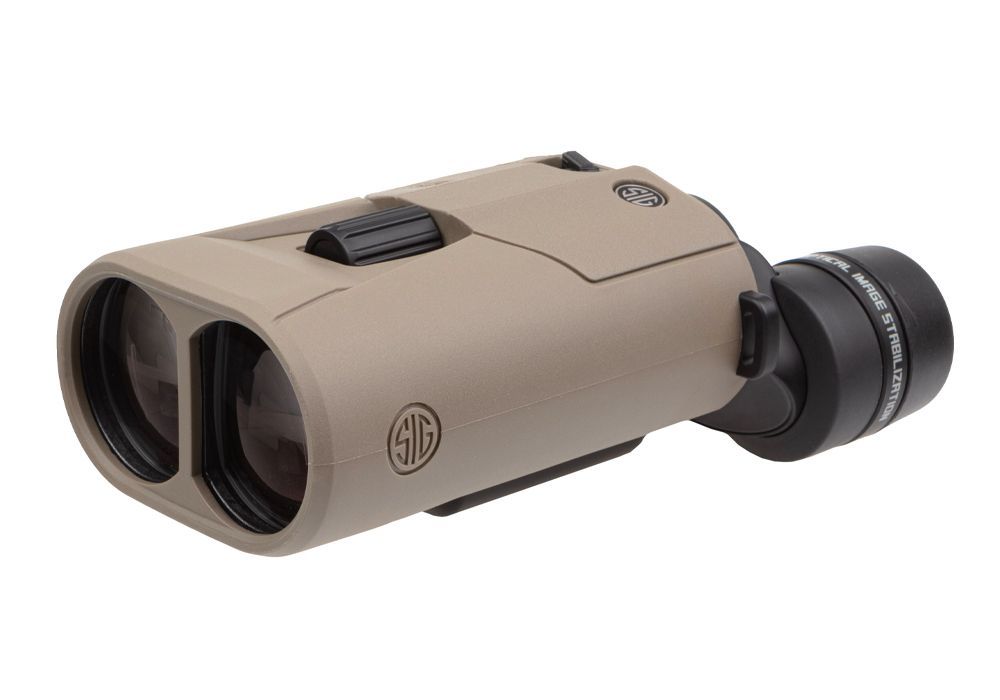
Field binoculars are handheld optical instruments that magnify distant subjects for hunting, birdwatching, hiking, wildlife observation, and other outdoor pursuits. They bring useful detail into view without requiring a closer approach, whether that means distinguishing a bird’s wing markings, studying a trail across a distant hillside, or watching wildlife from a respectful distance. Viewing through both eyes creates a comfortable, natural perspective, while a portable design keeps observation practical during a walk, a scouting trip, or a long stretch overlooking open country. The numbers used to describe binoculars identify two important characteristics: magnification and objective lens diameter. An 8x42 designation, for example, indicates 8x magnification and front lenses measuring 42 millimeters across. Higher magnification enlarges distant detail, but it also makes hand movement more noticeable and often narrows the area visible through the lenses. Moderate magnification can be easier to hold steady when following a moving animal or scanning unfamiliar terrain. Larger objective lenses collect more light and can support a brighter image in low light when magnification and optical quality are comparable, though they generally add size and weight. Smaller objectives favor a lighter carry setup, particularly when binoculars spend much of the day around the neck or inside a pack. Field of view describes the width of the scene visible at a stated distance, commonly expressed in feet at 1,000 yards or as an angle in degrees. A broad view helps locate subjects quickly and follow movement across brush, branches, or an open meadow. Close-focus distance matters, too, especially for observing nearby birds, butterflies, or other small details along a trail. These characteristics work together rather than independently: a powerful image is less useful if it is difficult to steady, and a compact body offers limited benefit if the view feels uncomfortable. The most practical field binoculars balance detail, viewing comfort, and portability around the distances and activities they will encounter most often.
Optical quality influences how much usable detail reaches the eye, beyond the magnification number alone. Lens coatings help reduce reflections and improve light transmission, while well-executed optics support contrast, color accuracy, and a clear view across more of the image. Fine feather patterns, an animal partly hidden among branches, and the texture of a distant rock face all become easier to interpret when the image retains definition rather than appearing hazy or washed out. Fully multicoated optics generally indicate multiple coating layers on all air-to-glass lens surfaces, although that description is only one part of overall performance. Prism design, alignment, and manufacturing tolerances also affect the viewing experience. Roof-prism construction commonly allows a straight, streamlined body that fits neatly into a pack, while other designs can have a wider profile. Housing materials may include aluminum, magnesium alloys, or reinforced polymers, each offering a different balance of weight, rigidity, and handling. Rubber armor can improve grip and help cushion minor bumps, but it should not be treated as a guarantee against damage. Sealed construction and gas-filled interiors can help protect the optical system against moisture intrusion and internal fogging; the stated protection rating remains important because water resistance and waterproof protection are not interchangeable. Physical fit deserves equal attention. The hinge adjustment sets the spacing between the eyepieces so both eyes see one unified image, and adjustable eyecups help establish the correct viewing position. Eye relief is the distance between the eyepiece and the eye at which the full view remains visible, making it especially relevant for people who wear glasses. A diopter adjustment compensates for differences between the eyes, while the central focus wheel handles changes in subject distance. A wheel that turns smoothly and sits within easy reach makes repeated refocusing less distracting. Balance, grip shape, and eyecup comfort become particularly noticeable during extended observation, when a body that feels manageable for a few seconds may become tiring after repeated use.
Field binoculars suit a wide range of users, from an experienced hunter checking a distant clearing to a beginning birder learning to recognize silhouettes and movement. Hikers can study terrain before continuing along a route, landowners can observe activity across a property, and wildlife enthusiasts can enjoy a closer-looking view while leaving animals undisturbed. Carrying accessories influence how readily binoculars become part of those outings. A comfortable neck strap keeps them accessible for short walks, while a properly fitted harness can distribute weight across the torso and limit swinging during longer distances. A protective case helps separate the lenses from loose gear, and lens covers provide a barrier against grit when the optics are not in use. Compact dimensions may matter most for someone balancing binoculars with a camera, water bottle, and other essentials; a larger format may be worthwhile for someone who spends more time observing from one location. For sightseeing, day trips, and outings where packing space is especially limited, Travel Binoculars are a related option to explore alongside field-focused optics. Routine care helps preserve image quality and dependable operation. Loose dust should be lifted away with an appropriate blower or soft optical brush before the lenses are wiped, since rubbing grit across glass can damage coatings. A clean lens cloth and an optical cleaning solution approved for the lenses are better choices than clothing, paper towels, or household cleaners. Drying the exterior before storage, keeping protective covers clean, and following the manufacturer’s care directions support long-term use. Binoculars should never be aimed at the sun, because magnified sunlight can cause severe eye injury. As a gift, field binoculars can support an existing interest in hunting, birding, hiking, or nature photography without requiring the recipient to pursue a new hobby. Familiarity with their usual activities, preferred carrying style, and need for eyeglass-compatible viewing helps turn a useful optical tool into something they will comfortably reach for on repeated outings.