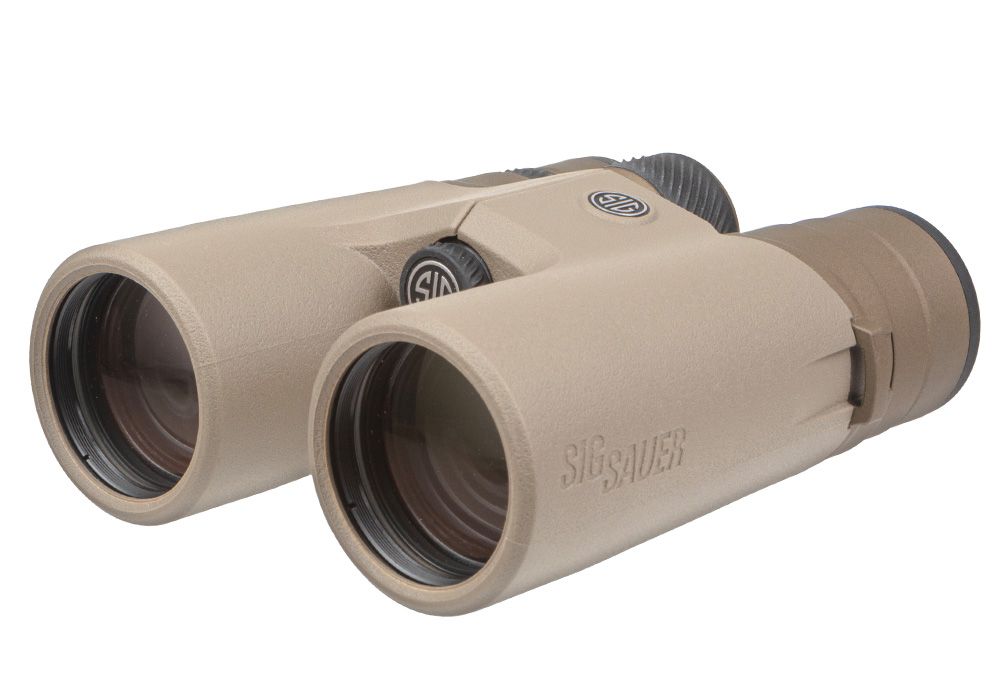
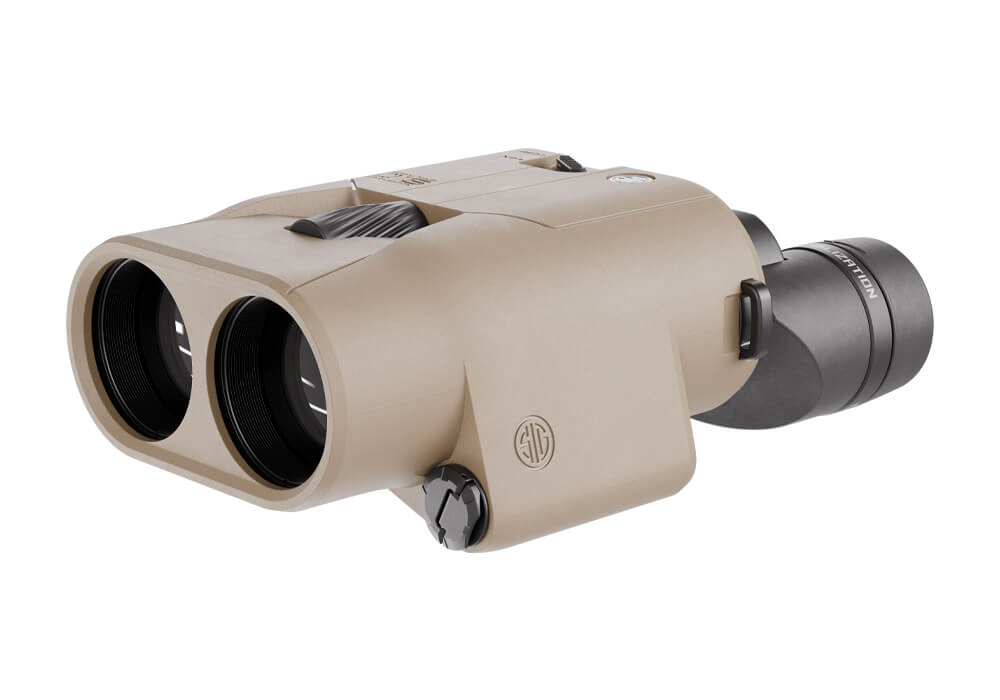
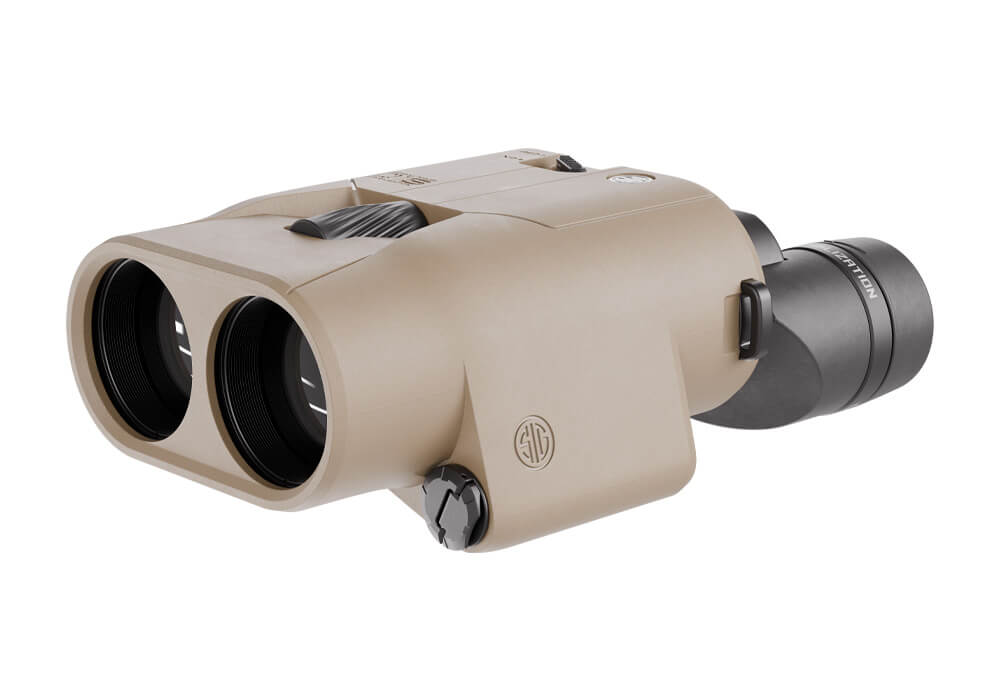
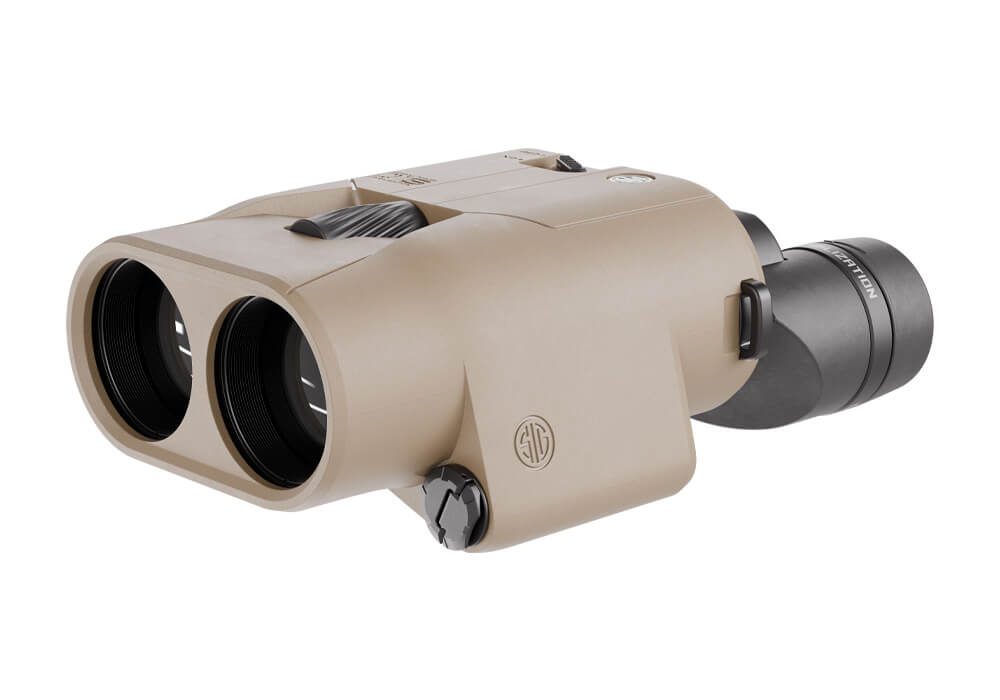
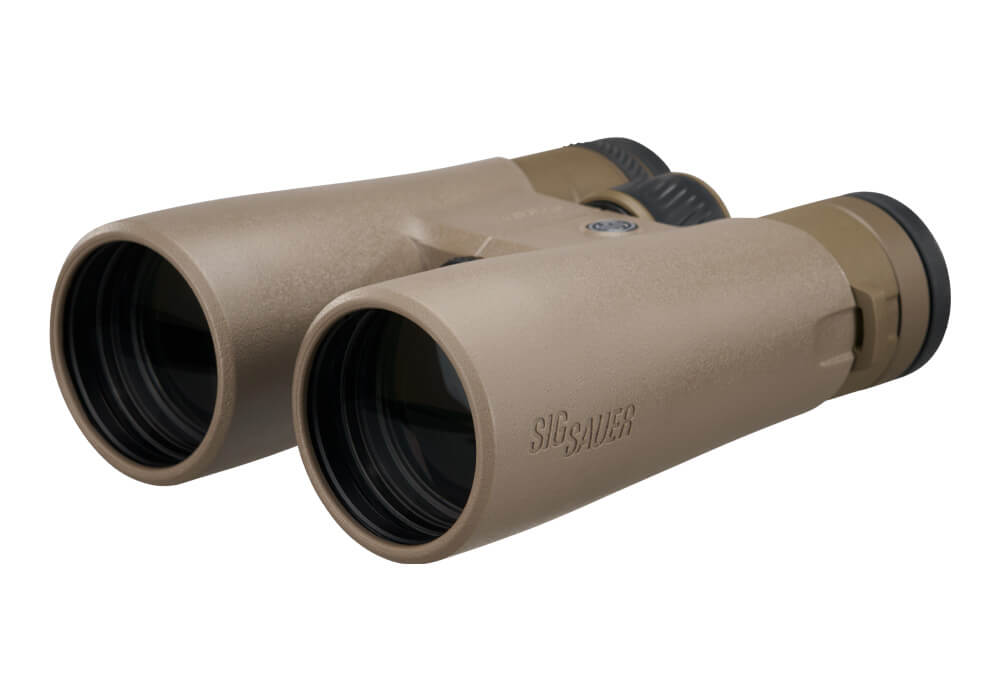
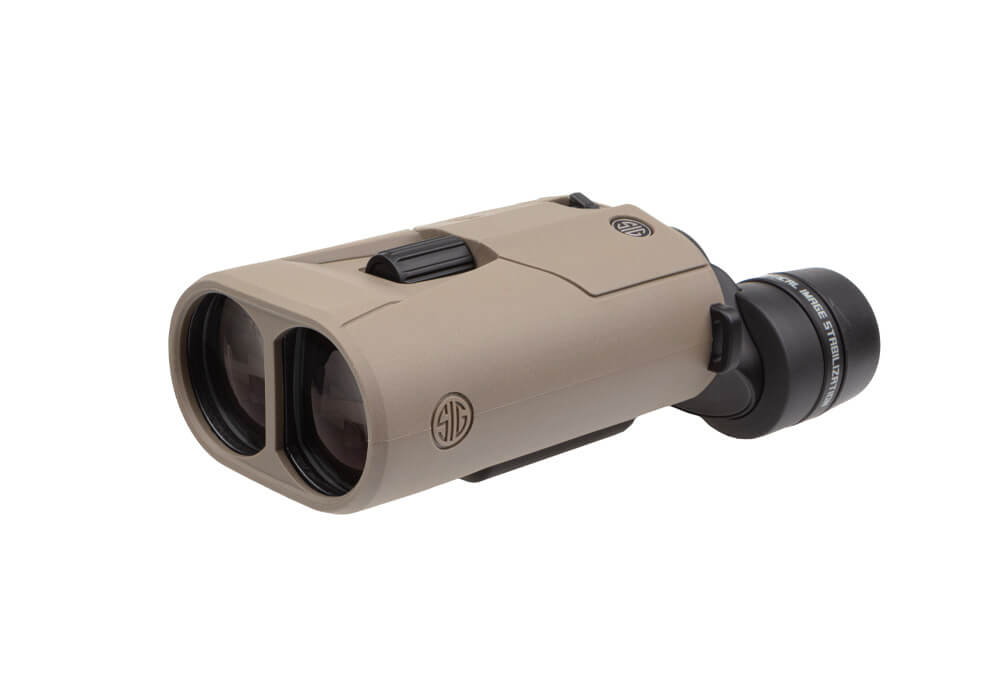
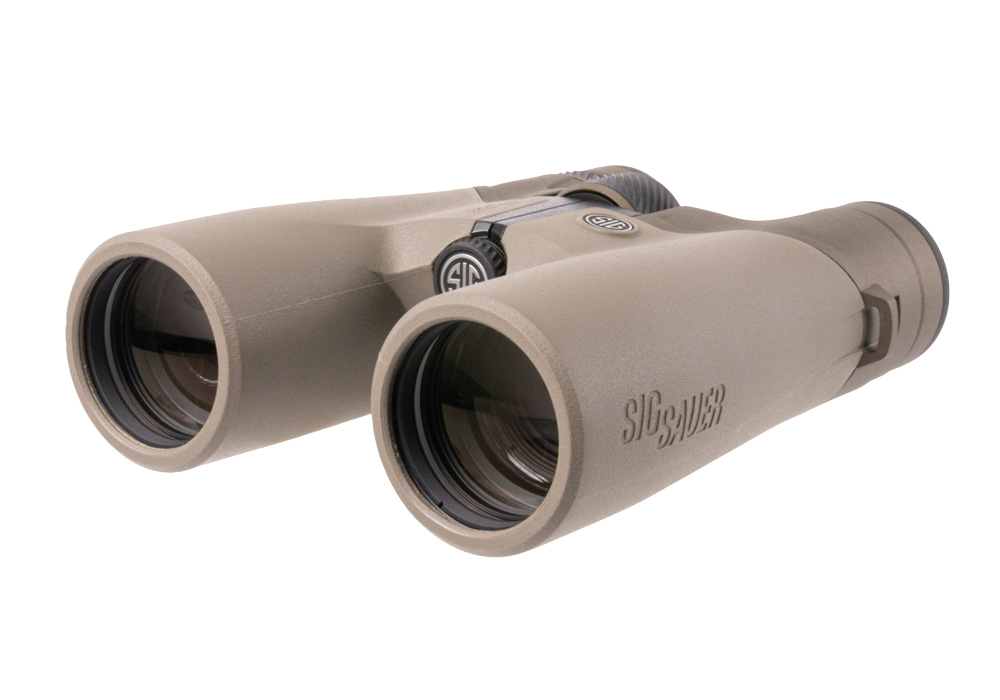
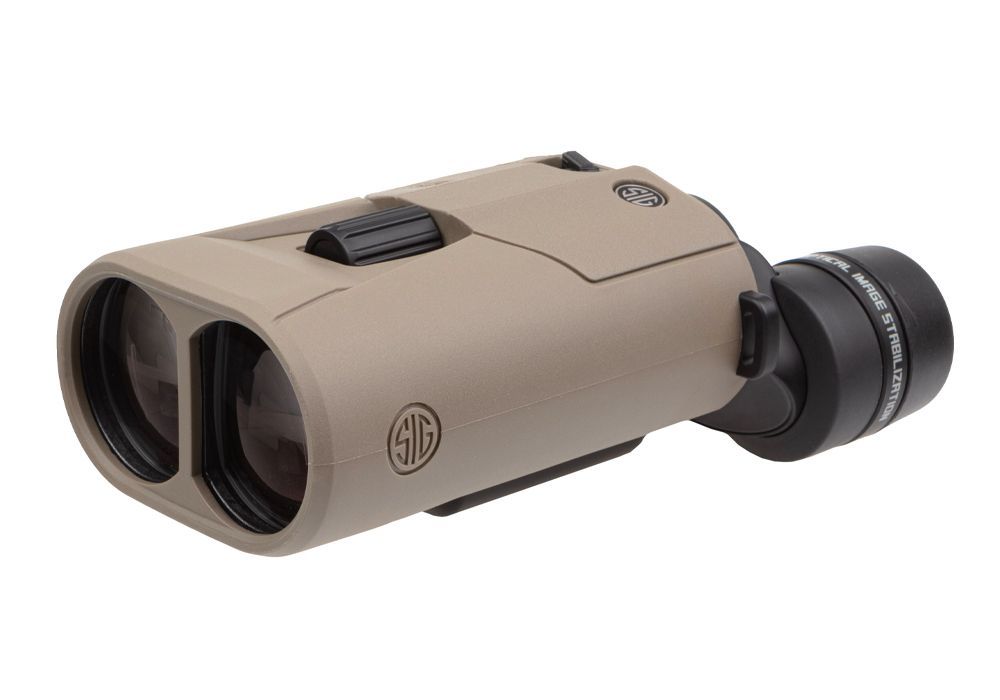
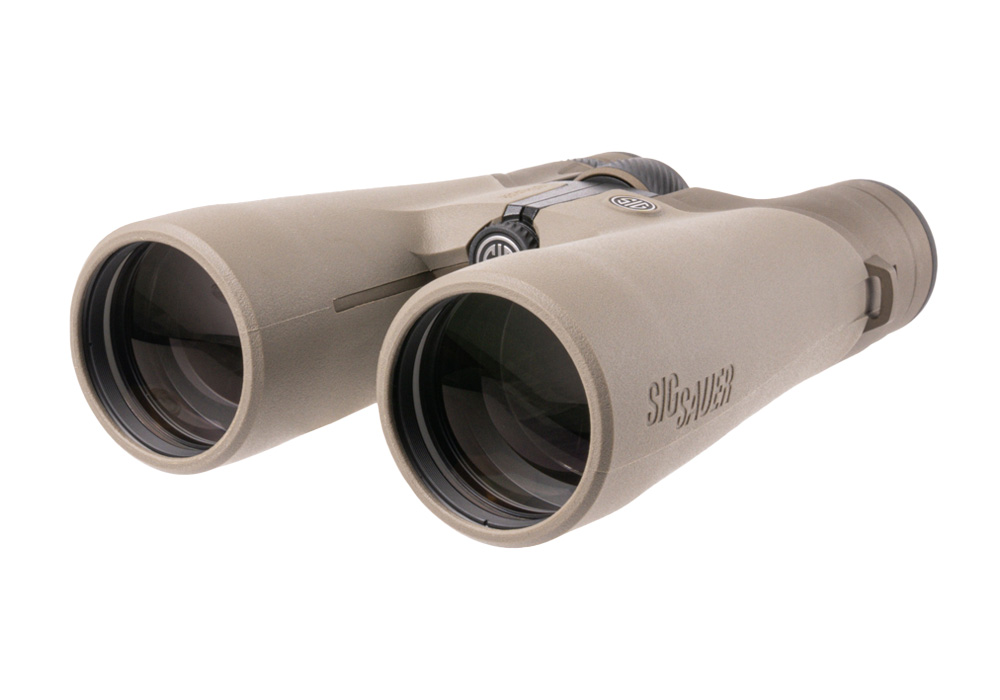
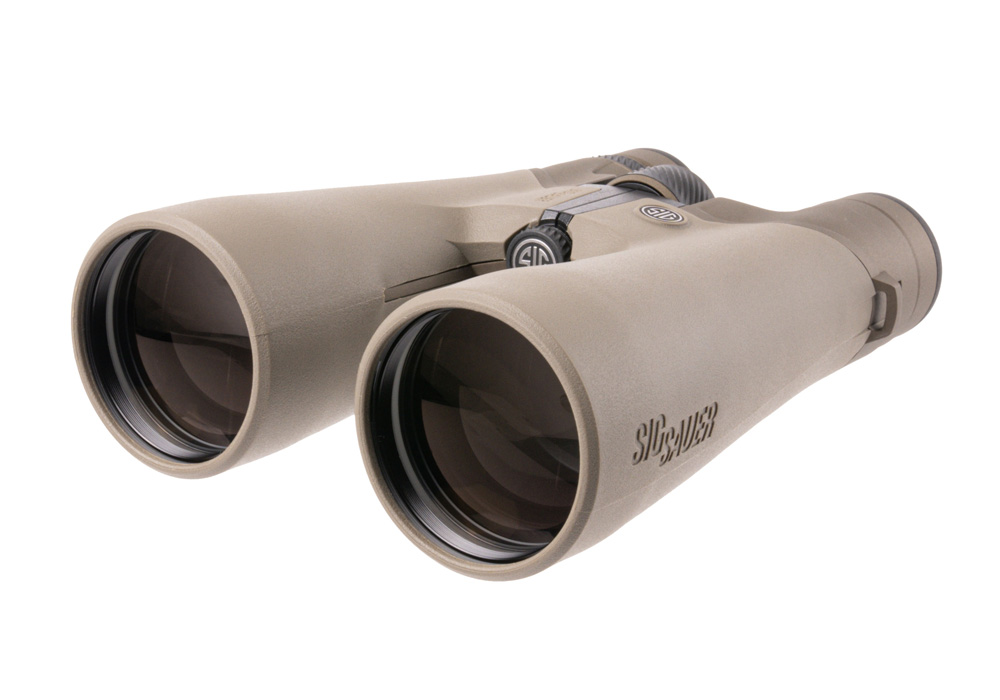
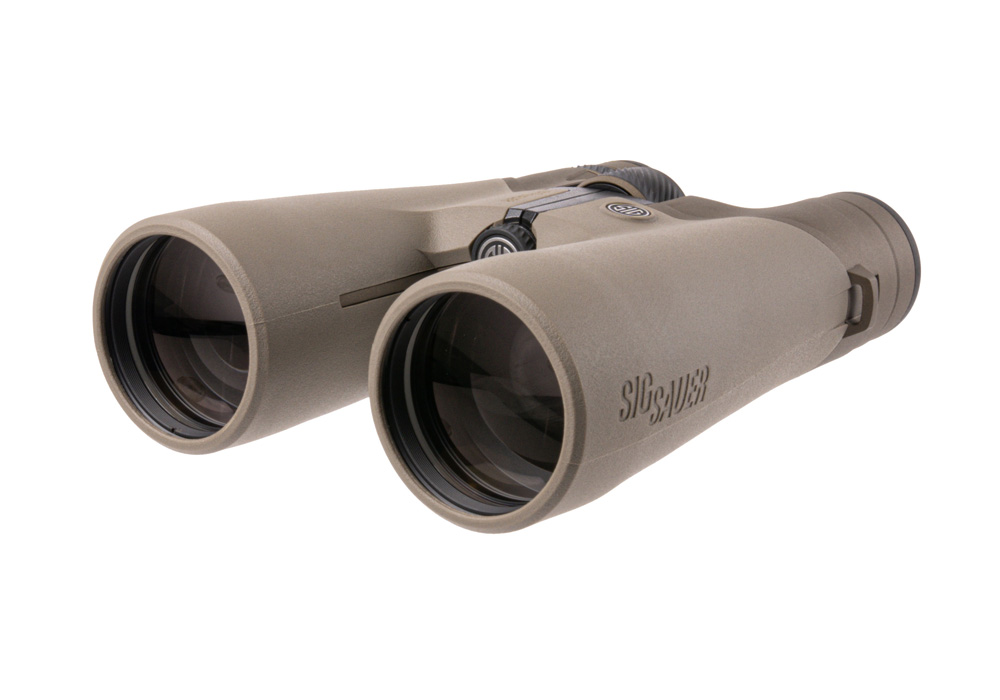
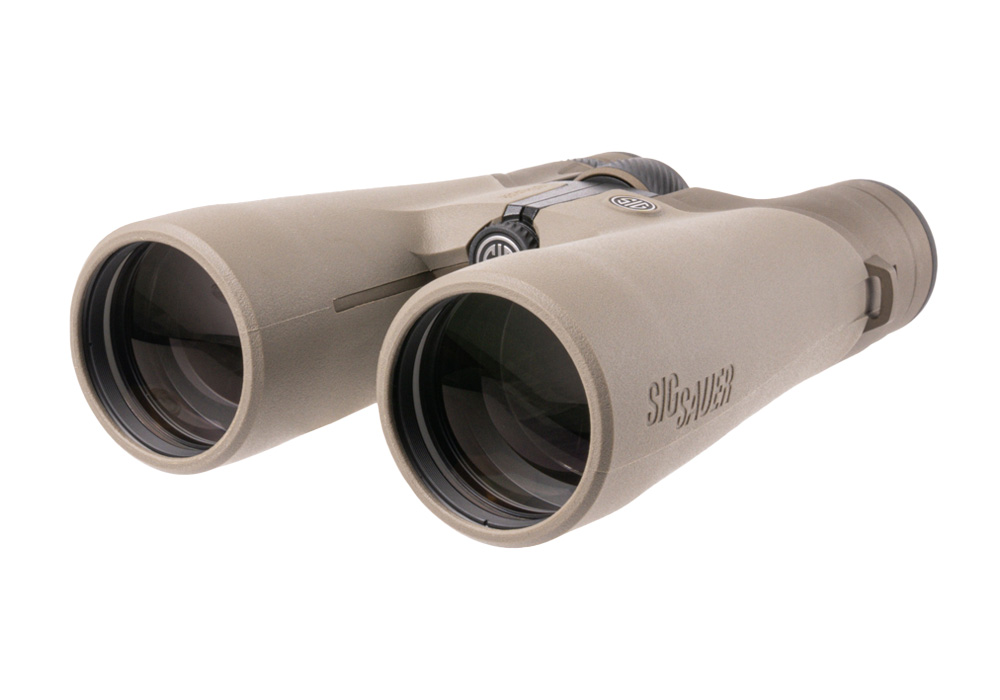
Sports binoculars bring distant play into clearer view, whether the action is a runner breaking toward second base, a receiver working along the sideline, or a rider approaching the final turn. For spectators, the most useful combination is often moderate magnification, a generous field of view, and a shape that feels steady in the hands. An 8x binocular makes a subject appear eight times closer and generally offers a practical balance between detail and the ability to follow movement. A 10x binocular provides a closer view of distant action, but hand movement becomes more noticeable, and the viewing area is often narrower than with a comparable 8x design. That distinction matters from an upper deck: seeing a player’s expression is appealing, but keeping the ball and nearby players in view can be more useful during a developing play. Field of view describes the width of the scene visible through the binoculars, commonly expressed in feet at 1,000 yards or as an angle. A wider view helps spectators locate a subject quickly and follow movement without constantly repositioning the binoculars. Magnification alone does not determine that width, so two binoculars with the same power can offer noticeably different viewing experiences. Objective lens size, the second number in a designation such as 8x32, also shapes the experience. A 32 mm objective can offer a convenient balance of portability and viewing comfort, while a 42 mm objective typically brings a larger body and a larger exit pupil at the same magnification. Compact formats take up less space in a stadium bag, although smaller dimensions can mean less room for the hands and more exacting eye placement. Baseball, football, soccer, motorsports, and arena events all place different demands on an optic. Broad views suit continuous movement across a field, while additional magnification can be useful for studying a distant bench, starting gate, or fixed section of the course. Comfortable sports viewing depends on that relationship between the seat, the subject, and the binocular’s handling.
Optical quality contributes as much to an enjoyable view as the numbers printed on the housing. Well-executed lens coatings reduce reflections at glass surfaces, helping preserve contrast and useful image brightness. That can make a jersey number easier to distinguish against a busy crowd or help separate a player from advertising panels along the edge of the field. Sharpness near the center is important, but clarity across a broader portion of the image also matters when several athletes are moving through the scene. Color fringing around bright, high-contrast edges can distract from fine detail, while internal reflections may become noticeable around intense arena lighting. These characteristics depend on the complete optical design rather than any single specification. Roof-prism binoculars often have a relatively straight, streamlined shape that fits neatly into a bag; traditional Porro-prism designs usually have more widely spaced objective lenses and a broader profile. Either arrangement can provide satisfying sports viewing when the optics, alignment, and ergonomics work well together. Housings may use aluminum, magnesium alloy, or reinforced polymers, with each construction balancing weight, rigidity, and handling in different ways. Rubber armoring adds grip and helps protect exterior surfaces from ordinary knocks, while sealed construction helps limit the entry of dust and moisture. Fit is equally personal. Adjustable barrel spacing allows the eyepieces to align with the distance between the viewer’s eyes, creating one complete circular image rather than overlapping views. Twist-up or folding eyecups support consistent eye placement, and sufficient usable eye relief allows many eyeglass wearers to see more of the viewing area without removing their glasses. Around 15 to 20 mm of stated eye relief can be a useful reference, although frame shape and eyecup design affect the actual fit. A smooth central focus wheel makes it easier to move attention from nearby sideline activity to players across the field. A diopter adjustment compensates for differences between the viewer’s eyes, helping both sides reach focus together.
Comfort over a full game often comes down to details that are easy to overlook during a brief viewing session. Weight distribution, thumb position, barrel texture, and access to the focus wheel all influence how naturally binoculars settle into the hands. A lightweight pair may feel convenient during a long walk through a venue, while a slightly larger body can give some viewers a more secure grip. A supportive neck strap or compatible harness distributes the carrying load, and a protective case keeps lenses away from keys, snacks, and other belongings inside a bag. Venue rules remain relevant, since permitted bag sizes, cases, and optical accessories vary by location. For regular spectators, binoculars are most useful when they are easy to reach between plays and comfortable enough to use repeatedly rather than staying tucked beneath the seat. Lens care supports that everyday usefulness. Loose grit is best removed with an appropriate blower or soft lens brush before the glass is wiped; rubbing a dusty surface can scratch coatings. An optical cleaning cloth and a lens-safe cleaning solution help address fingerprints without relying on a shirt sleeve or paper towel. Lens caps and dry, protected storage reduce unnecessary cleaning and keep the instrument ready for the next outing. Binoculars should never be used to view the sun, and awareness of nearby spectators matters when raising or lowering them in closely spaced seating. As a gift, sports binoculars suit devoted season-ticket holders, parents following school athletics, racing enthusiasts, and anyone who enjoys noticing the details beyond the main scoreboard. Easy focusing and flexible eye adjustment are especially helpful when a pair will be shared among family members. Their usefulness can extend beyond organized competition, too. Spectators who also enjoy wildlife observation and open-space viewing may find a natural connection with Field Binoculars. Across those settings, a clear view, dependable construction, and comfortable handling help turn distant activity into something more immediate and engaging.