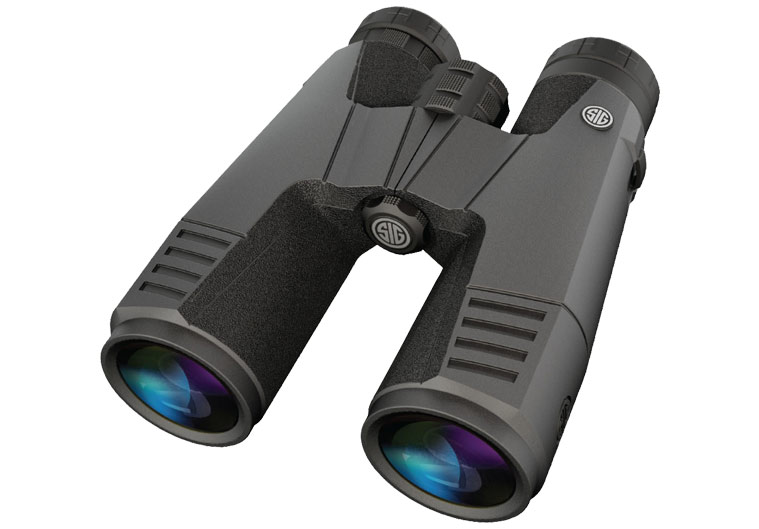
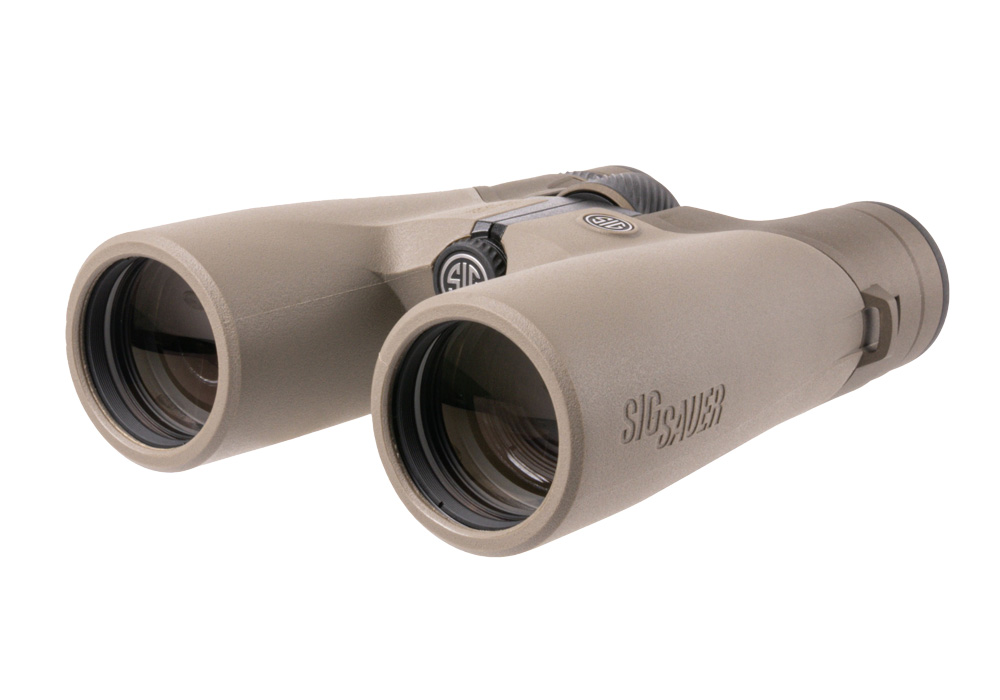
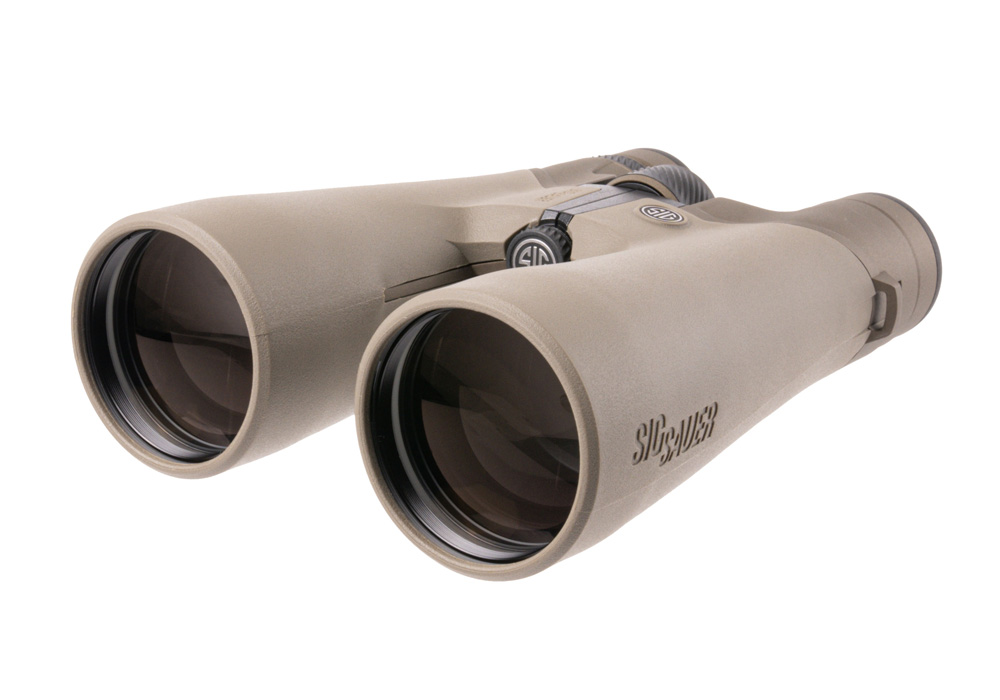
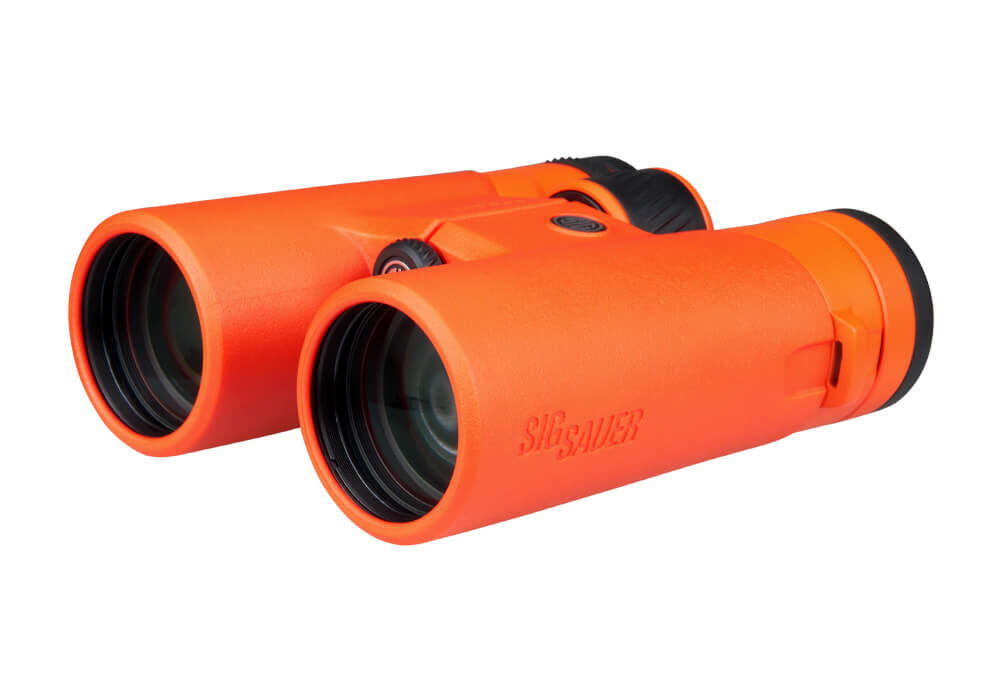
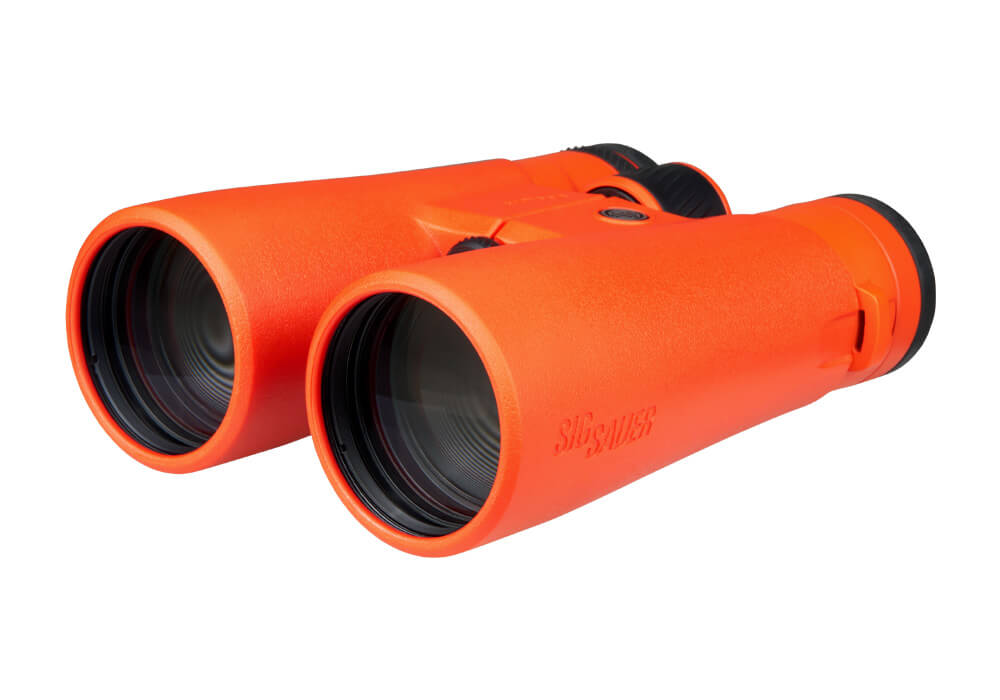
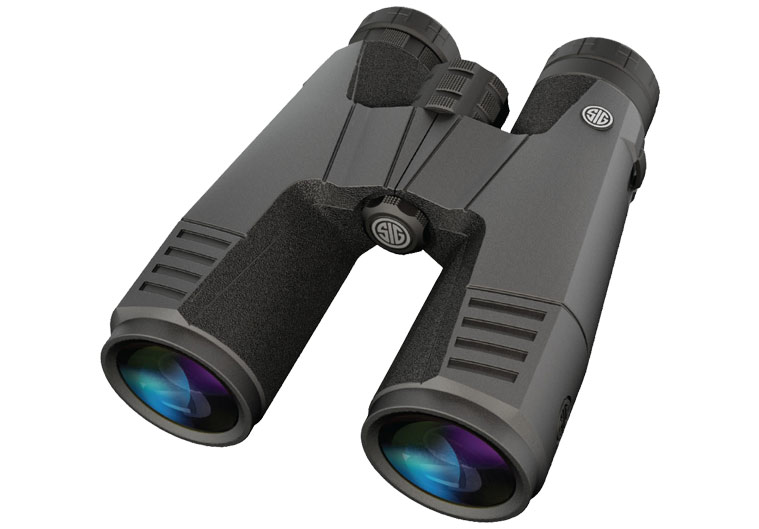
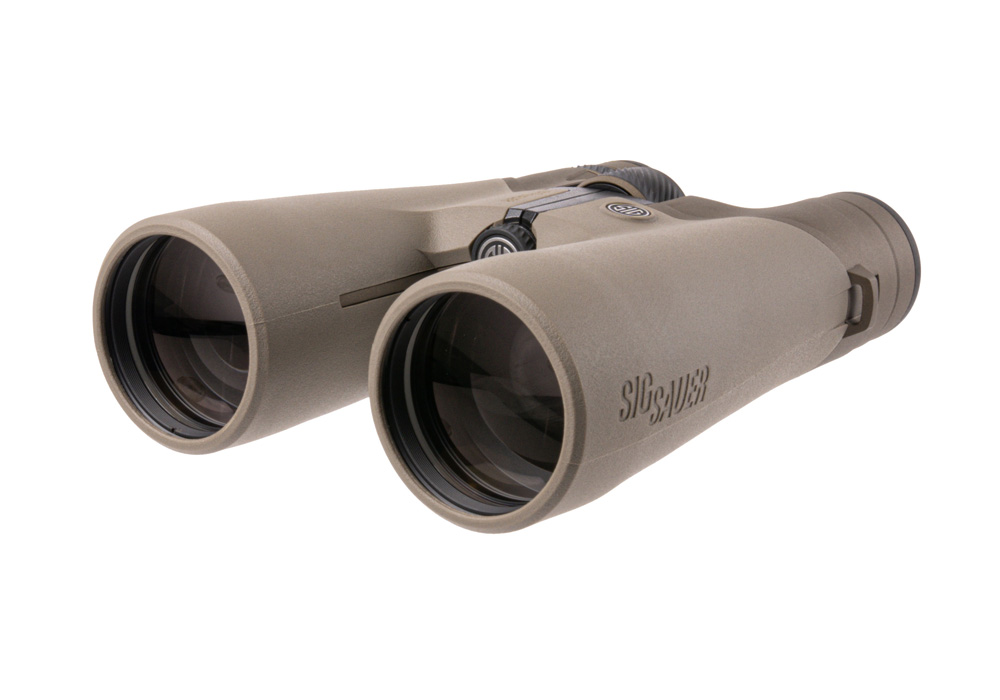
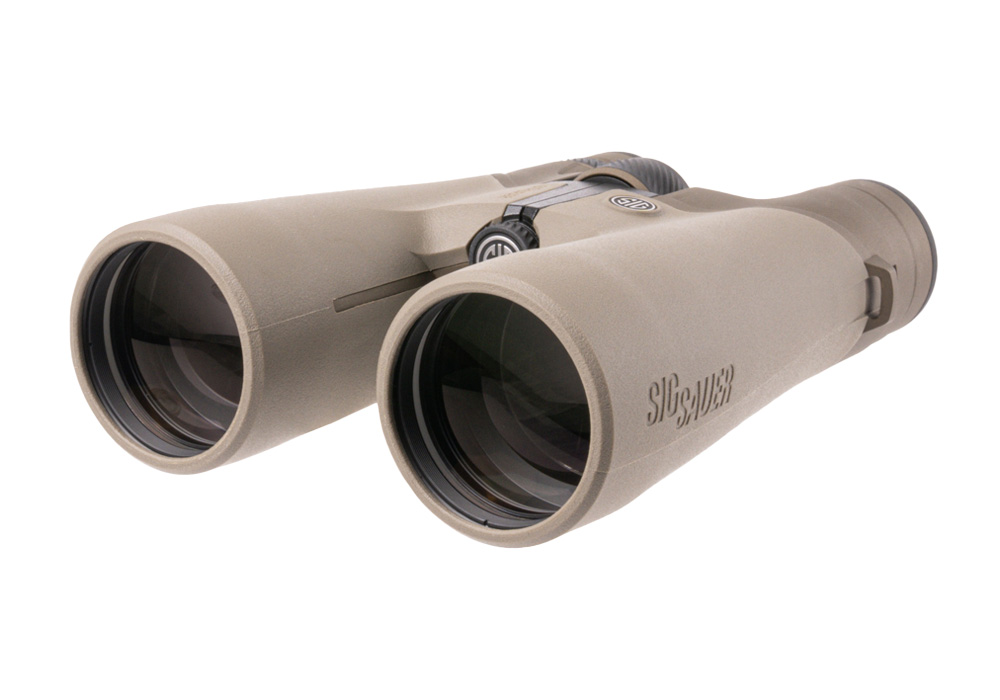
Travel binoculars bring distant details into comfortable view without adding much weight to a day outdoors. For many travelers, an 8x21 or 8x25 configuration offers a practical balance between size, brightness and steadiness. The first number refers to magnification, so an 8x binocular enlarges a distant subject eight times compared with unaided vision. The second number refers to the objective lens diameter in millimeters; a 21mm or 25mm lens helps keep the overall profile compact enough for a jacket pocket, small shoulder bag or carry-on case. This combination works well for city sightseeing, scenic overlooks, wildlife viewing, hiking, sporting events and casual bird observation. Higher magnification can reveal more distant detail, but it can also make hand movement easier to notice, especially when viewing from a moving boat, a crowded observation deck or a trail without a convenient place to rest your arms. Compact travel binoculars with 8x magnification tend to offer a steadier image for everyday use while preserving the portability that makes them useful on the road. When comparing options, look for fully multi-coated optics, which can improve light transmission and contrast, along with a clear field of view that helps you find moving subjects quickly. A close-focus distance is valuable in museums, gardens and courtyards where the subject may be nearby, while a generous field of view helps with birds in flight, landmarks and passing wildlife. Protective rubber armor can provide a secure grip and help shield the exterior from the ordinary bumps and scrapes of travel. Water resistance is also worth considering for changing weather, damp trails and mist near lakes or coastlines, although users should always follow the care instructions and avoid treating water resistance as a substitute for careful storage.
Comfort becomes especially important when binoculars are used for more than a few minutes at a time. An adjustable center focus wheel should turn smoothly and allow fine control, while a diopter adjustment can balance the view between your eyes. Travelers who wear glasses should look for adjustable eyecups and sufficient eye relief, allowing them to see the entire image without pressing the binoculars tightly against their lenses. Before a trip, spend a little time setting the diopter and practicing the focus controls; this simple preparation makes it easier to bring a distant sign, architectural detail or bird into view without fumbling. Compact binoculars are often chosen because they fit easily into a daypack, but a slim profile should not come at the expense of a secure grip or useful controls. Consider the texture of the exterior, the weight of the hinge, the feel of the focus wheel and whether the eyecups stay in place during use. Lens covers or a protective pouch can help keep dust and fingerprints away from the glass between viewing sessions. A neck strap or wrist strap can also add convenience when moving between overlooks, terminals and walking tours. During the cooler months, binoculars can be particularly useful when lower-angle sunlight illuminates distant ridgelines, bare branches and migrating birds, while overcast conditions make optical clarity and contrast more important. A compact pair can stay ready in a coat pocket during a scenic drive, accompany a family walk through a nature preserve or sit beside a camera for a broader view of the landscape. Travelers who spend more time hiking away from city lights may also want to compare these compact options with Field Binoculars, especially when a larger objective lens, more rugged construction or extended viewing comfort is a priority.
Travel binoculars can be a thoughtful gift for hikers, bird watchers, photographers, sports fans, cruise passengers and anyone who enjoys noticing the details that are easy to miss from a distance. They are approachable for beginners because useful results do not require extensive setup, yet the right pair can remain valuable through years of trips and outdoor outings. For a gift, think about the recipient’s habits rather than choosing solely by the strongest magnification. Someone who walks through cities or attends events may appreciate a lightweight 8x21 design that stores neatly in a small bag. A person who spends long afternoons beside a marsh, lake or woodland trail may prefer 8x25 optics with a little more light-gathering ability and a fuller grip. For children, choose an easy-to-hold size with simple controls and a durable exterior, while adults who wear glasses may benefit from adjustable eyecups and generous eye relief. Travelers who visit humid coastlines, rainy forests or snowy viewpoints should give extra attention to sealing, water resistance and an included protective case. A neutral, compact design also makes binoculars a versatile present for birthdays, graduations, family vacations and outdoor milestones without tying the gift to one particular activity. Used thoughtfully, they can turn a roadside pause into a closer look at a hawk circling above a valley, reveal the texture of a distant lighthouse or help a traveler pick out illuminated details across a harbor at dusk. Keep lenses clean with appropriate optical materials, store the binoculars in a dry protected place and allow them to acclimate gradually when moving between heated interiors and cold outdoor air to help reduce condensation. With a balanced specification, comfortable controls and dependable protection, travel binoculars offer a simple way to explore more closely while keeping luggage light and attention focused on the journey.