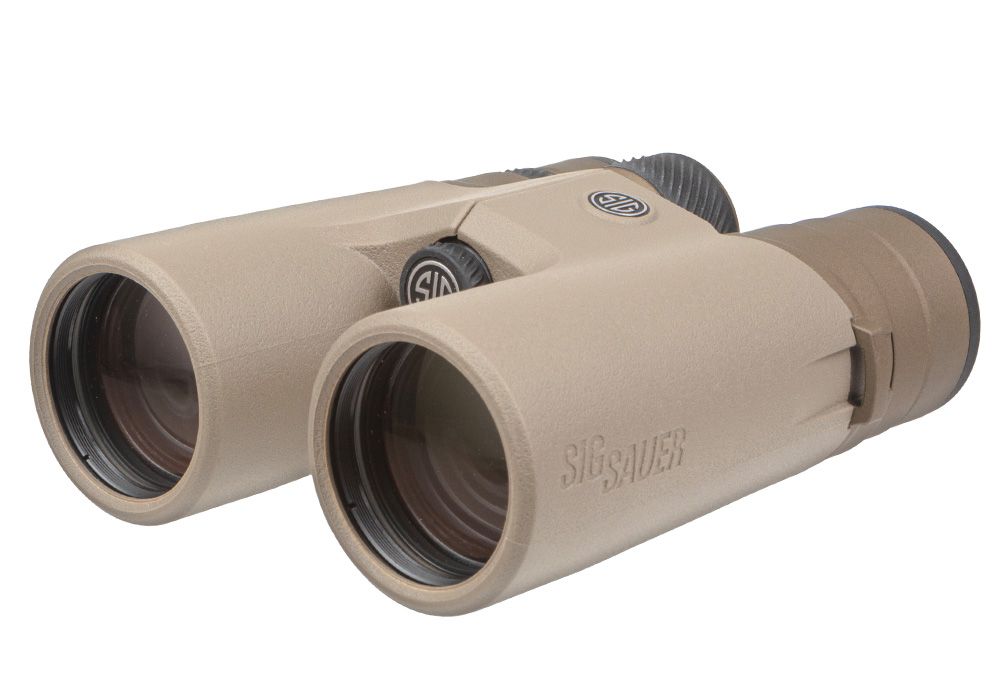
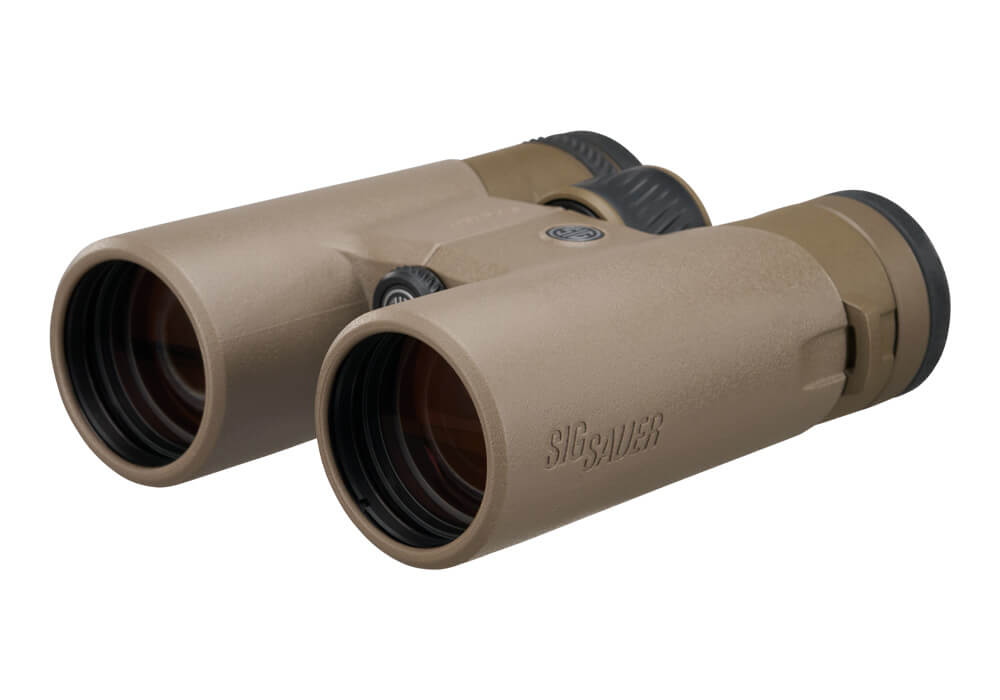
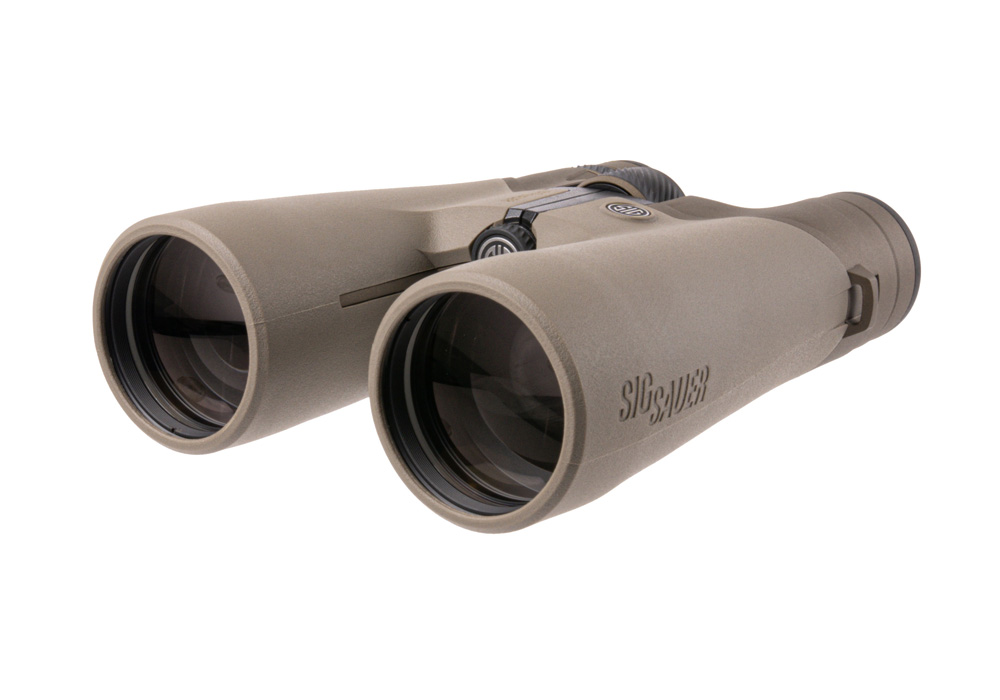
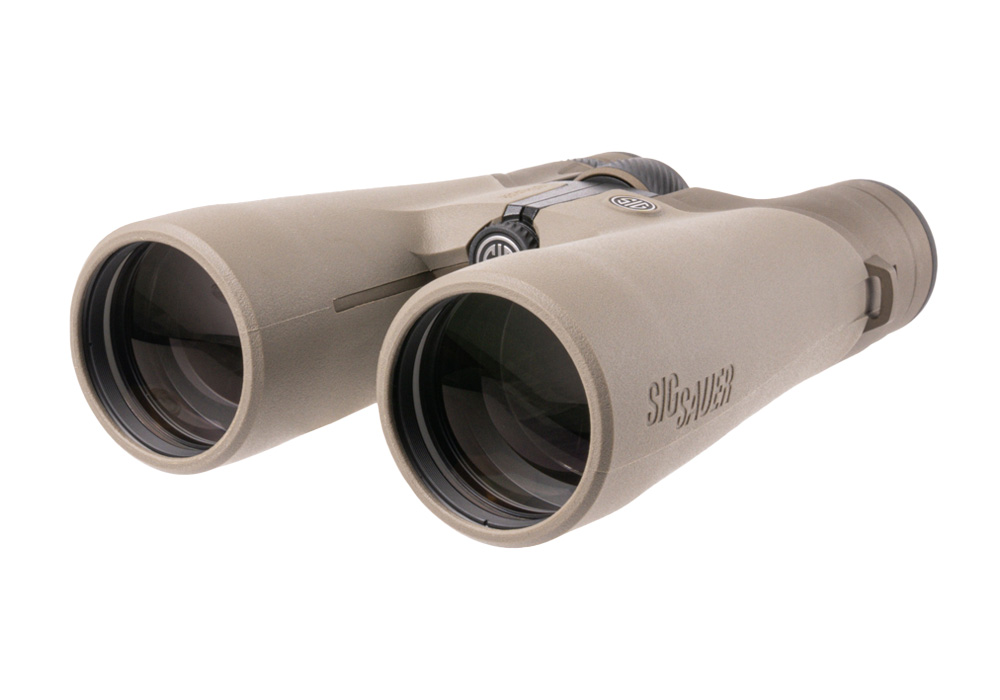
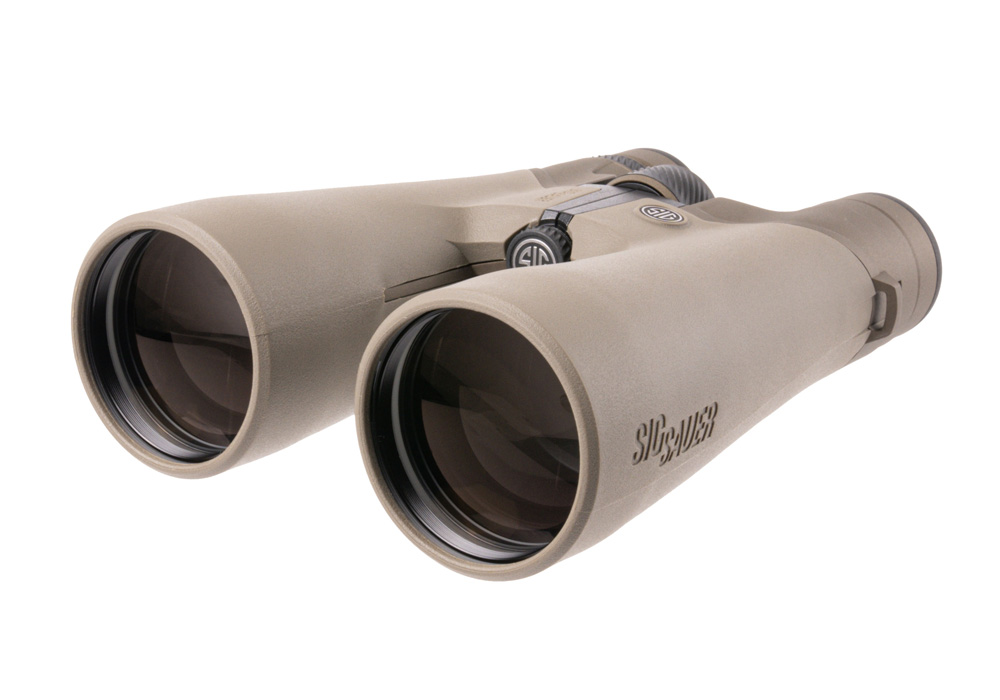
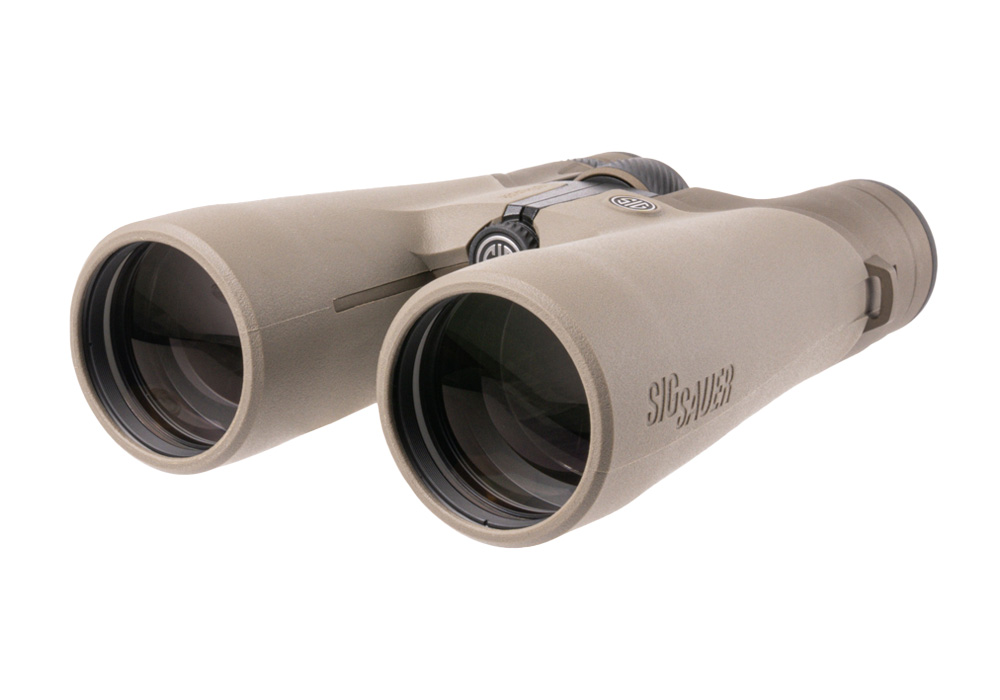
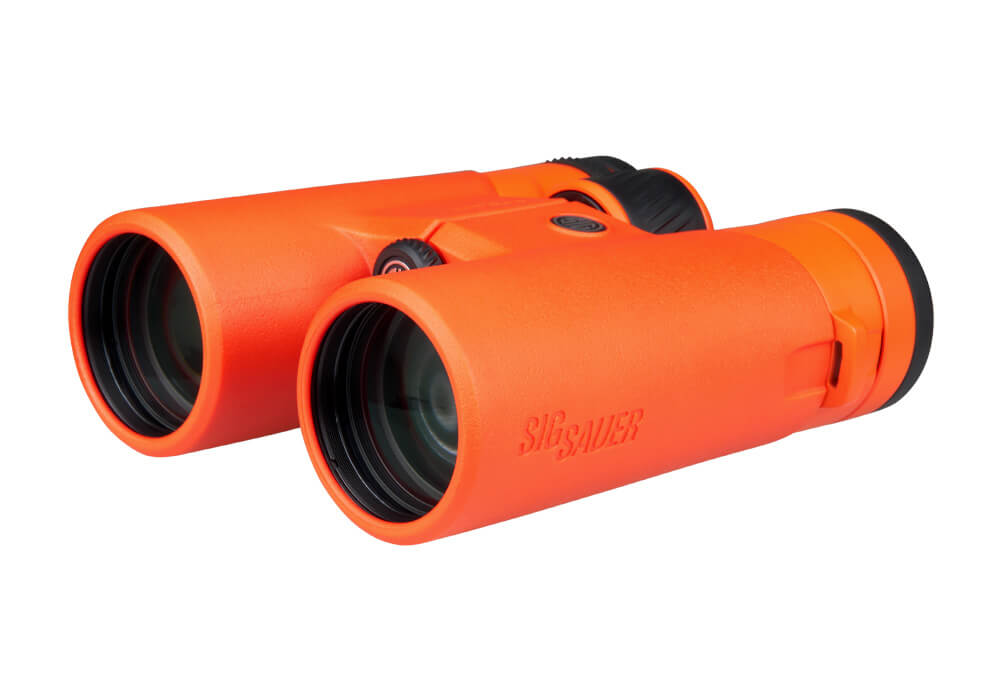
Bird watching binoculars bring distant details into view without requiring a closer approach, helping observers distinguish a fine eye ring, a barred wing, or the shape of a bill while leaving birds undisturbed. An 8x42 configuration is a common all-around choice for bird watching because it balances useful magnification, image brightness, a comfortable field of view, and manageable handheld movement. The first number indicates magnification: an 8x binocular makes a subject appear eight times closer than it does to the unaided eye. The second number is the diameter of each objective lens in millimeters. Larger objective lenses gather more light, although overall brightness also depends on optical quality, coatings, and the viewer’s eyes. For someone following a small songbird through branches, the relatively forgiving view of many 8x binoculars can be more useful than additional magnification. A 10x configuration can reveal finer detail on a distant shorebird or a perched raptor, but it also makes hand movement more noticeable and often provides a narrower field of view than a comparable 8x design. Field of view, commonly expressed as a width at 1,000 yards, describes how much of the scene appears through the binoculars. A broader view helps locate a bird and follow its movement between perches. Close-focus distance matters at the other end of the range, especially when watching a hummingbird near a garden or examining feather detail on a bird just beyond a trail railing. Full-size 42mm binoculars offer a practical balance for many outings, while 32mm designs can reduce bulk for longer walks. Smaller pocket binoculars prioritize portability, with a viewing experience that may require more precise eye placement. The most suitable balance depends on whether the binoculars will spend more time beside a backyard window, on a trail, or trained across open water.
Optical performance is about more than magnification alone. Good contrast helps separate a bird’s outline from overlapping leaves, while accurate color rendering supports comparisons between similar plumage patterns. Extra-low-dispersion glass can reduce color fringing along high-contrast edges, such as a dark bird against a bright sky. Antireflective lens coatings help more light pass through the optical system, and fully multicoated optics generally indicate coatings on all air-to-glass lens surfaces. Prism design and prism coatings also influence the image, so glass terminology alone does not describe the entire viewing experience. For birders, useful clarity includes the ability to resolve subtle markings without constantly searching for the sharpest point in the view. A smooth central focus wheel helps when attention moves from a nearby branch to a distant treetop, and a diopter adjustment accommodates differences between the viewer’s eyes. Fit is equally important during extended observation. Adjustable barrel spacing should allow both eyes to see one circular image, rather than two overlapping views. Twist-up eyecups help position the eyes at the appropriate distance from the lenses. For eyeglass wearers, eye relief of roughly 15 to 20 millimeters is often a useful starting point, although eyeglass shape and eyecup design affect whether the full field remains visible. Binoculars that feel comfortable for a brief look may feel different after several minutes following a woodpecker around a trunk. Balance, grip texture, thumb position, and focus-wheel placement all contribute to comfortable handling. Rubber armor can improve grip and cushion minor knocks, while aluminum, magnesium, and reinforced polymer housings offer different combinations of weight and structural strength. Sealed construction and internal gas purging can help protect the optical system against moisture and internal condensation; the stated protection rating is more informative than appearance alone. These features support durability, but careful handling still matters. A comfortable neck strap or supportive harness can also make full-size binoculars easier to carry without leaving them buried in a bag when a bird appears.
Bird watching binoculars suit a wide range of routines, from a few quiet minutes watching a feeder to hours spent observing waterfowl from a viewing platform. A beginner may appreciate a generous field of view and straightforward focusing, while an experienced observer may place greater emphasis on fine contrast, close focus, or the feel of the controls. Gardeners, walkers, wildlife photographers, and families can all find uses for binoculars beyond identifying a species: watching feeding behavior, noticing how a bird moves through cover, or seeing the difference between resting and alert postures. For outings where luggage space and walking comfort carry extra weight, Travel Binoculars offer another relevant category to consider alongside full-size birding optics. As a gift, binoculars are especially personal because hand size, eyeglasses, and carrying preferences influence everyday comfort. An easy-to-adjust design can also help when binoculars are shared between adults or with a younger observer under supervision. Thoughtful care preserves the view that makes these details enjoyable. Loose grit should be removed with a suitable blower or soft optical brush before wiping the lenses, since rubbing particles across the surface can scratch coatings. Lens-safe cleaning fluid and a clean optical cloth are preferable to clothing, paper towels, or household glass cleaners. Lens caps protect exposed surfaces between observations, and a padded case limits contact with other equipment during transport. Binoculars should be dry before enclosed storage, with straps and attachment points checked periodically for wear. Beyond protecting the optics, a little attention to carrying habits makes them easier to use: a secure, accessible position is more practical than a loose pair swinging against a railing. Whether the subject is a familiar cardinal at a feeder or an unfamiliar silhouette across a pond, well-chosen binoculars support patient observation, revealing identifying marks and small behaviors while allowing birds the space to continue undisturbed.