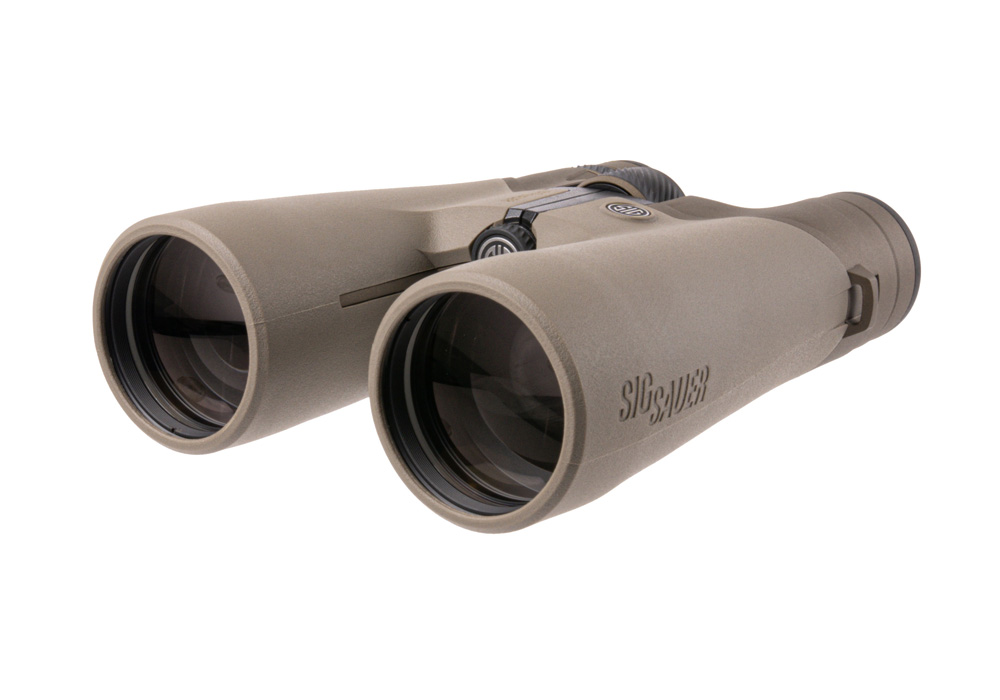
Binoculars for Wildlife Watching

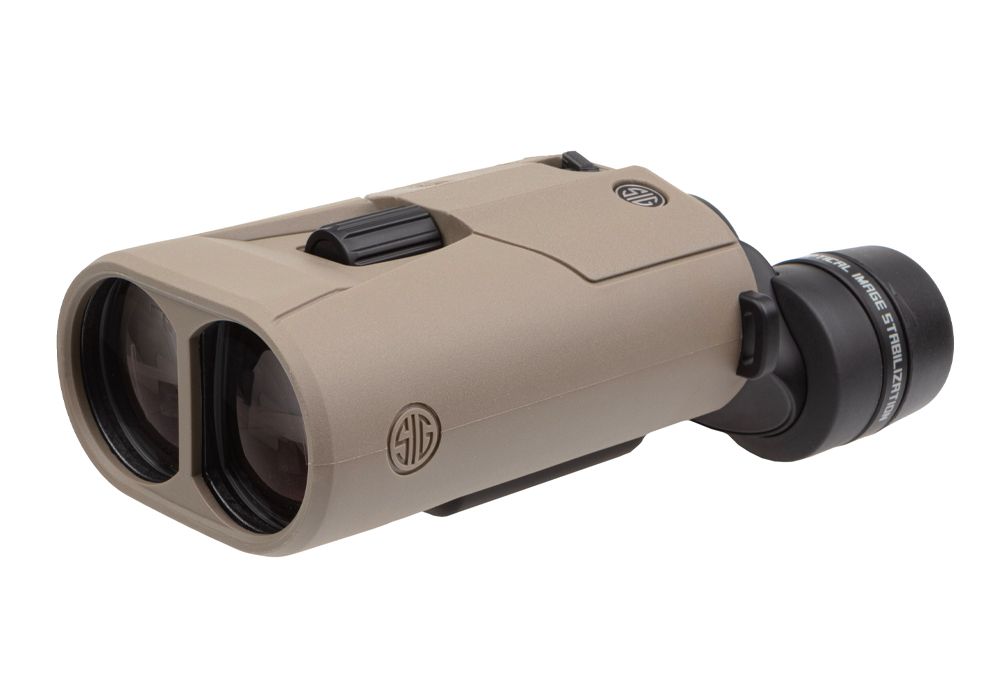
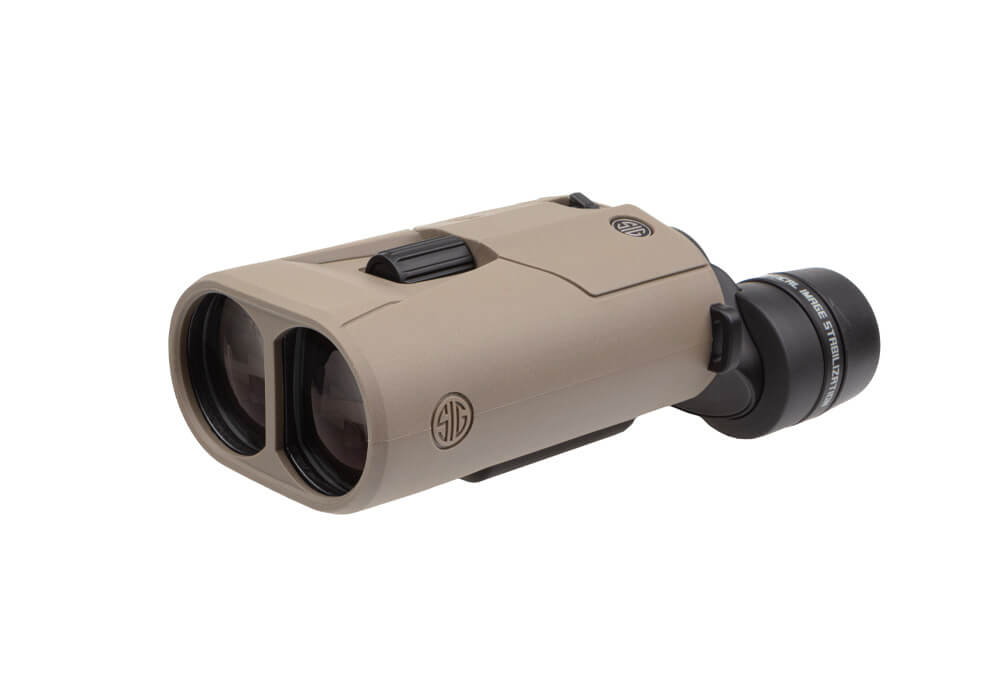
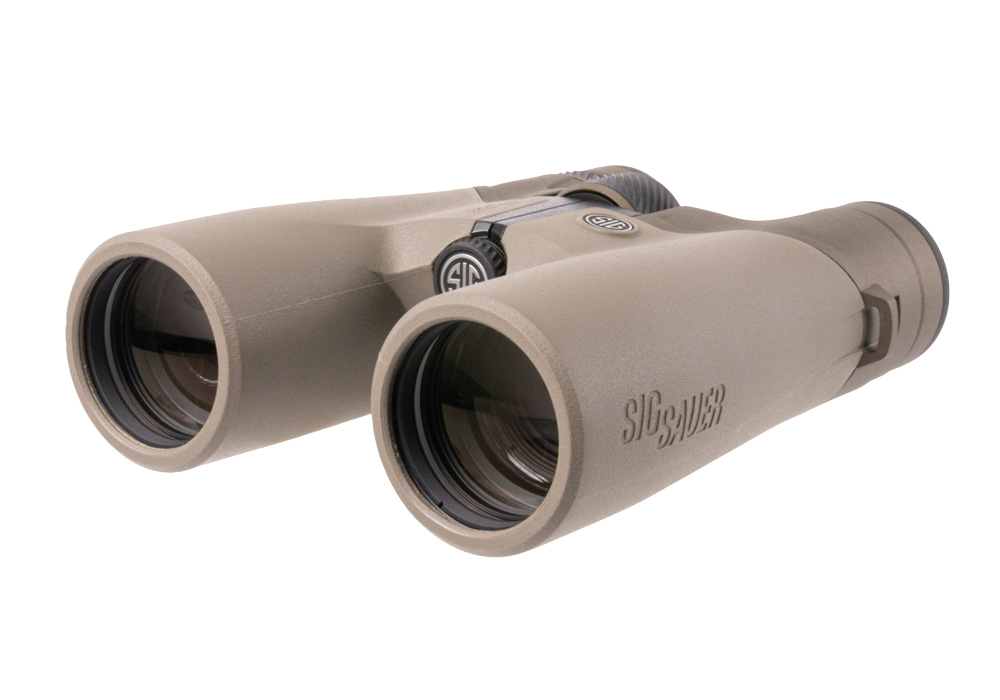
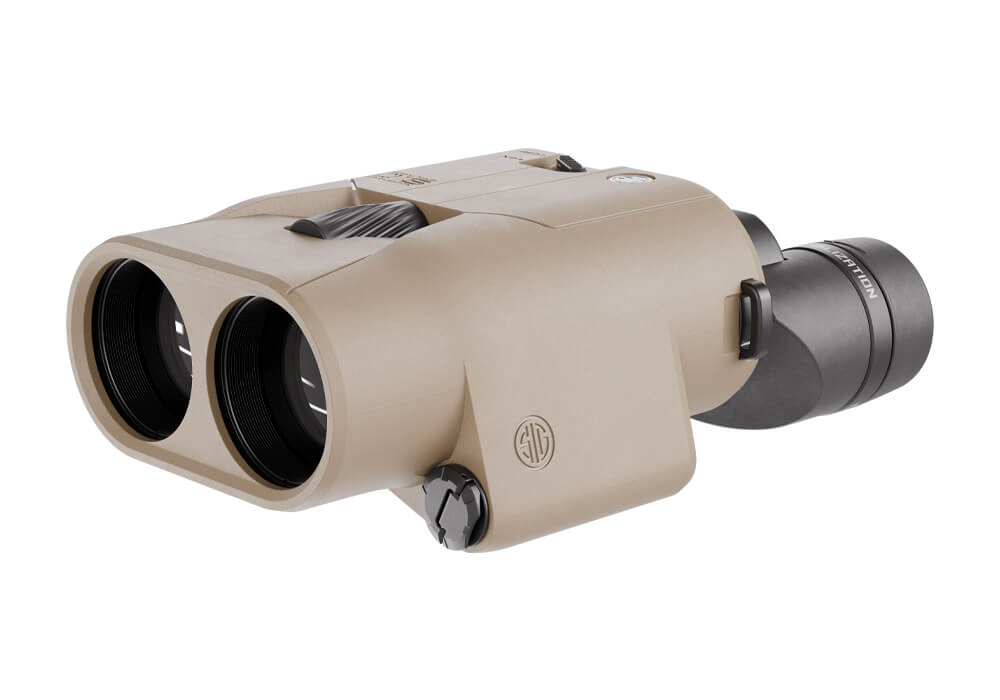
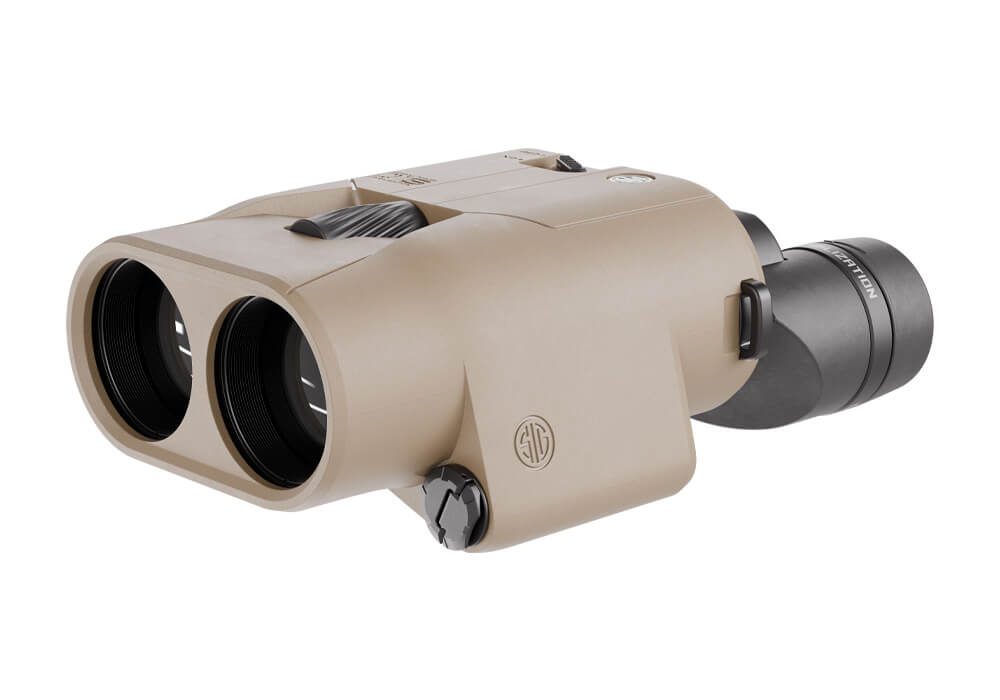
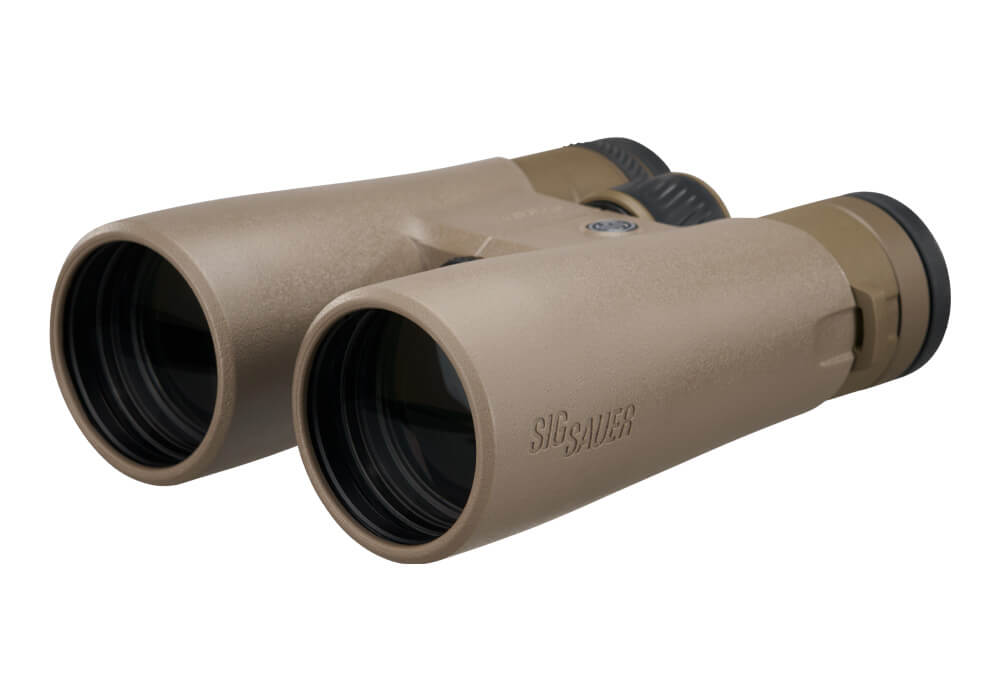
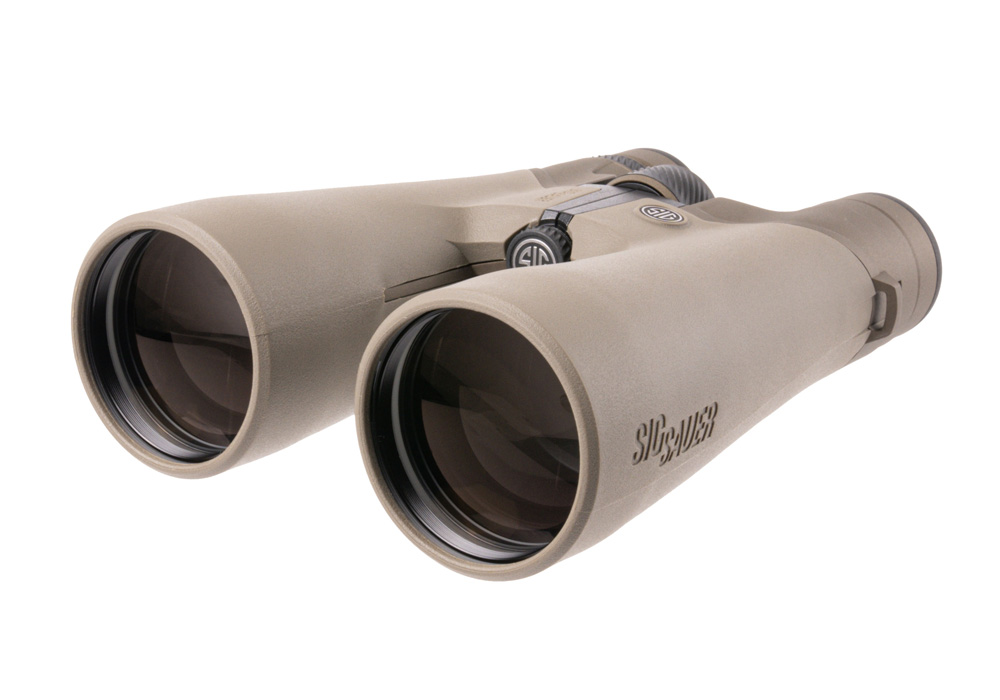
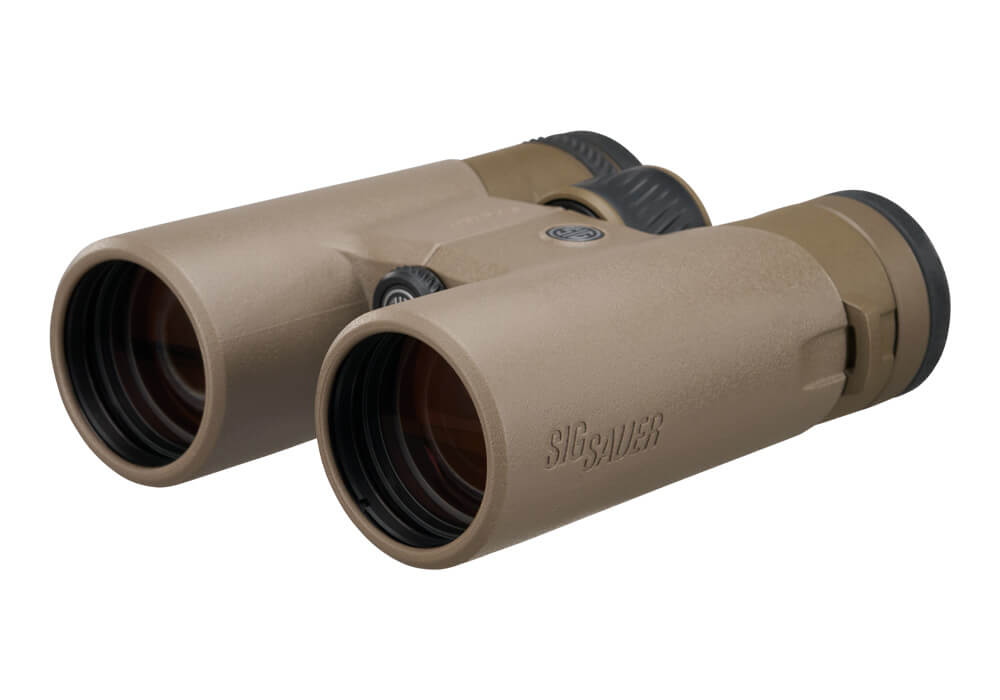
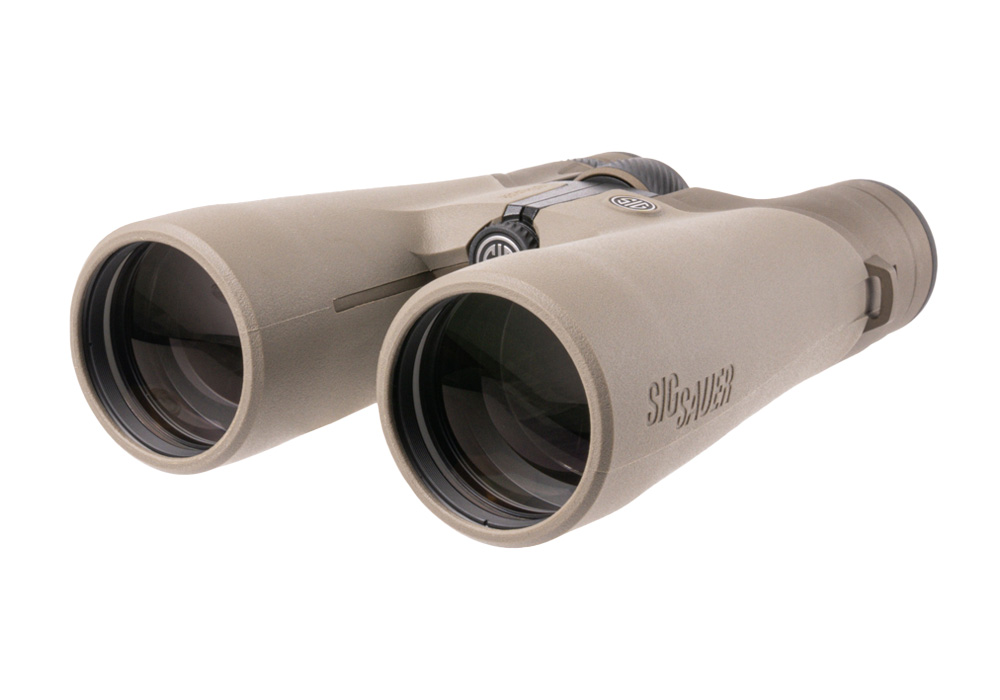
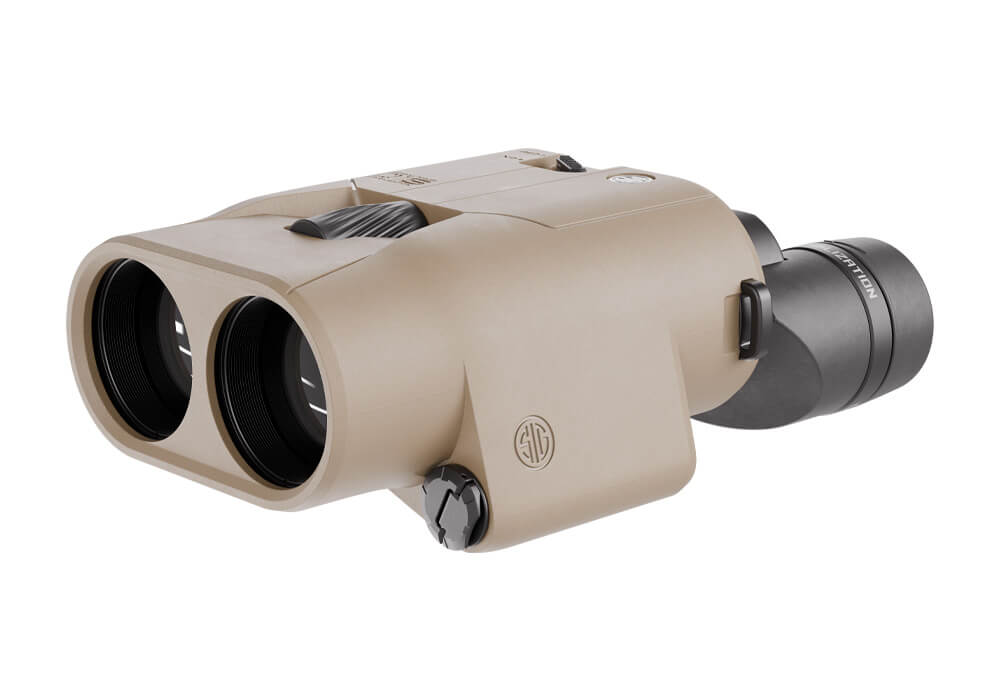
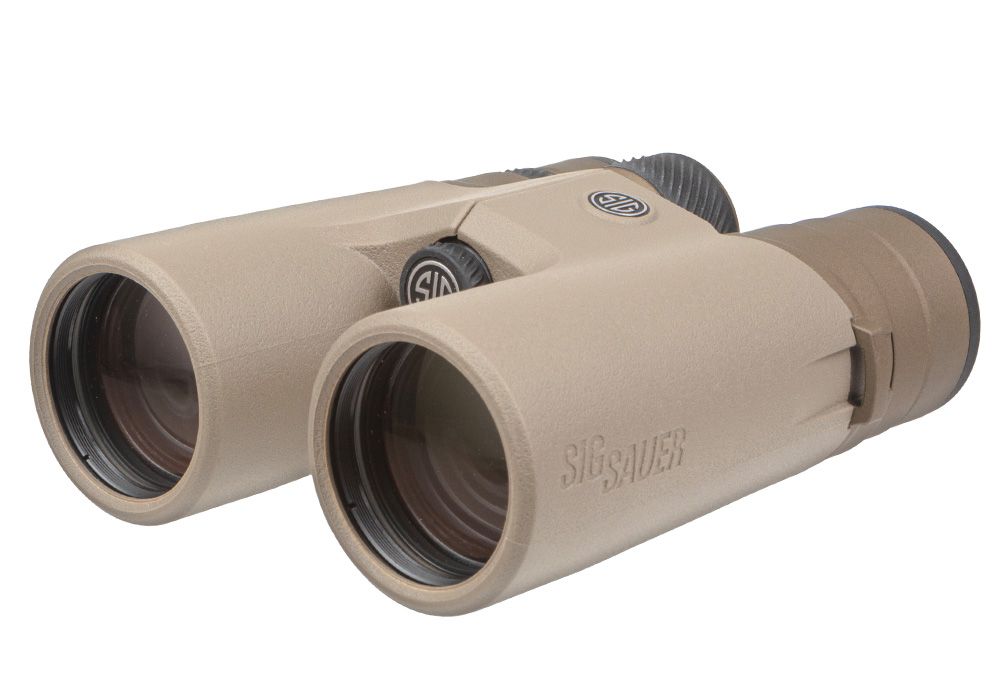
See more of the wildlife that calls your property home. SIG SAUER binoculars bring field-ready clarity to woodland edges, open pastures, and distant ridgelines. Compare magnification, glass, and handling to find the right fit for your observation routine—from scanning for movement to studying fine detail. Explore rugged conventional binoculars and image-stabilized options for your field kit or a useful gift.

per page
Binoculars for wildlife watching bring distant animals into clearer view while allowing observers to keep a respectful distance. The most useful combination of magnification, objective lens size, and field of view depends on whether the view stretches across an open meadow or follows a small bird through tangled branches. An 8x binocular makes a subject appear eight times closer and generally offers comfortable handheld viewing, while 10x magnification reveals more distant detail but also makes hand movement more noticeable. Common configurations such as 8x42 and 10x42 balance useful magnification with objective lenses large enough for many wildlife settings. The second number identifies the objective lens diameter in millimeters, not the magnification. Larger objective lenses can collect more light, although image brightness also depends on optical quality, coatings, magnification, and the viewer’s eyes. Compact binoculars are easier to carry on a long walk, while larger designs may be more comfortable for extended observation from a fixed position. Field of view matters just as much as apparent closeness: a broad view helps locate a deer at the edge of a clearing or keep a flying heron in sight. Close-focus distance deserves attention, too, especially for watching butterflies, studying a perched hummingbird, or noticing the markings of an animal nearby. Lens coatings help reduce reflections and improve light transmission, while well-controlled color fringing keeps fine edges, such as dark feathers against a bright sky, more distinct. Sharpness across the image can make it easier to follow movement without constantly repositioning the binoculars. In shaded woodland or around dawn and dusk, clear optics and a steady image can be more useful than extra magnification alone. Wildlife binoculars work best as a balanced optical system, with enough reach to reveal behavior and enough visual comfort to keep that behavior in view. That balance supports everything from a brief look at a backyard visitor to a patient watch across a wide stretch of habitat.

Comfort becomes especially important when binoculars stay at eye level for more than a few moments. The distance between the barrels should adjust to match the viewer’s eyes, producing one complete circular image rather than overlapping views or dark edges. Adjustable eyecups help position the eyes at the correct distance from the lenses, and sufficient eye relief allows many eyeglass wearers to see more of the available field without removing their glasses. Published eye-relief measurements are useful, but eyecup shape and personal fit also affect the experience. A smooth center-focus wheel makes it easier to shift attention from a nearby branch to an animal farther across the water, while a diopter adjustment compensates for differences between the eyes. Controls that are easy to find by touch reduce the need to look away just as an animal begins to move. Weight and balance influence comfort as much as overall dimensions. A compact body may suit a small daypack, while a fuller grip can feel more secure during a long observation session. Roof-prism designs often provide a slim profile, whereas porro-prism designs typically have a wider, offset shape; either layout can offer satisfying views when the optics and alignment are sound. Aluminum, magnesium, and reinforced polymer housings offer different combinations of weight, rigidity, and handling feel. Rubber armor improves grip and helps protect exterior surfaces from routine bumps, although it does not replace careful handling. Sealed construction helps resist moisture and dust, and internal gas purging can help limit internal lens fogging. These features are worth distinguishing from an exterior coating intended to make lenses easier to clean. A comfortable neck strap or supportive harness can reduce fatigue during longer walks, while a tripod-compatible design can be useful for watching a distant nest or scanning a broad landscape from a stationary position. Secure attachment points, a protective case, and practical lens covers also contribute to everyday durability.

Wildlife watching can mean following a kingfisher along a riverbank, identifying the shape of an owl tucked close to a trunk, or watching a fox pause at the far side of a field. Birders, hikers, photographers scouting a location, and families exploring a nature preserve all benefit from binoculars that are straightforward to focus and comfortable to share. For younger observers, manageable weight, an appropriate adjustment range between the eyepieces, and a secure strap can matter more than additional magnification. As a gift for a nature enthusiast, binoculars offer lasting usefulness without requiring the recipient to pursue one particular species or outdoor activity. Familiarity with the recipient’s usual outings, eyeglasses, and carrying preferences helps narrow the relevant features. Travelers whose interests also include landmark views and scenic overlooks may find similar priorities in Binoculars For Sightseeing. Wherever observation takes place, binoculars support a quieter approach: more visible detail from farther away means less reason to approach an animal, crowd a nesting area, or interrupt feeding. A clear view of posture and movement can reveal as much as a close look at markings, whether a bird is turning its head to listen or a deer is lifting its ears toward a sound. Consistent care helps preserve that clarity. Loose grit should be removed with a suitable blower or soft optical brush before the lenses are wiped, since rubbing particles across glass can scratch coatings. A clean lens cloth and an optical cleaning solution approved by the manufacturer are preferable to clothing or household cleaners. Lens covers and a protective case help keep debris away during transport, and binoculars should be dry before storage. They should never be aimed at the sun, which can cause serious eye injury. With suitable optics, a comfortable fit, and thoughtful handling, wildlife binoculars become a familiar part of observing animals without intruding on their space.

FAQ

Related Pages

Compare Products
Items
Launch Compare

Zip Code Verification

Some localities have legal restrictions on products which requires the validation of your ZIP code

Age Verification

Some localities have legal restrictions on products which requires the validation of your age