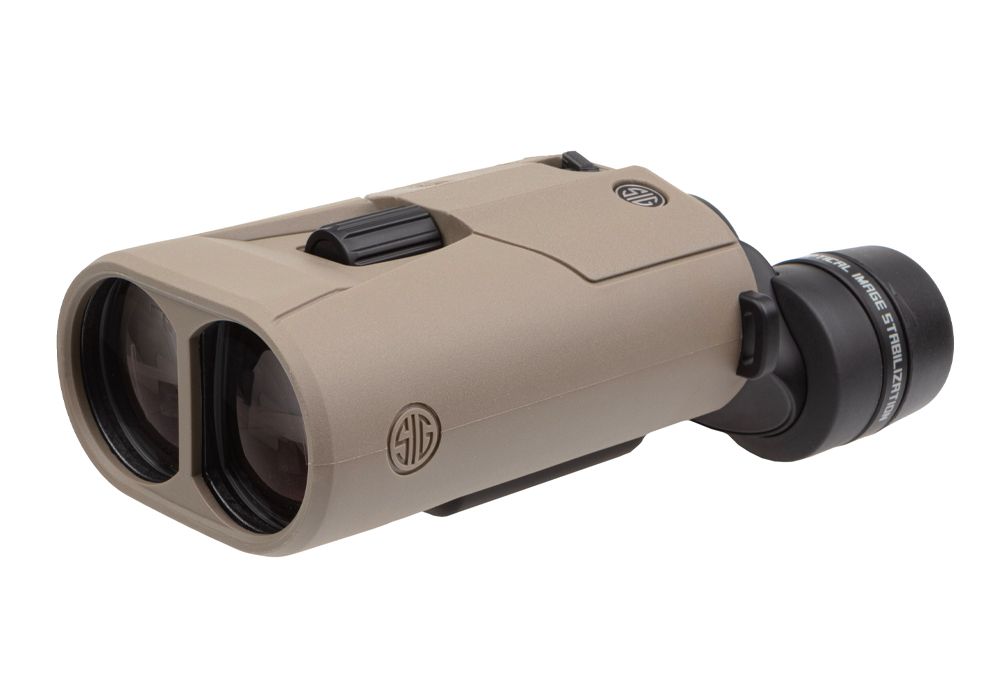
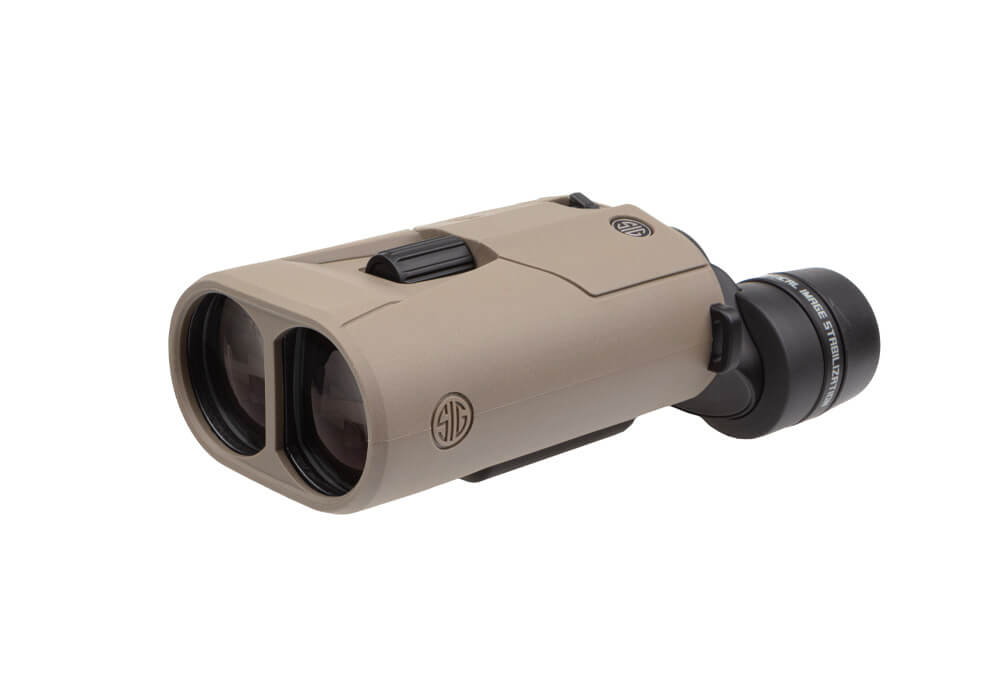
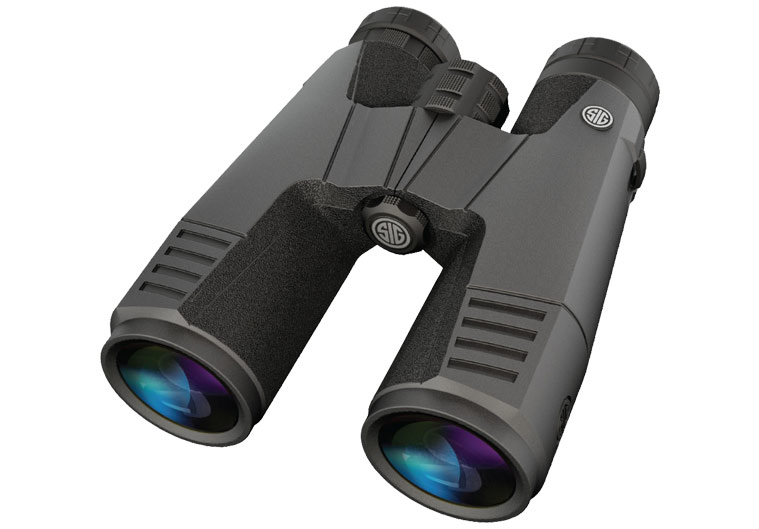
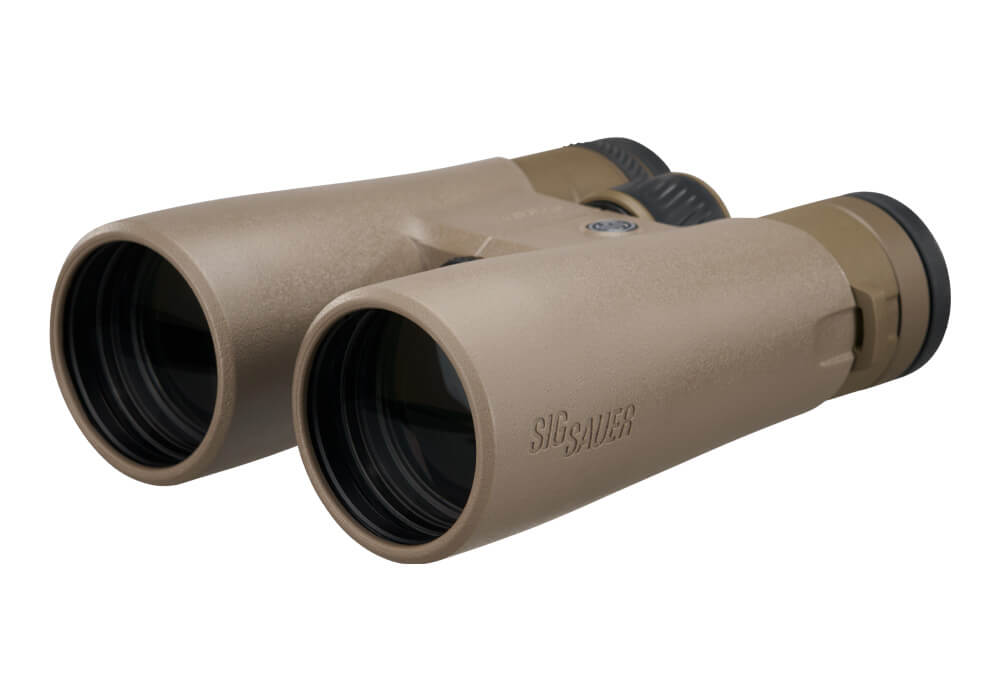
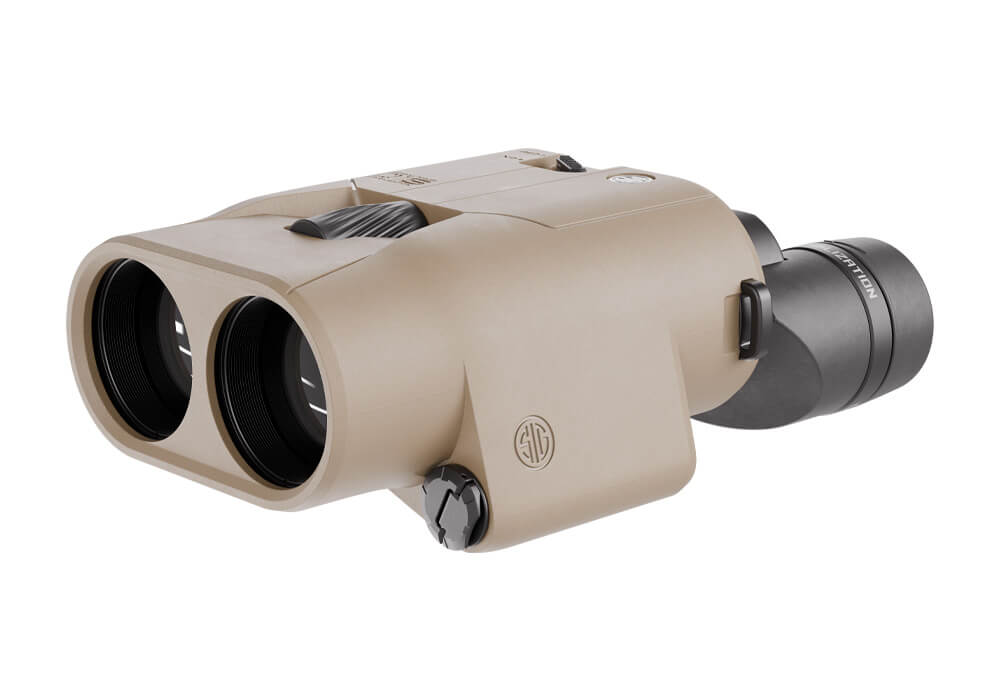
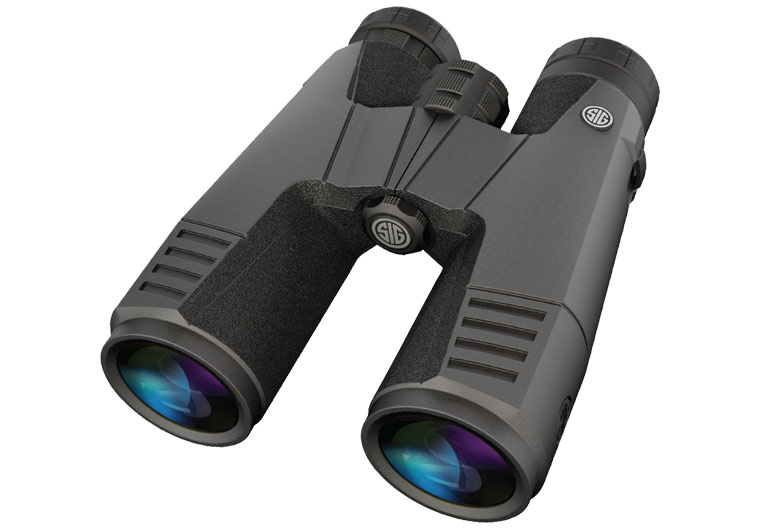
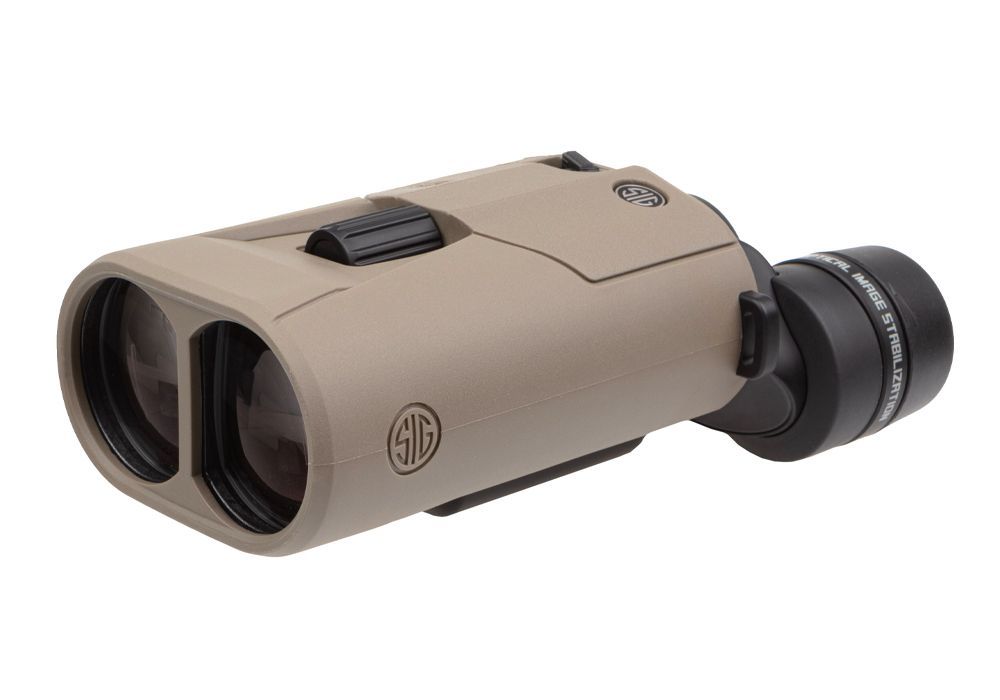
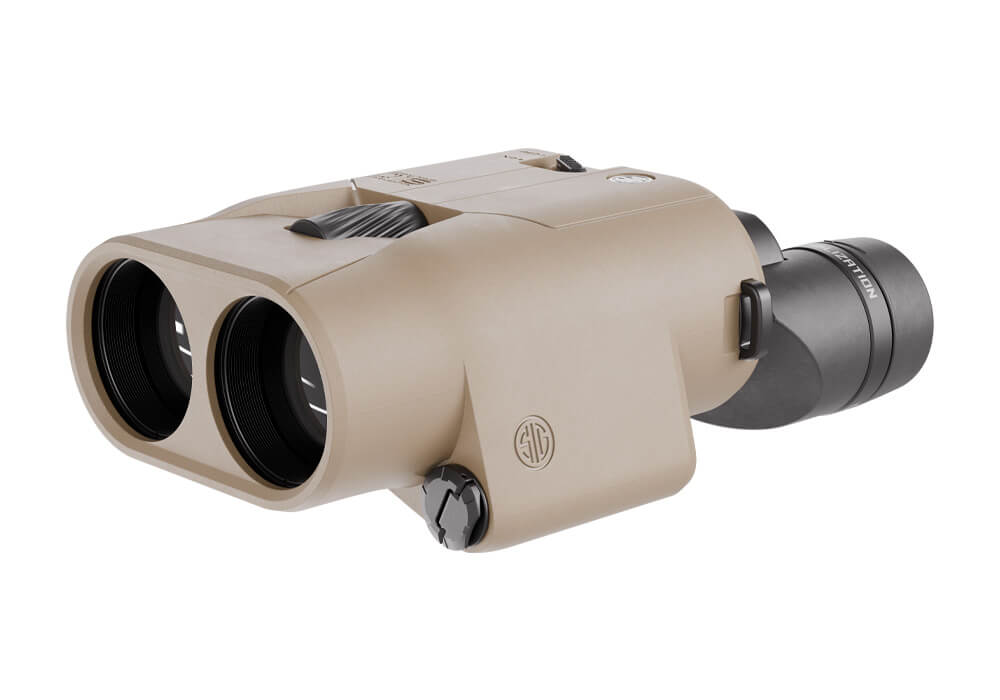
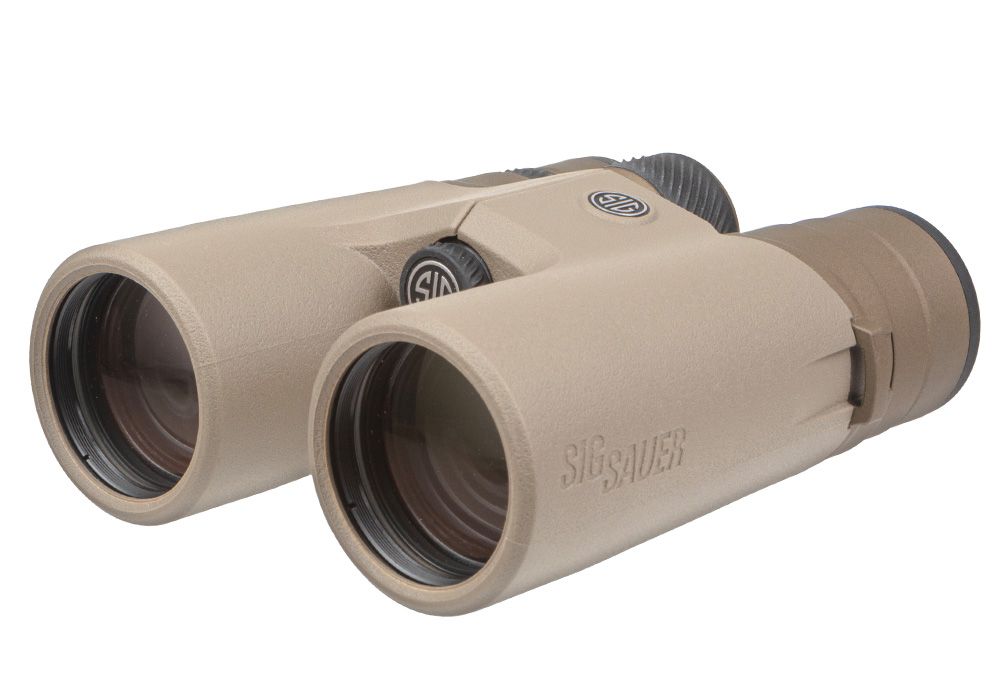
Binoculars for sightseeing bring distant details into comfortable view, from the carved figures on a cathedral facade to a ship moving across a harbor. For most handheld sightseeing, 8x to 10x magnification offers a useful balance of detail and ease of viewing. An 8x binocular generally provides a steadier image and, among comparable designs, a wider field of view, making it well suited to scanning city skylines, following boats, or taking in an entire landmark. A 10x binocular brings smaller architectural features and distant subjects closer, though it also magnifies hand movement and can require more careful handling. The numbers printed on binoculars explain both magnification and objective lens size: an 8x32 configuration enlarges the view eight times and has front lenses measuring 32 millimeters across. Objective lenses around 25 to 32 millimeters are practical for sightseeing when portability matters, while 42-millimeter lenses can provide a brighter view at the same magnification, particularly when available light is limited. Compact binoculars fit more easily into a small travel bag; larger designs can offer a more relaxed viewing experience but take up additional space. Lens diameter alone does not determine image quality. Optical design, glass quality, coatings, and alignment all influence clarity, contrast, and how comfortably the eyes settle into the image. Multicoated lenses help reduce reflections and improve light transmission, while effective control of color fringing can make details along building edges and tree branches look cleaner. Field of view is another useful comparison, usually expressed as the width visible at a stated distance. A broader view makes it easier to locate a statue across a plaza without repeatedly searching through the eyepieces. For travelers moving between broad panoramas and individual points of interest, a balanced combination of magnification, field of view, and manageable size is often more useful than the strongest magnification alone. Close-focus distance also matters when viewing garden displays, intricate stonework, or other details only a short distance away, since not every binocular focuses equally near.
Comfort becomes especially important when binoculars accompany a full day of walking, sightseeing stops, and repeated viewing. The best fit allows the barrels to adjust to the distance between the eyes, producing one complete circular image rather than two overlapping views. Eyecup design and eye relief affect that experience, particularly for people who wear glasses. Adjustable eyecups help position the eyes at a suitable distance from the lenses, while sufficient eye relief allows eyeglass wearers to see more of the full field without pressing their frames against the binoculars. Published eye-relief measurements are useful, but frame shape and eyecup construction also influence the fit. A smooth central focus wheel makes it easier to move from a nearby sculpture to a distant observation tower, and a diopter adjustment compensates for differences between the eyes once the main focus is set. Controls should feel accessible without forcing an awkward grip, especially when the binoculars are raised and lowered frequently. Weight and balance deserve equal attention: a compact design may travel easily, while a slightly larger body can feel more secure in the hands. Roof-prism binoculars typically have a streamlined shape with straight barrels, whereas porro-prism designs have offset barrels and may occupy more room in a bag. Body materials can include aluminum, magnesium, or reinforced polymers, with each design balancing rigidity, weight, and durability. Rubber armoring can improve grip and help protect the exterior from scuffs, although it does not make an optical instrument immune to impact. Waterproof construction and internal fog resistance are separate features worth comparing; neither should be assumed from rubber armoring alone. Sealing specifications and care requirements indicate the level of protection a particular design offers. A fitted case helps keep lenses separated from keys, charging cables, and other travel essentials, while secure lens covers protect exposed glass between stops. A comfortable neck strap or suitable carrying harness can keep binoculars accessible without requiring them to remain in hand throughout a museum district walk, a harbor tour, or an extended visit to an observation deck.
The appeal of sightseeing binoculars lies in the details that are easy to miss from a distance. At an overlook, they can separate individual rooftops from a dense cityscape; beside a historic building, they reveal decorative carvings above street level; along a waterfront, they bring rigging, channel markers, and shoreline features into clearer view. Travelers, architecture enthusiasts, garden visitors, and people who enjoy scenic rail journeys can all appreciate an optic that is simple to carry and quick to focus. Binoculars can also be a thoughtful gift for someone planning a memorable trip or a relative who enjoys unhurried visits to parks and landmarks. Comfortable handling and straightforward adjustments usually matter more for an occasional user than complicated features that rarely serve the outing. When binoculars will be shared, an easily adjusted hinge and accessible focus control help different viewers settle into the image with less interruption. The related selection of Binoculars For Camping is a natural companion for itineraries that pair landmark visits with trail overlooks and campsite stays. Wherever the destination, careful storage and lens care help preserve the viewing experience. Dust and grit are best removed with a suitable blower or soft optical brush before the glass is wiped, since rubbing particles across a lens can scratch its surface or coatings. Lens-safe cleaning materials are preferable to clothing, paper towels, or household cleaners, and the manufacturer's instructions should govern cleaning and storage. A protective case keeps the binoculars from knocking against other belongings, while an attached strap provides security during use. Binoculars should never be aimed at the sun, even briefly, because magnified sunlight can cause serious eye injury. With an appropriate fit, useful magnification, and thoughtful care, sightseeing binoculars become a practical travel companion for noticing more of a place without needing to move closer to every detail.