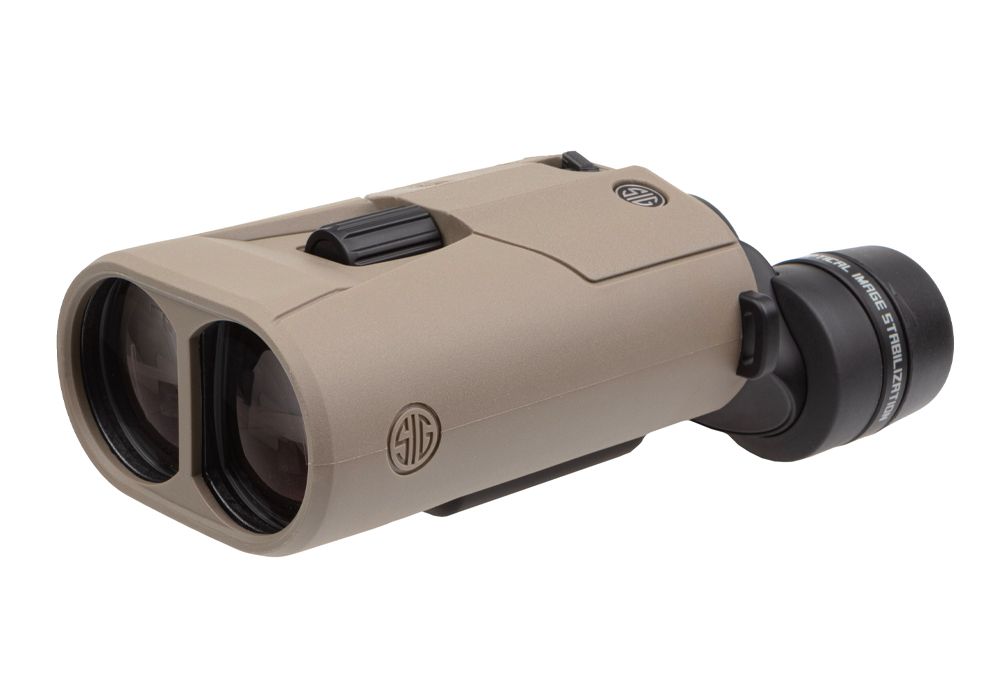
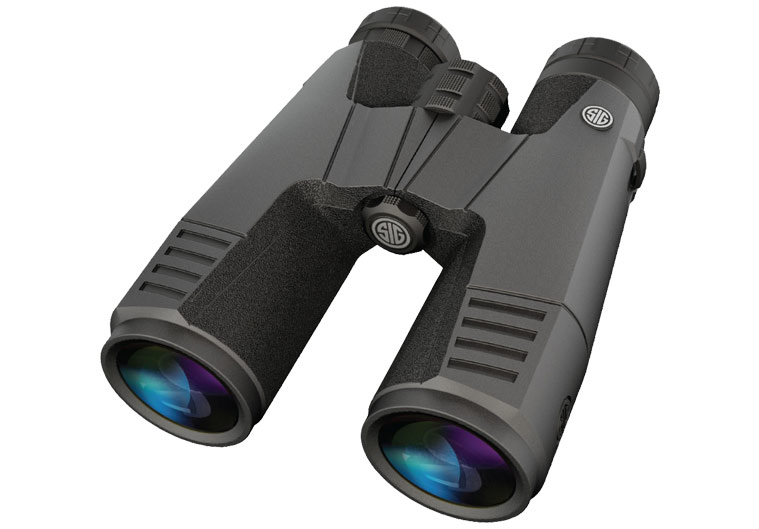
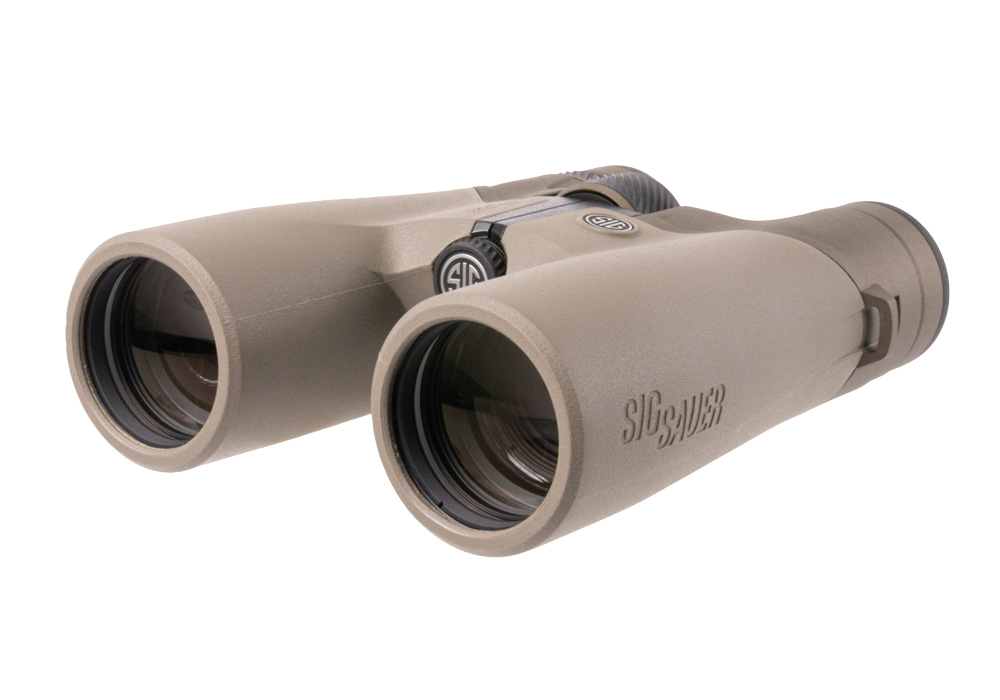
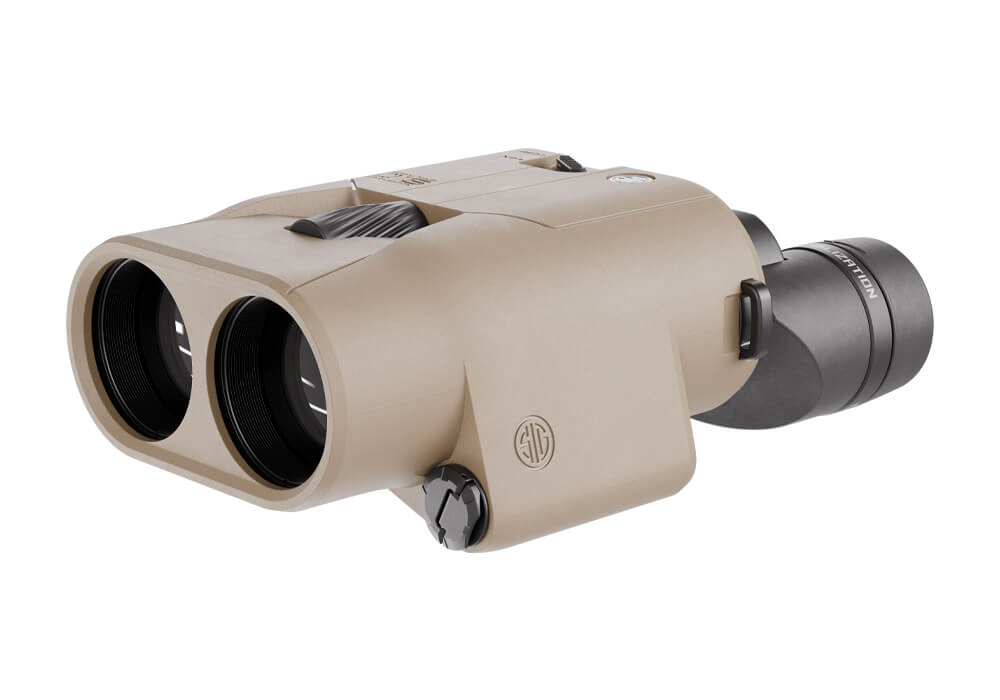
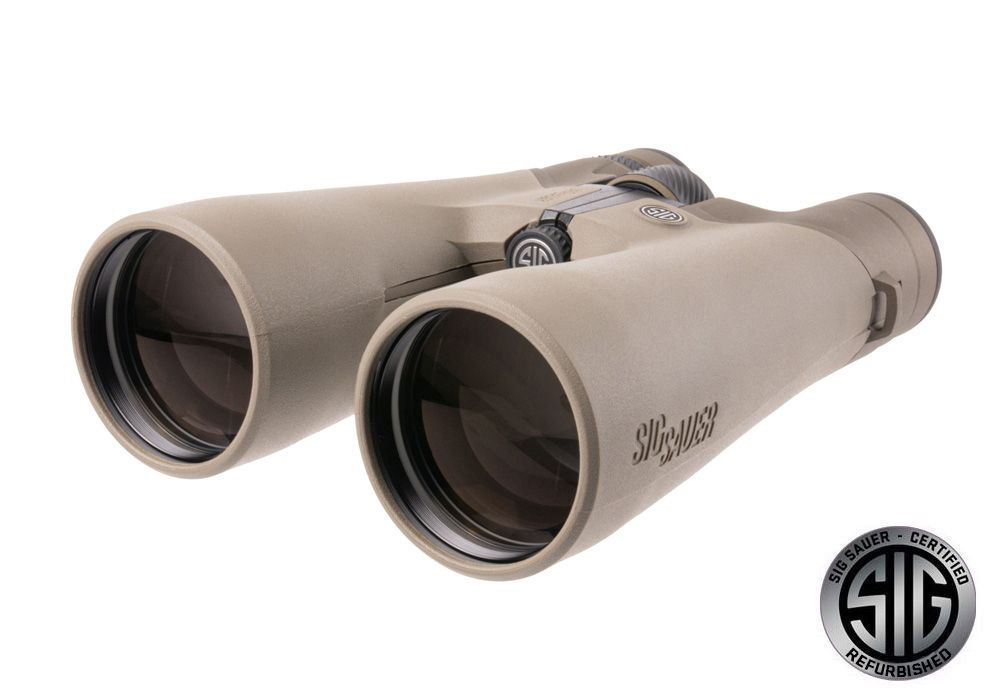
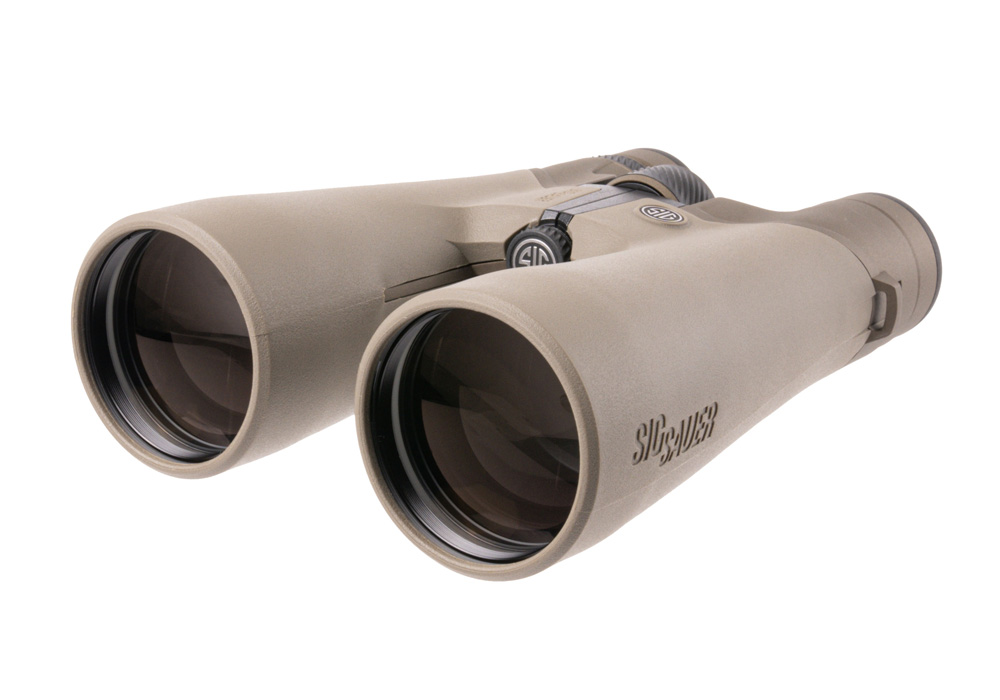
Binoculars for safari bring distant wildlife into clear view while allowing animals the space they need. A lion resting beneath a tree, an elephant moving through tall grass, or a small bird perched beyond the track can reveal details that are difficult to appreciate with the unaided eye. For general safari viewing, 8x42 and 10x42 binoculars offer a practical balance of magnification, light gathering, and portability. The first number indicates magnification, while the second gives the diameter of the objective lenses in millimeters. An 8x view is often easier to hold steady and typically provides a wider field of view than a comparable 10x design, helping viewers locate animals and follow movement through brush. That broader perspective is especially useful when watching a herd spread across a hillside or trying to find a bird that a fellow traveler has spotted. A 10x view gives distant subjects greater apparent size, which can help reveal feather markings, horn shapes, and other identifying features across open terrain. The tradeoff is more noticeable hand movement and, in many designs, a narrower view. Neither option eliminates vibration from a moving vehicle; the clearest observations usually come when the vehicle is stopped and elbows have a stable resting position. Objective lenses around 42mm are a versatile choice for game drives that include early morning and late afternoon viewing. At equivalent magnification and comparable optical quality, they can provide a brighter image in dim light than smaller objectives, although the viewer’s pupils and the binocular’s overall light transmission also affect perceived brightness. Compact 8x30 or 8x32 configurations reduce bulk and can be more comfortable during long stretches on foot. The most useful safari binoculars balance these characteristics around the actual experience: scanning broad landscapes, following active animals, and noticing small details without spending the entire outing adjusting equipment.
Optical quality matters as much as the numbers printed on the housing. Well-applied antireflective lens coatings improve light transmission and help control distracting reflections, while effective internal baffling helps preserve contrast when a bright background surrounds a shaded subject. These qualities can make the difference between seeing a dark silhouette and recognizing the texture of an animal’s coat beneath a canopy. Extra-low-dispersion glass can reduce color fringing along high-contrast edges, though glass type alone does not determine the quality of the complete optical system. Sharpness, contrast, color fidelity, and comfortable viewing all deserve attention. A generous field of view helps keep an animal in sight as it crosses a clearing, while useful edge sharpness allows more of the scene to remain recognizable without constant repositioning. Close-focus performance has a place on safari, too, particularly for travelers interested in butterflies, nearby birds, or the smaller wildlife around a lodge. Fit is equally important over repeated viewing sessions. The hinge should adjust to match the distance between the viewer’s eyes, producing one complete circular image rather than overlapping circles or dark edges. Adjustable eyecups help establish a comfortable viewing position, and sufficient usable eye relief allows many eyeglass wearers to see the full field without removing their glasses. Published eye-relief measurements are helpful, but eyecup shape and individual frames also influence the fit. A smooth central focus wheel should be easy to reach without shifting the grip, with enough control to move from a nearby branch to an animal farther away. A diopter adjustment compensates for differences between the eyes and normally needs setting only for the individual viewer. For binoculars shared between travel companions, straightforward controls make those changes less distracting. A balanced body, comfortable thumb placement, and a strap or harness that distributes weight can matter more during a long outing than a small difference in magnification.
Safari use also puts a premium on construction that stands up to frequent handling, transport, and exposure to dust. Depending on the design, binocular housings may use aluminum, magnesium alloy, or reinforced polymers to balance rigidity and weight. Rubber armor provides a more secure grip and helps protect the exterior from routine bumps, but it does not make an optical instrument immune to damage. Sealed construction helps protect internal components from dust and moisture, while nitrogen or argon purging helps limit internal fogging; those features do not prevent marks or condensation on the outside lens surfaces. Any protective rating should be understood according to the manufacturer’s stated testing conditions rather than treated as a promise of unlimited resistance. A protective case keeps binoculars from rubbing against other belongings in a travel bag, and objective covers and eyepiece caps help keep exposed glass clean between sightings. Fine grit should be lifted away with a suitable blower or soft optical brush before a lens cloth touches the surface. Lens-safe cleaning solution and a clean microfiber cloth are preferable to shirt fabric, tissues, or household cleaners, which can leave residue or damage coatings. Keeping the optics within easy reach, rather than buried beneath other gear, also makes a practical difference when an animal appears briefly beside the track. A secure harness can reduce swinging during a walk, while a comfortable neck strap may suit shorter viewing sessions from a vehicle or observation area. These details make safari binoculars useful for first-time travelers, experienced wildlife watchers, birders, and photographers who want to study a scene before lifting a camera. They can also be a thoughtful gift for someone preparing for a wildlife-focused trip, especially when the size, weight, and eyeglass compatibility suit the recipient. Their usefulness continues beyond a single itinerary: many of the same qualities support nature walks, scenic overlooks, and the outdoor observation associated with Binoculars For Camping. Comfortable, dependable optics encourage longer observation, revealing the small interactions and quiet behavior that turn a distant sighting into a memorable encounter.