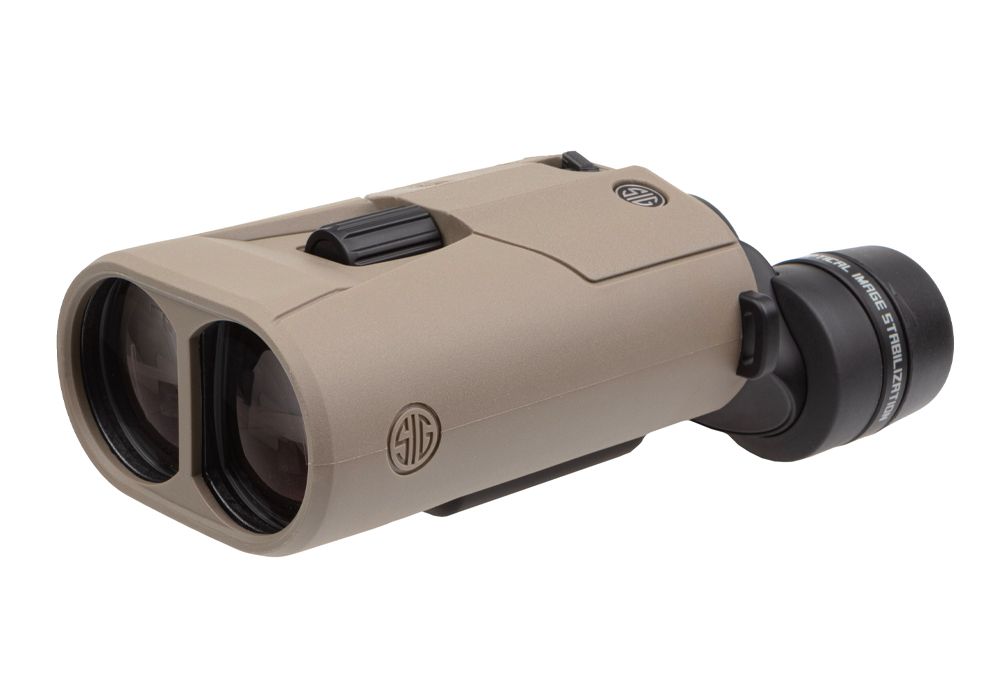
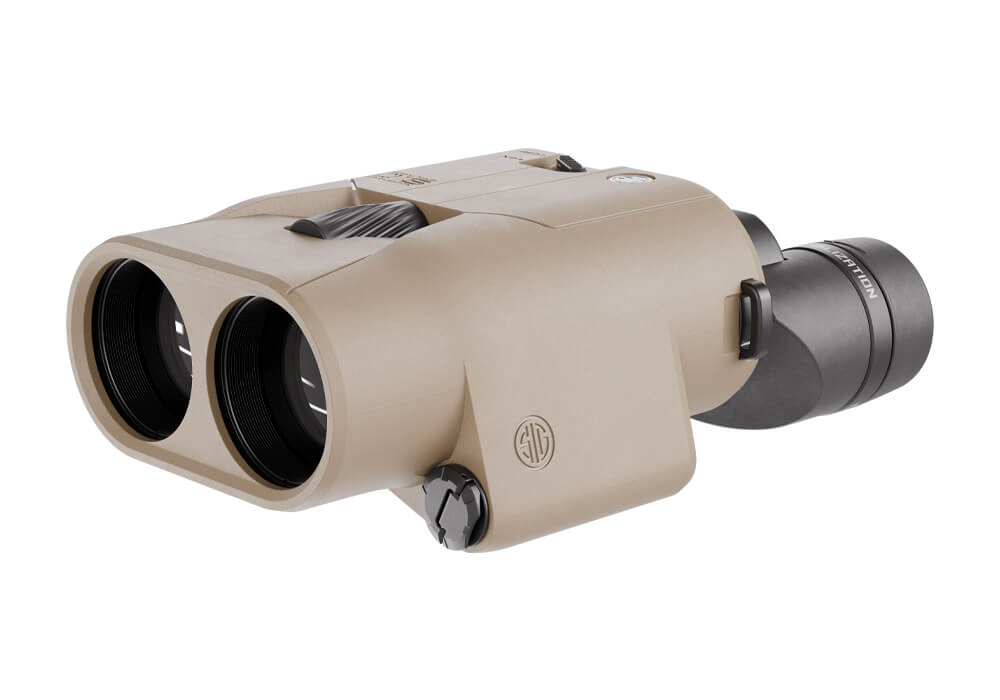
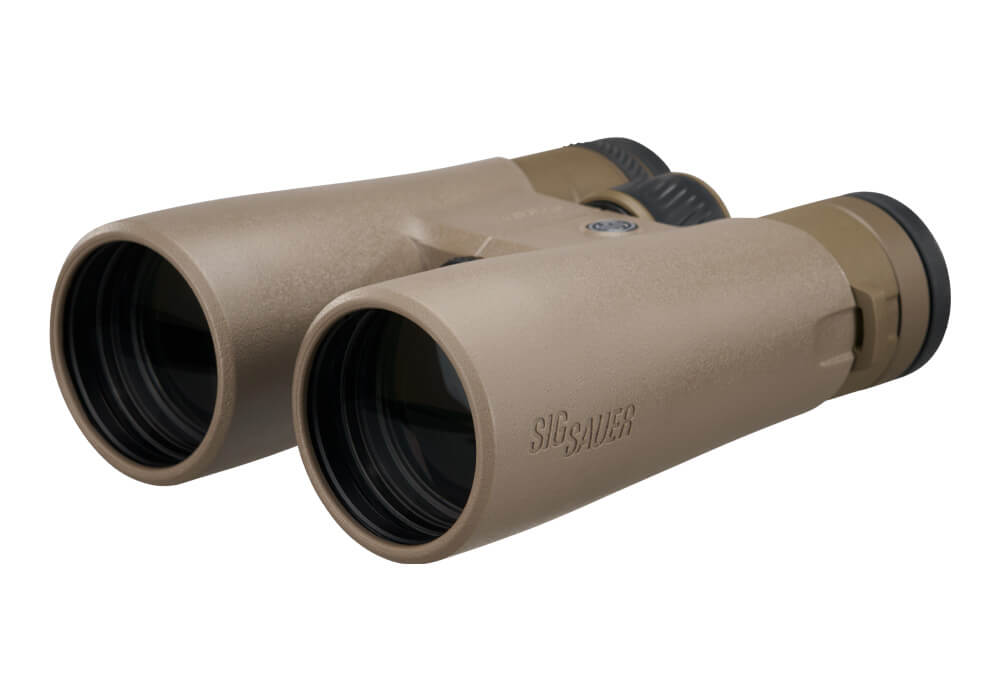
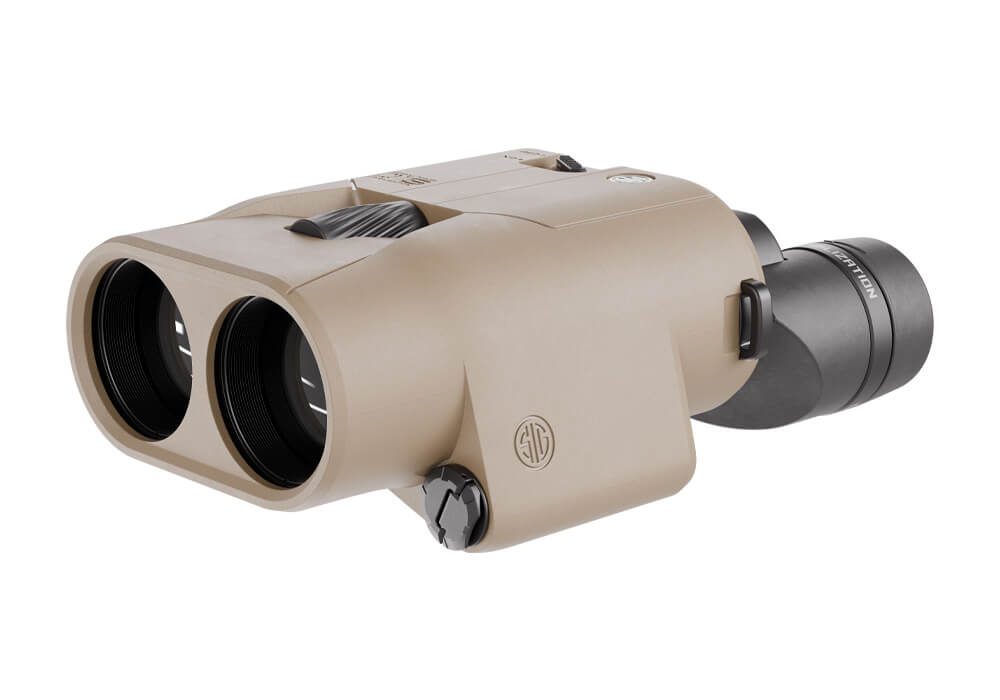
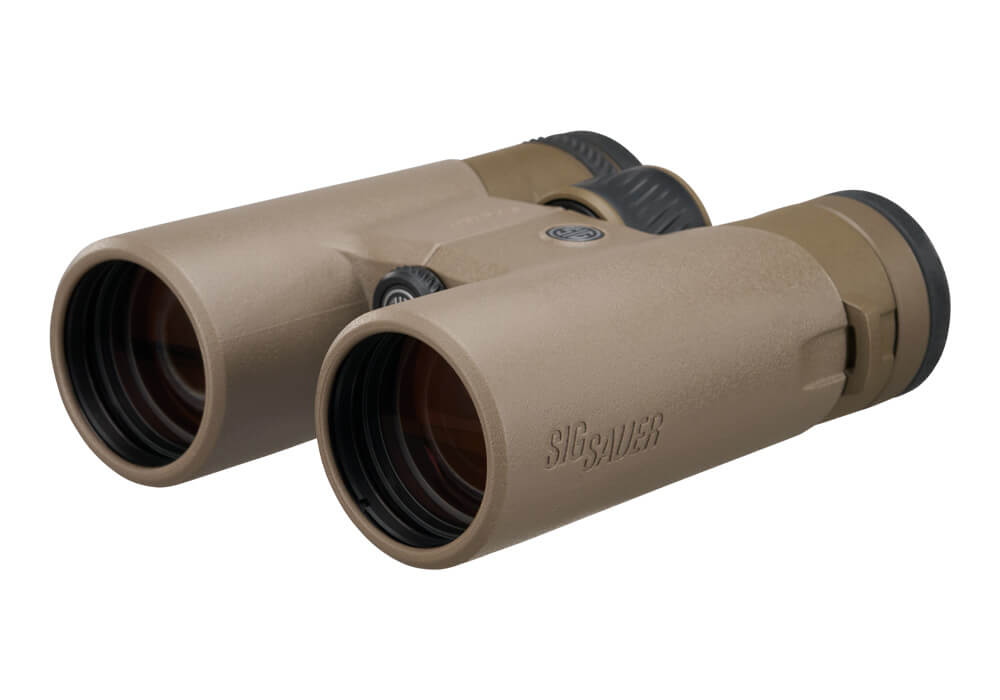
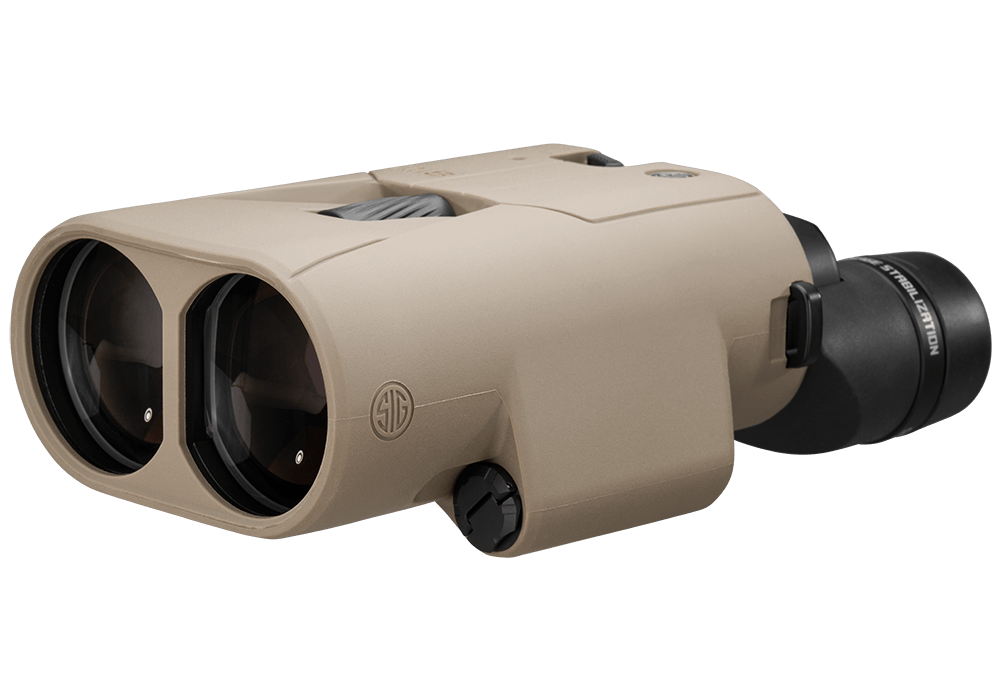
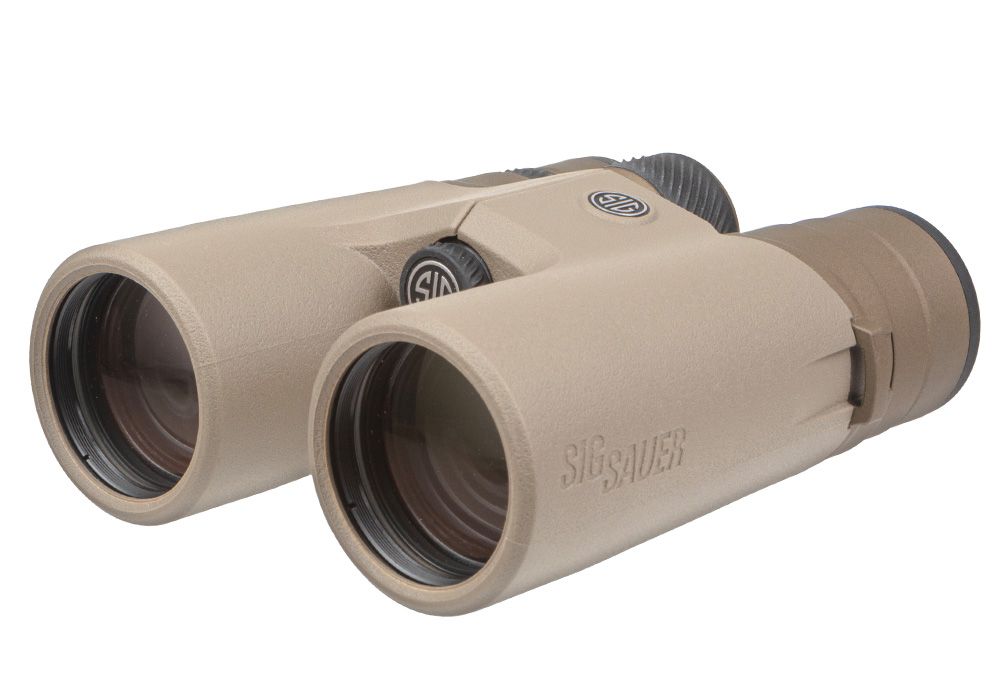
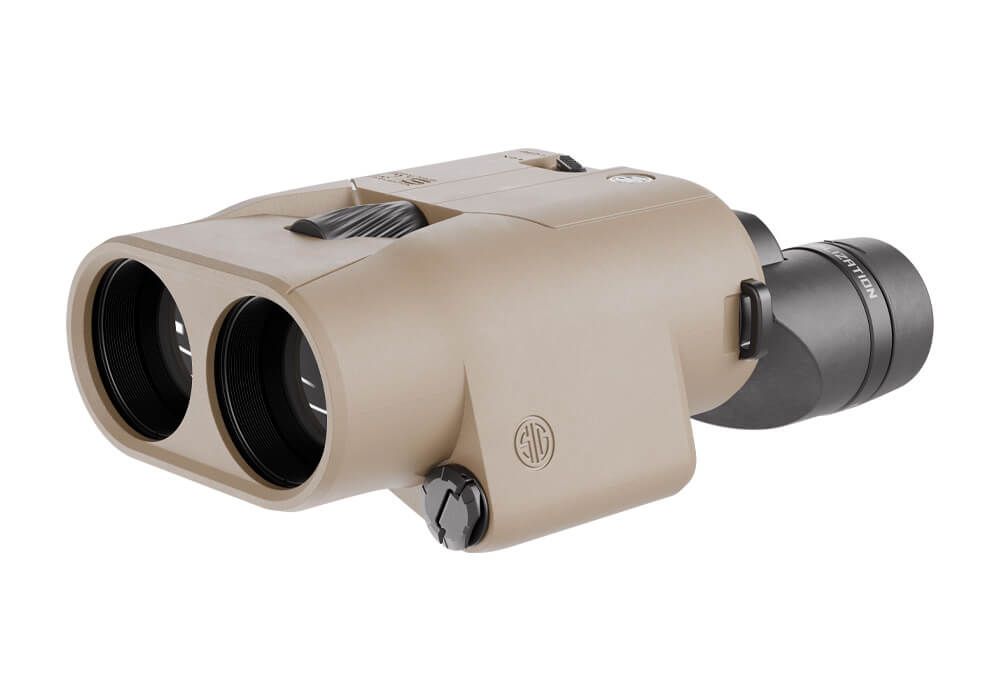
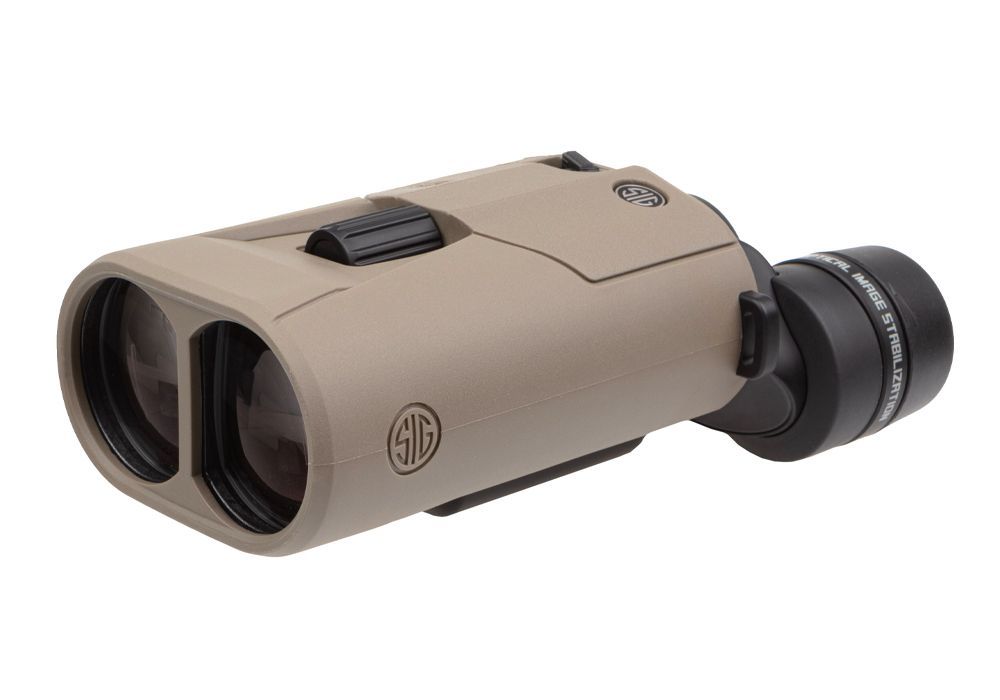
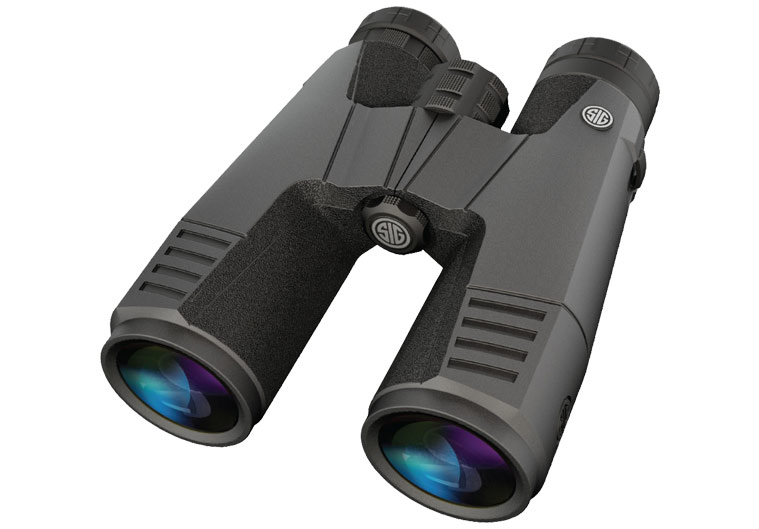
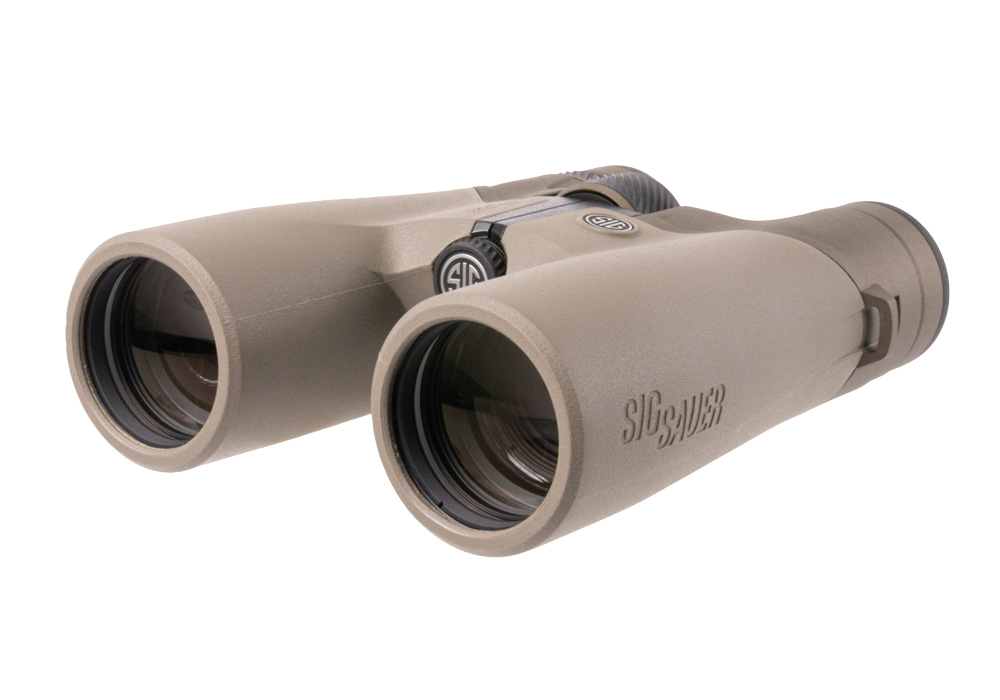
Binoculars for camping bring distant details into the experience without requiring a closer approach: a heron working the edge of a lake, an elk moving across an open hillside, or a trail winding toward a ridge beyond camp. They suit quiet observation from a picnic table as well as short walks away from the tent, giving campers a clearer view while leaving wildlife undisturbed. The most useful balance of magnification, lens size, and weight depends on how far the binoculars will travel and what they will be used to observe. In a configuration such as 8x42, the first number indicates eight-times magnification, while the second identifies the objective lens diameter in millimeters. Eight-times magnification is often comfortable for handheld viewing because movement is less pronounced than at higher magnification, and many 8x designs provide a generous field of view. That broader view helps with locating a bird among branches or following an animal across a clearing. Ten-times magnification reveals more distant detail, although hand movement becomes more noticeable and finding a moving subject may take greater care. Objective lenses around 25mm support compact designs that tuck easily into a daypack, while 32mm configurations offer a middle ground between portability and viewing comfort. Larger 42mm objectives generally provide a larger exit pupil at the same magnification, which can help preserve a bright view as daylight fades. Actual image quality also depends on the optical design, glass, coatings, and the viewer’s eyes; lens diameter alone does not tell the whole story. Fully multicoated lenses help reduce reflections and improve light transmission, while well-corrected optics preserve contrast around fine features such as feathers, bark, and distant rock edges. A broad, sharp viewing area can be more useful around camp than magnification alone, especially when the subject is moving or partly concealed. Binoculars that are easy to steady and quick to focus encourage longer, more relaxed observation rather than repeated adjustments.
Construction and fit matter when binoculars share pack space with cookware, trail snacks, and other camping equipment. Compact roof-prism designs have straight barrels that pack neatly, while porro-prism designs typically have a wider, offset shape; either layout can provide a satisfying view when the optics and mechanics are well executed. Aluminum, magnesium, and reinforced polymer housings each offer different balances of weight and rigidity, and rubber armoring provides a more secure gripping surface while helping protect the exterior from routine bumps. Armoring is not a substitute for a protective case, particularly when binoculars ride beside hard equipment. Waterproof specifications describe resistance under defined test conditions, so a stated rating is more informative than a broad durability claim. Nitrogen or argon purging helps limit internal fogging, but exterior lenses still need appropriate care. A soft brush or air blower removes loose grit before an optical cloth touches the glass, reducing the chance of dragging abrasive particles across a lens coating. Lens caps and a padded case help keep viewing surfaces protected between outings. Comfort is equally important, particularly when several people share one pair around camp. Adjustable barrel spacing aligns the eyepieces with the viewer’s eyes, while a diopter adjustment compensates for differences between them. Twist-up eyecups help establish a consistent viewing position, and sufficient usable eye relief allows many eyeglass wearers to see more of the full image without removing their glasses. Published eye-relief measurements are helpful, although eyecup shape and individual glasses also affect fit. A smooth central focus wheel supports quick changes between nearby branches and a distant shoreline, while useful close-focus performance adds interest to nearby subjects. Strap attachment points, a comfortable neck strap, and compatibility with a harness can make carrying less distracting. For campers who spend time observing from one position, tripod compatibility offers another practical consideration, especially with greater magnification or extended viewing sessions. The overall feel should support steady use without requiring a tight, tiring grip.
Different camping routines place different demands on binoculars. Backpackers often favor a compact body that fits within easy reach, since even excellent optics contribute little when buried beneath the rest of the equipment. Campers traveling by vehicle may be more comfortable with a larger configuration that prioritizes viewing ease over minimal pack weight. Birdwatchers benefit from a broad field of view, responsive focusing, and enough close-focus range to enjoy activity near camp as well as across an open landscape. Families may place greater value on straightforward controls and an adjustment range that accommodates several viewers, while photographers can use binoculars to study distant details before setting up a camera. Wildlife observation is most rewarding when binoculars support respectful distance rather than encourage approaching or following animals. A clear view from the edge of camp can reveal feeding behavior, subtle movement, and the surrounding habitat without interrupting it. For casual stargazing, binoculars provide an accessible view of the moon and broad star fields, though handheld stability and viewing position remain important; they serve a different purpose from a telescope intended for high-magnification planetary detail. Dawn and dusk observation similarly rewards a comfortable grip and an optical configuration suited to available light, not simply the largest magnification number. Binoculars can also be a thoughtful gift for a frequent camper, a new birdwatcher, or someone who enjoys lingering at scenic overlooks, particularly when carrying comfort and eyeglass compatibility match the recipient’s needs. Camping trips that include substantial time on foot overlap naturally with the considerations in Best Binoculars For Hiking, where manageable size and accessible carry remain relevant beyond the campsite. Across these uses, the strongest fit is a pair that feels comfortable enough to keep nearby and simple enough to raise whenever something catches the eye. Balanced optics, dependable construction, and practical handling turn binoculars into useful camping equipment rather than another piece of gear left in its case.