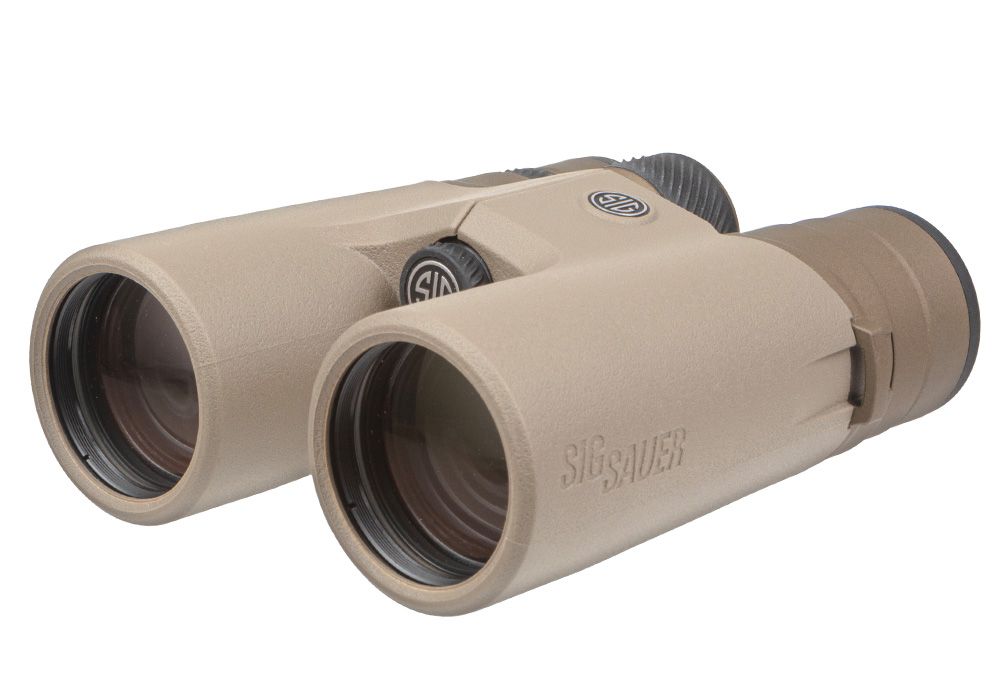
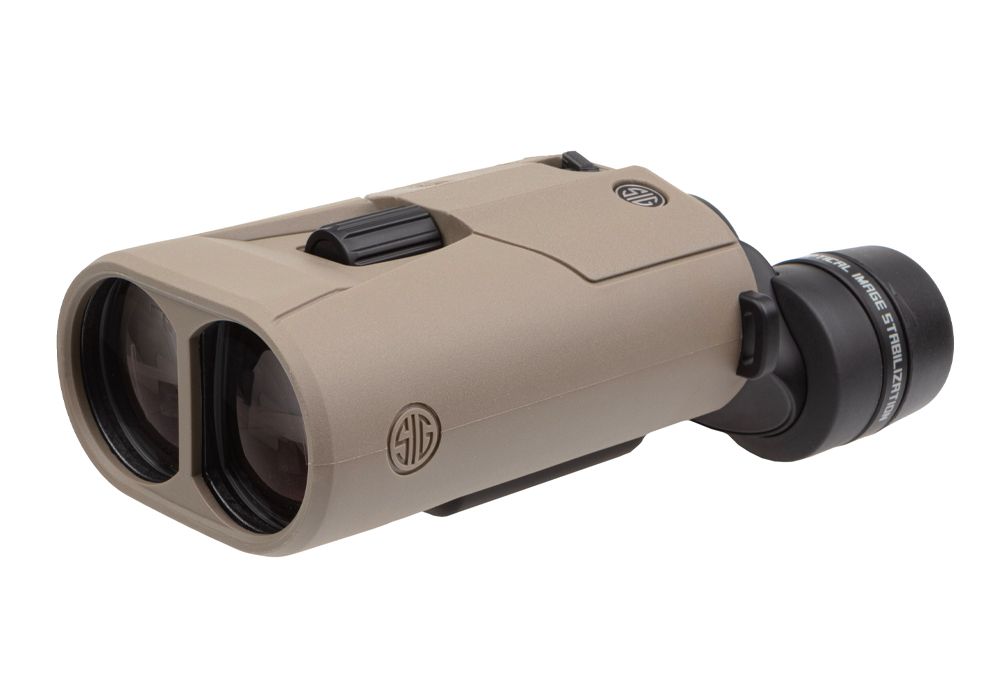
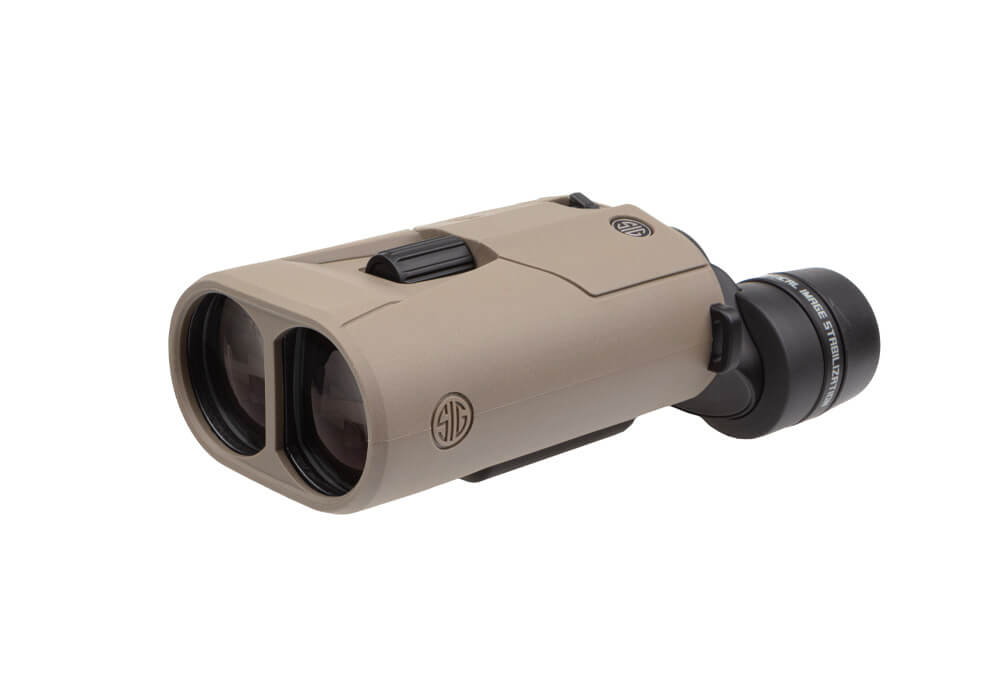
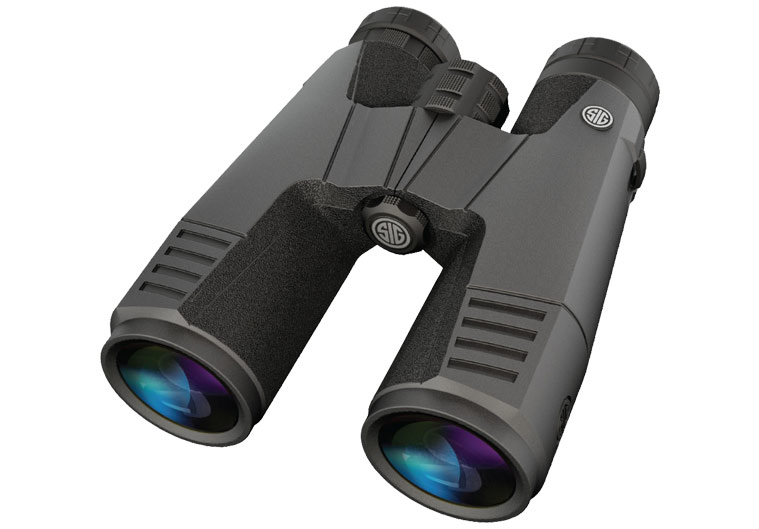
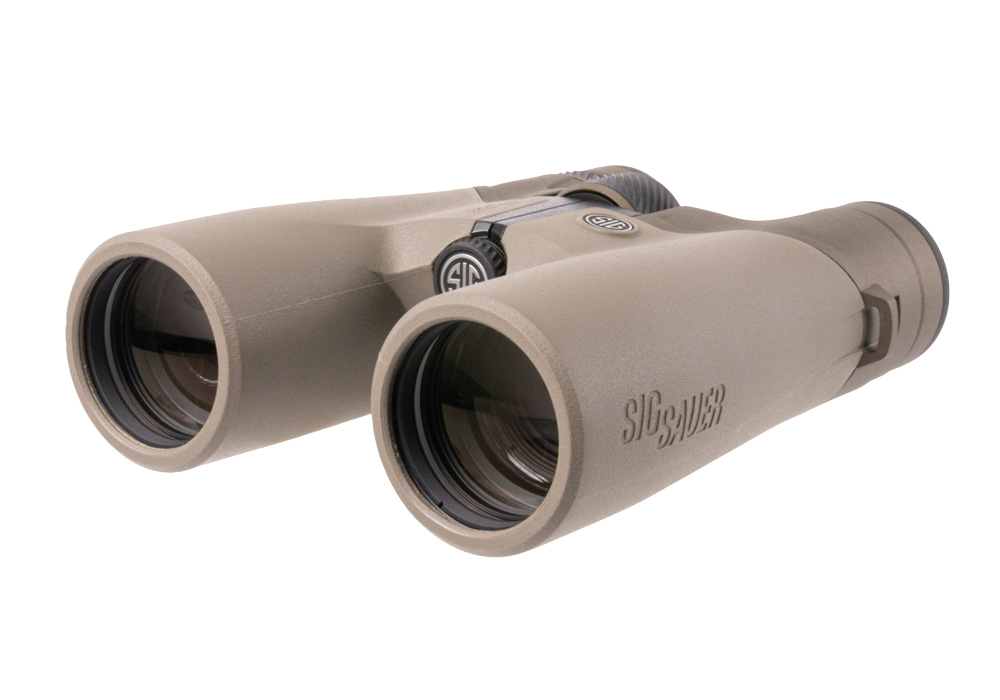
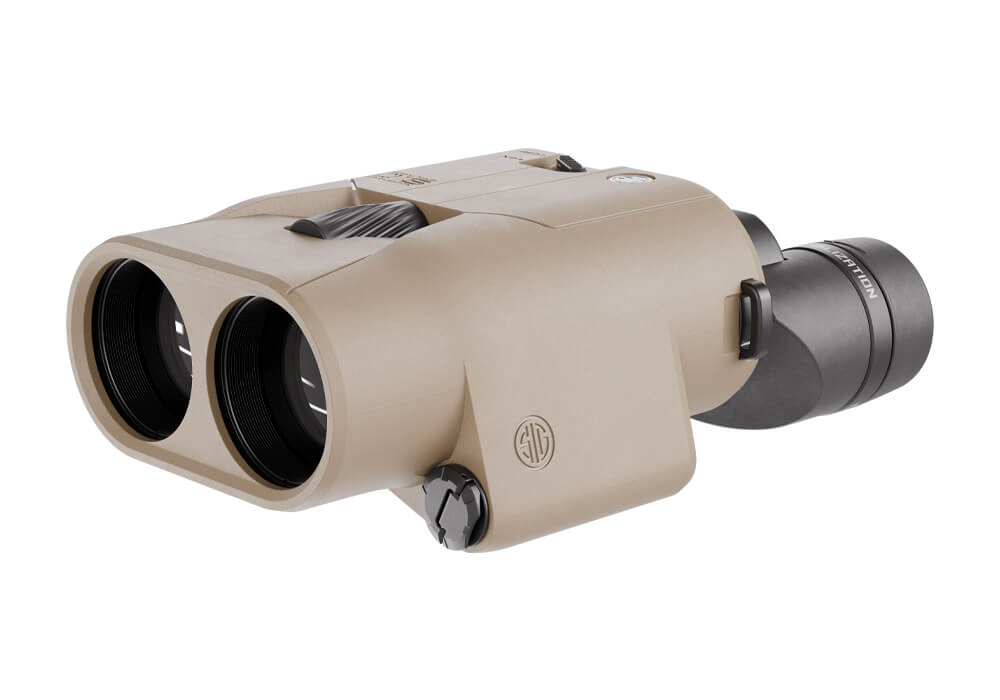
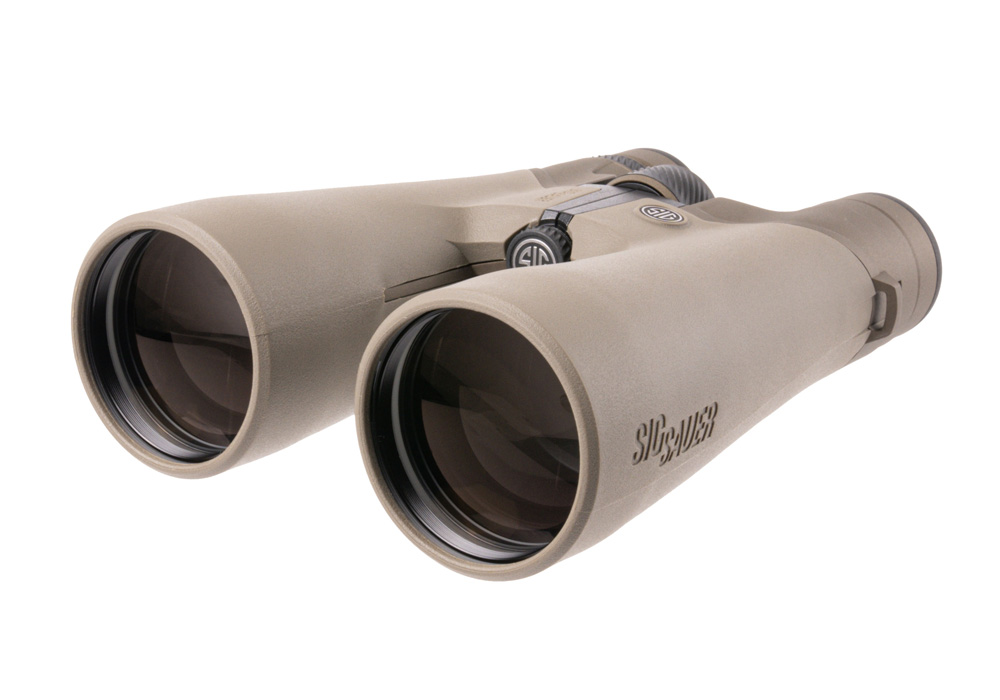
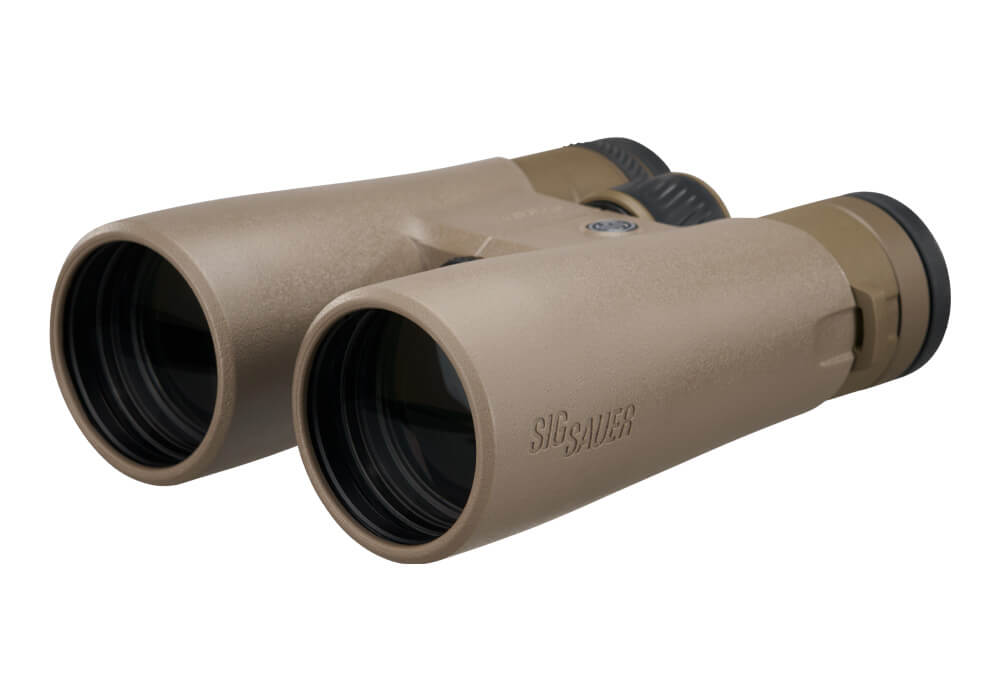
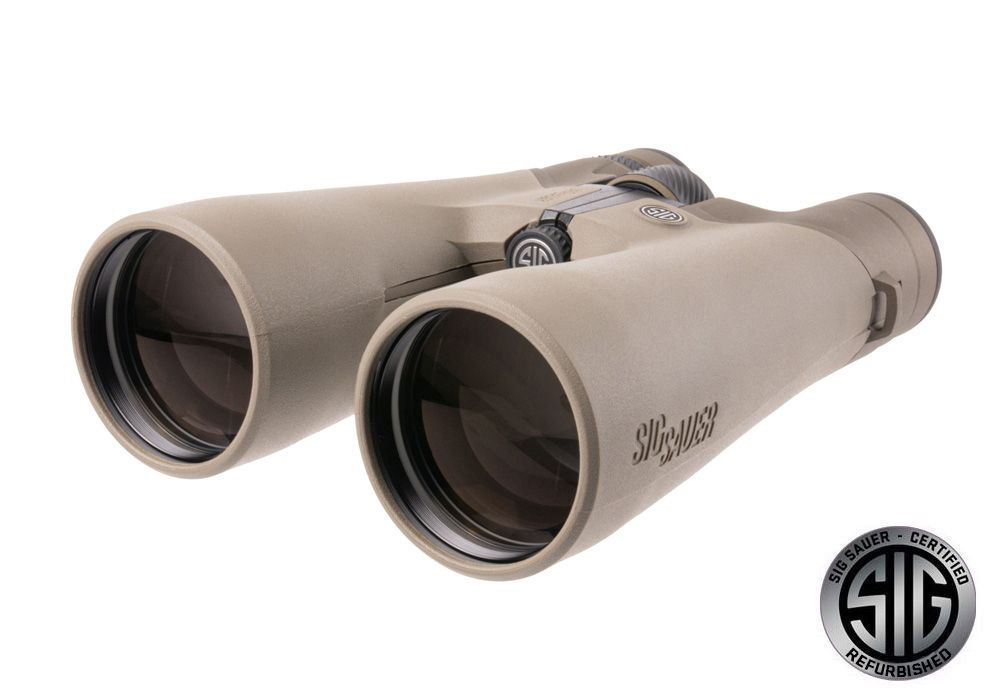
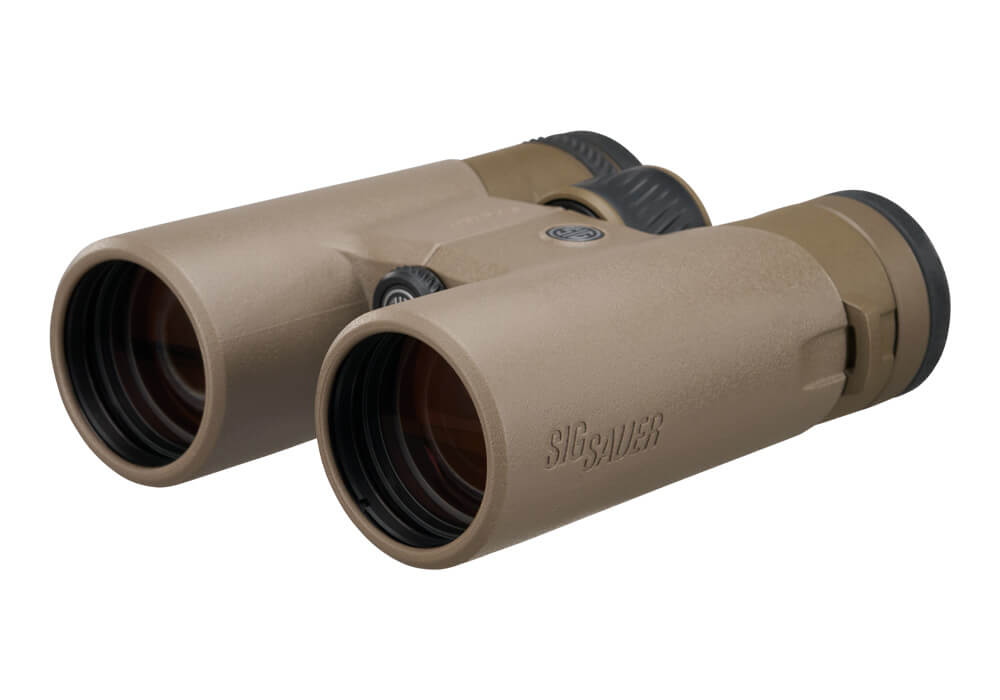
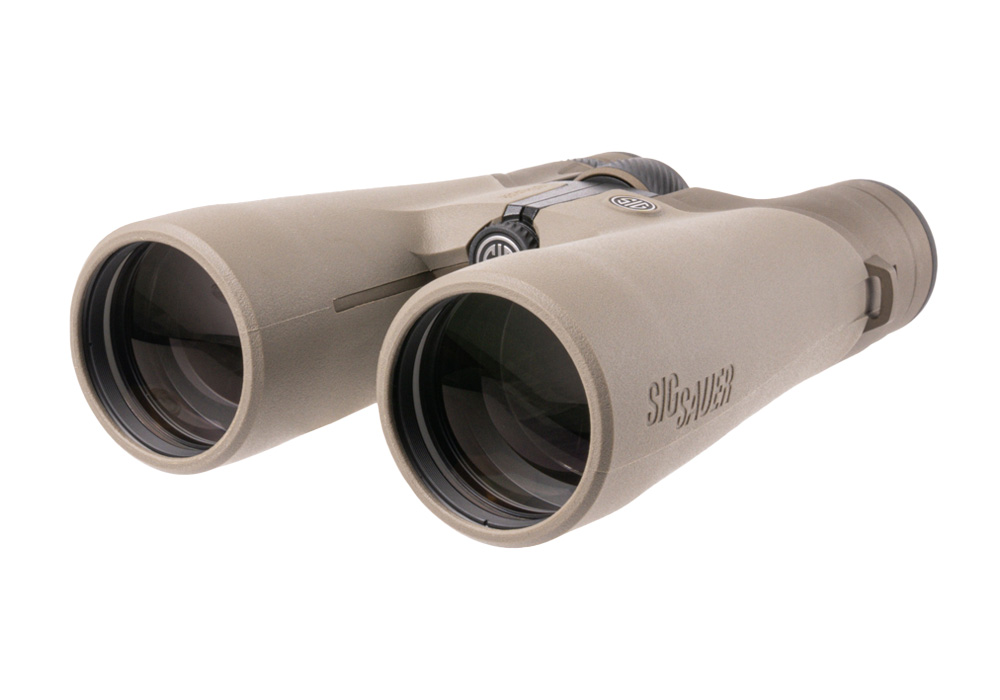
The best binoculars for hiking balance a clear, steady view with comfortable weight, practical dimensions, and construction suited to regular trail use. A pair that feels easy to carry is more likely to stay within reach when a hawk circles above a ridge or movement catches the eye across a meadow. For many hikers, 8x magnification offers a useful balance of detail, viewing stability, and field of view. Higher magnification, such as 10x, can reveal more detail at a distance, but it also magnifies hand movement and may make a moving subject harder to follow. The second number in a binocular specification describes the objective lens diameter in millimeters: an 8x32 configuration combines eight-power magnification with 32-millimeter objective lenses. Compact binoculars with objectives around 25 millimeters take up less pack space, while midsize designs around 30 to 32 millimeters often offer a practical compromise between portability and viewing comfort. Larger objectives can support a brighter image in dim light, though optical design, coatings, and the viewer’s pupils also affect perceived brightness. Weight deserves attention alongside dimensions, particularly on routes with sustained climbing or many miles between stops. A binocular that looks small on paper may still feel bulky against the chest if its shape does not suit the wearer. Field of view matters just as much as magnification when following a bird between branches or scanning a distant hillside. A wider view provides more surrounding context and can make subjects easier to locate. Close-focus distance is another useful consideration for hikers who enjoy observing butterflies, wildflowers, or details along the trail without stepping closer. These specifications describe different aspects of the viewing experience rather than a single measure of quality. The most satisfying combination depends on whether the outing centers on wildlife observation, landscape viewing, or simply having a closer look whenever something interesting appears.
Materials, fit, and handling help determine how well hiking binoculars work beyond a brief look through the eyepieces. Optical housings may use reinforced polymers, aluminum, or magnesium, each with its own balance of weight, rigidity, and feel. Rubber armor can improve grip and help protect the housing from everyday bumps, but it does not make the internal optics immune to damage. Sealed construction helps keep moisture and fine debris away from internal components; protection should be evaluated through the stated specifications rather than appearance alone. Lens coatings also deserve attention. Antireflective coatings help reduce reflections at glass surfaces and improve light transmission, while protective exterior coatings may make exposed lenses easier to clean. Neither replaces careful handling. Optical quality shows up in details such as the texture of bark across a clearing, separation between overlapping branches, and the definition of a bird’s markings. Good contrast and controlled color fringing can make those details easier to distinguish without relying on stronger magnification. Physical fit is equally important. The hinge should adjust to match the distance between the viewer’s eyes, allowing both sides of the image to merge into one comfortable circle. Adjustable eyecups help position the eyes at the correct distance from the lenses, and sufficient eye relief is especially important for people wearing glasses. Published eye-relief measurements are useful, but frame shape and eyecup design also influence whether the full view remains visible. A smoothly turning focus wheel should be easy to reach without shifting the entire grip, while a diopter adjustment helps account for differences between the eyes. For shared use, clearly marked adjustments can make returning to a familiar setting simpler. Comfortable handling reduces the distraction of constant repositioning, leaving more attention for the animal, landscape, or distant feature that prompted the stop.
On the trail, convenient access often matters more than an impressive specification that rarely gets used. A padded neck strap can suit shorter walks, while a properly fitted binocular harness distributes weight across the upper body and limits swinging during longer outings. The carrying arrangement should work with backpack straps rather than bunching beneath them or obstructing access to water and other essentials. Compact designs can be especially practical for travelers and hikers who want binoculars tucked into a small pouch, while those who pause frequently for wildlife may prefer a larger, easier-to-grip format kept at the chest. Binoculars also suit family outings, nature photography scouting, and quiet breaks at overlooks, giving different members of a group a closer look without leaving the established route. For trips that combine walking with an overnight stay, Binoculars For Camping offer a closely related focus on portable observation around camp and nearby paths. Whatever the setting, stopping on secure footing before raising binoculars helps keep attention on the view without losing awareness of the trail. Watching wildlife from a respectful distance protects the experience for both animals and other visitors; magnification is no reason to approach a nest or leave a designated path. Routine care helps preserve optical performance between outings. Loose grit should be removed with a suitable blower or soft lens brush before wiping, since rubbing particles across glass can scratch delicate surfaces. A clean optical cloth and lens-safe cleaning solution are preferable to a shirt sleeve or household cleaner, and the manufacturer’s care directions should take priority. Lens covers and a protective case help keep exposed surfaces clean during transport. For a hiking companion, bird enthusiast, or family member who enjoys exploring, binoculars can be a thoughtful gift when their weight, fit, and controls match the recipient’s habits. Lasting usefulness comes from the combination of clear optics, comfortable carrying, and straightforward operation that makes stopping for a closer look feel natural.