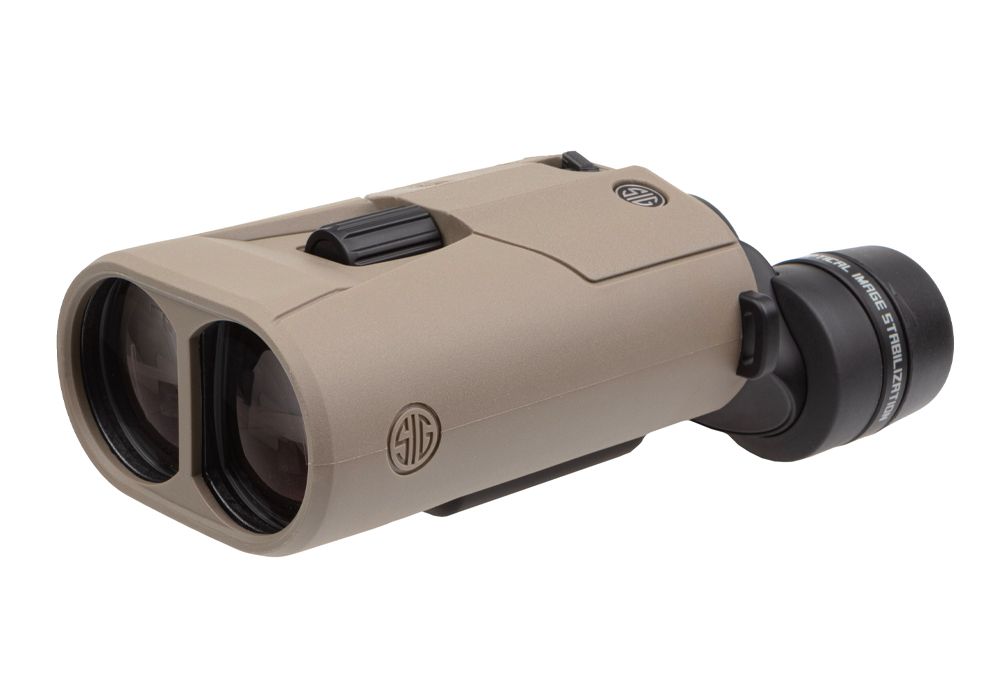
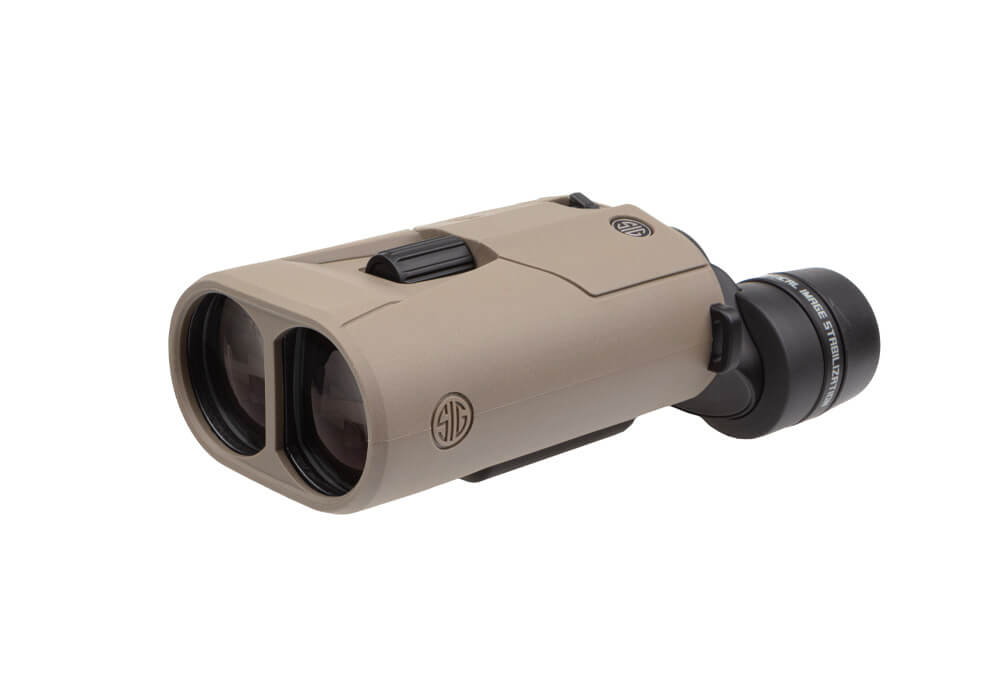
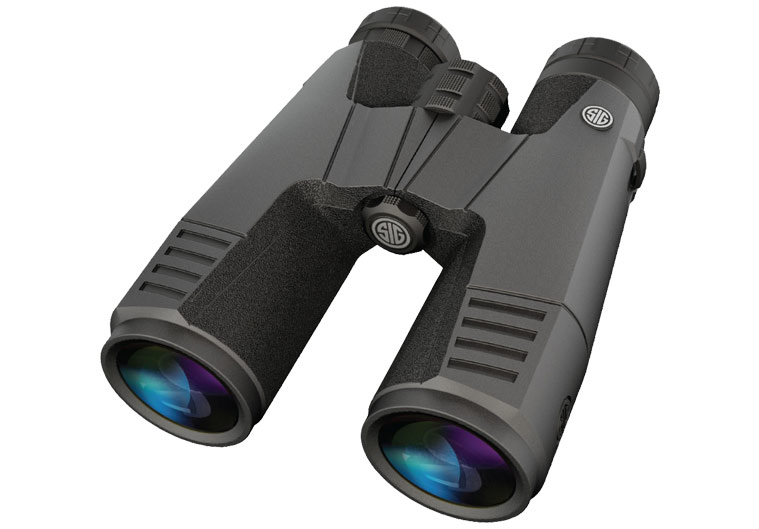
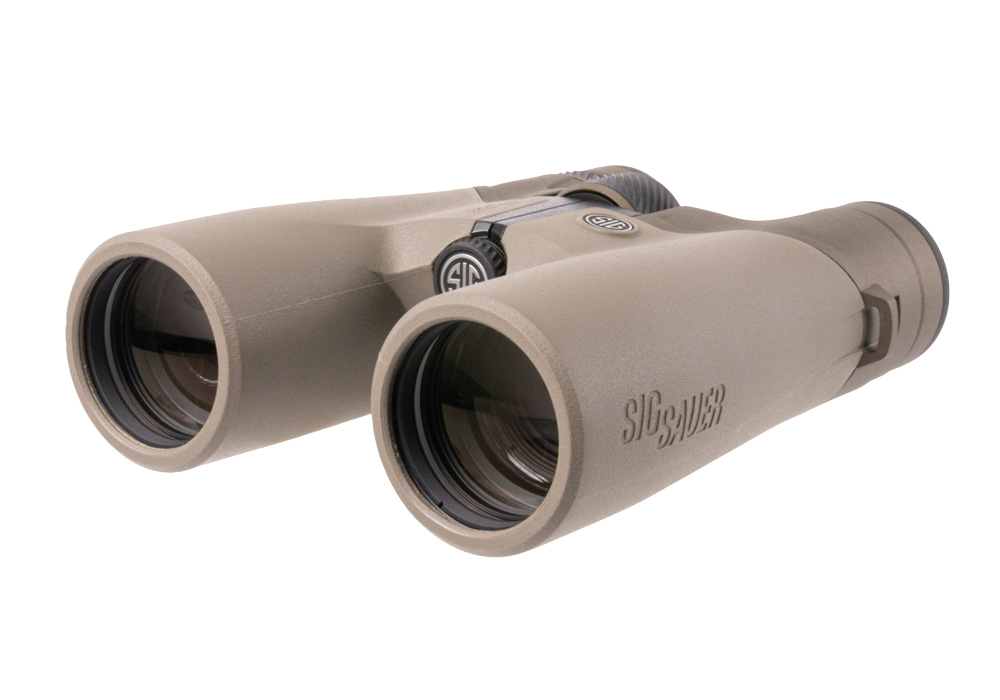
The best binoculars for outdoors combine clear optics, a steady view, and a comfortable fit for the way they will be carried and used. A birdwatcher following a warbler through branches needs quick subject acquisition, while a hiker studying a distant ridgeline may place more emphasis on fine detail and manageable weight. For many outdoor activities, 8x42 and 10x42 binoculars offer a versatile starting point. The first number indicates magnification: an 8x image makes a subject appear eight times closer than it does to the unaided eye. The second number is the diameter of each objective lens in millimeters. An 8x configuration generally provides an easier handheld view and, in comparable designs, a wider field of view than 10x. A 10x configuration brings distant features closer but also makes hand movement more noticeable. Neither is automatically better; the useful choice depends on viewing distance, stability, and how quickly the subject moves. Field of view, often expressed in feet at 1,000 yards, describes how much of a scene is visible at once. A broad view helps with following birds in flight, locating wildlife along a tree line, or scanning unfamiliar terrain without repeatedly repositioning the binoculars. Optical quality matters just as much as magnification. Fully multicoated lenses help reduce reflections and improve light transmission, while extra-low dispersion glass can reduce color fringing around high-contrast edges, such as a dark branch against a bright sky. In roof-prism designs, phase-correction coatings help preserve contrast and fine detail. Good image quality reveals feather patterns, separates overlapping branches, and makes distant shapes easier to interpret without relying on greater magnification alone. Center sharpness is important, but clarity across more of the viewing area also contributes to an image that feels natural and comfortable during extended observation. Glare control and accurate color reproduction further support the subtle distinctions that turn a distant sighting into a recognizable subject, particularly when several similar shapes occupy the same patch of terrain.
Size and fit influence whether binoculars remain close at hand or spend most of an outing tucked inside a pack. Compact binoculars with smaller objective lenses suit travelers and hikers who prioritize a lighter load, while midsize and full-size designs often provide a more forgiving viewing experience. Larger objective lenses can collect more light, though overall brightness also depends on optical quality, magnification, and the viewer’s pupils. Exit pupil, calculated by dividing objective diameter by magnification, helps explain the relationship: an 8x42 configuration has an exit pupil of approximately 5.3 millimeters, compared with 4.2 millimeters for 10x42. A larger exit pupil can make eye placement easier and support viewing when ambient light is limited. Physical fit deserves equally close attention. Adjustable eyecups position the eyes at the proper distance from the lenses, and sufficient eye relief helps eyeglass wearers see the full image without pressing their glasses against the eyecups. The hinge adjusts the spacing between the barrels so the two circular images merge into one clear view. A diopter adjustment compensates for differences in focus between the eyes, while the central focus wheel handles changing subject distances. Smooth controls are useful when attention needs to stay on a moving animal rather than on the equipment. Close-focus distance also matters for watching butterflies, studying nearby plants, or observing birds at a feeder. Durable construction supports these everyday uses. Aluminum, magnesium, and reinforced polymer housings offer different combinations of weight and strength, while rubber armor improves grip and provides a protective exterior. Sealed optical chambers help keep moisture and dust away from internal components, and nitrogen or argon purging helps limit internal fogging. Waterproof ratings describe specific levels of protection rather than unlimited resistance to immersion, so published specifications remain important. A secure strap, comfortable harness, or compatible tripod connection can further improve handling, especially when observation lasts longer than a quick look. Barrel shape and balance matter, too: binoculars should feel secure without requiring an unnecessarily tight grip that tires the hands.
Outdoor binoculars serve a wide range of interests, from identifying shorebirds across an inlet to studying a distant rock formation during a trail break. Hunters may use them to observe terrain and identify wildlife before deciding whether to move closer, while nature photographers can assess animal behavior without immediately lifting a camera. At a scenic overlook, binoculars reveal individual trees, winding paths, and details in cliff faces that disappear into the broader landscape without magnification. For casual stargazing, a comfortable handheld pair can reveal lunar detail and richer star fields, although higher magnification benefits from additional support. The qualities associated with High Quality Binoculars are especially meaningful in these situations: useful resolution, controlled glare, intuitive adjustments, and a shape that encourages frequent use. Binoculars can also be a thoughtful gift for a birdwatcher, hiker, wildlife enthusiast, or traveler, particularly when their size and controls suit the recipient’s experience and physical comfort. Someone who enjoys short nature walks may appreciate a lighter pair more than a larger instrument intended for prolonged observation from one position. A person who wears glasses may benefit more from generous eye relief than from an increase in magnification. Protective accessories and straightforward care help preserve optical performance over time. Lens caps and a fitted case shield exposed glass during transport, while a strap or harness keeps the binoculars accessible without leaving them loose against other equipment. Dust and grit should be removed with an appropriate blower or soft lens brush before the lenses are wiped. A clean microfiber cloth and an approved optical cleaning solution help remove fingerprints without unnecessary abrasion; shirt sleeves and rough paper can carry particles that scratch delicate coatings. Binoculars should be clean and dry before storage, with attention to the manufacturer’s care recommendations for lenses, seals, and moving parts. With suitable fit, thoughtful handling, and optics matched to the activity, outdoor binoculars become a familiar companion for seeing more detail without disturbing the scene.