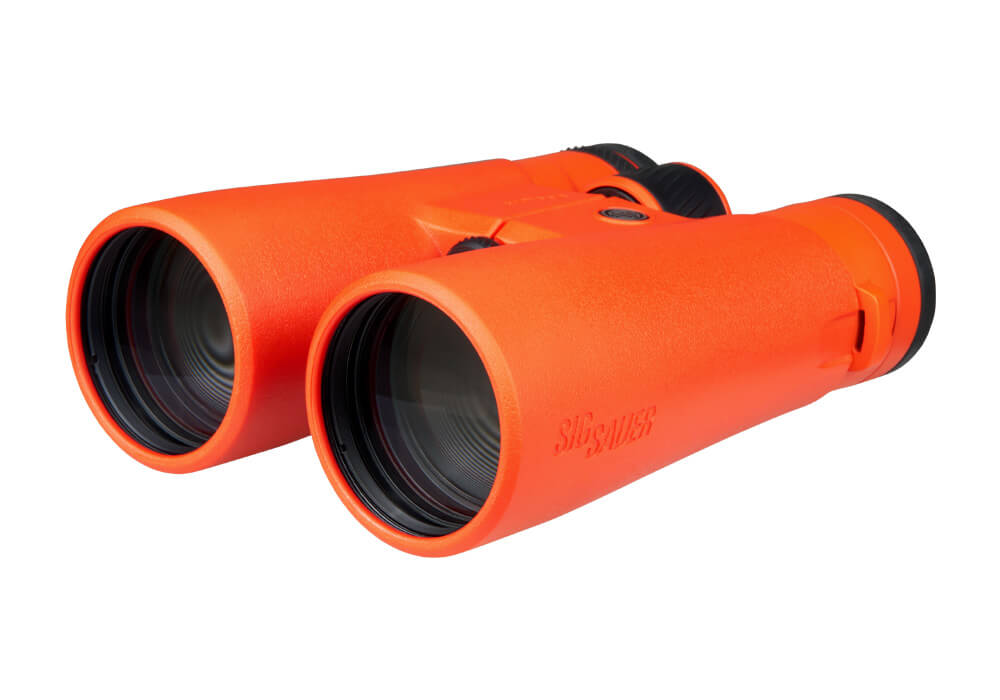
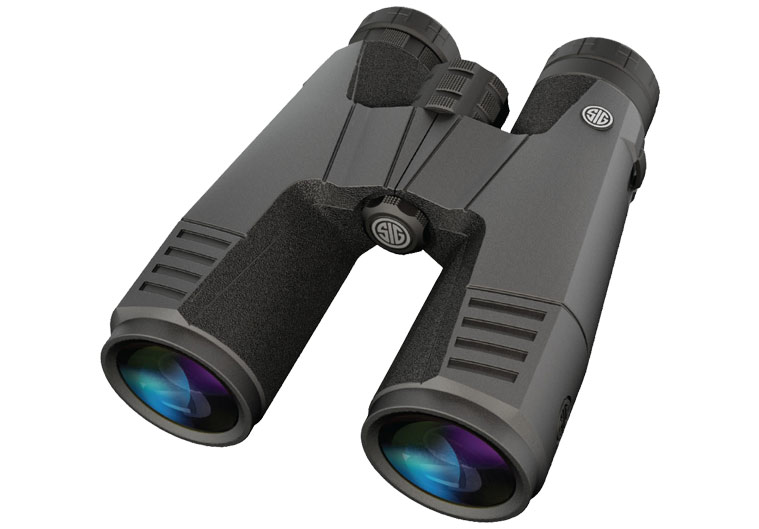
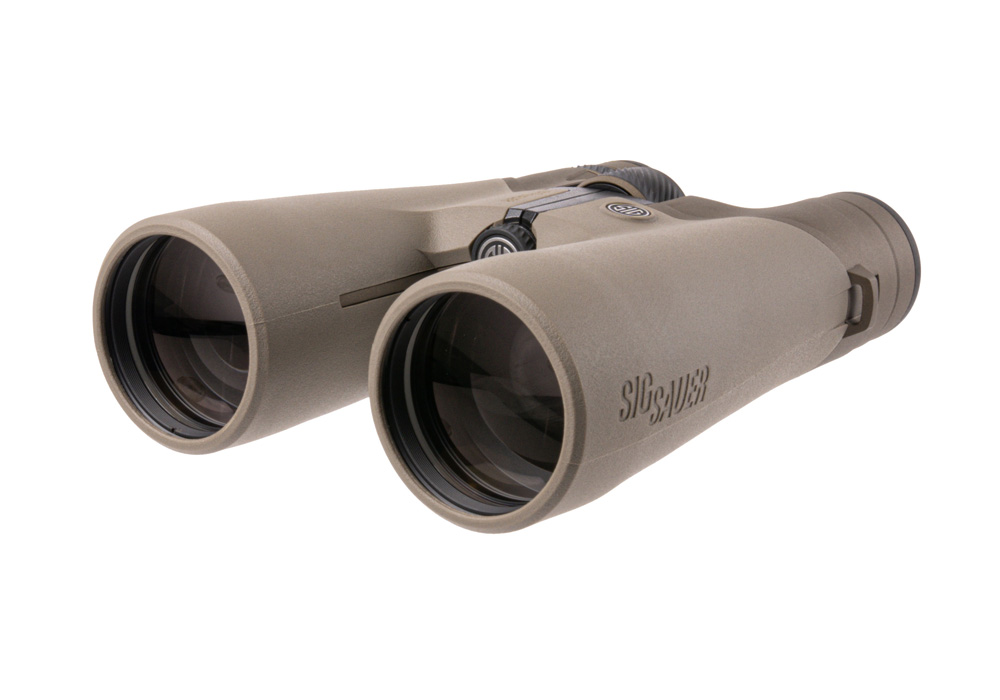
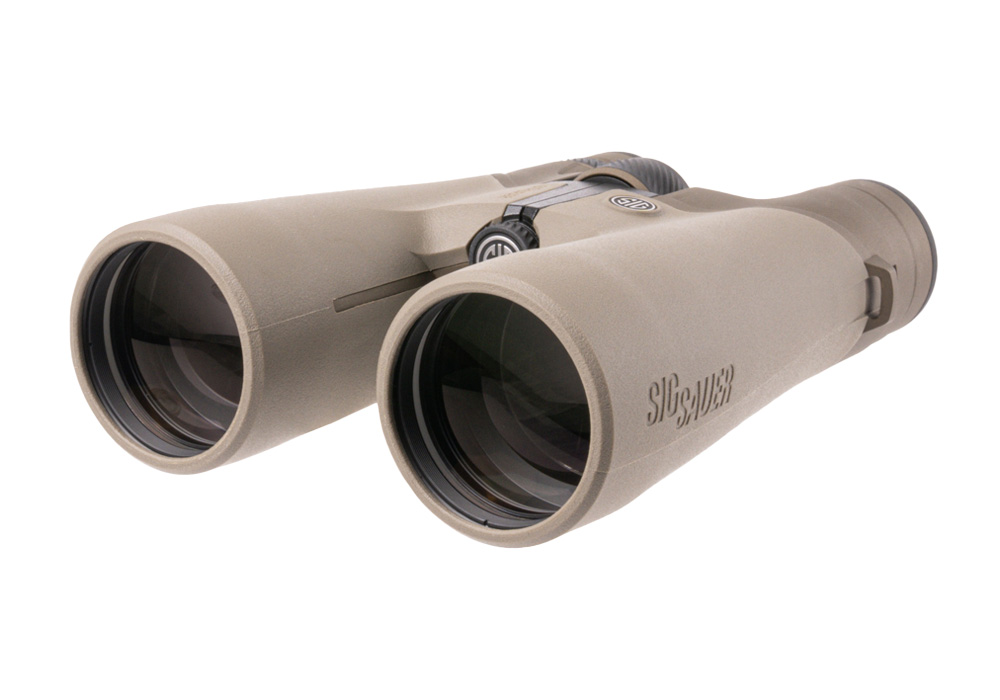
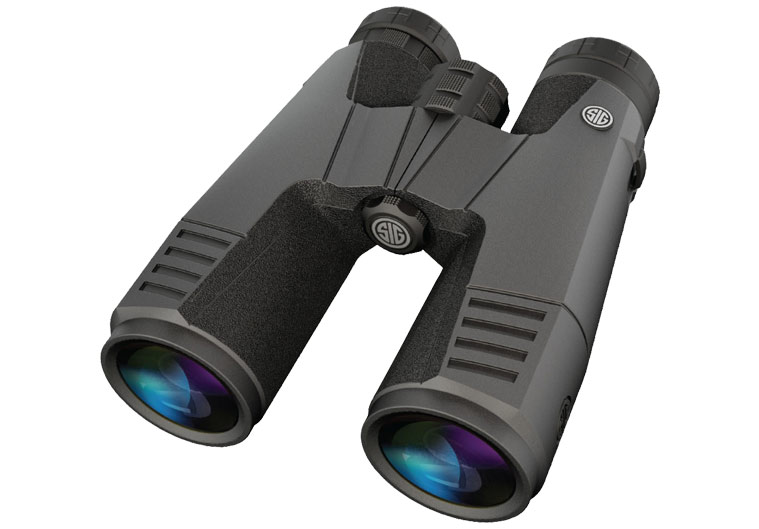
High quality binoculars bring distant detail into a clear, natural view, whether you are scanning a wooded ridgeline, following birds through changing foliage, or watching activity across an open field. The best choice depends on how and where the binoculars will be used, but certain characteristics consistently separate dependable optics from ordinary viewing instruments. Magnification and objective lens size are the first specifications to consider. An 8x42 configuration is widely valued for its balance of brightness, field of view, and steadiness, making it a practical choice for birding, hunting, wildlife observation, travel, and general outdoor use. A 10x42 configuration provides additional reach for studying distant subjects, while still offering a manageable size for carrying in the field. Greater magnification can reveal more detail, but it also makes hand movement more noticeable and may narrow the viewing area. A wider field of view is especially useful when tracking moving animals or locating a bird among branches, while a close focus distance helps with butterflies, plants, and nearby subjects. Objective lenses around 42 mm gather useful light without creating an unnecessarily bulky optic, giving users a comfortable balance between performance and portability during the cooler months or on long days outdoors. Lens coatings are equally important because they influence brightness, color accuracy, contrast, and glare control. Fully multi-coated optical surfaces can help transmit more available light through the binoculars, producing a cleaner image in shaded timber, overcast conditions, and the soft light surrounding dawn or dusk. High-quality prisms and carefully aligned optical systems contribute to sharpness from the center of the image toward the edges, reducing distracting blur when viewing a broad landscape. Premium construction should also include a smooth, precise focus wheel, a comfortable diopter adjustment for balancing the two eyes, and an eyecup design that accommodates users with or without glasses. These details may seem subtle in a store display, yet they become immediately noticeable when glassing for extended periods, especially when a subject appears briefly and the focus must be adjusted without taking the binoculars away from the face.
Durability and handling matter just as much as optical performance for anyone carrying binoculars into the field. A rubber-armored exterior can provide a secure grip with gloves or damp hands while helping protect the housing from the occasional bump against a pack, vehicle, or tree stand. Sealed construction and nitrogen or other gas purging can help resist internal fogging when moving between a warm vehicle and cool outdoor air, while water resistance provides useful protection during mist, light rain, or a sudden change in weather. These features do not remove the need for sensible care: keep the objective lenses capped when the binoculars are not in use, brush away grit before wiping glass, and use a clean lens cloth rather than clothing that may carry dust or oils. Weight and balance deserve attention as well. A binocular that feels comfortable in the hand and rests naturally against the face is easier to use for extended observation than one that is technically powerful but tiring to hold. A broad neck strap, harness, or protective case can make a meaningful difference on a full day of hiking or hunting. Hunters often value the ability to identify antler points, read terrain, and observe animal movement without closing the distance, while birders benefit from fast focus, generous field of view, and accurate color rendition that helps distinguish markings. Travelers and nature watchers may prefer a compact, versatile setup that can move from scenic overlooks to museums and sporting events. For stargazing, larger objectives and strong light transmission can reveal the moon’s surface, bright star clusters, and other prominent celestial features, though a stable support may be helpful at higher magnification. A thoughtfully selected pair of binoculars can also make a memorable gift for a new outdoors enthusiast, a seasoned hunter, a birder building a field kit, or a family member who enjoys scenic road trips. Gift buyers should consider the recipient’s eyesight, typical environment, preferred activities, and willingness to carry a little additional weight rather than choosing based on magnification alone. For users who spend most of their time observing wildlife in demanding conditions, explore Elite Hunting Binoculars for optics designed around field use and detailed observation.
Before making a purchase, compare the complete viewing experience rather than focusing on a single specification printed on the package. Two binoculars with the same magnification and objective size can look and feel very different because of their optical coatings, prism design, edge sharpness, focus speed, eye relief, and mechanical precision. Eye relief is particularly important for eyeglass wearers, who need enough distance between the rear lens and their eyes to see the full image without dark crescents around the edges. A smooth hinge and secure interpupillary adjustment help each user establish a comfortable fit, while a clearly marked diopter makes it easier to return to a familiar setting after someone else has handled the optic. Consider the lighting conditions that are most common for the intended use. Bright midday scenes may hide differences between entry-level and premium glass, but subtle improvements become more apparent beneath tree cover, across shadowed slopes, or during the low-angle light of early morning and late afternoon. High quality binoculars should preserve detail without making colors appear harsh, keep the image steady enough for practical handheld viewing, and remain comfortable when held to the eyes for several minutes at a time. A well-built optic is an investment in observation: it can turn a distant movement into an identifiable animal, reveal a bird’s markings before it disappears, or bring the layered texture of a far-off landscape into view. With appropriate magnification, dependable weather protection, quality coatings, and an ergonomic design, the right binoculars become a trusted companion for hunting, wildlife viewing, travel, outdoor recreation, and quiet moments spent paying attention to the world beyond arm’s reach.