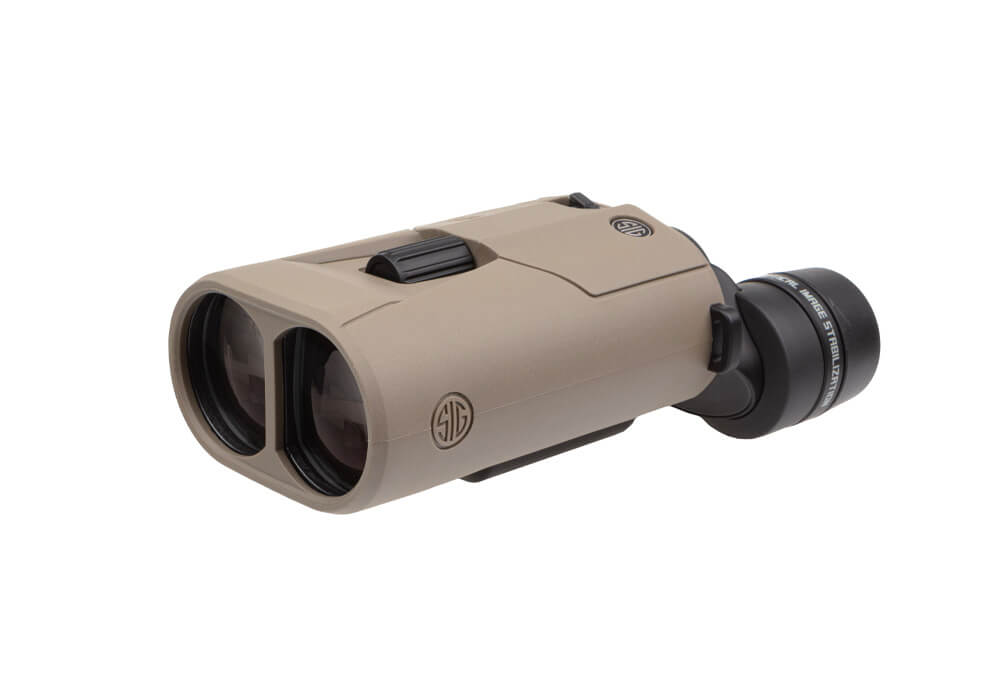
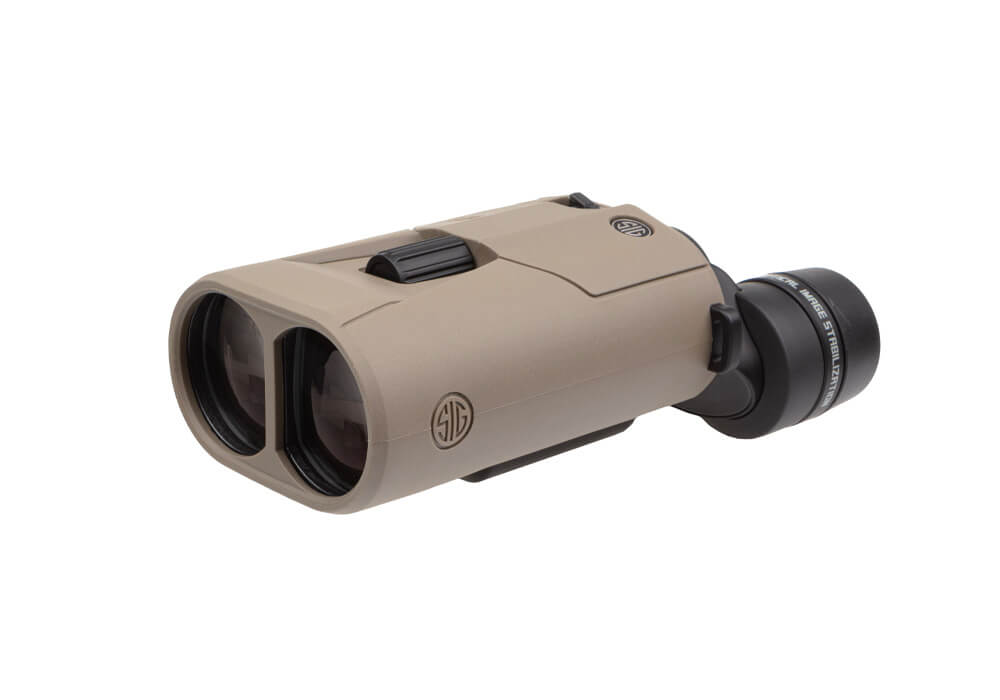
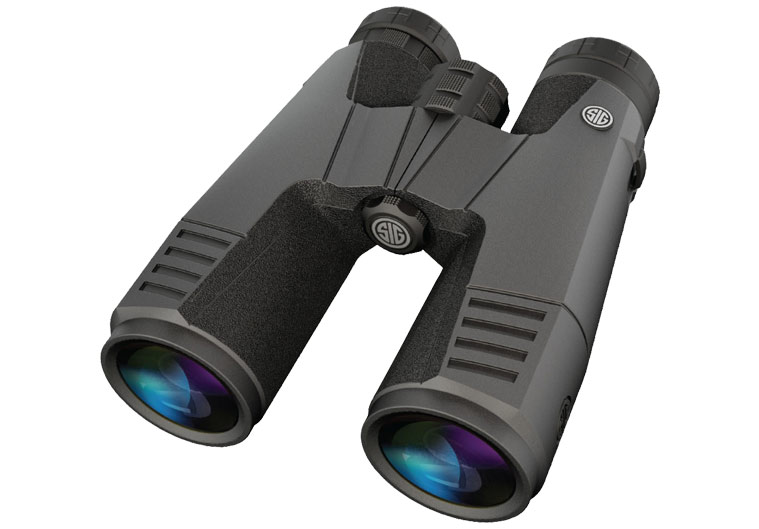
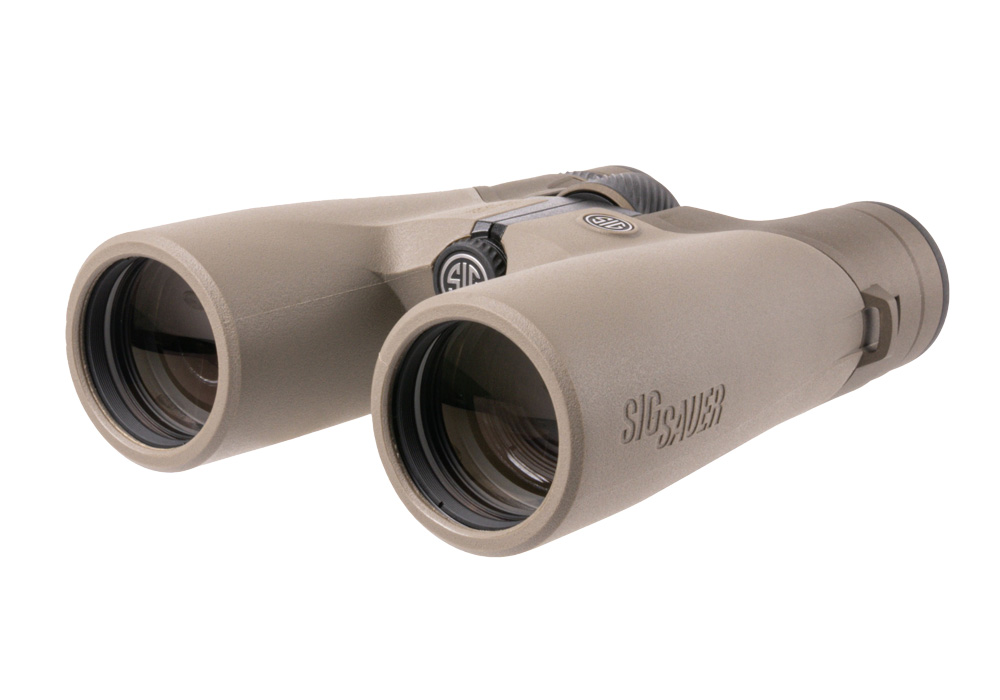
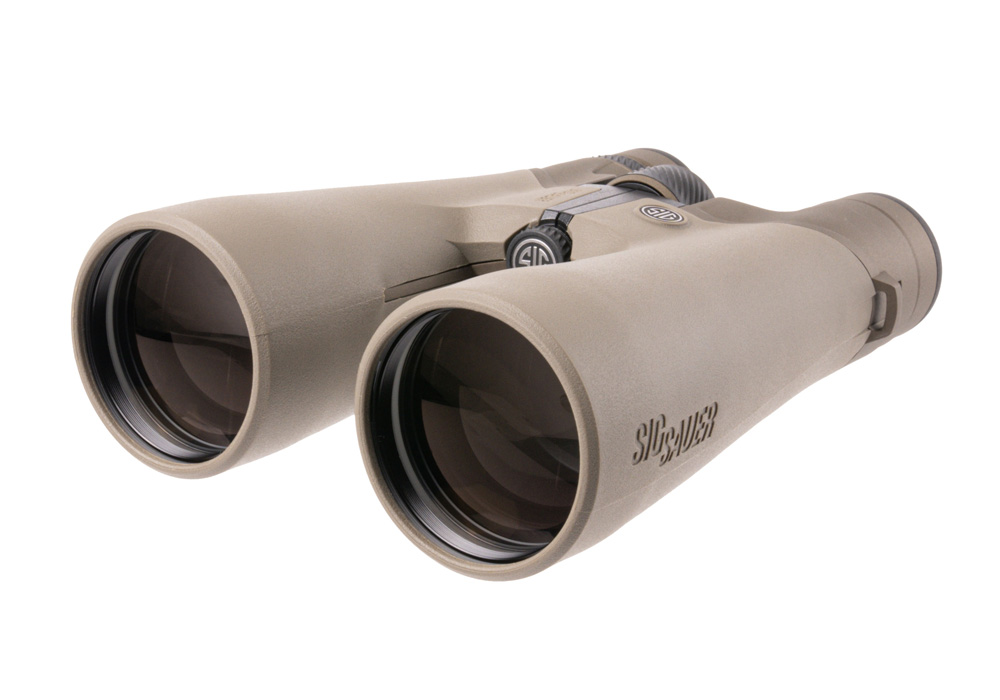
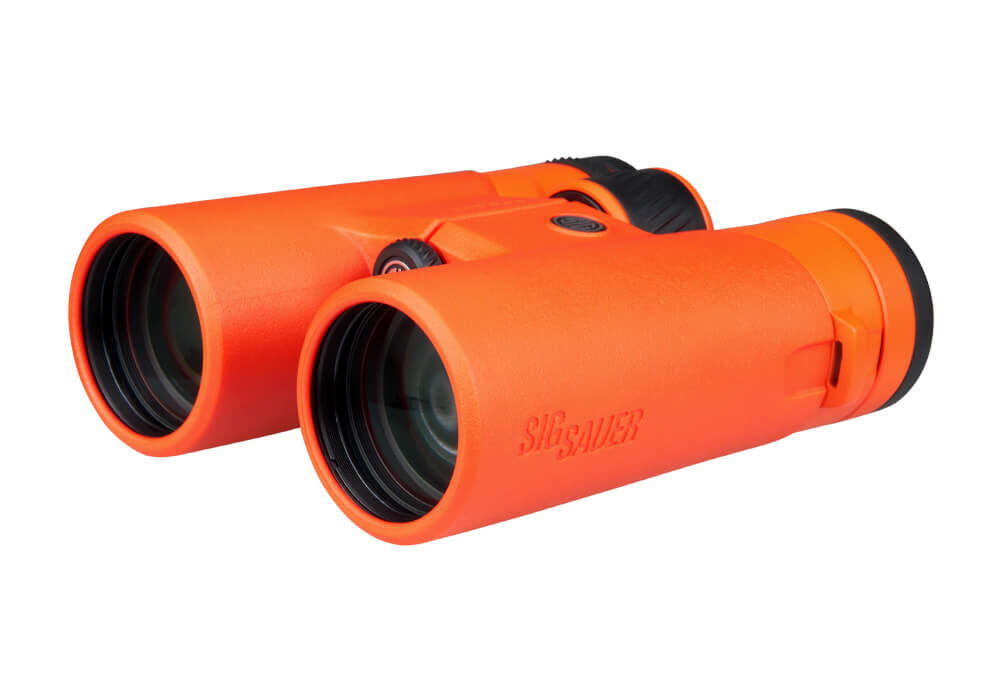
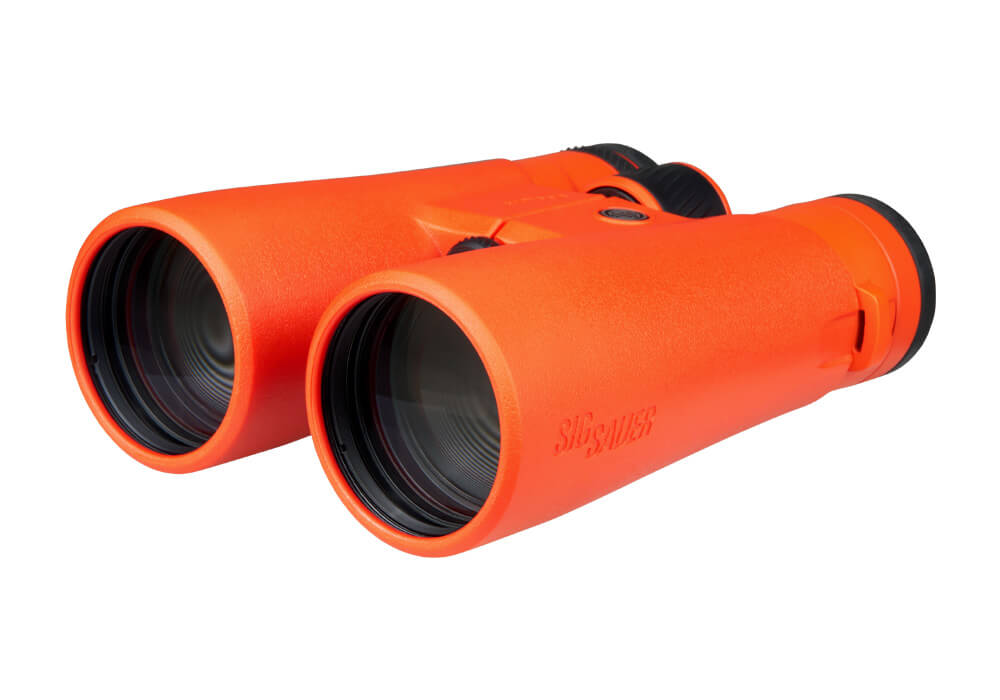
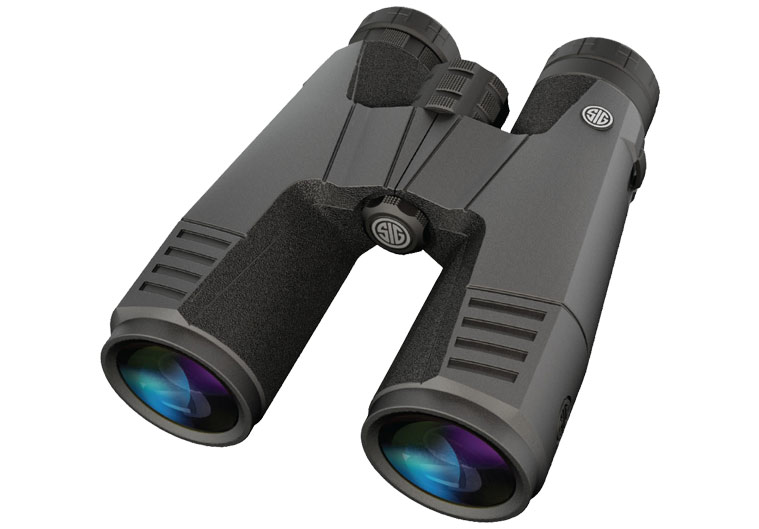
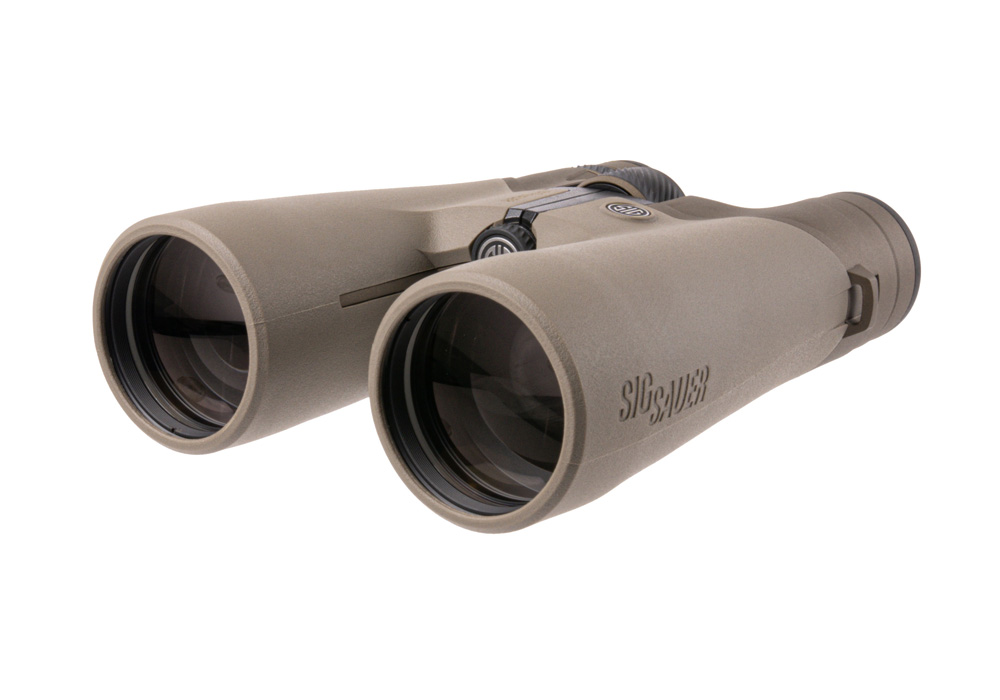
Elite hunting binoculars are built for the moments when careful observation matters more than simply bringing a distant object into view. From a shaded timberline to a sunlit ridge, premium optics help reveal the details that can be easy to miss with ordinary glass: the edge of a rack behind brush, the movement of an animal stepping through a clearing, or the subtle contrast between fur, bark, and surrounding vegetation. High-definition or extra-low-dispersion glass can improve resolution and reduce distracting color fringing, while quality lens coatings support light transmission and contrast during the low-light periods that bookend a day in the field. Those early hours often begin with a cool pack, damp grass, and a hillside that appears almost motionless until the binoculars bring it into focus. Later, as the light softens, a well-designed optical system can help maintain a clear, natural-looking image without forcing the viewer to strain. Hunters pursuing game across timber, fields, foothills, or open country may all benefit from this level of performance, as can land stewards, wildlife observers, guides, and outdoor enthusiasts who spend long hours studying changing terrain. For a broader look at purpose-built optical features, explore Binoculars for Advanced Hunting Technology.
Magnification and objective lens size are among the most important considerations when choosing elite hunting binoculars. An 8x configuration is often a strong choice for dense woods, thick brush, and close-to-mid-range observation because it offers a generous field of view and tends to remain steady during extended handheld use. A 10x configuration provides additional reach for open fields, rolling foothills, and general-purpose hunting while preserving a practical balance between detail, brightness, and portability. Models with 10x magnification and larger objective lenses may be especially useful when judging distant terrain or scanning broad country, although the added size can increase weight. Higher magnification, including 12x and beyond, can bring distant subjects closer for observation across plains, alpine basins, and expansive western landscapes, but increased power also makes hand movement more noticeable. A tripod adapter, harness, monopod, or electronic image stabilization can help produce a steadier view when using extended magnification for long periods. Field of view deserves equal attention: a wider view makes it easier to scan a hillside, follow movement, and relocate an animal after lowering the binoculars. Close-focus performance may matter to users who also observe birds or wildlife near camp, while generous eye relief is particularly helpful for anyone who wears glasses. Adjustable eyecups, a smooth central focus wheel, a right-eye diopter, and a comfortable interpupillary adjustment can make a meaningful difference during a full day outdoors. The best configuration depends on the terrain, typical distances, amount of walking, and whether the binoculars will be carried continuously or used from a stationary glassing position.
Durability is essential when premium binoculars are exposed to changing conditions throughout the late summer and cooler months. A rugged, rubber-armored chassis can provide a secure grip with wet or gloved hands and add protection against the bumps that come with climbing into a blind, crossing rocky ground, or setting gear down beside a pack. Waterproof and fog-proof construction helps guard against rain, morning condensation, splashes, and the rapid temperature changes that occur when moving from a warm vehicle into cold mountain air. Nitrogen-purged housings are designed to reduce internal fogging, while sealed optical assemblies help protect the view from dust and moisture. Weight and balance should also be considered carefully; a binocular that feels comfortable for five minutes may become tiring after hours of glassing. A chest harness can distribute weight more naturally than a loose neck strap and keeps the optics accessible without allowing them to swing against equipment. Protective covers, a fitted case, and lens cloths help preserve clarity in the field, but the most important maintenance habit is simple: remove grit before wiping the lenses and use appropriate optical-cleaning materials rather than clothing or paper products. Elite hunting binoculars can also make a thoughtful gift for an experienced hunter, a first-time backcountry traveler, or someone who enjoys watching wildlife from a blind, trail, or family cabin. Choose magnification and size with the recipient’s environment in mind, then look for optical clarity, weather resistance, ergonomic controls, and a design that will be comfortable to carry from the first glassing session through many seasons outdoors.