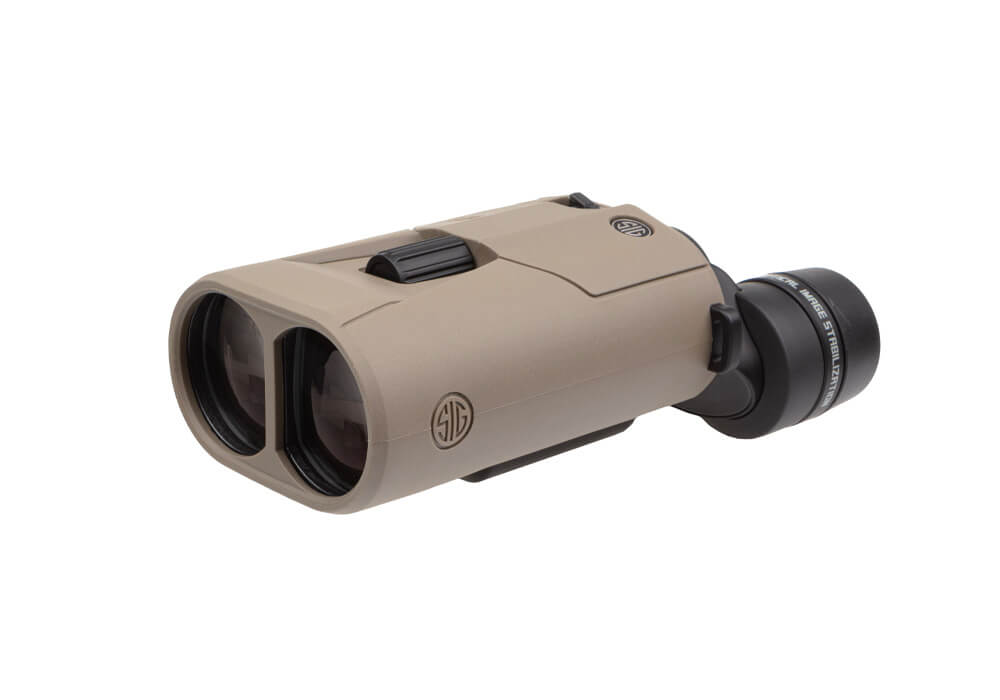
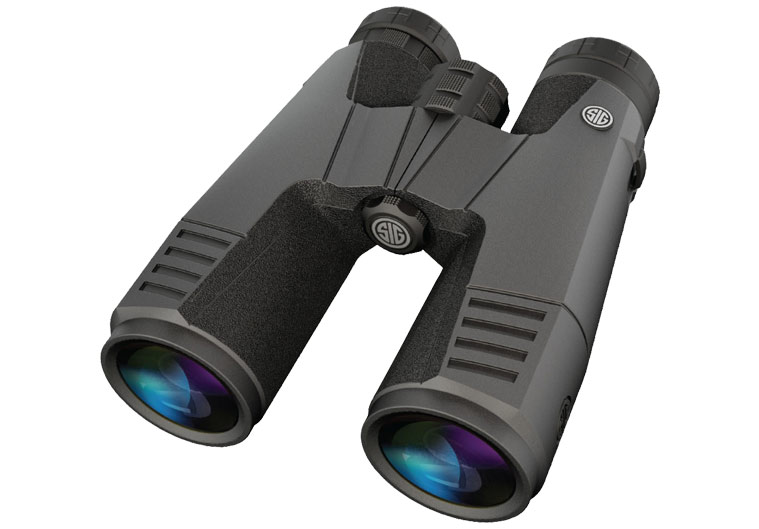
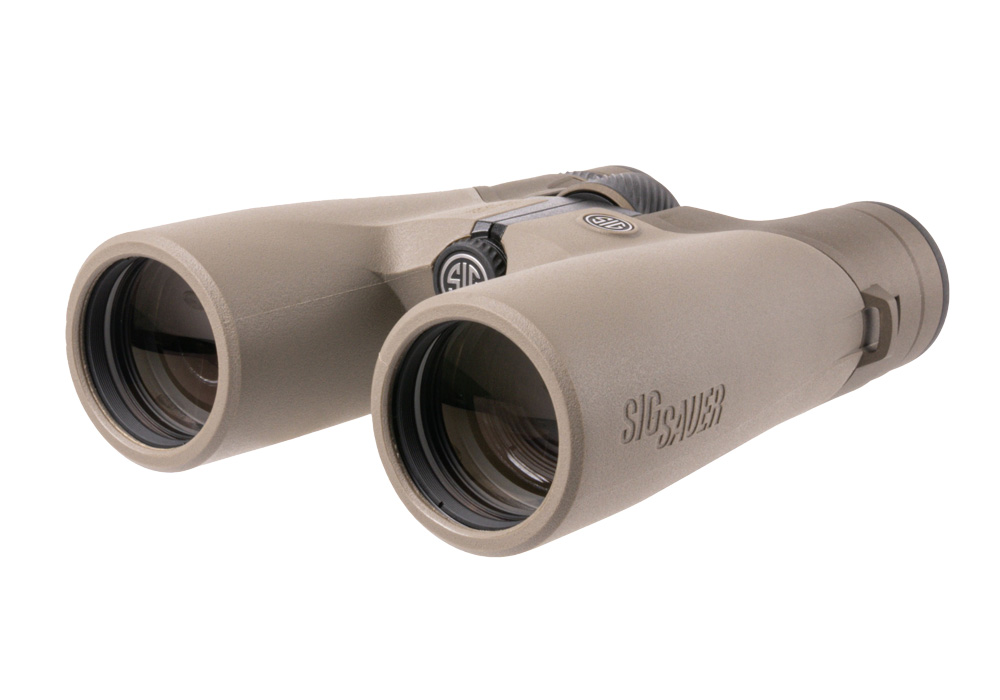
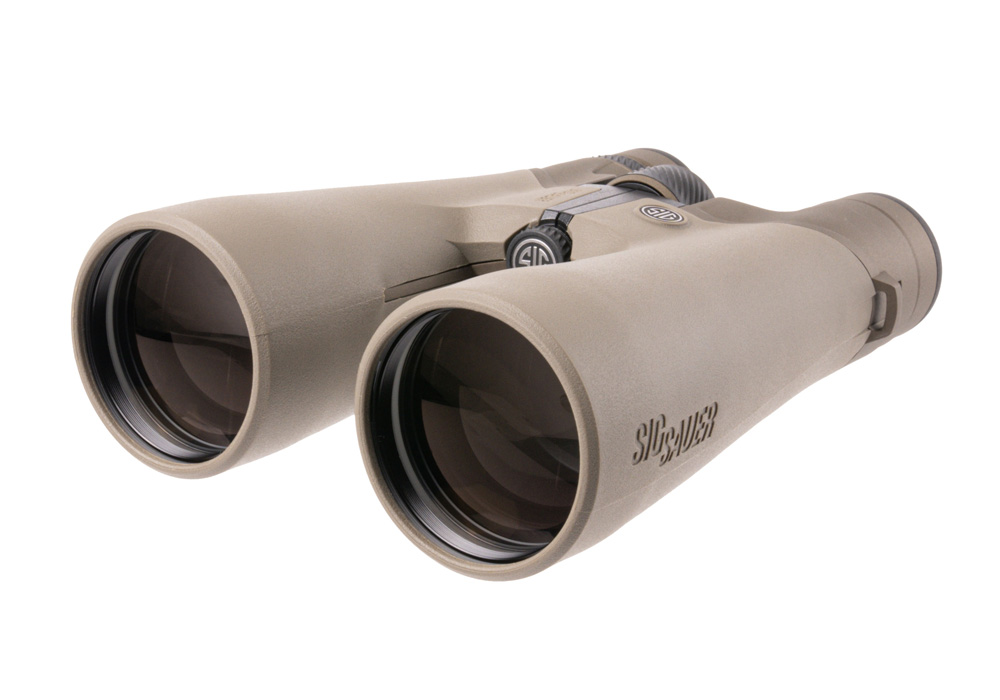
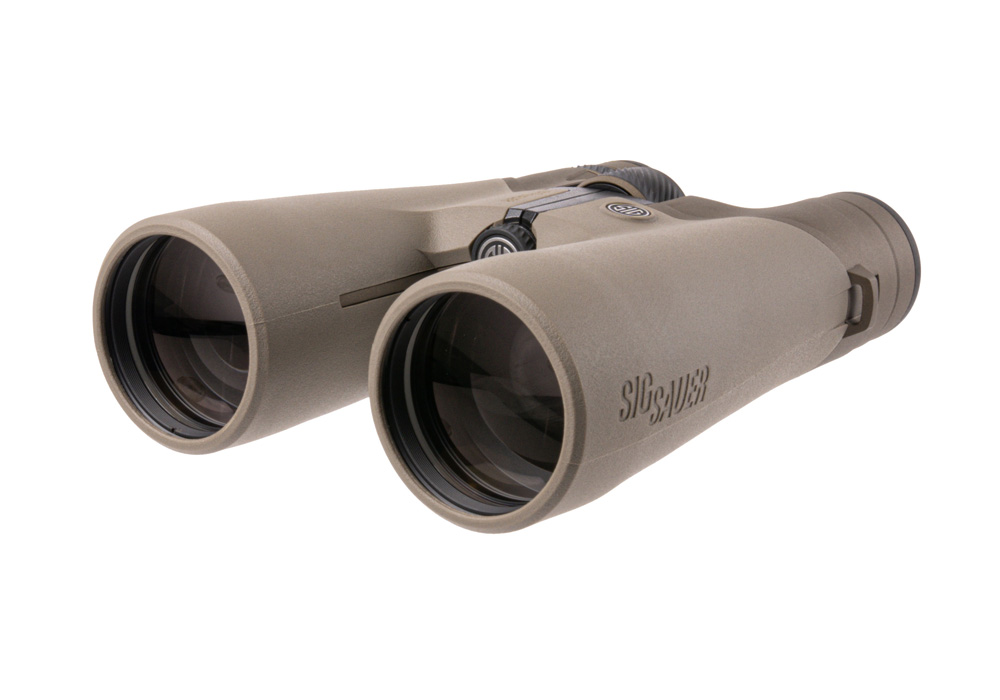
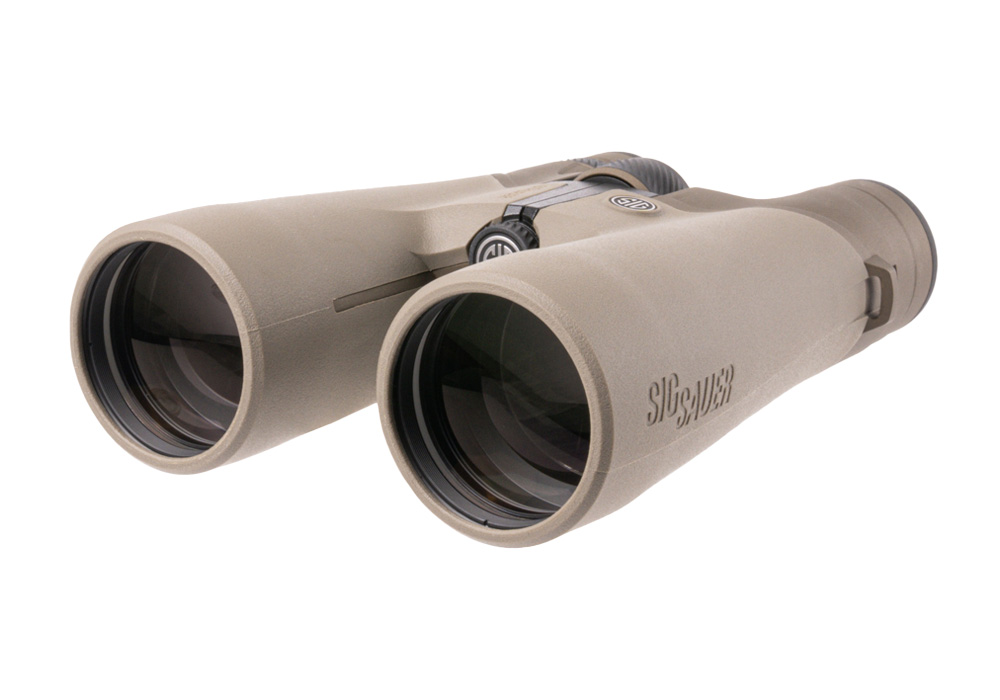
Deer hunting binoculars are an essential part of a well-rounded hunting setup, giving hunters a closer, clearer view of the woods, field edges, and distant cover without requiring them to move or disturb the area. The right pair can help identify a deer’s position, follow movement through brush, compare antler details, and make better-informed decisions before taking another step. For many hunters, an 8x42 or 10x42 configuration offers the most useful balance of magnification, brightness, field of view, and manageable weight. An 8x42 binocular provides a wider view and is generally easier to hold steady, making it especially well suited to thick timber, rolling hardwoods, and bowhunting situations where deer may appear at relatively close range. The broader field of view can also make it easier to locate a moving animal after scanning a section of cover. A 10x42 binocular brings additional detail for open fields, pasture edges, and longer sightlines, helping hunters study a deer at a distance or evaluate antler characteristics without immediately reaching for a spotting scope. The extra magnification can reveal more detail, though it may also make hand movement more noticeable, particularly during a long glassing session. Hunters who spend most of their time in wide-open western terrain may prefer 12x50 binoculars or another larger configuration for distant observation, but the added size and weight are worth considering carefully. These models often perform best when supported by a tripod or another stable platform. Terrain, typical engagement distance, hunting method, and how far optics must be carried all matter when choosing binoculars for deer hunting.
Optical performance becomes especially important during the first and last useful minutes of legal light, when deer are often moving and the woods are filled with muted shadows. High-definition or extra-low dispersion glass can help preserve color and detail, reducing distracting fringing around branches and antlers while improving the image in challenging conditions. Fully multi-coated lenses are another valuable consideration because carefully applied coatings help increase light transmission and reduce reflections across the optical path. Dielectric prism coatings can further support brightness and contrast in a compact design. These details may be difficult to appreciate when viewing a brightly lit display indoors, but their value becomes clear when a deer steps from dark timber into a strip of fading light. I have watched hunters scan the same brush line for several minutes, slowly moving from tree to tree, only to discover that a pair with a sharp, contrast-rich image revealed the slight horizontal line of a back or the flick of an ear that the unaided eye missed. Focus controls should turn smoothly and allow quick adjustment from nearby branches to distant openings, while the eyecups should provide a comfortable view for users with or without glasses. A wide field of view is useful for tracking a walking deer, and a close focus distance can help when examining nearby sign, vegetation, or gear around camp. For hunts that run through damp mornings, cold weather, or changing conditions, look for binoculars that are nitrogen- or argon-purged and O-ring sealed for waterproof and fogproof performance. Rubber armor can provide a more secure grip and help protect the housing from bumps against a ladder stand, pack frame, or vehicle door. A durable carrying case, tether points, objective covers, and a reliable neck strap or chest harness can also make a noticeable difference in daily use. A chest harness keeps binoculars close to the body, protected from swinging as a hunter walks, and ready to lift quietly when movement appears at the edge of cover. For additional ways to compare magnification, optical features, and field-ready equipment, explore Hunting Optics Gear.
The best deer hunting binoculars are the ones that suit the hunter’s eyes, terrain, and pace rather than simply offering the greatest magnification or largest objective lens. A hunter who spends long mornings seated in a compact tree stand may value a lightweight 8x42 model that can be raised quickly and held steady with one hand. Someone glassing hay fields from a distant ridge may appreciate the added reach of 10x42 binoculars, especially when supported against a pack or shooting rail. Hunters covering steep ground should pay close attention to overall weight, balance, and harness compatibility because small differences become noticeable after several hours on foot. A larger 12x50 configuration may be an excellent choice for deliberate glassing across broad country, but it can be less convenient for still-hunting through dense cover. Binoculars also make a thoughtful gift for a new hunter, a seasoned outdoorsperson, or anyone building a dependable field kit, particularly when paired with a protective harness, lens cloth, or compact carrying case. For a gift, a versatile 8x42 or 10x42 configuration is often the safest starting point because it suits a wide range of deer habitat and hunting styles. Before making a selection, consider whether the recipient wears glasses, hunts in wet or cold conditions, prefers a compact setup, or spends more time scanning distant fields than navigating close timber. A comfortable fit encourages regular use, and regular use builds familiarity with focus speed, field of view, and steady glassing technique. During the warmer part of the season, binoculars can help with scouting travel corridors, feeding areas, and bedding cover; as the weather turns cooler, the same optics become a trusted companion during quiet sits and careful walks through changing foliage. Keep lenses capped whenever possible, remove dust with air before wiping, and use a proper lens-cleaning cloth to protect coatings. With thoughtful care and a configuration matched to the hunt, deer hunting binoculars can provide years of clear observation, from the first distant flicker in the trees to the final movement across a fading field.