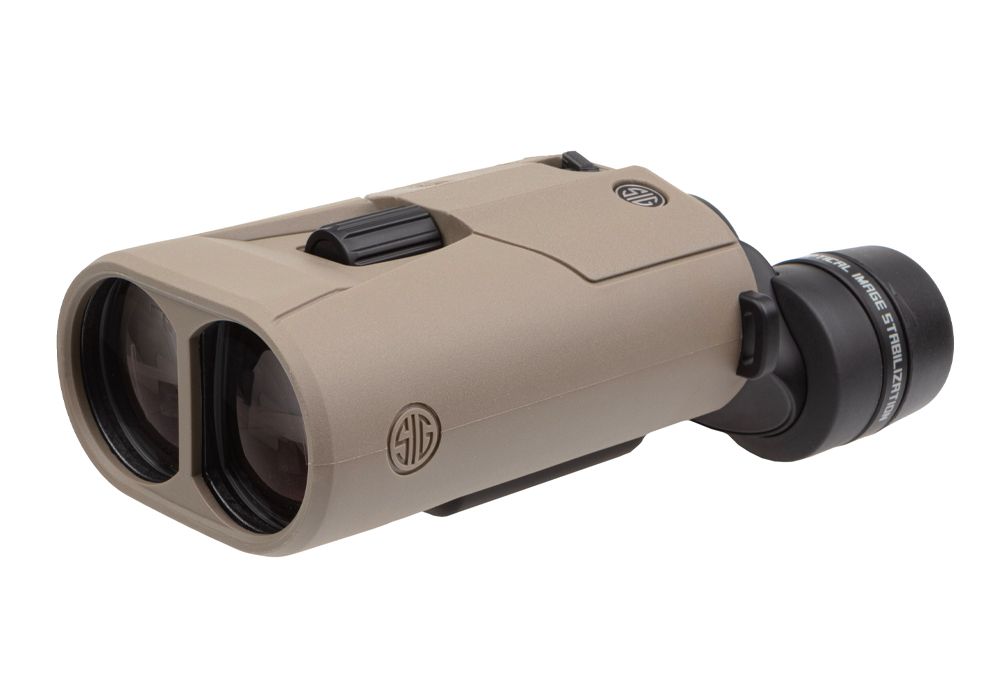
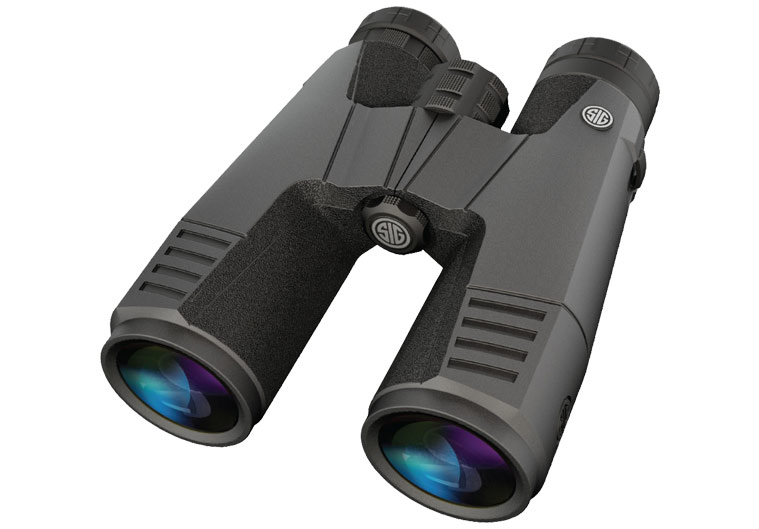
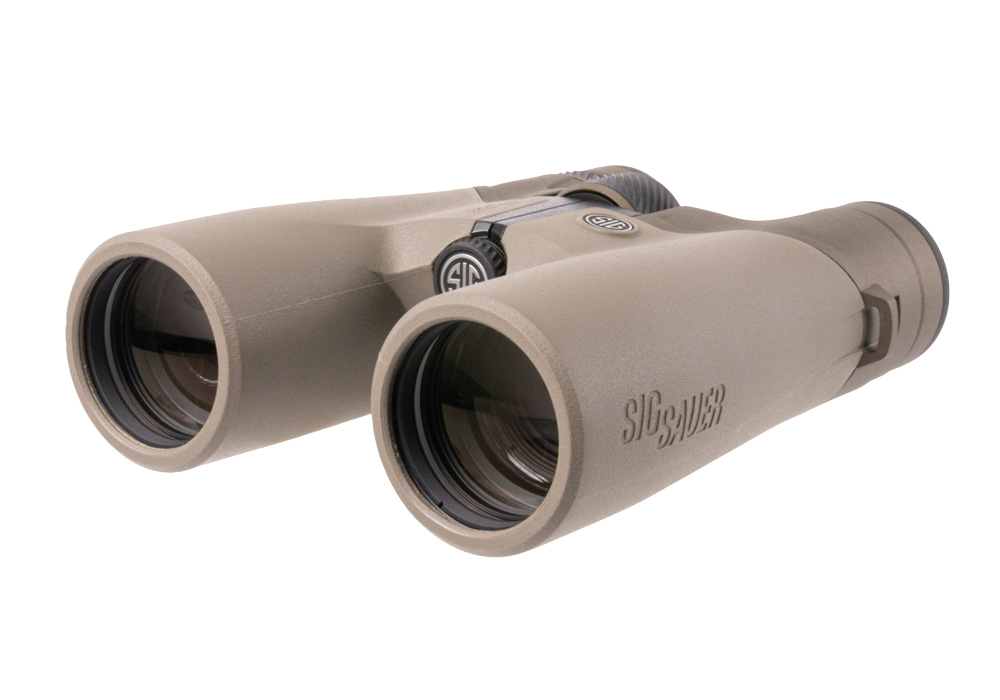
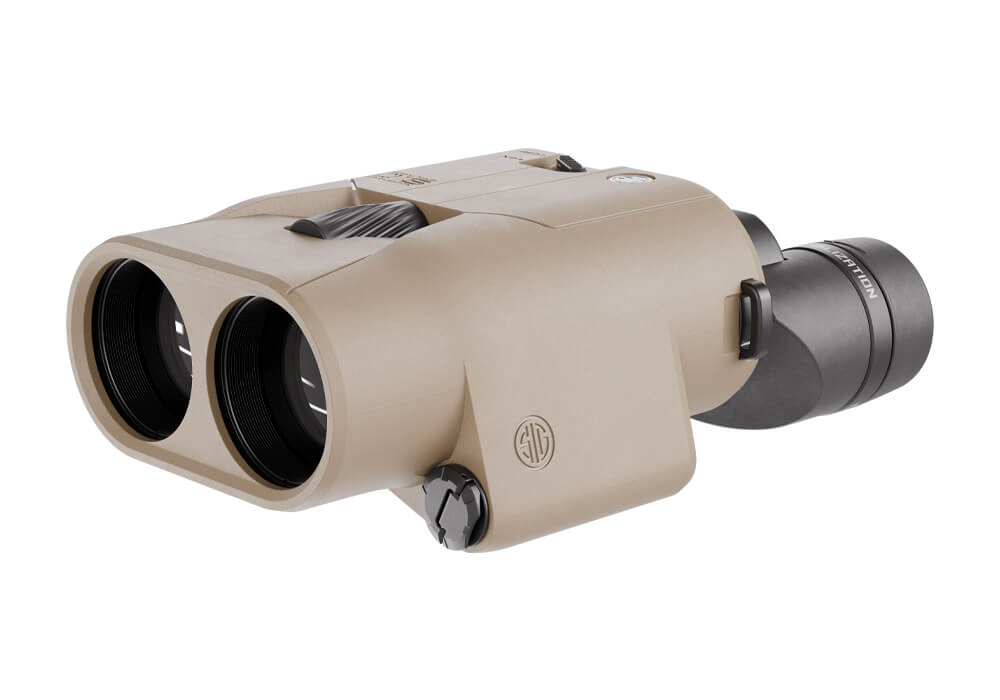
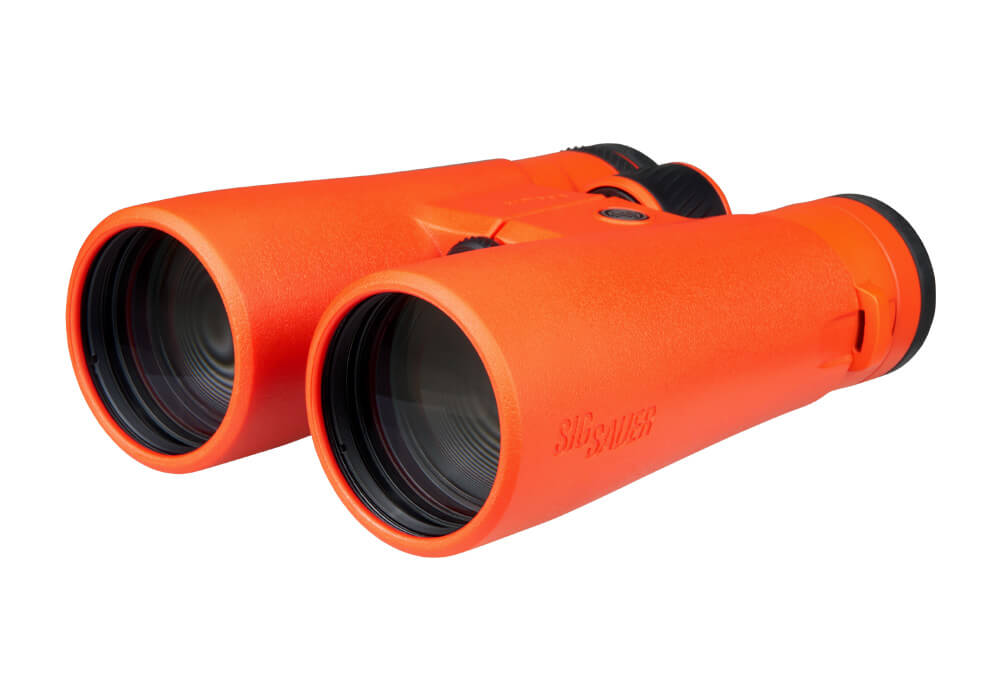
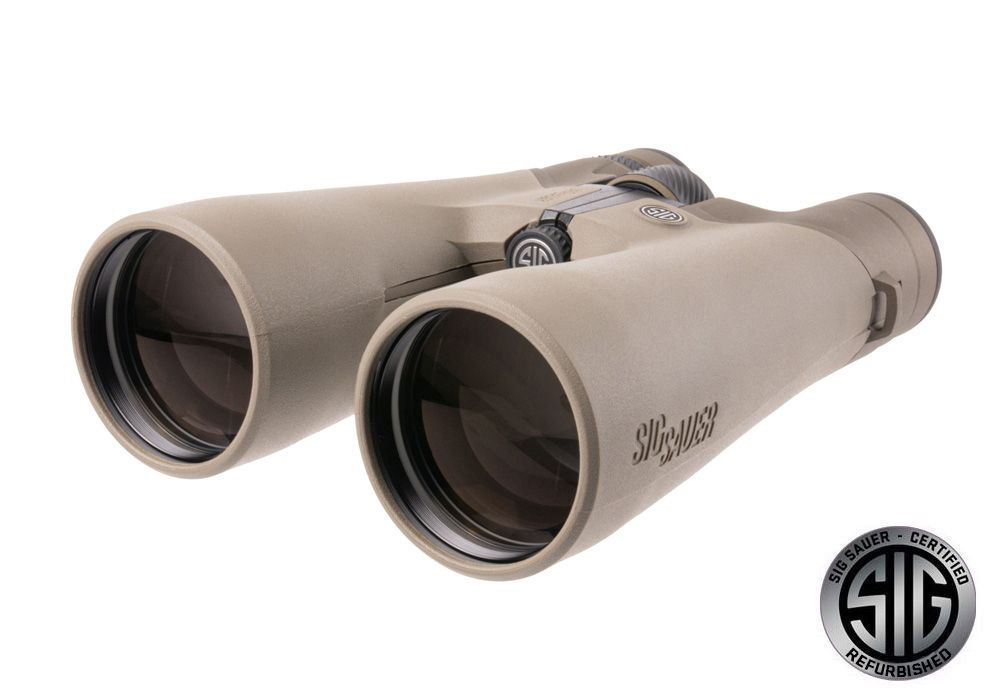
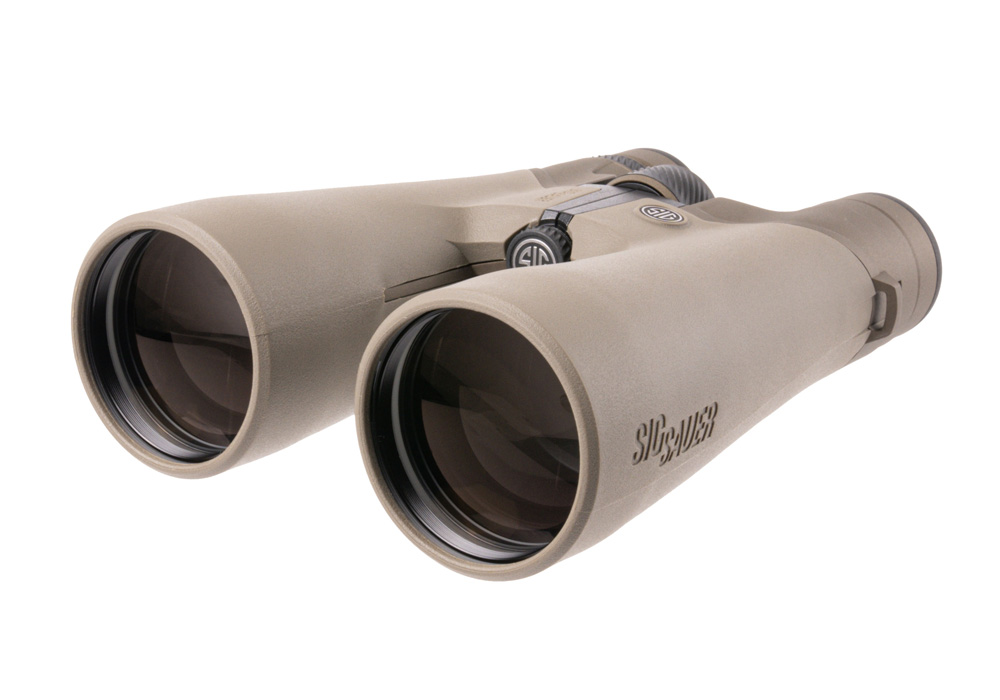
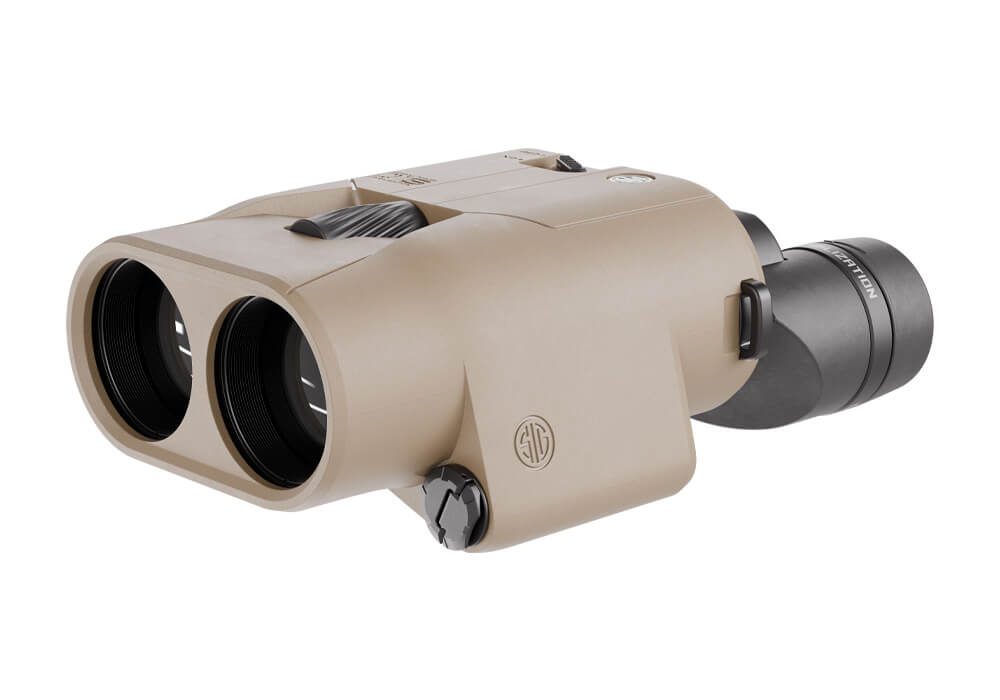
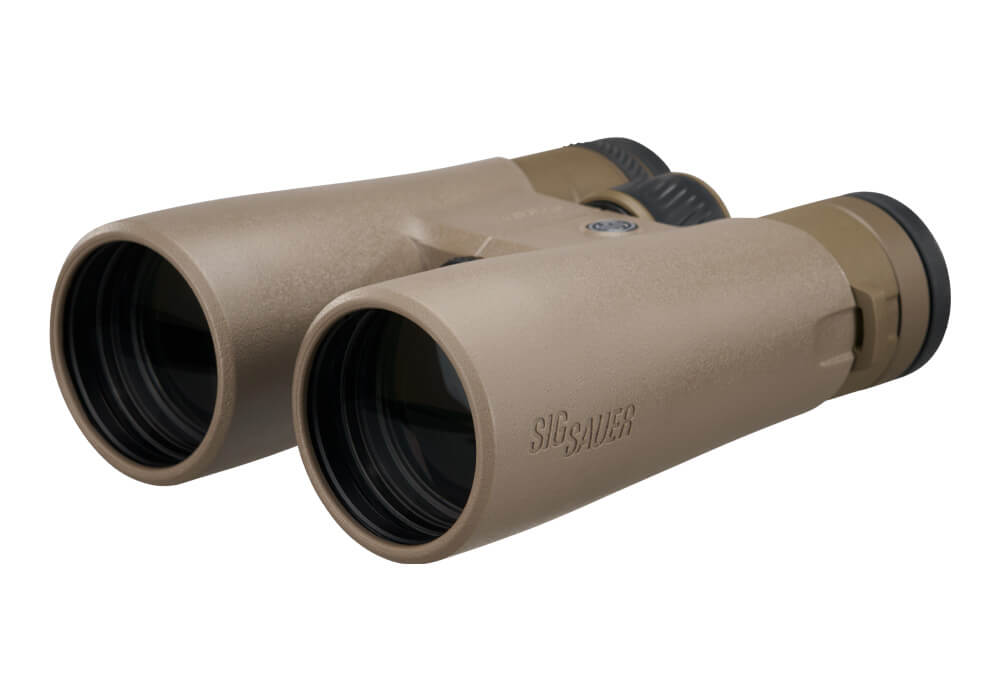
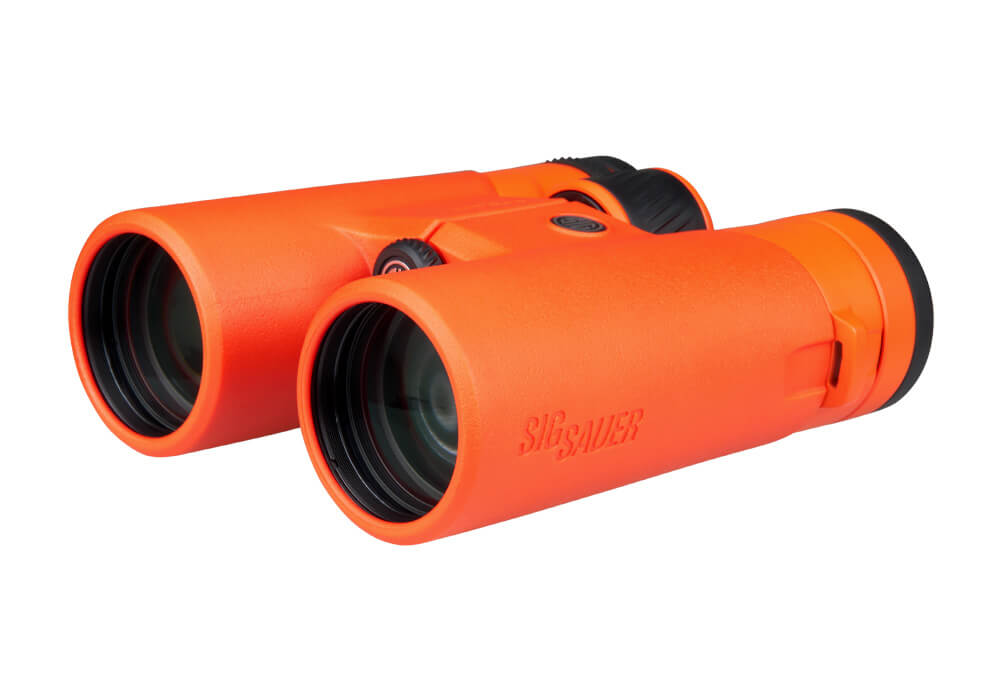
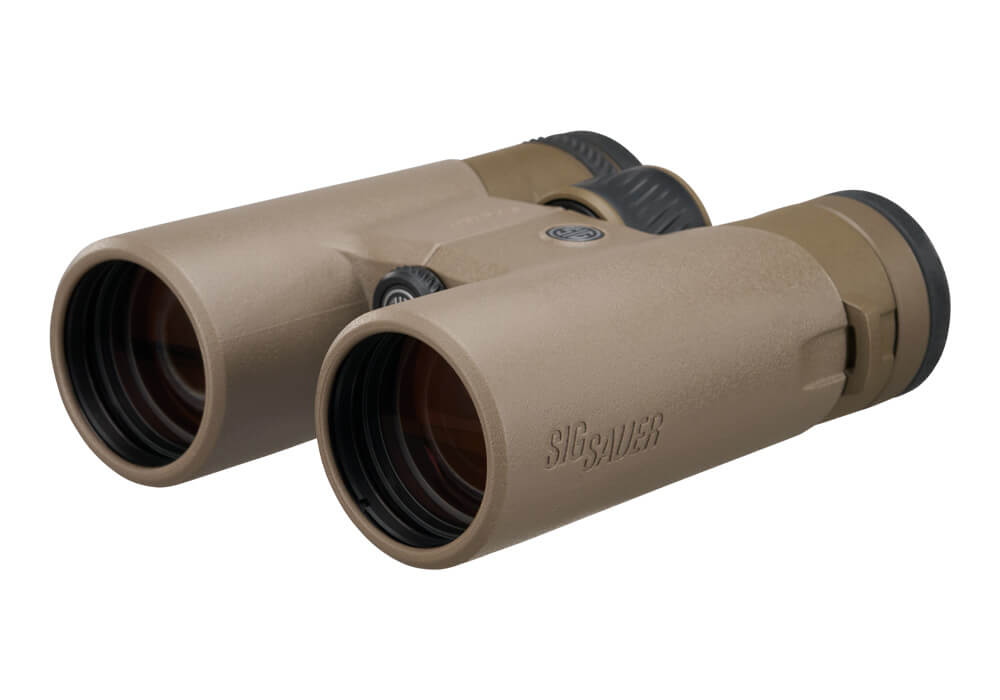
Binoculars for shed hunting help reveal antler tips, beams, and curves that disappear among branches, grass stems, and broken ground. The most useful magnification depends on the terrain: 8x binoculars generally provide a wider view and steadier handheld observation in timber and brush, while 10x binoculars bring distant details closer across open hillsides, field edges, and clearings. Higher magnification can be useful for extended observation from a fixed position, but it also magnifies hand movement and often narrows the visible area. For someone covering ground on foot, a balanced combination of clarity, field of view, and manageable weight can matter more than maximum power. Shed antlers rarely resemble the clean, isolated examples seen in photographs. A deer antler may lie with only two points visible above flattened vegetation, while an elk antler can blend into a tangle of pale limbs beside a feeding area. Good binoculars allow a closer look at those small irregularities before committing to a long walk or a steep climb. Color alone is not a dependable clue; antlers can range from dark brown to pale ivory, and their appearance changes with the surrounding cover. Contrast, sharpness, and the ability to resolve fine edges help distinguish a rounded beam from a jagged stick. A broad field of view is especially useful when following a contour across a slope or relocating a suspicious shape after lowering the binoculars. Close-focus performance has value, too, when inspecting an object across a narrow ravine or just beyond a brush line. These viewing characteristics suit different approaches to shed hunting, from deliberate searches through hardwoods to long pauses overlooking broad country. They also explain why binoculars remain useful even when the search area looks easy to cover: a few seconds of careful observation can save unnecessary steps and help keep attention on promising ground. The result is less time investigating distant branches and more attention available for the subtle shapes that make this pursuit rewarding.
Optical quality and a comfortable fit support that attention over hours of searching. Objective lenses in the 32 mm to 42 mm range offer different balances of light gathering, bulk, and carrying weight, while larger objectives may appeal to observers who spend more time stationary. Objective size does not tell the whole story, however. Lens coatings, prism design, and overall optical construction influence how clearly small details stand apart from their backgrounds. Fully multicoated optics can improve light transmission and reduce reflections, while good edge sharpness makes more of the visible scene useful instead of limiting detail to the center. Glare control matters when a pale antler lies against bright grass or a reflective patch of ground. Eye relief and adjustable eyecups affect how comfortably the full image can be seen, particularly with prescription glasses. An adjustable interpupillary distance allows the two barrels to align with the eyes, and a diopter adjustment helps accommodate differences between them. A smooth focus wheel that is easy to reach makes repeated changes between nearby cover and a distant slope less distracting. These details become noticeable when the binoculars come to the eyes dozens of times during a single outing. Housing materials also influence the experience. Aluminum, magnesium, and reinforced polymer constructions offer different combinations of rigidity and weight, while rubber armor adds grip and helps protect exterior surfaces from everyday bumps and abrasion. Armor alone does not establish waterproof performance, so sealing and moisture-resistance specifications deserve separate consideration. Durable hinges, secure strap attachments, and protected eyecups are practical features for equipment carried through brush or transported alongside other field gear. Balance can be just as important as the number on a specification sheet: binoculars that settle naturally in the hands are easier to hold still while studying a possible tine. For longer observations, tripod compatibility provides another option, especially with greater magnification. A stable support can reveal detail that is difficult to hold consistently in view by hand.
Carrying comfort and straightforward care help binoculars remain useful beyond a single search. A well-fitted chest harness keeps the optic close to the body, limits swinging while stepping over logs, and leaves hands free for balance. A simple neck strap may suit shorter walks, while a protective pouch adds separation from grit and brush. Harness fit matters with a daypack, since overlapping straps can create pressure points or make the binoculars awkward to reach. Lens covers help keep viewing surfaces clean between stops, and tethered covers are less likely to be misplaced along the route. For routine care, loose dust and grit are best removed before wiping; a clean optical cloth and a lens-safe cleaner help protect coatings without grinding debris across the glass. Keeping the optic dry before enclosed storage and inspecting the straps, hinge, and eyecups supports dependable use over time. Shed hunting also calls for thoughtful use of the landscape. Permission, land-management rules, and antler-collection restrictions apply independently of how far away something can be spotted. Binoculars make it easier to observe wildlife from a respectful distance, and an interesting antler is not a reason to crowd animals or cross a closed boundary. Beyond shed searches, the same optical qualities suit watching deer along a distant edge, identifying birds, or examining details during a hike. Hunters who also search tangled hardwoods and leafy canopies may recognize similar viewing priorities in Binoculars for Squirrel Hunting, particularly a clear image, accessible focus, and comfortable handheld balance. That versatility makes binoculars a thoughtful gift for a dedicated shed hunter, a wildlife watcher, or someone beginning to spend more time outdoors. Familiarity with the recipient’s terrain, eyewear, and preferred carrying setup helps make the gift personal and practical. For frequent walkers and patient observers alike, the lasting value lies in a clearer look at the ground ahead and an optic comfortable enough to carry whenever an overlooked antler might come into view.