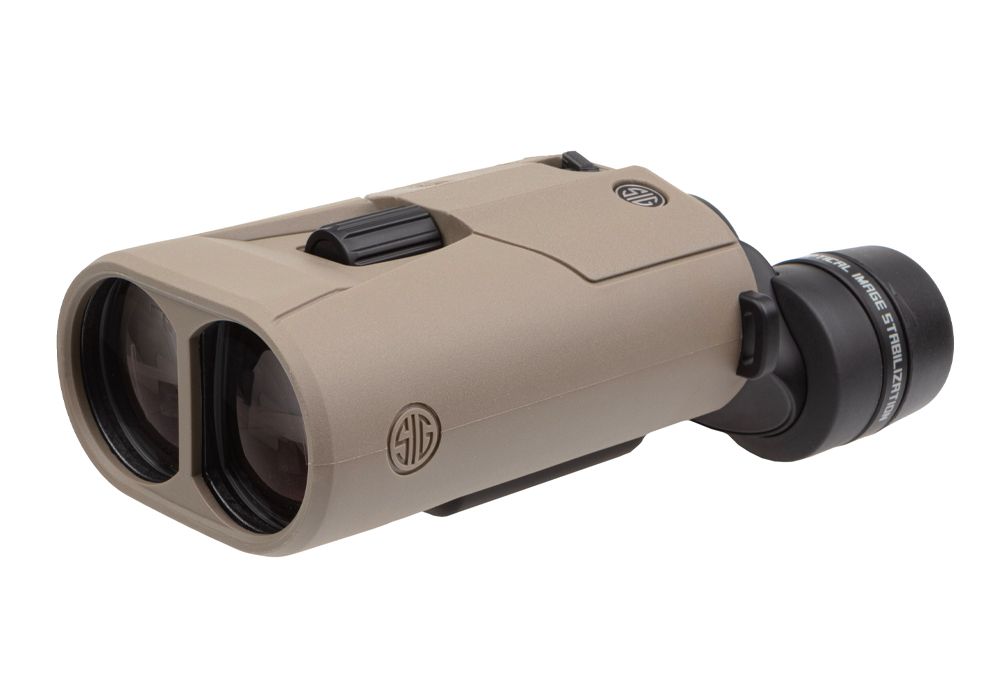
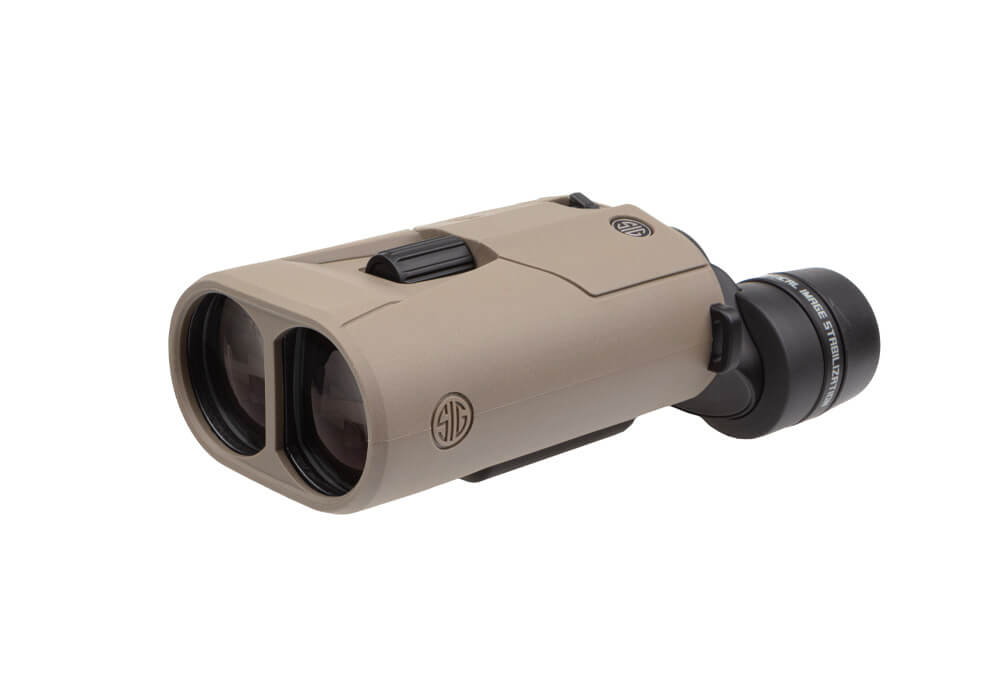
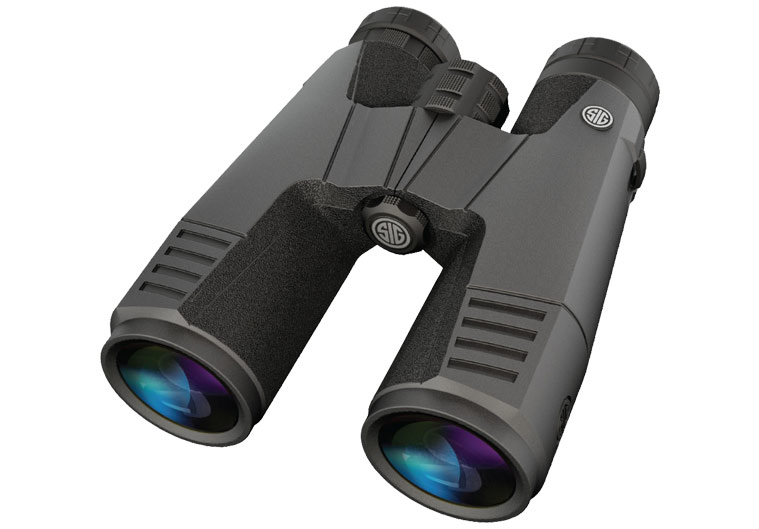
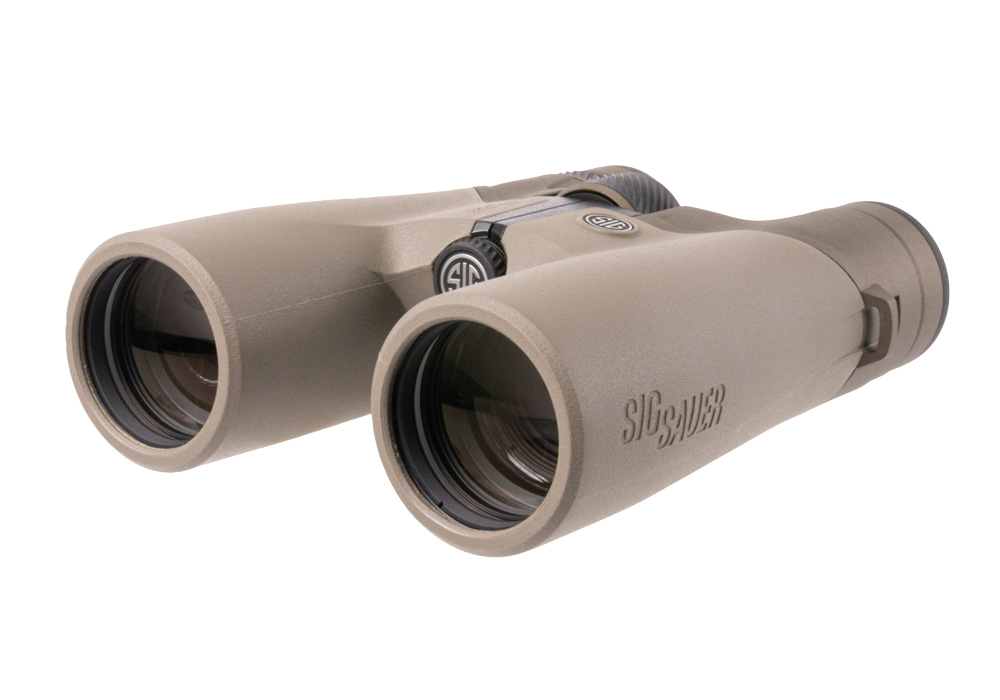
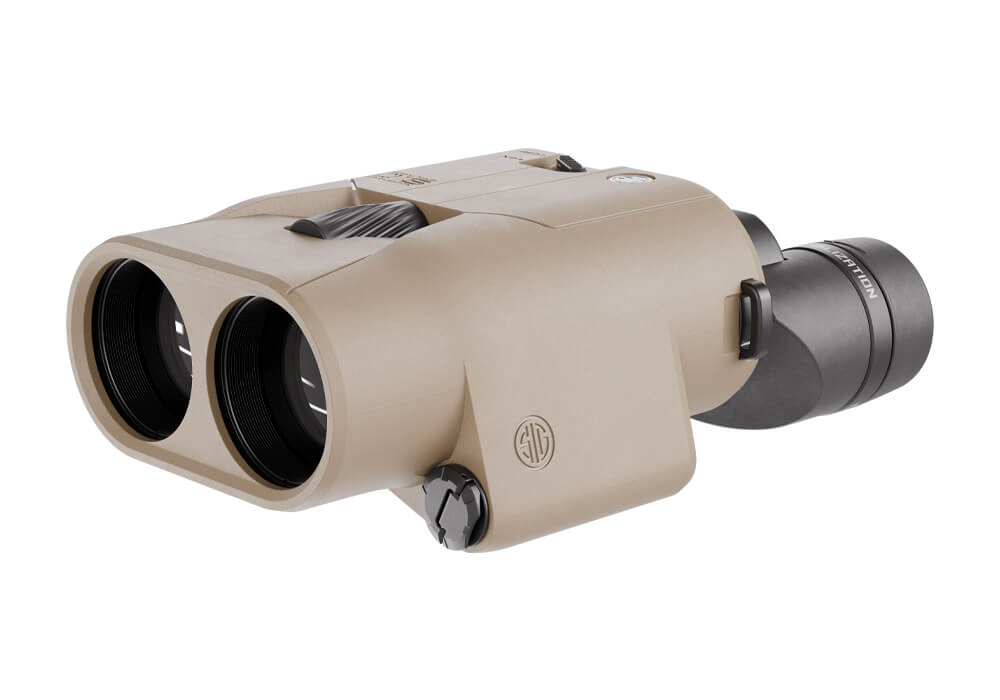
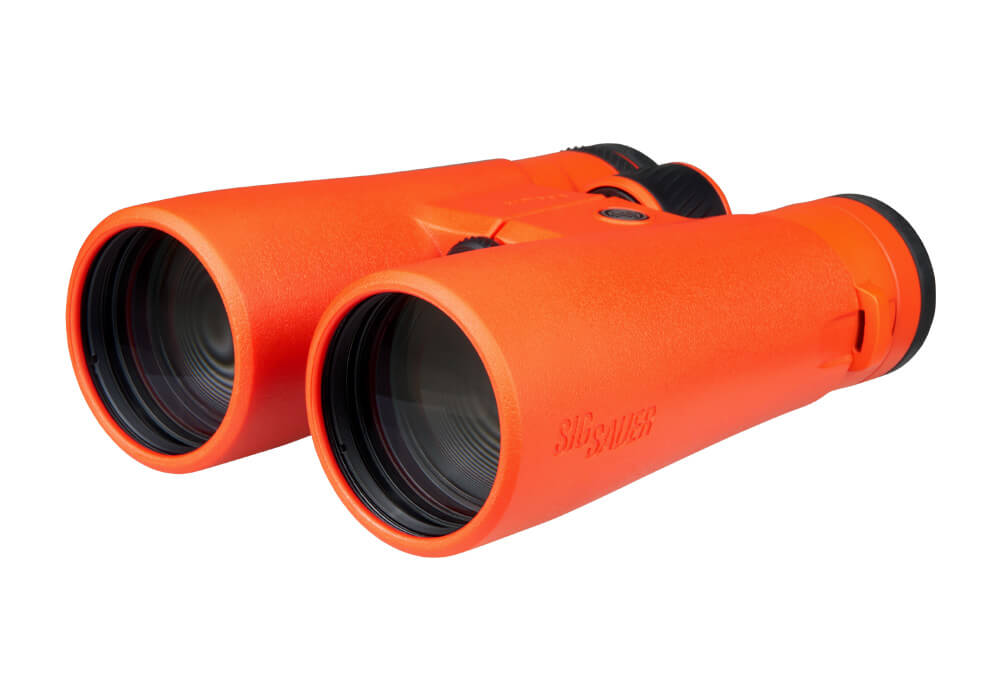
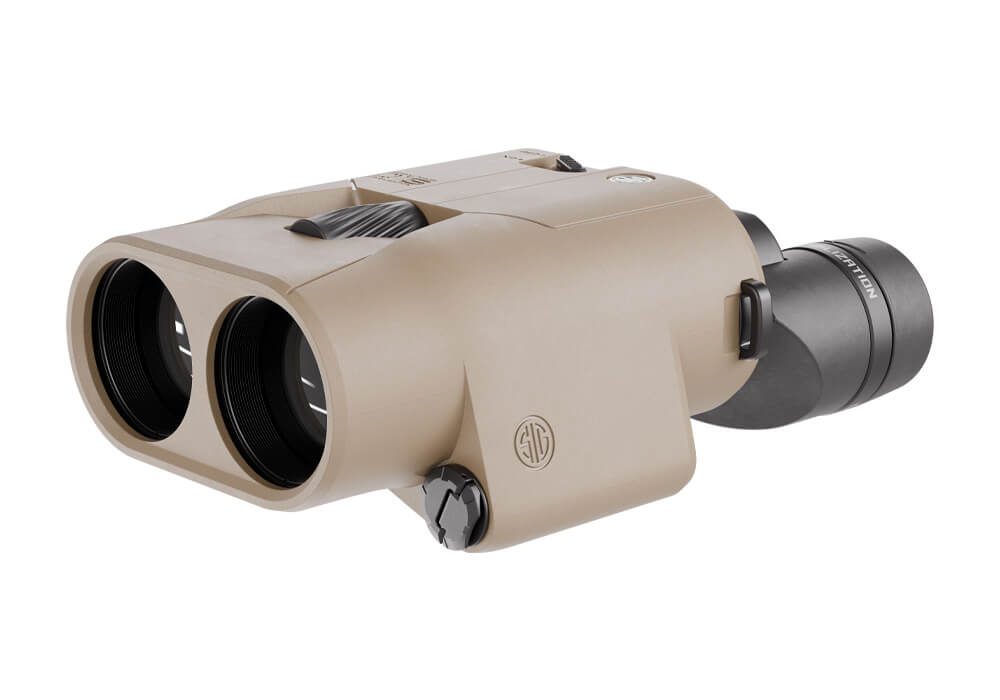
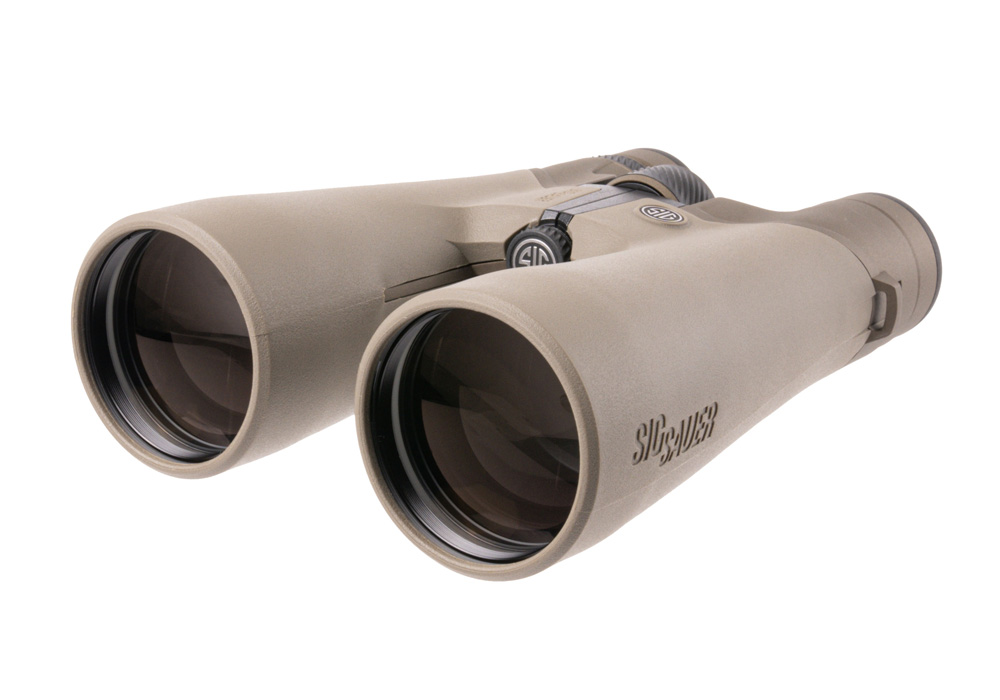
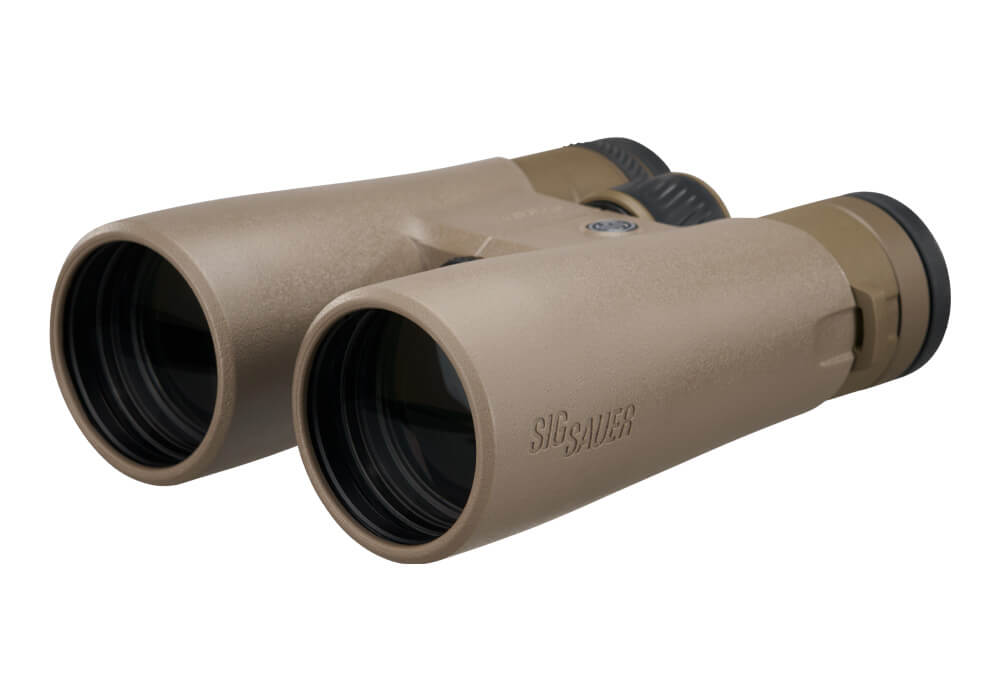
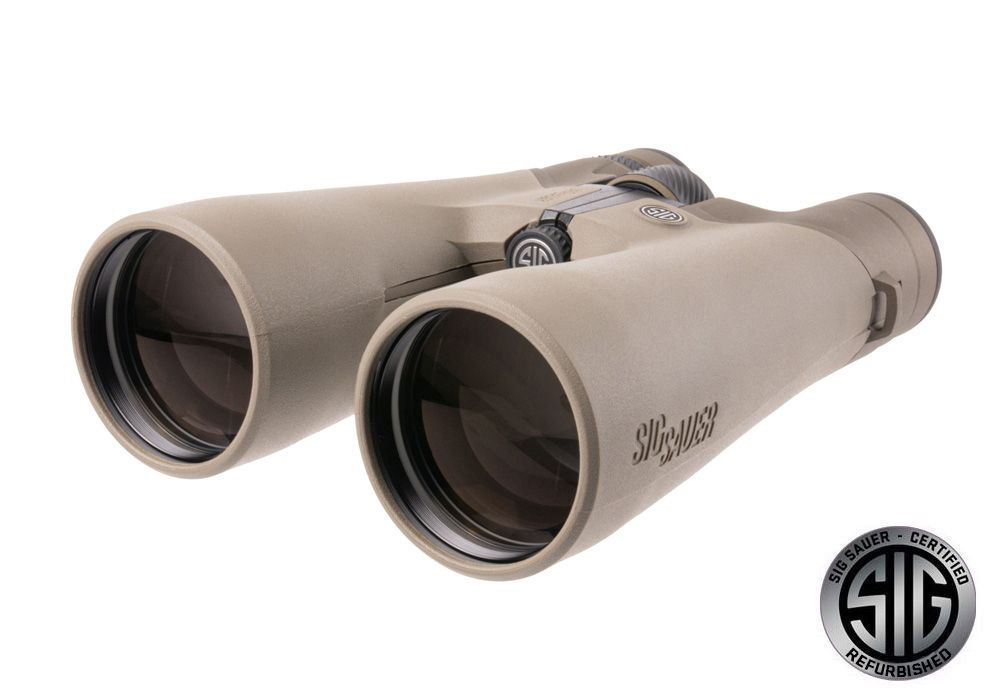
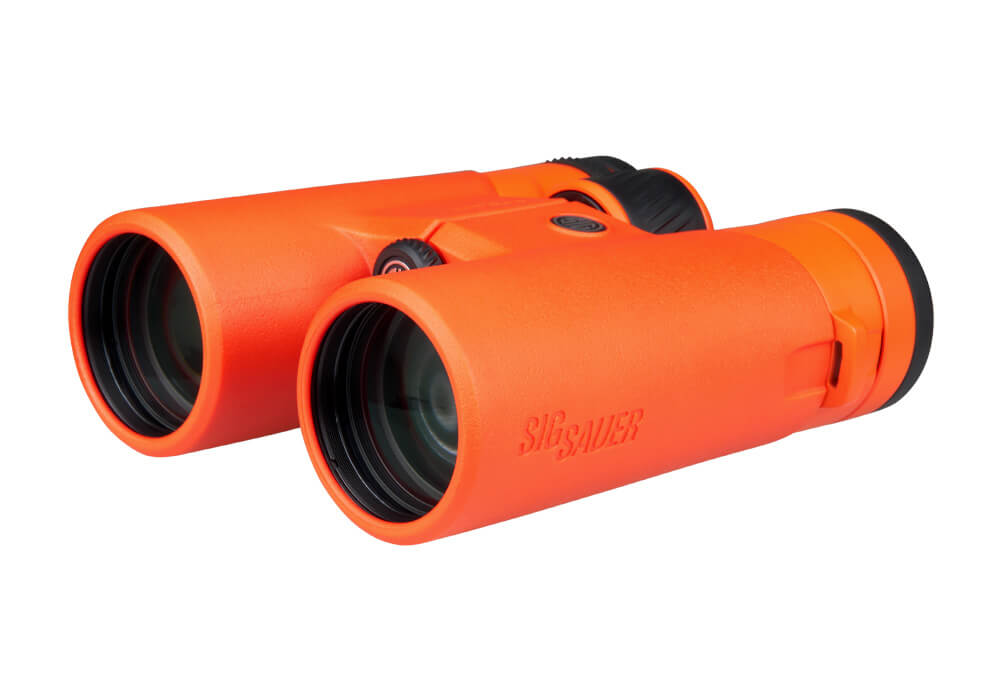
Binoculars for elk shed hunting help turn a distant patch of pale color into a recognizable antler before a long walk across a drainage. The most useful balance is usually moderate magnification, a bright, detailed image, and a weight that remains comfortable over several miles. An 8x42 or 10x42 configuration is a practical starting point: 8x magnification generally offers a wider view and easier handheld stability, while 10x provides additional detail for checking open hillsides, meadow edges, and scattered timber. A 42 mm objective lens balances light gathering with portability, although optical quality matters as much as lens diameter. Compact binoculars with smaller objectives can suit shorter outings or lighter packs, while larger configurations may appeal to those who spend more time glassing from a fixed position. Elk shed hunting often involves separating an antler beam from dry grass, weathered branches, and pale stones, so contrast, sharpness, and natural color are especially valuable. Well-controlled glare can help preserve detail when sunlight catches a slope at an awkward angle. A broad field of view makes it easier to examine a hillside without losing track of landmarks; useful sharpness toward the edges helps when a tine appears outside the center of the image. For shaded timber and early or late daylight, good light transmission and an appropriately sized exit pupil support comfortable viewing, but no binocular can reveal detail without enough available light. Higher magnification is not automatically better. A 12x view can expose more detail at distance, yet it also magnifies hand movement and may work best with a stable rest or compatible support. For many walkers, a steady 8x or 10x image reveals more than a stronger view that never quite settles. The right choice depends on how much ground is covered on foot, how open the terrain is, and how often a distant white curve needs a closer look before committing to the next climb.
Comfort and construction become just as important as optical performance once binoculars spend hours against a chest harness or come to the eyes dozens of times along a route. A housing built from magnesium alloy, aluminum, or reinforced polymer can offer different balances of weight, rigidity, and feel; the complete design matters more than the material name alone. Rubber armoring adds grip and helps protect exterior surfaces from everyday bumps against pack hardware, branches, and rocks. Waterproof sealing and internal gas purging are useful features for damp brush, melting snow, and temperature changes, although protection levels vary by design and should be checked in the specifications. Internal fog resistance also does not prevent moisture from forming on an exposed outer lens. A secure, properly adjusted harness keeps binoculars accessible while limiting movement on steep ground, and covered lens openings help keep grit away from the glass. Fit deserves equal attention. Adjustable eyecups, suitable eye relief, and an interpupillary range that matches the user help produce a full circular view without dark edges or constant repositioning. For eyeglass wearers, usable eye relief is particularly important. A diopter adjustment allows the two sides to accommodate differences between the eyes, while a smooth focus wheel makes it easier to move from nearby brush to a distant bench. Controls that remain easy to locate with gloves can be helpful during late-winter and early-spring outings. Weight should include the harness and any accessories, not just the binocular body. A slightly larger optic that rides comfortably may be less distracting than a smaller one swinging from a loose strap. After an outing, remove loose dust with a suitable blower or soft lens brush before using lens-safe cleaning materials; rubbing grit across a lens can damage coatings. Let damp equipment dry before storage, keep protective covers clean, and follow the care directions for the particular optic rather than assuming every sealed housing tolerates the same treatment.
Elk antlers can blend into country that initially looks empty, which is why binoculars earn their place on both short scouting walks and longer shed-hunting trips. A single tine may resemble a broken twig until the angle changes, while a beam partly hidden in grass can show only a narrow sweep of ivory against the ground. Clear resolution helps evaluate those shapes, and comfortable viewing encourages the patient observation that this activity rewards. From a ridge or trail-side opening, binoculars let a person study feeding areas, timber margins, and benches without crossing every patch of cover. They are less effective when brush completely blocks the ground, and even excellent optics cannot confirm an antler concealed behind vegetation. Terrain therefore shapes the choice: broader views favor searching broken woodland, while stronger magnification and stable support can be useful across open basins. For outings shared with a partner, easy adjustments and a comfortable grip make occasional handoffs simpler, although each user still needs to set the eyecups, spacing, and focus correctly. These binoculars can also serve wildlife watchers, hikers, and hunters who want one optic for several outdoor interests. Related terrain and viewing considerations appear in Binoculars For Bear Hunting Season, particularly where handheld stability and detail in shaded cover matter. As a gift for an elk enthusiast or a regular hiking companion, binoculars are a practical choice when the recipient’s preferred terrain, eyewear, and tolerance for carrying weight are understood. Responsible use is equally important to a rewarding outing. Elk may shed antlers from late winter into spring, with timing varying among animals and locations, and some areas restrict access or antler collection to protect wildlife. Respect seasonal closures, land boundaries, and local rules, obtain permission where required, and give animals space rather than pushing them away from resting or feeding areas. Thoughtfully chosen binoculars support that quieter approach by allowing careful observation from a distance while keeping the focus on the landscape and the search.