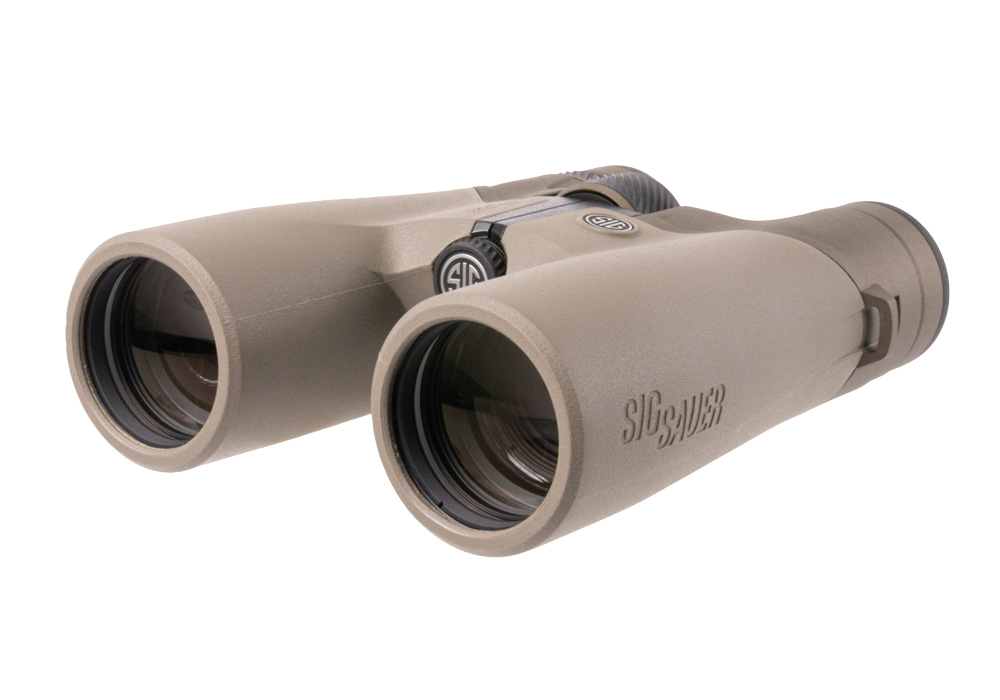
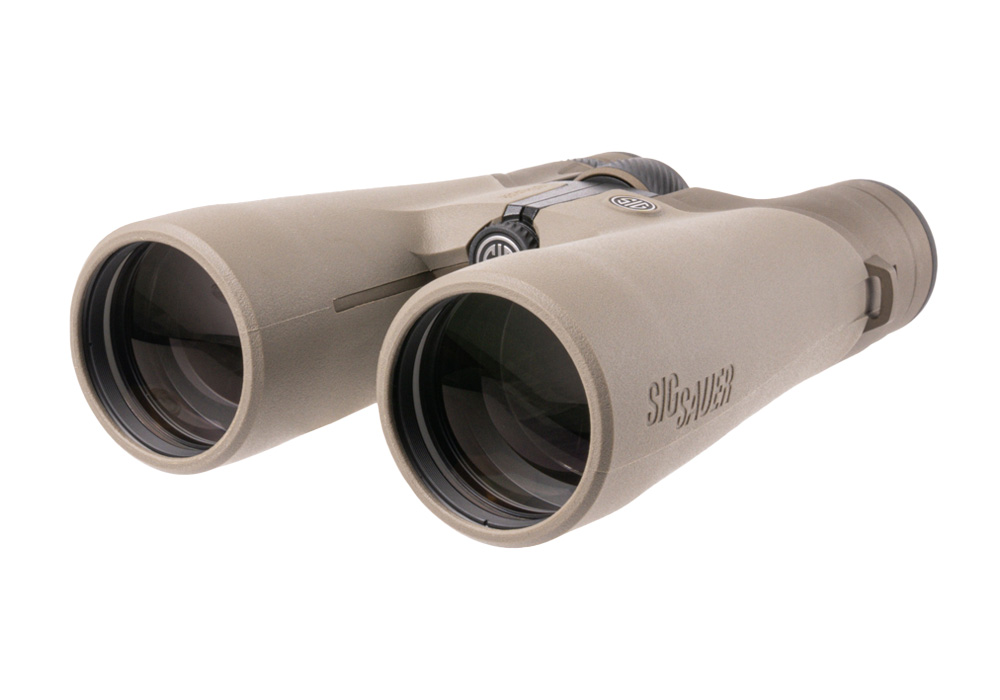
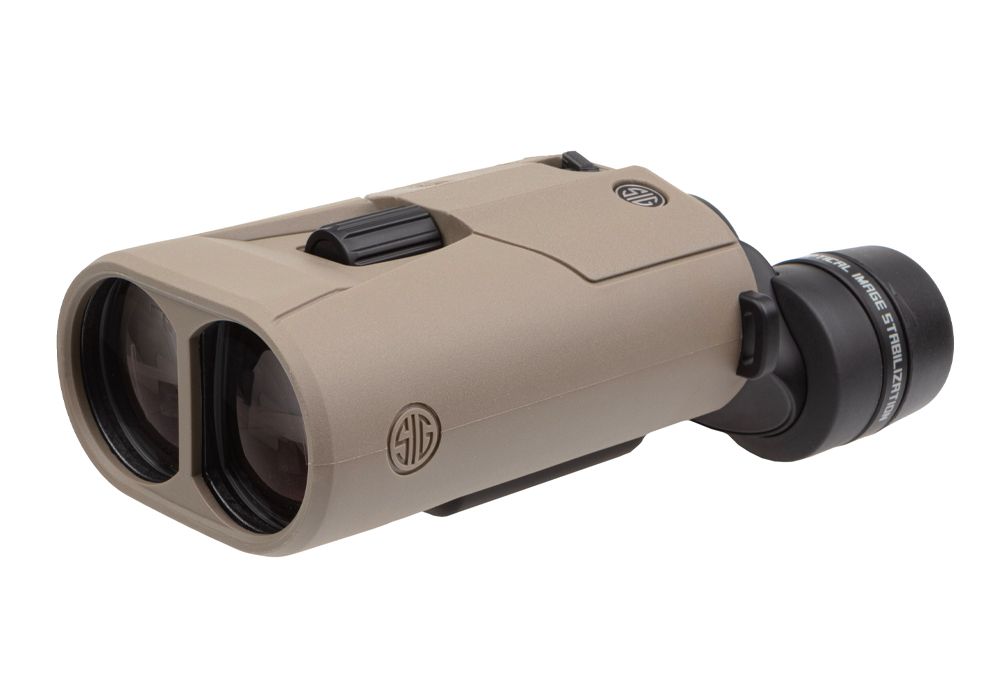
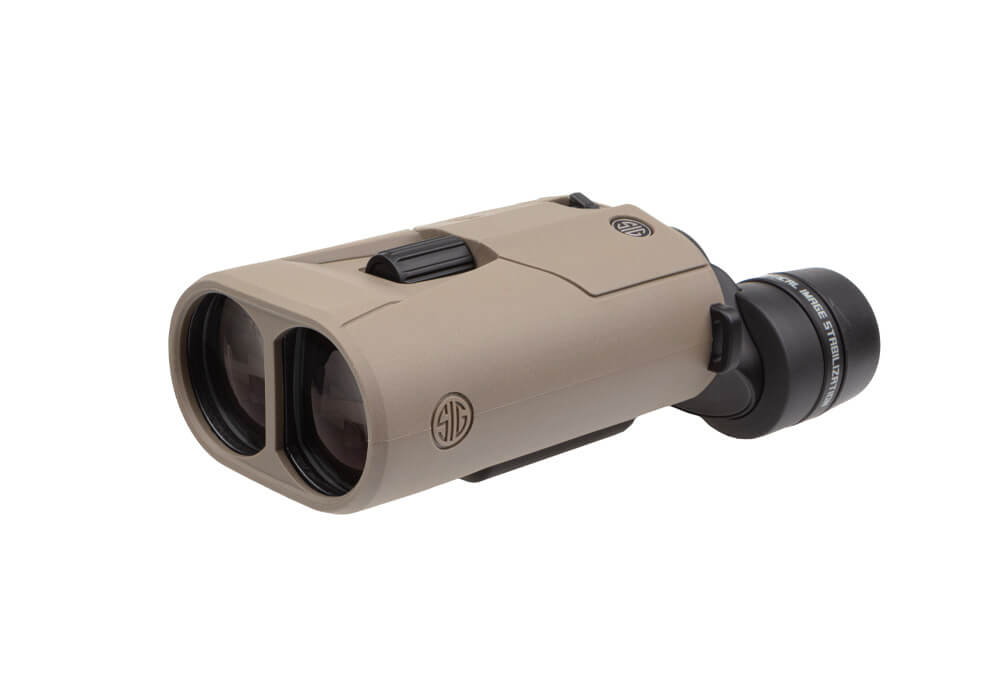
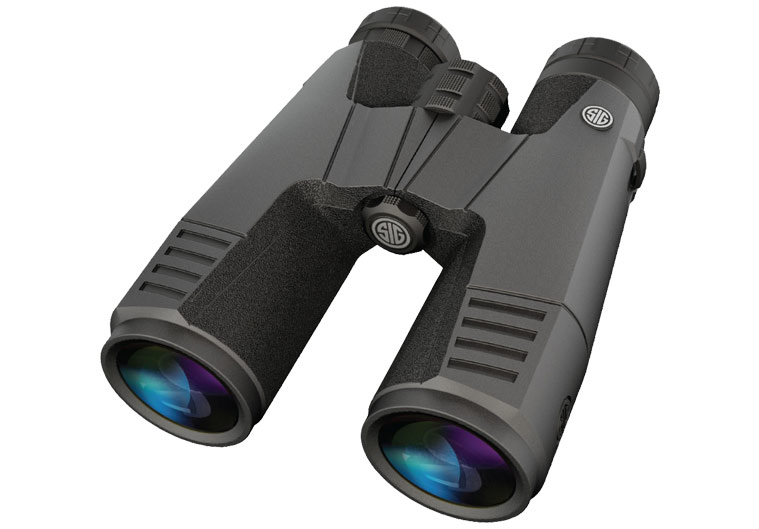
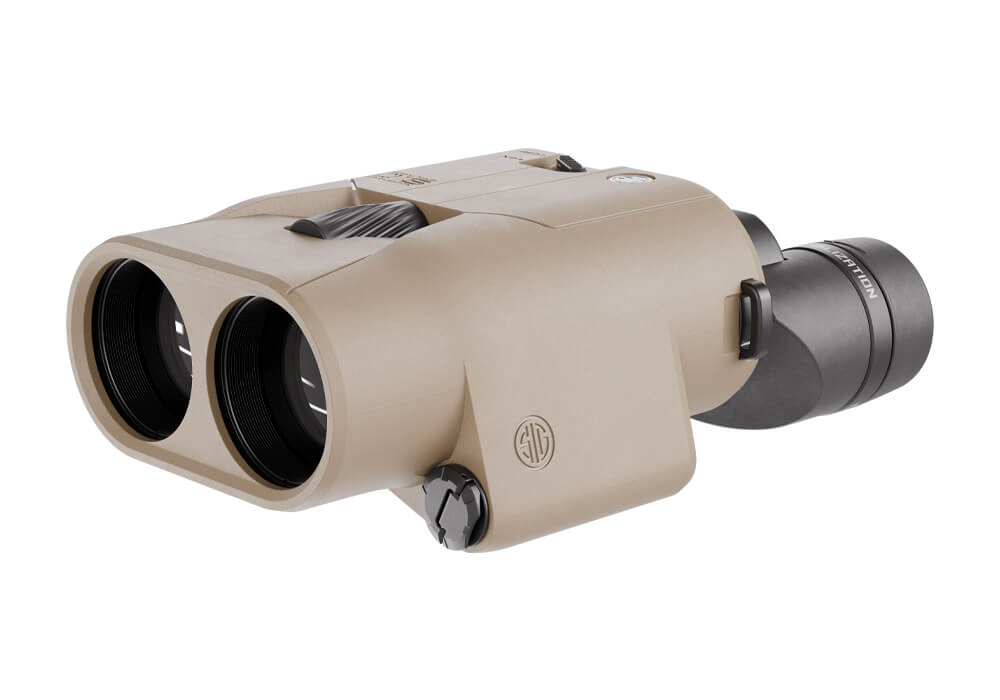
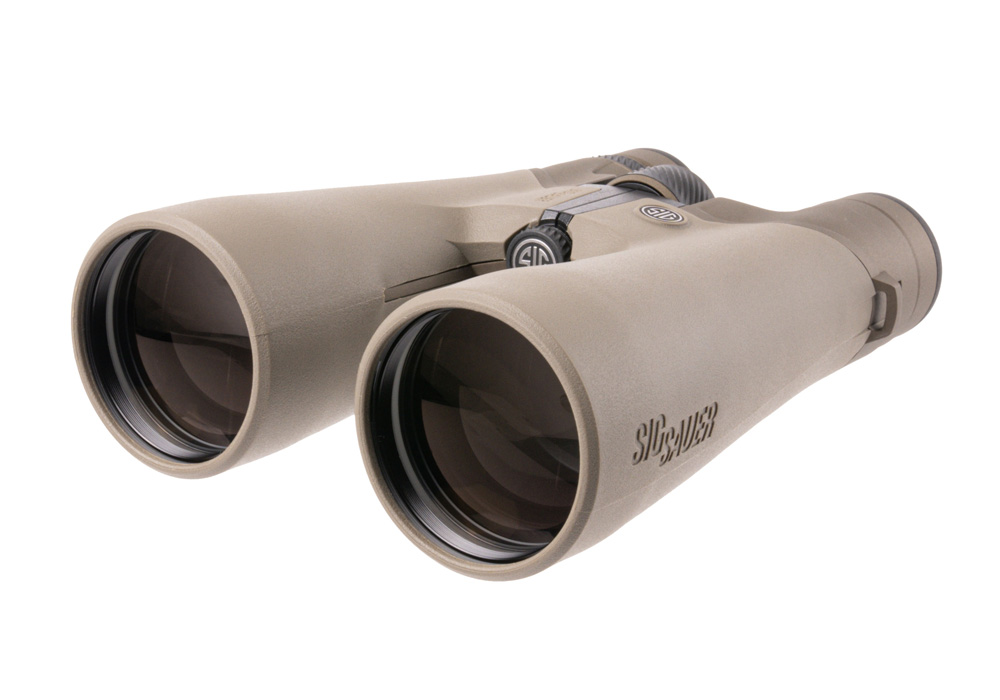
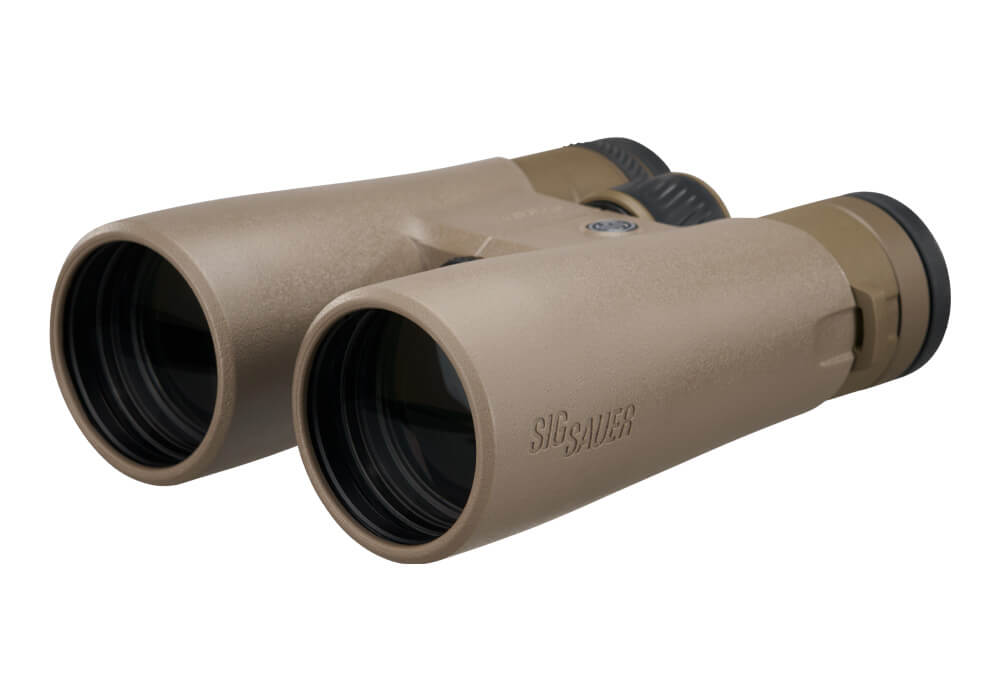
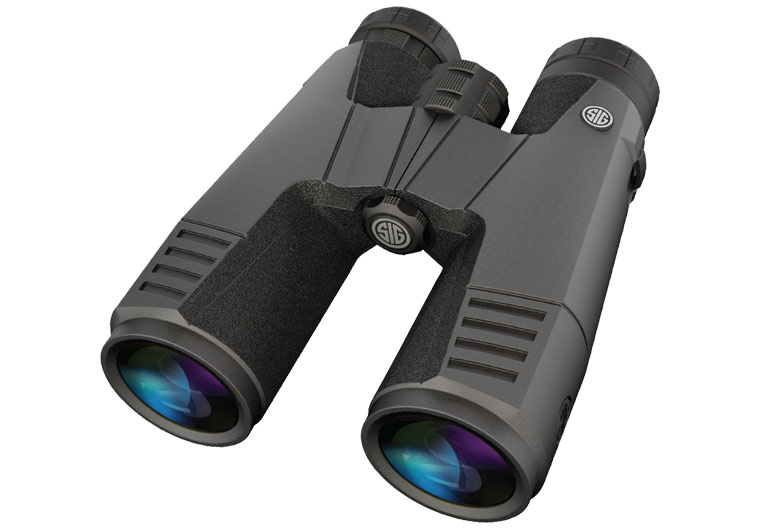
Binoculars for bear hunting season bring distant terrain into clearer view while helping hunters observe wildlife without closing the distance unnecessarily. Across a timbered slope, a brushy clearing, or a broad mountain basin, useful hunting optics balance magnification, field of view, image clarity, and the weight carried throughout the day. An 8x42 configuration is a practical choice for wooded terrain and handheld observation: eight-power magnification is generally easier to steady than higher magnification, and many designs provide a generous field of view for following movement between trees. A 10x42 configuration brings distant details closer while remaining manageable for hunters who divide their time between forest edges and open country. The first number describes magnification; the second gives the objective lens diameter in millimeters. Larger configurations, such as 10x50 or 12x50, can suit extended observation across open terrain, though their extra bulk and greater sensitivity to hand movement deserve consideration. A larger objective lens can support low-light viewing, but brightness also depends on magnification, glass quality, coatings, and the observer’s eyes. Higher magnification alone does not guarantee a more useful view. During dawn and dusk, contrast and clean detail can matter more than a larger-looking image, especially when dark fur blends with wet bark, shaded brush, or an uneven rock face. Fully multicoated lenses help reduce reflections and improve light transmission, while well-controlled color fringing can make edges easier to distinguish against bright sky or pale ground. Descriptions such as HD are most useful alongside clear specifications rather than as a substitute for understanding the complete optical design. For bear hunting, the strongest overall fit is often the binocular that provides a steady, comfortable image for repeated viewing, not the one with the highest magnification. Wildlife observation also remains separate from confirming a lawful hunting opportunity: species identification, local regulations, legal shooting hours, and a clear understanding of the surroundings still govern decisions in the field.
Durability and fit become especially noticeable when binoculars spend hours against a chest harness, ride inside a pack, or come out repeatedly during rain and snow. Common housing materials include aluminum, magnesium, and reinforced polymers, each offering a different balance of weight, rigidity, and handling feel. Rubber armor adds grip and helps protect the exterior from routine knocks, but it should not be treated as proof that an optic can withstand any impact. Waterproof construction and internal fog resistance are valuable for bear hunting conditions, particularly where damp vegetation, wet gloves, and temperature changes are part of the outing. Sealed housings and nitrogen or argon purging help protect internal optical surfaces from moisture; exterior lenses can still collect condensation when moving between different temperatures. Specific water-resistance ratings provide more useful detail than a broad weatherproof description. Just as important is how the binocular fits the person carrying it. Adjustable eyecups, adequate eye relief, and a suitable interpupillary distance range help establish a full view without dark crescents at the edges. Hunters who wear glasses often benefit from longer eye relief, although usable comfort depends on the eyecup design and the shape of the eyewear. A diopter adjustment accommodates differences between the eyes, while a focus wheel that turns predictably with gloves can be easier to manage on a cold, exposed ridge. Weight distribution matters as much as the number on a specification sheet. A balanced binocular may feel comfortable during a brief look yet become tiring during a long session, particularly at higher magnification. A compatible tripod adapter can add steadiness for prolonged observation, while a properly fitted harness keeps binoculars accessible and limits swinging on uneven trails. Harness size, strap placement, lens-cover retention, and access to the focus wheel all influence everyday usability. These details are especially relevant for hunters who hike steep country or carry a pack with substantial shoulder straps, where bulky equipment can rub, shift, or become awkward to reach.
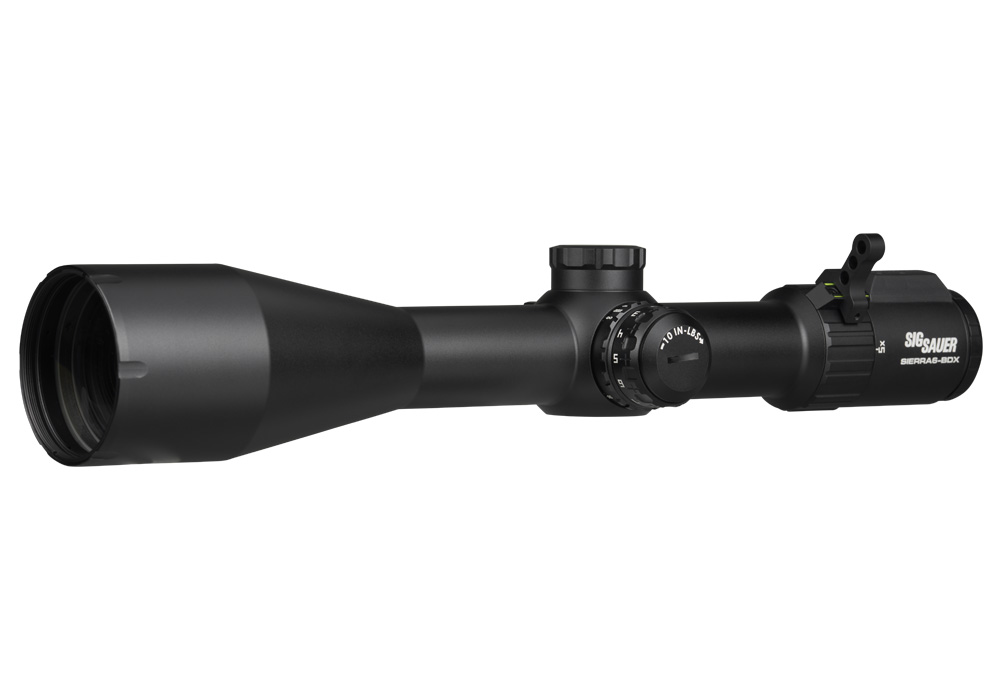
The intended use helps separate a comfortable everyday hunting binocular from an optic better suited to stationary observation. Someone moving through dense timber may appreciate a broad view and modest weight, while a hunter spending long stretches watching a distant hillside may place greater value on fine detail and support compatibility. A stable image can reveal subtle movement that becomes difficult to follow through a shaky, more powerful optic. Resting elbows on a solid surface or using suitable support can make viewing less tiring without adding magnification. Binoculars are useful for examining terrain and observing animals, but they do not measure distance on their own. Complementary rangefinders for bear hunting season address that separate task, while binoculars remain the primary tool for sustained two-eyed observation. Neither replaces sound judgment or appropriate distance around bears. Between outings, thoughtful care helps preserve the image quality that matters in the field. Loose grit should be removed with an appropriate blower or soft optical brush before a lens cloth touches the glass, and cleaning fluid should be suitable for coated optics. Wiping dust with a sleeve can grind particles against the surface. Damp binoculars and harnesses need time to dry before enclosed storage, with lens covers and a protective case helping keep clean optics protected during transport. Harsh solvents and excessive heat are best avoided, and care instructions should match the optic’s construction. For a gift, binoculars can suit an experienced bear hunter, a newer hunter building a dependable field kit, or a family member who also enjoys wildlife watching. Comfort, eyeglass compatibility, and carrying preferences are more meaningful starting points than magnification alone. A binocular that fits naturally, focuses smoothly, and travels comfortably is more likely to earn regular use across scouting trips and hunting outings. The lasting value lies in clear observation, reliable handling, and equipment that remains comfortable when a quick look turns into an hour of watching a distant slope.