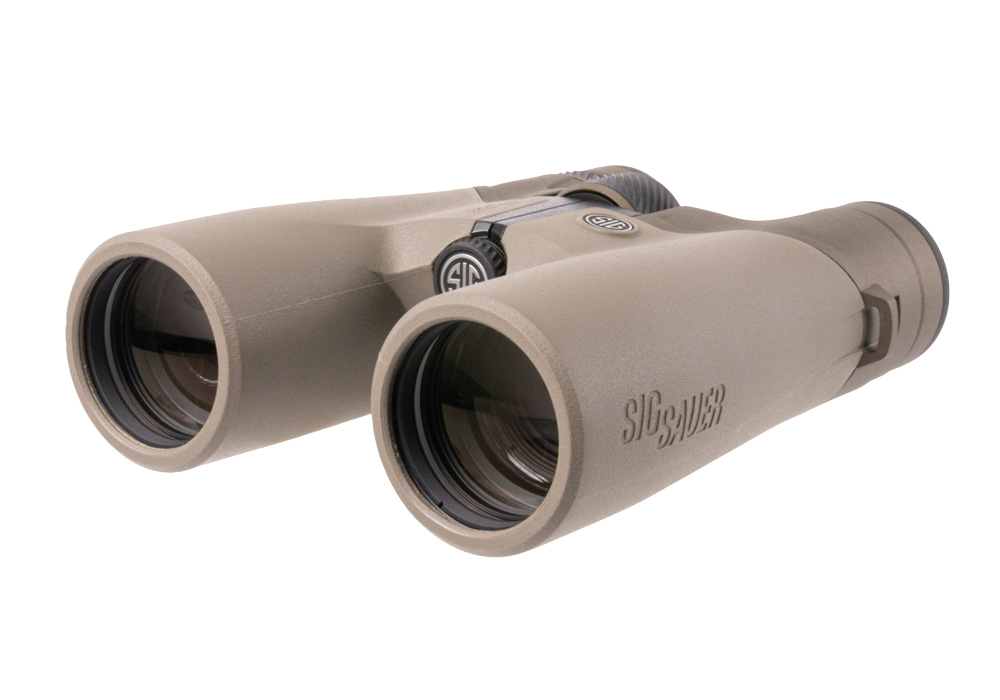
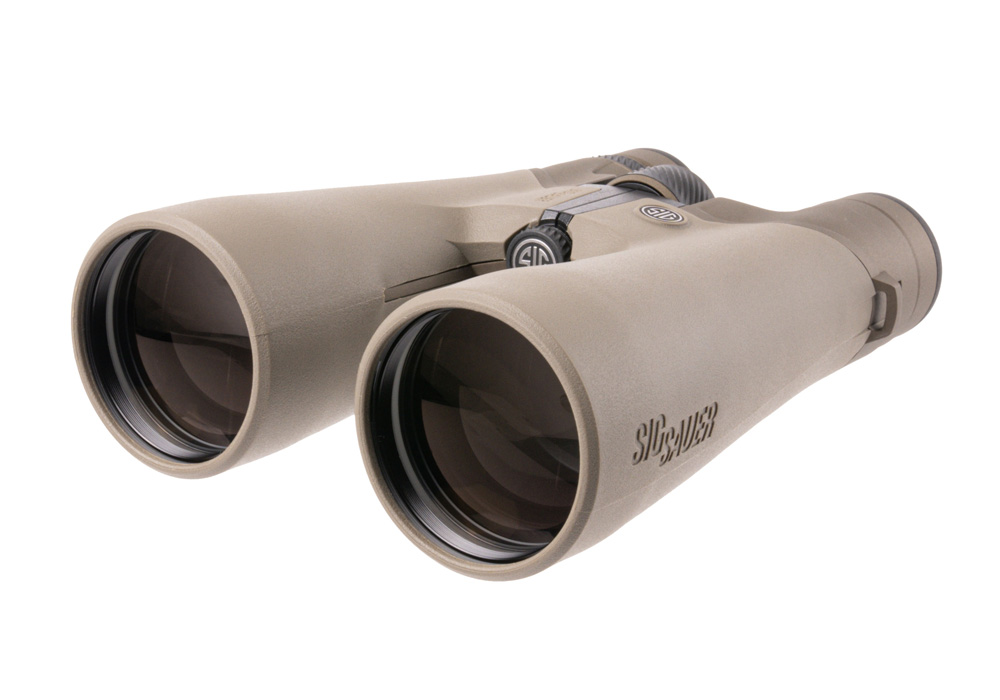
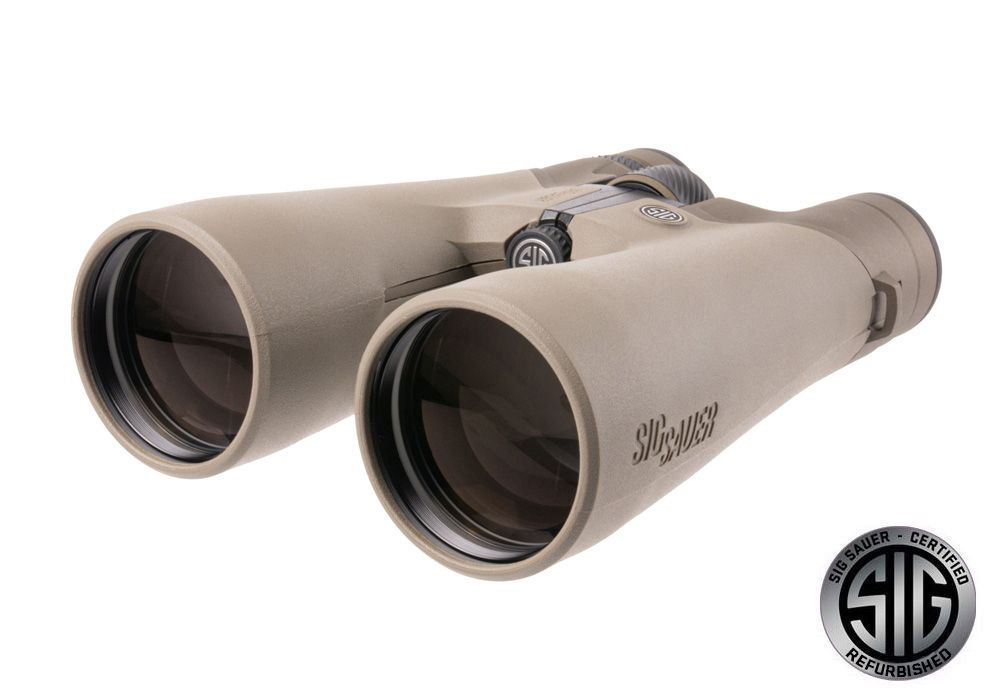
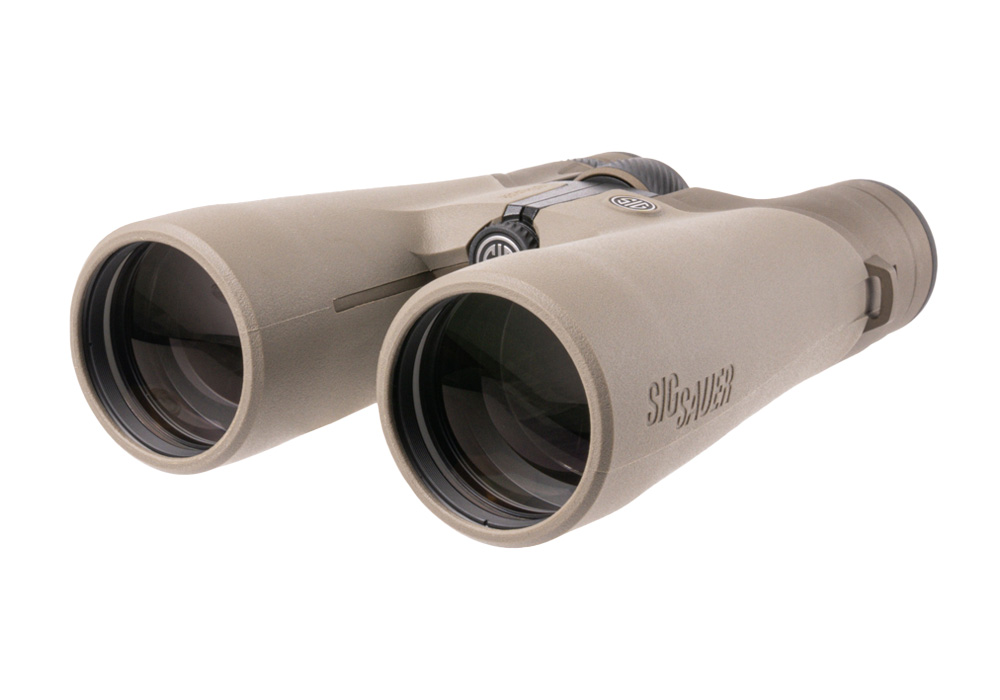
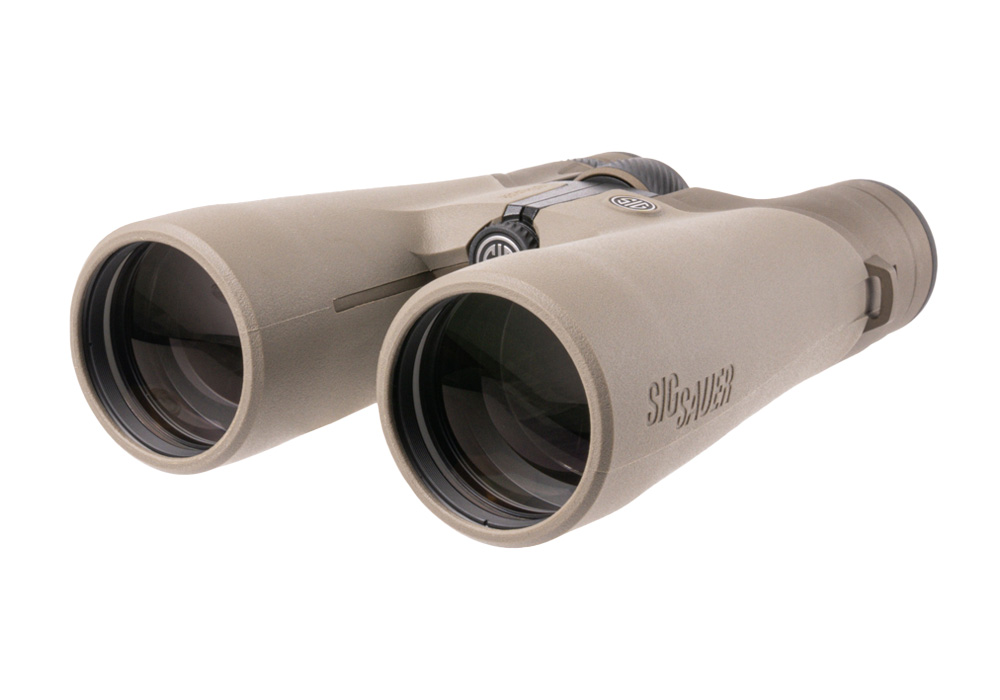
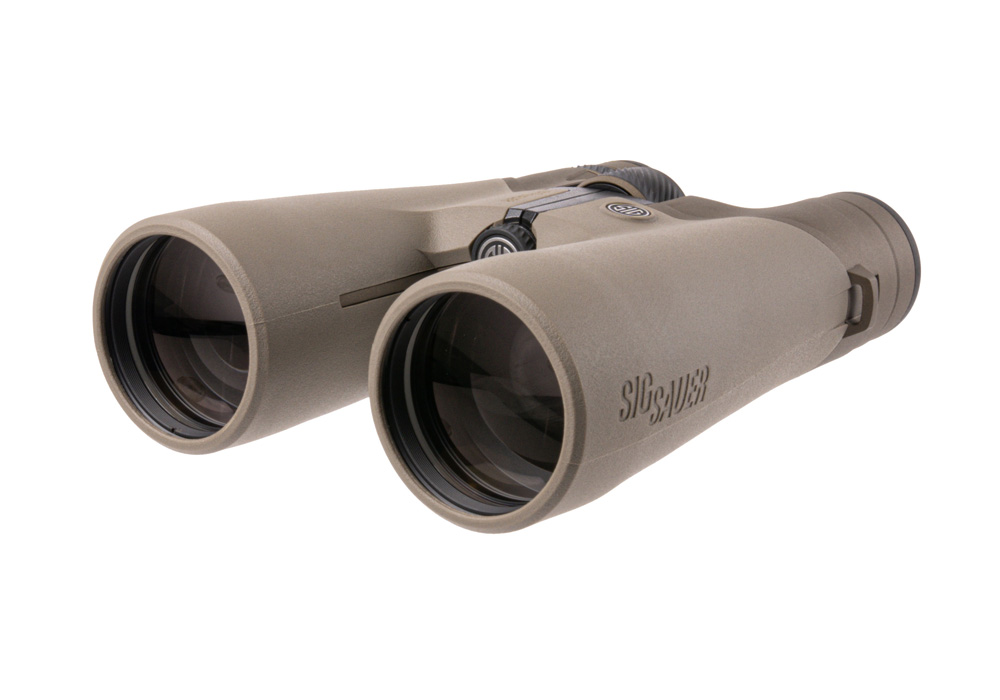
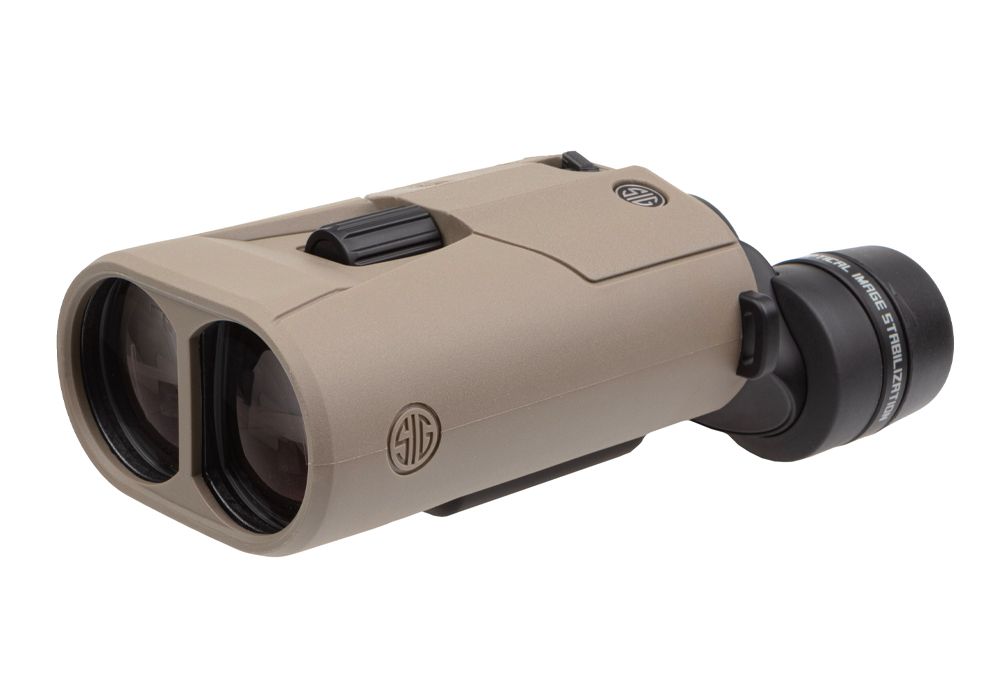
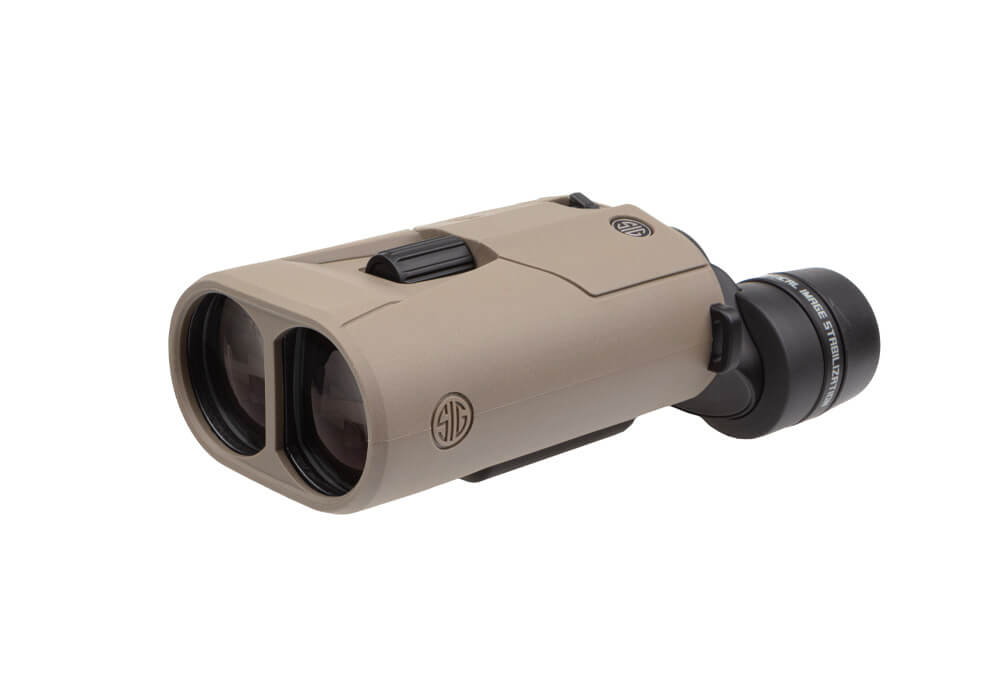
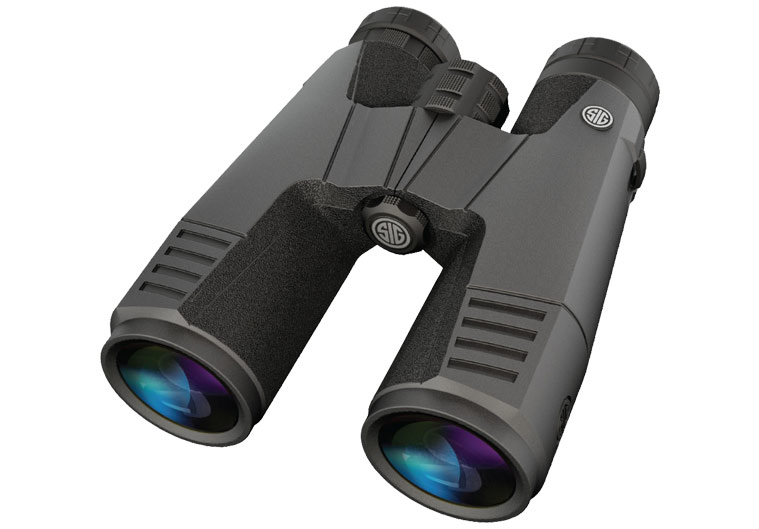
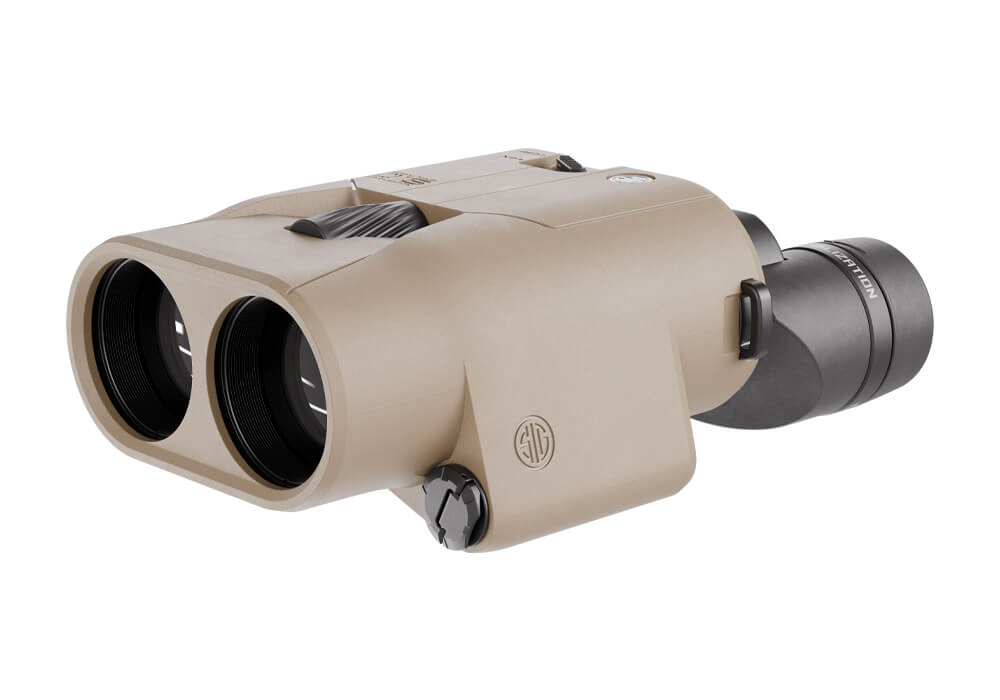
Binoculars for whitetail season help hunters separate a deer’s outline from tangled branches, study movement along field edges, and observe animals without relying on a firearm’s optic. The most useful magnification depends on the setting: 8x binoculars generally offer a wider view and steadier handheld observation in timber, while 10x binoculars provide more detail across food plots, agricultural fields, and open clearings. In a treestand overlooking a narrow creek crossing, finding a moving deer quickly can matter more than seeing it at greater apparent size. From a ground blind facing a broad field, extra magnification can help distinguish an antler tine from a stalk behind an animal’s head. Objective lens size also affects the balance between viewing comfort and carry weight. A common 8x42 configuration pairs moderate magnification with an objective size suited to many woodland and field-edge settings, while a smaller binocular can be easier to carry on long walks or fit into a crowded hunting pack. Larger objectives can support brighter viewing under suitable conditions, but lens diameter alone does not determine image quality. At the same magnification, larger objectives produce a larger exit pupil, which can be helpful in dim light when the viewer’s pupils are also enlarged. Optical coatings, glass quality, internal glare control, and careful alignment all influence how clearly fine details appear against a dark background. These differences become noticeable when a deer stands beneath hemlocks or pauses where a shaded trail meets an open pasture. Good contrast helps reveal an ear flick or the curve of a back without turning every shadow into a suspected animal. A broad field of view is equally practical when several deer move through cover together. Comfortable, clear observation supports better identification, but binoculars do not extend legal hunting hours or replace the need to positively identify an animal and understand what lies beyond it. For many whitetail hunters, the strongest choice is not the highest magnification; it is the binocular that remains steady, clear, and easy to use throughout a sit.
Fit and construction determine how well hunting binoculars work after the first few minutes of looking through them. The hinge should accommodate the distance between the viewer’s eyes so the two images merge into one comfortable circle without dark crescents at the edges. Adjustable eyecups and sufficient eye relief are especially important for hunters who wear prescription glasses, since a poor match can reduce the visible field even when the optics themselves are capable. A diopter adjustment helps account for differences between the eyes, while a smooth central focus wheel allows quick changes between nearby brush and a distant field boundary. Controls that feel manageable with bare fingers may be less convenient with insulated gloves, making wheel size, texture, and resistance worth considering for whitetail season. Extended observation also reveals differences in balance. A binocular that feels light in a hand can still pull noticeably on a narrow neck strap, while a supportive harness distributes weight across the shoulders and keeps the optic from swinging during a walk. Compact dimensions are useful in a small blind, where a bulky optic can compete with clothing, a seat, and other equipment. Housing materials such as magnesium, aluminum, and reinforced polymers offer different combinations of weight and rigidity; exterior armor adds grip and helps protect the housing from everyday bumps. Armor alone, however, does not establish water resistance. Stated sealing specifications matter for exposure to rain, wet leaves, or snow, and internal fog resistance is a separate consideration from moisture gathering on the outside of a cold lens. Lens coatings may also support easier cleaning or better resistance to surface wear, depending on their stated purpose. Practical durability includes the small details: eyecups that hold their position, tethered objective covers that stay out of the view, and strap connections that remain secure. Quiet handling matters around wary deer, too. A harness closure that operates without a sharp ripping sound and covers that do not tap against the housing can make observation less disruptive in still timber.
Whitetail binoculars earn their place well before an animal steps into an opening. They help hunters study travel corridors from a distance, check a field edge without walking through it, and watch how deer use cover around feeding and bedding areas. During a hunt, short periods of deliberate observation often reveal more than constant movement: a pale patch between trunks may resolve into a throat, while a horizontal line above the leaves becomes a deer’s back. Comfortable optics make it easier to pause and evaluate those details rather than continually changing position. For hunters who also need distance information, Rangefinders For Whitetail Season complement binoculars by adding a separate measurement to visual observation. Binoculars are primarily for finding and examining what is in view; a rangefinder serves a different purpose by measuring distance to a selected target. Neither substitutes for sound judgment, clear identification, or awareness of the surroundings. Care between outings helps preserve the performance that matters in the field. Loose grit should be removed with an appropriate blower or soft optical brush before a lens cloth touches the glass, since rubbing dirt across a lens can scratch its surface or coatings. Lens-safe cleaning solution and a clean microfiber cloth are better suited to optical surfaces than a shirt cuff or paper towel. After exposure to moisture, the exterior should be dried according to the manufacturer’s directions before the binocular goes into a closed case. Allowing equipment to dry in a ventilated space, away from direct heat, also helps protect straps and case linings. For a gift recipient, familiar details can be more useful than ambitious specifications: whether the hunter wears glasses, spends long hours in a stand, walks substantial distances, or shares optics with a younger family member. A comfortable binocular can serve experienced hunters, newcomers learning to recognize deer movement, and companions who enjoy observing wildlife. The lasting value lies in clear views, manageable weight, and reliable handling that suit the way each person spends time in whitetail country.