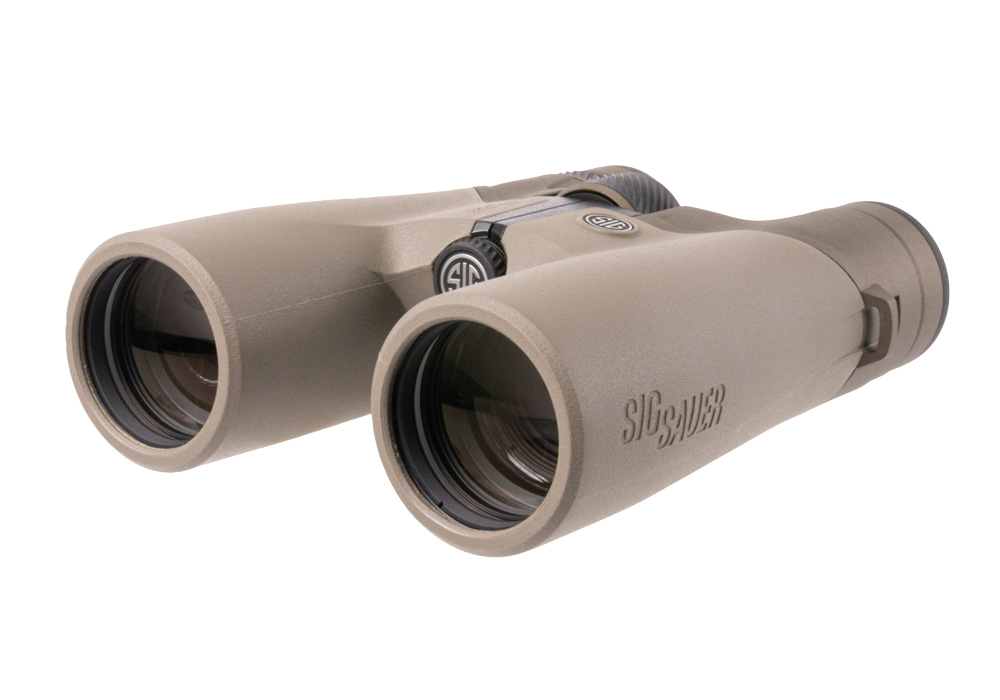
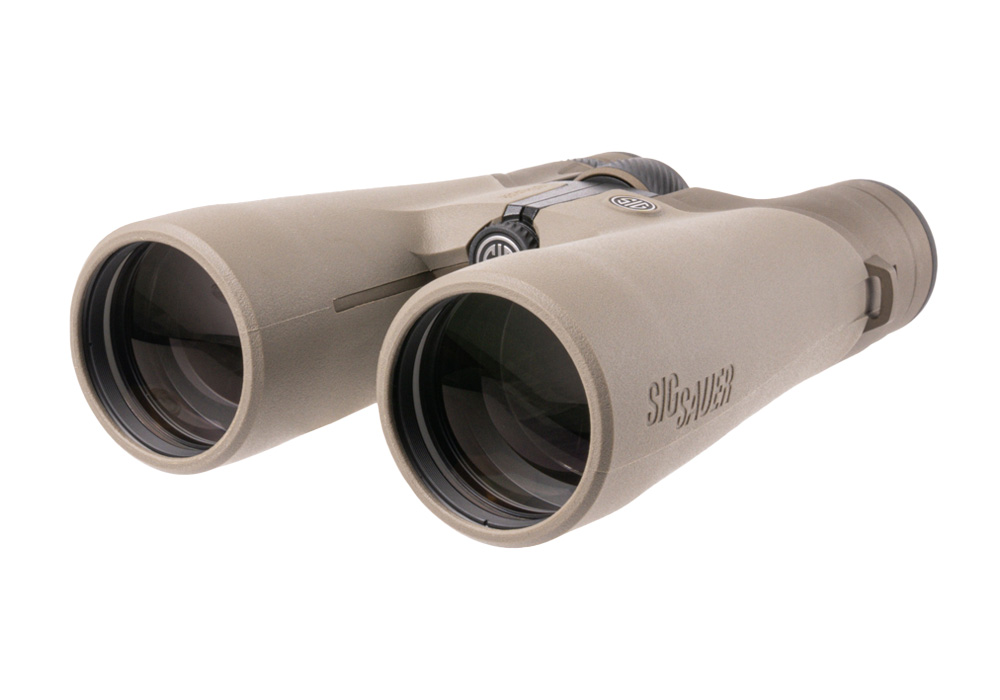
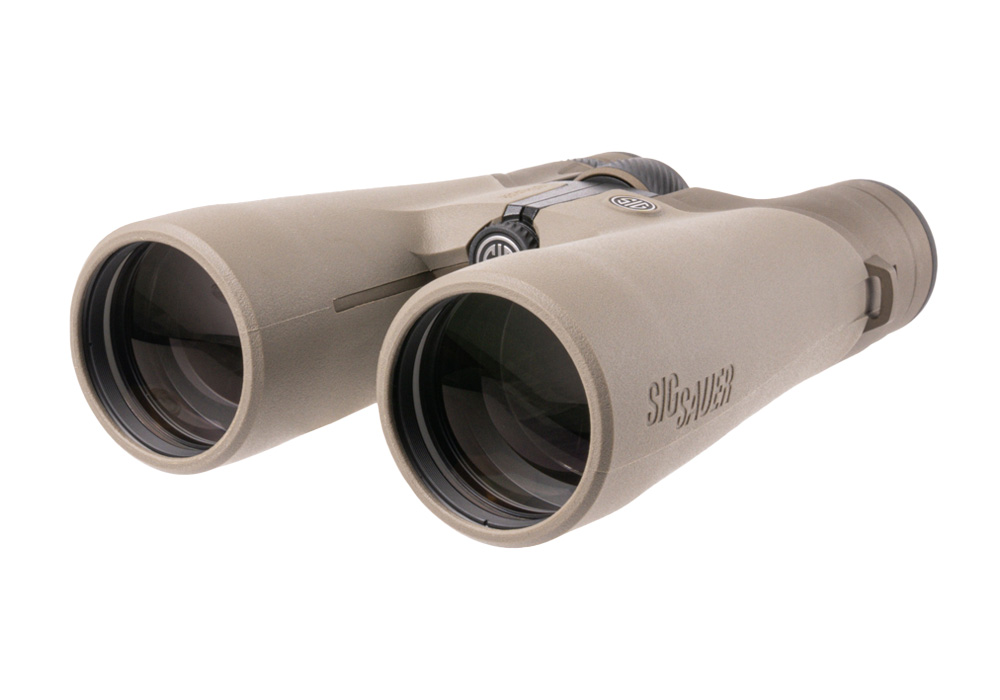
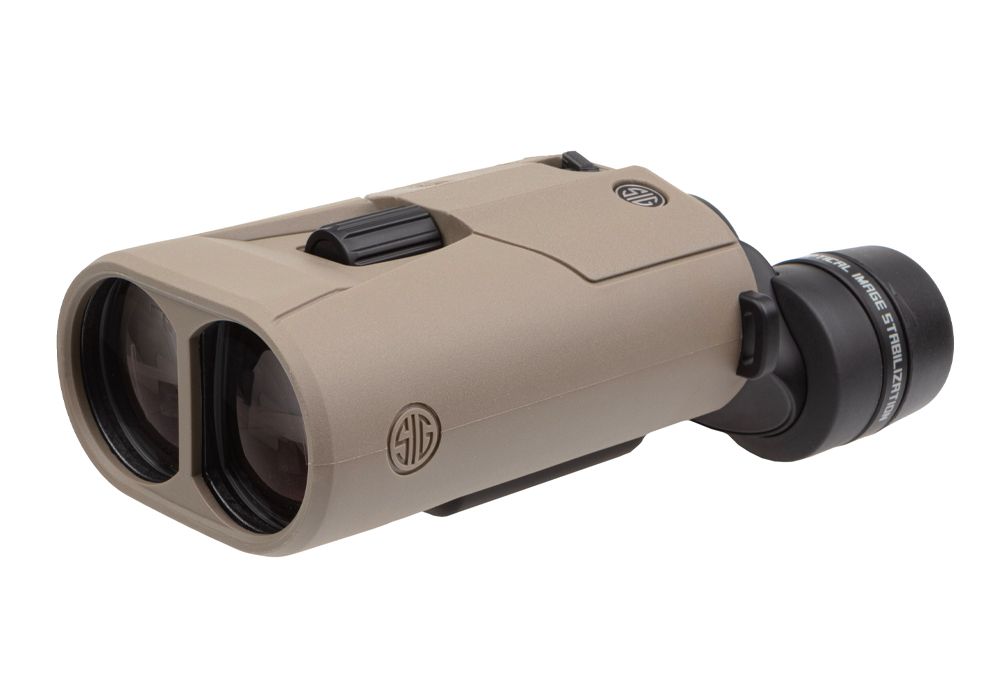
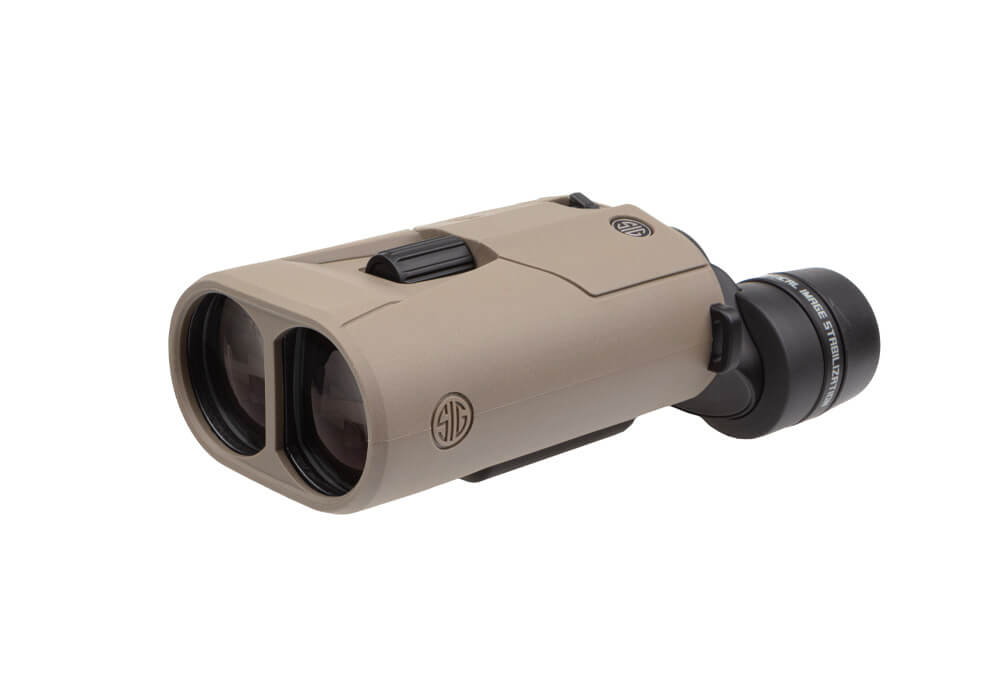
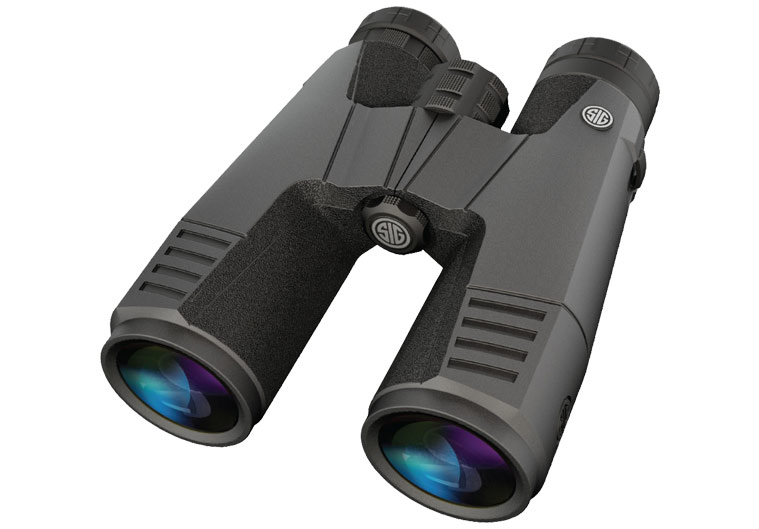
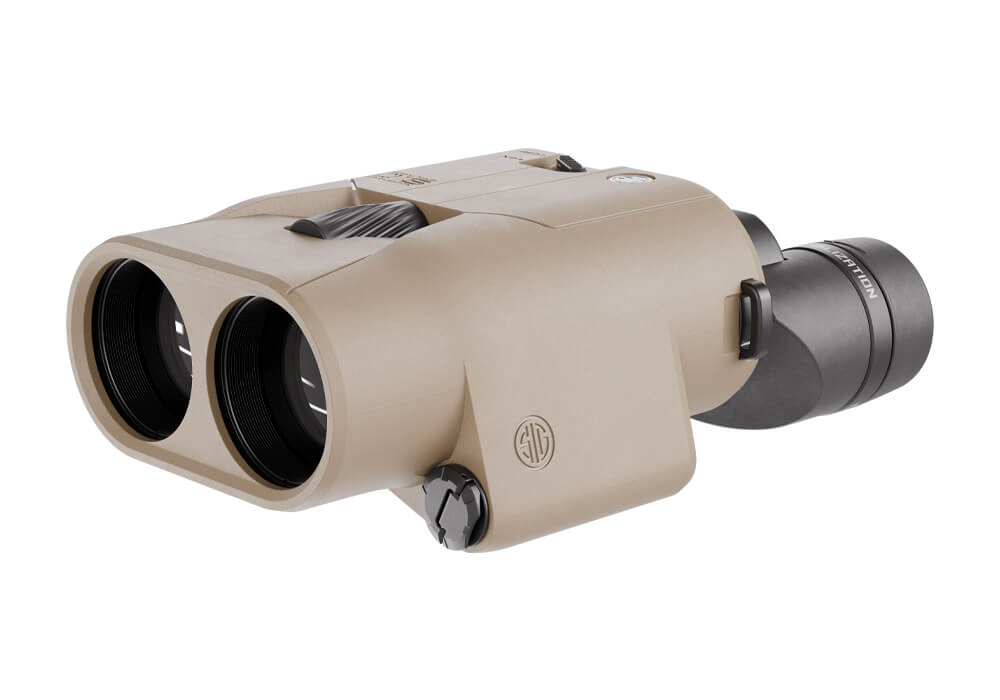
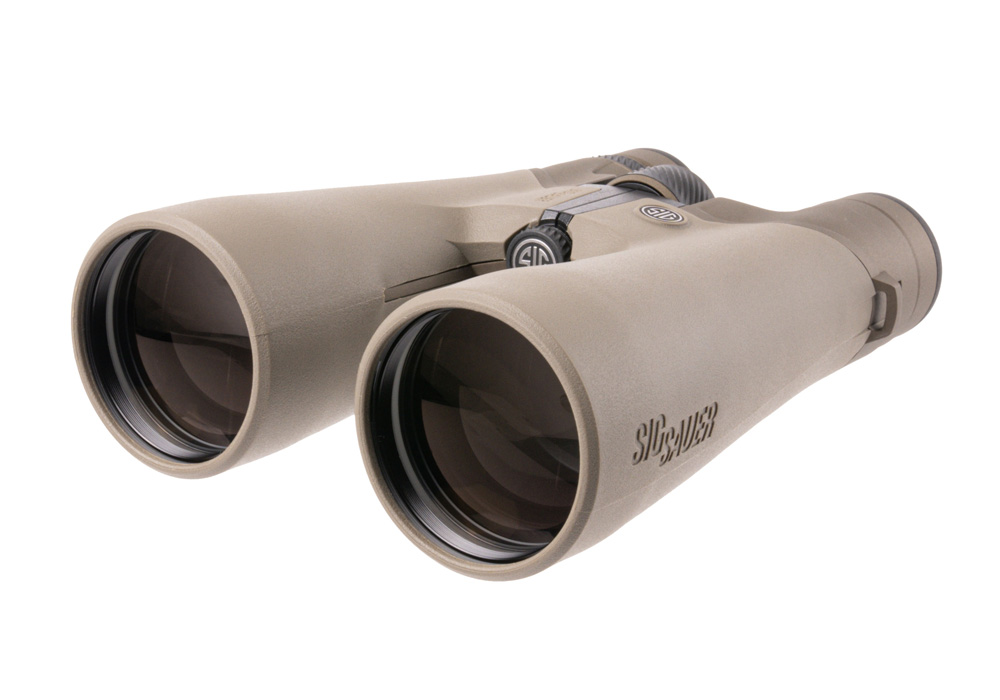
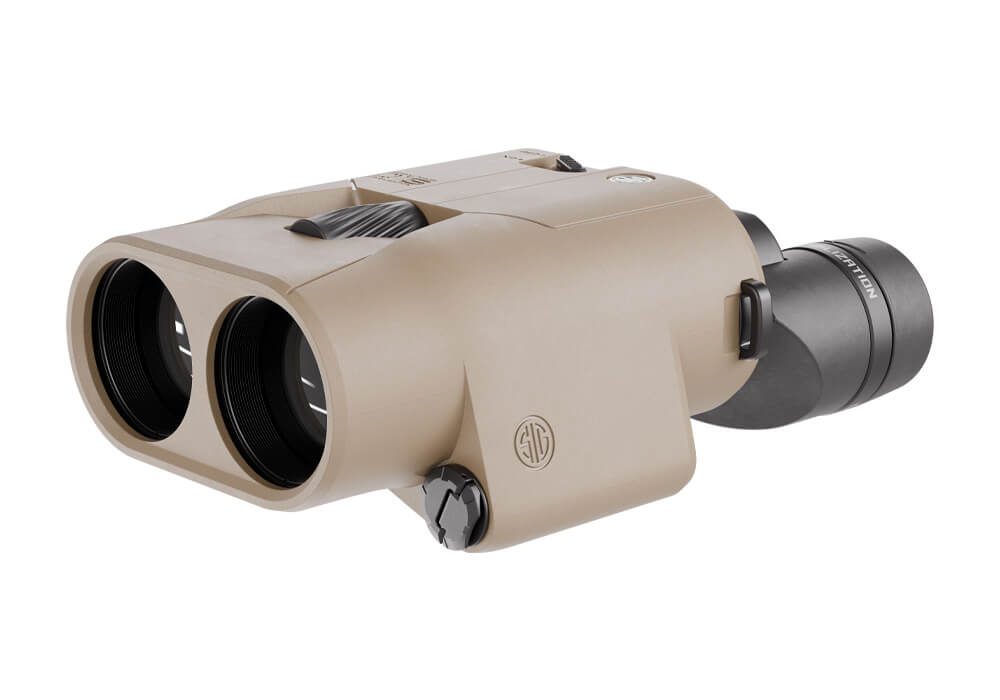
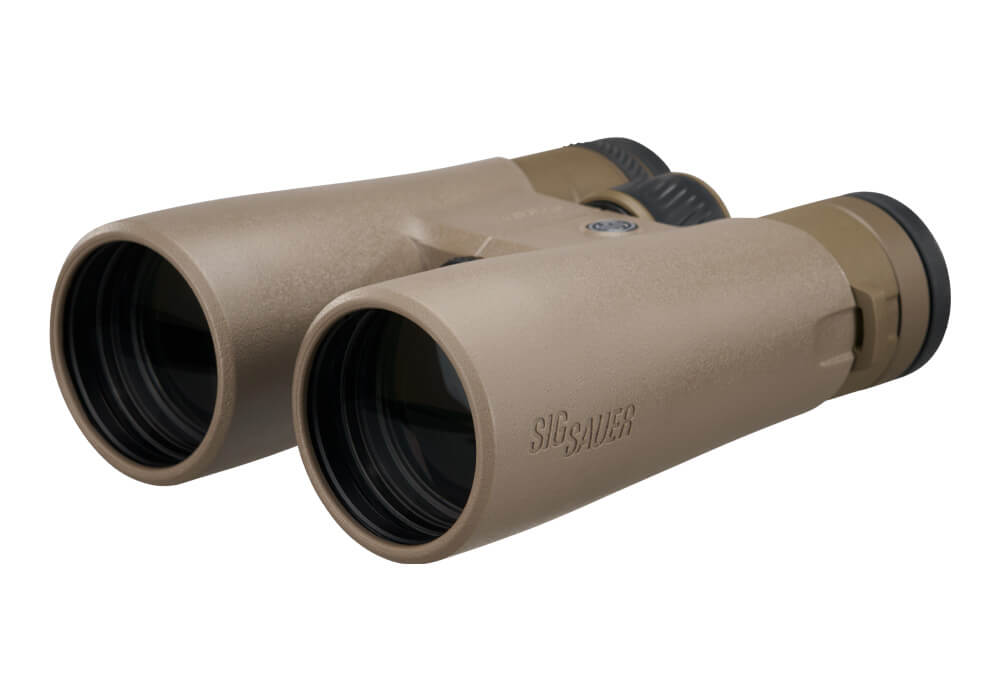
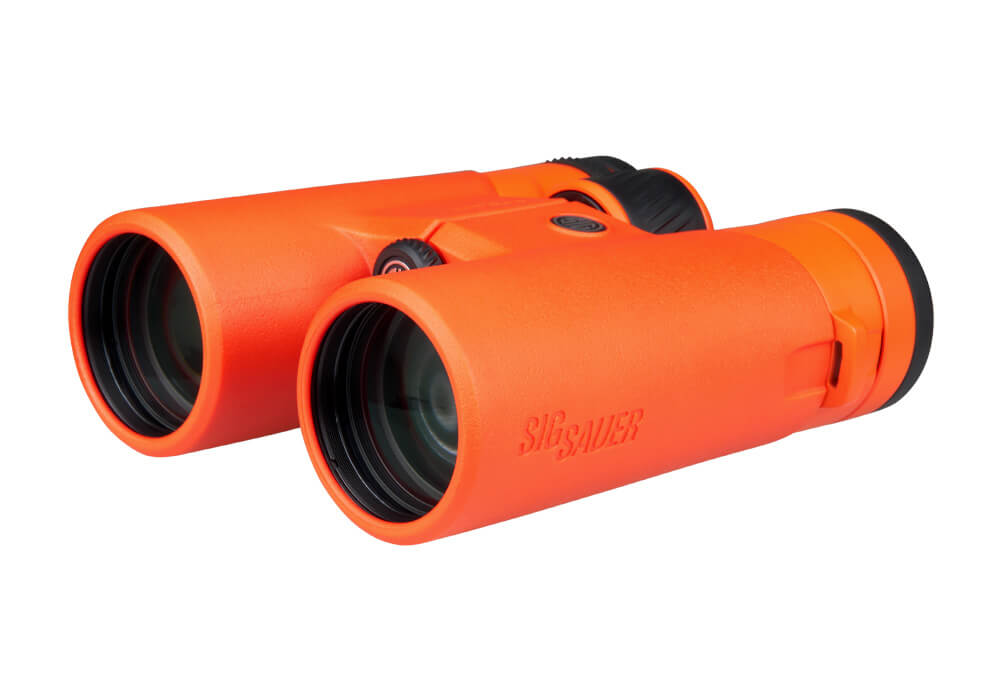
Binoculars for turkey season help hunters find birds along field edges, study movement beneath a wooded ridge, and distinguish a distant turkey from a dark stump without closing the distance. Compact 8x32 and versatile 10x42 configurations are useful starting points because they balance detail, portability, and a manageable handheld view. The first number describes magnification; the second is the diameter of the objective lenses in millimeters. An 8x binocular brings distant subjects closer while generally offering a steadier image and a wider field of view than a comparable 10x design. That broader view can be especially helpful when a bird slips between trees or several turkeys spread out across an opening. A 10x binocular provides more apparent detail at distance, which suits pastures, harvested fields, and other open ground, although hand movement becomes more noticeable. Neither configuration is automatically better for every hunt. A hunter moving through tight timber may value the easy handling of an 8x32, while someone spending long stretches watching a far fence line may prefer a 10x42. Objective lenses around 32mm keep the overall package compact, while 42mm lenses can support a brighter view in dim conditions when magnification and optical quality are otherwise comparable. Lens coatings, glass quality, and the viewer’s own eyes also influence how much detail remains visible in shaded cover. At first light, useful contrast can matter more than extra magnification: the curve of a turkey’s back against tangled branches should look distinct rather than washed out. A comfortable binocular also earns its place after the initial sighting, helping separate individual birds, follow a flock’s direction of travel, or watch a field without repeatedly moving closer. For turkey hunting optics, the practical goal is a clear, comfortable view in a package that fits the way the hunter travels and observes. Binoculars are also useful for preseason scouting and for anyone who enjoys watching turkey behavior without interrupting it.
Fit deserves as much attention as magnification because binoculars often spend more time riding against a chest or inside a vest than raised to the eyes. Weight on a specification sheet tells only part of the story. Barrel shape, balance, hinge resistance, and the position of the focus wheel affect how naturally an optic handles when seated against a tree or wearing light gloves. The barrels should adjust to the distance between the viewer’s eyes so the image resolves into one clean circle, without dark crescents at the edges. Adjustable eyecups and sufficient eye relief help eyeglass wearers see more of the full image without pressing their lenses against the binocular. A diopter adjustment compensates for differences between the eyes, while a smooth central focus wheel helps bring birds at changing distances into sharp view. In brush, precise focus can make an animal behind foreground branches easier to distinguish, though no optic can reveal what solid cover conceals. Carry options matter just as much during a long walk. A padded neck strap can work well for brief outings, while a fitted chest harness distributes weight and limits swinging when bending, kneeling, or stepping over a log. A low-profile pouch keeps lenses covered between looks and should open quietly without requiring a lengthy search through a vest. Compact roof-prism designs are often convenient where space is limited, but dimensions still deserve a close look; two binoculars with the same magnification can feel quite different in the hand. Rubber armor provides grip and helps cushion ordinary bumps, while chassis materials such as aluminum, magnesium, or engineered polymers contribute different combinations of weight and rigidity. An understated, low-glare exterior is useful around watchful birds, but surface color should not overshadow comfort or optical performance. For hunters who also observe deer, Binoculars For Whitetail Season offers a related browsing destination for another hunting application where carrying comfort, clear contrast, and easy handling remain important.
Turkey season can involve wet grass, light rain, airborne dust, and damp woodland mornings, so durability should extend beyond a protective outer covering. Waterproof construction helps protect internal components from moisture, but water-resistance claims vary; the stated rating and care directions provide a better basis for comparison than appearance alone. Nitrogen- or argon-purged interiors help resist internal fogging when temperatures change. External lens surfaces can still fog or collect moisture, especially when an optic moves between a warm vehicle and chilly air. Keeping lenses covered during transport and allowing the binocular to adjust to outdoor conditions can reduce interruptions. Fully multicoated optics help limit reflections at treated glass surfaces and support light transmission, while suitable prism coatings can further improve image quality in roof-prism designs. These features are most meaningful when they produce a view that stays comfortable through repeated observation, with useful detail across the portion of the image the viewer relies on. Routine care is straightforward but worth doing carefully. Loose grit should be removed with a clean lens brush or air blower before glass is wiped; rubbing dusty lenses with a shirt sleeve can scratch coatings. An optical cleaning cloth and lens-safe solution are better suited to fingerprints or stubborn smudges. After a damp outing, the exterior and carrying pouch should dry thoroughly before storage, following the manufacturer’s care directions. Lens covers, secure strap attachments, and a protective case help keep binoculars ready between scouting trips and hunts. These practical details also matter when choosing binoculars as a gift for a turkey hunter, a beginning wildlife observer, or someone who regularly joins family outings in the woods. Manageable weight, forgiving eye placement, and controls that work comfortably with the recipient’s hands usually contribute more to everyday enjoyment than magnification alone. A thoughtfully chosen binocular can serve on spring or fall turkey outings, during scouting walks, and through quiet hours watching wildlife from a field boundary, offering a closer look without adding unnecessary bulk to the day’s gear.