Magnifiers for turkey hunting can appeal to hunters who want more detail when scanning open fields, wooded edges, and distant ridgelines during scouting. Turkey hunting often takes place in a mix of changing distances and broken cover: a gobbler may be visible across a pasture at first light, then disappear behind a rise before appearing again much closer along a logging road or timbered trail. For that reason, choosing an optical accessory requires more thought than simply selecting the greatest magnification available. A compact handheld magnifier, binocular, or spotting scope can help identify strutting birds, watch field edges, and study movement from a concealed position without adding weight or bulk to the shotgun. Standard binocular magnification, such as 8x or 10x, is often a practical choice for hunters who spend long periods glassing while staying mobile. A compact angled spotting scope may be useful when scouting broad fields from a stationary location, especially when a hunter wants to examine distant terrain before deciding where to set up. Look for clear glass, a comfortable focus system, a durable exterior, and a size that fits naturally into a pack or chest harness. In the cooler months, gloves and chilled fingers can make small controls difficult to operate, so generous focus rings and simple adjustments are worthwhile details. Weather resistance is also important for early mornings when dew settles on vegetation, light rain moves through the timber, or a sudden change in conditions leaves gear damp.
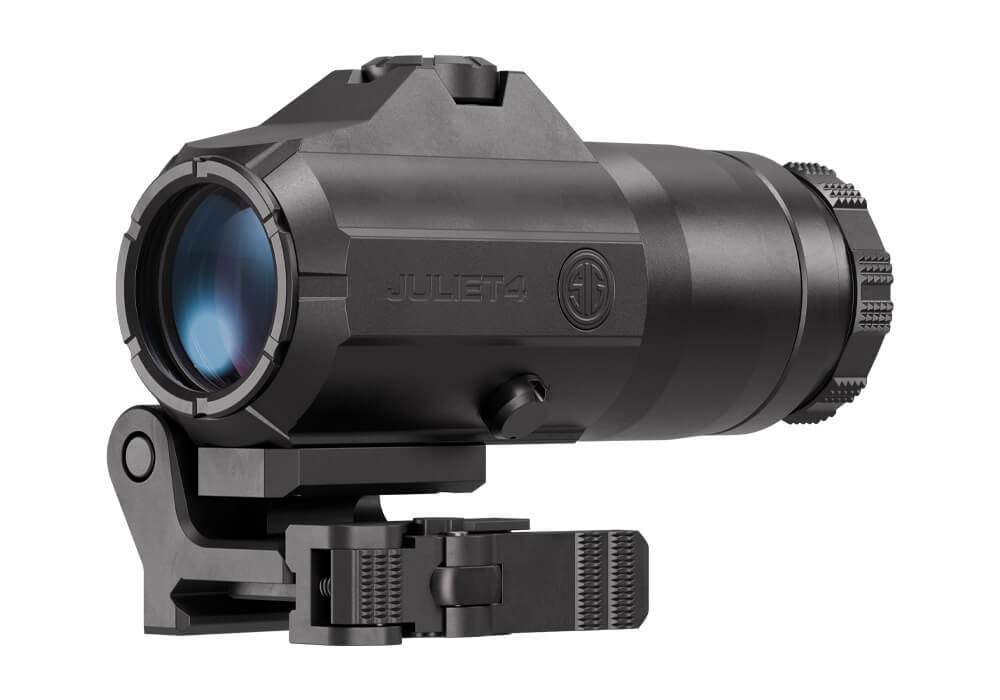
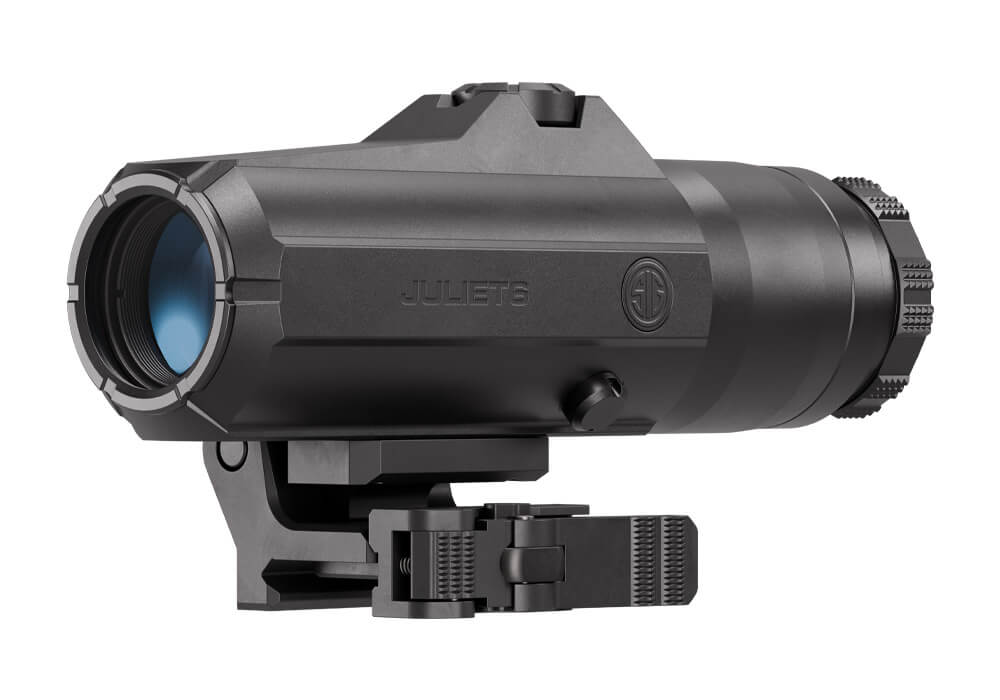
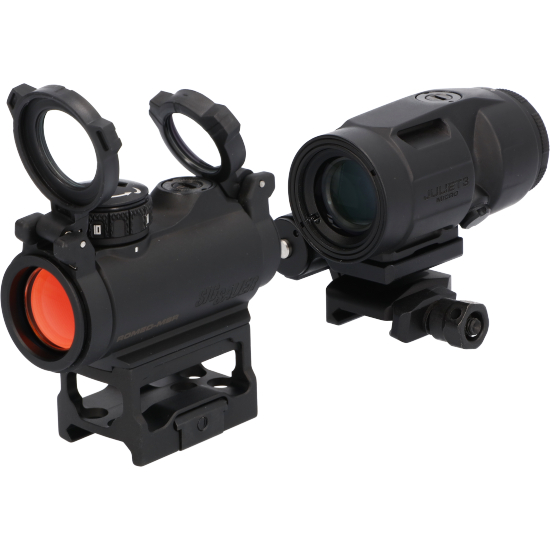
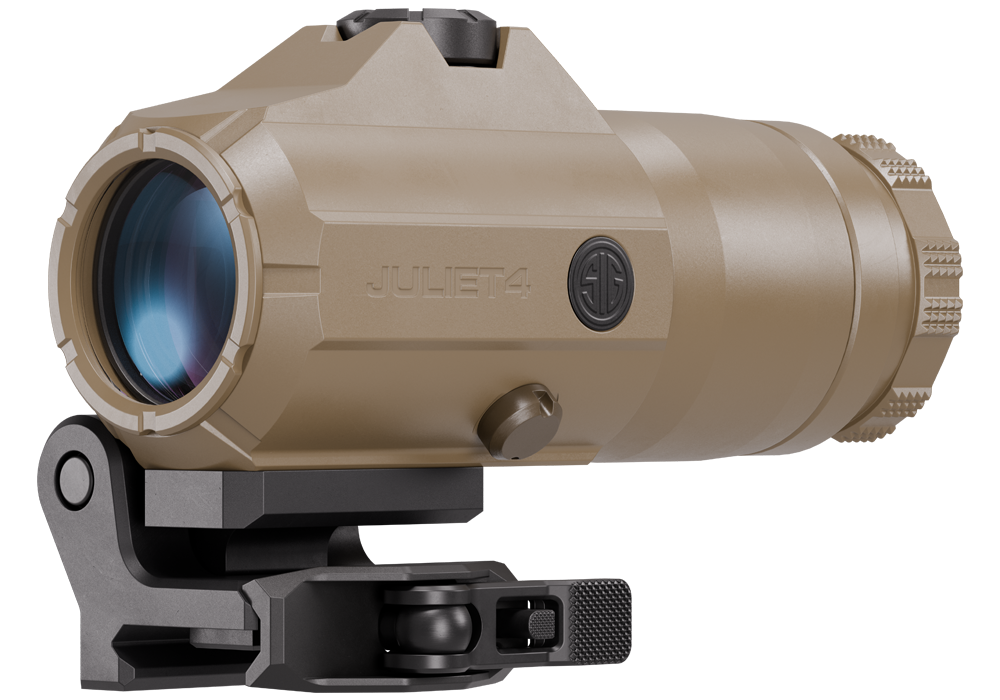
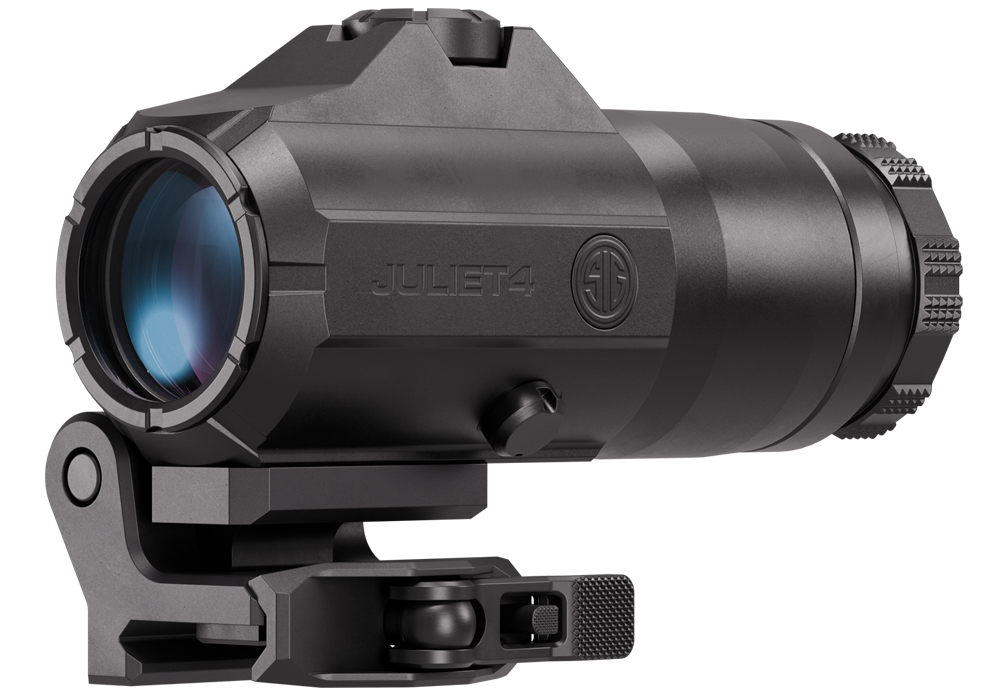
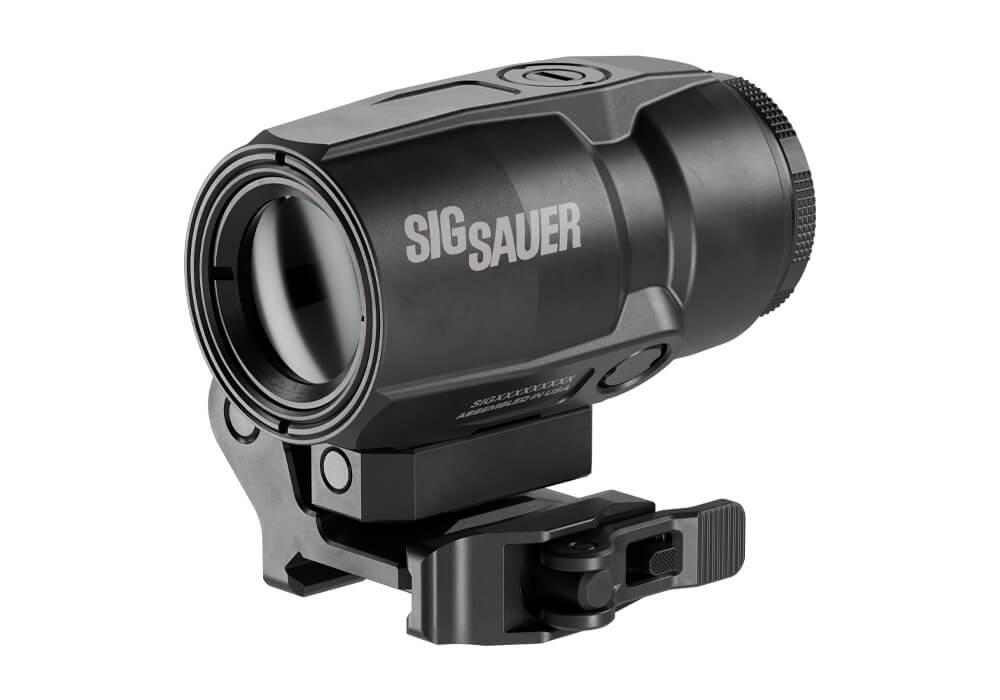
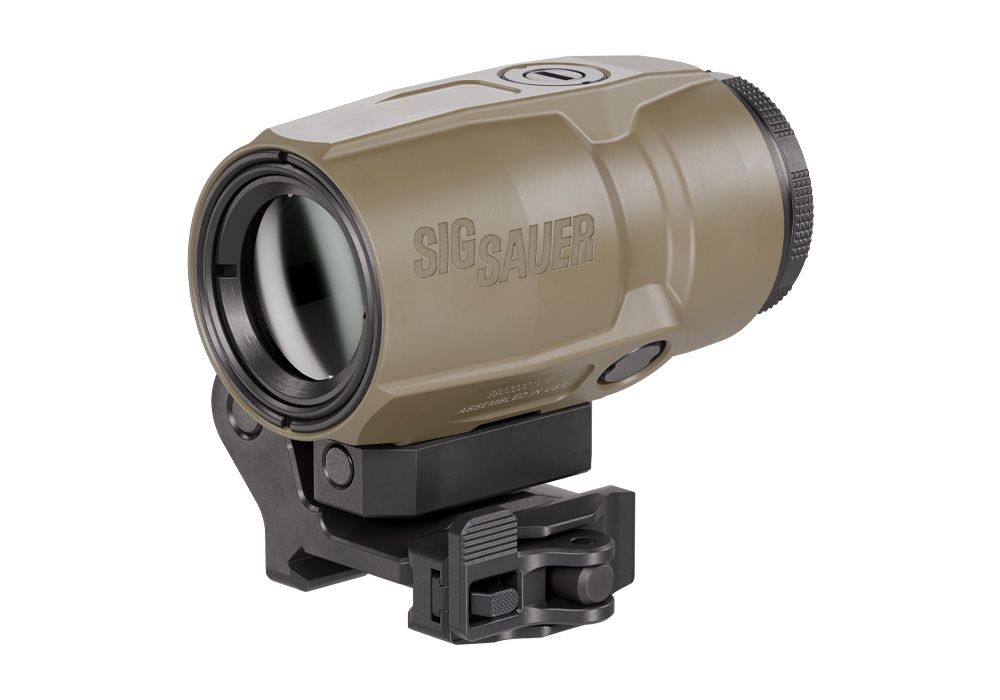
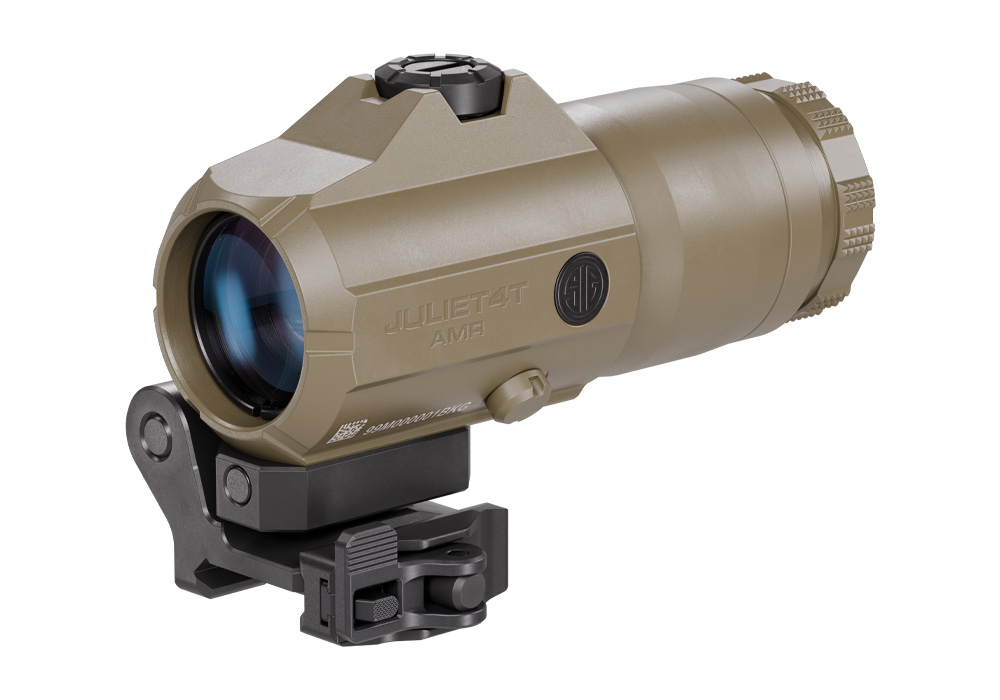
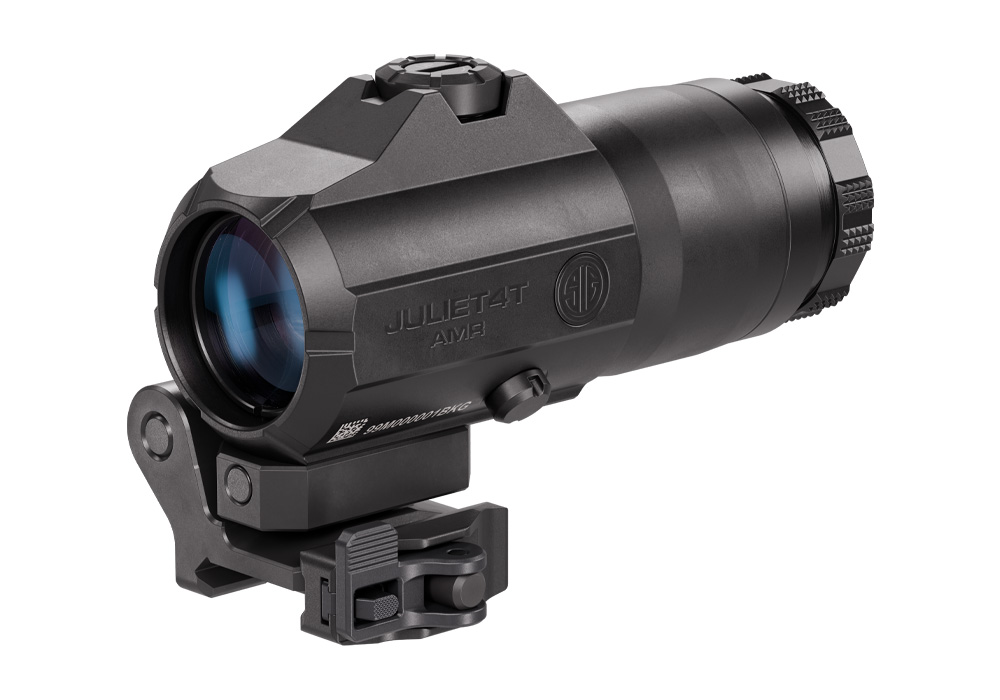
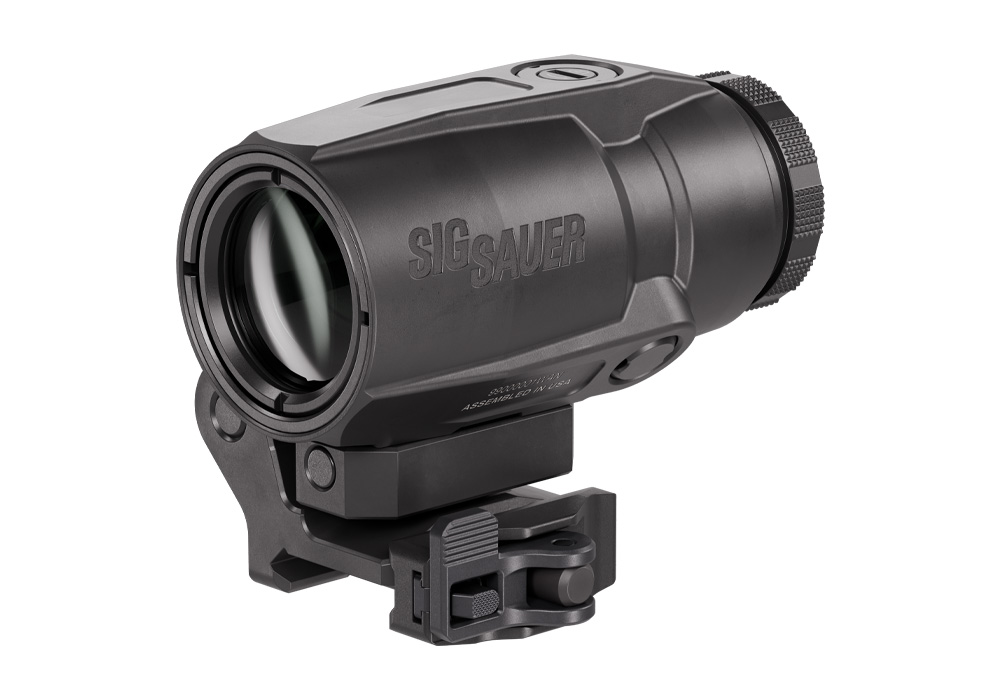
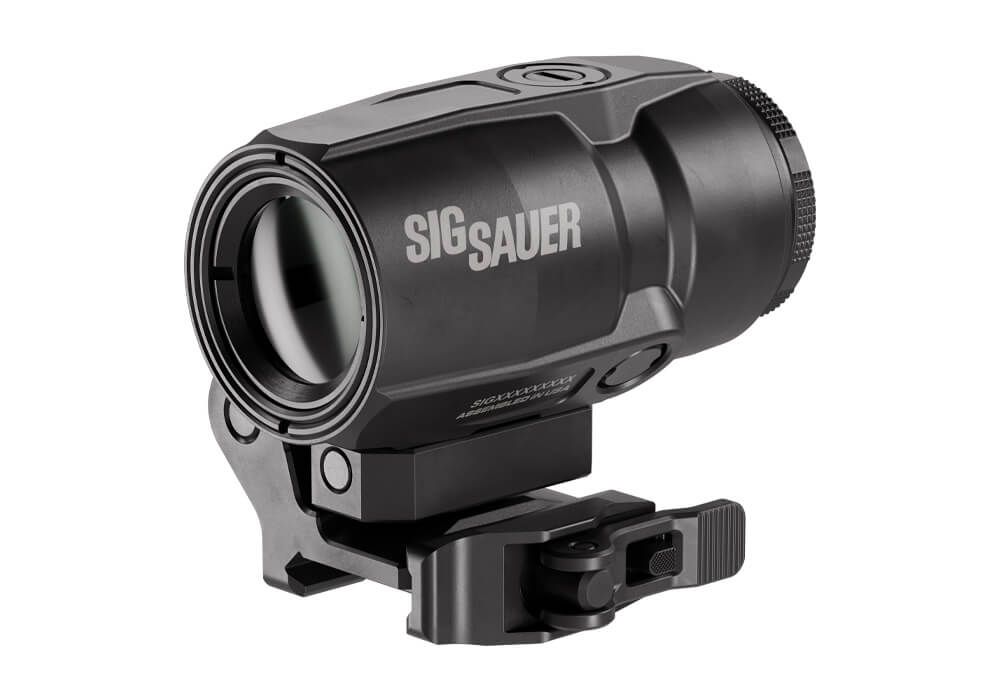
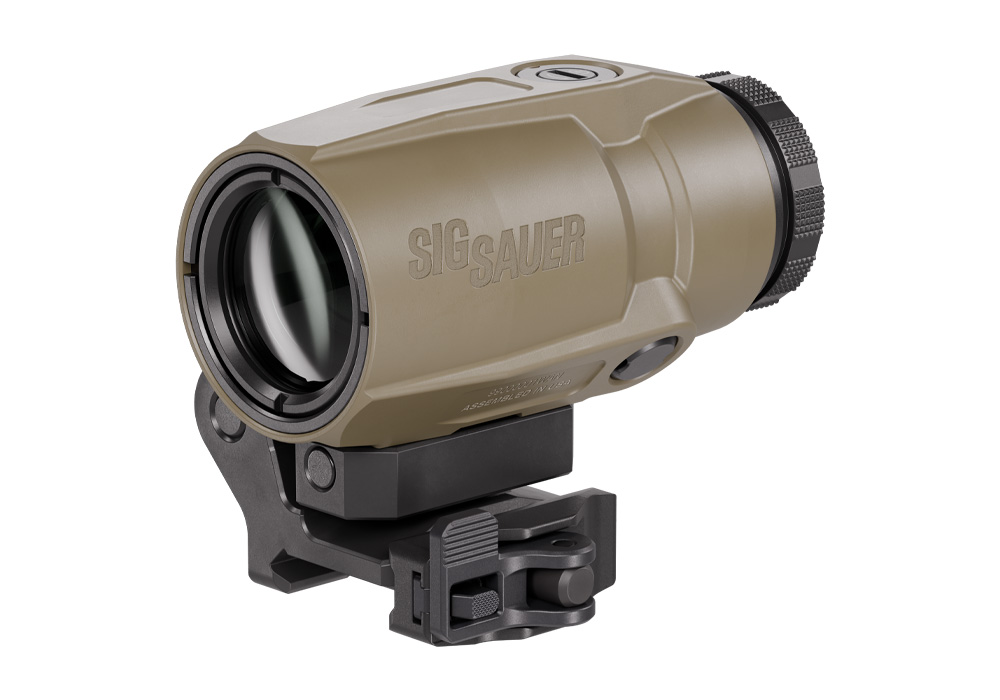
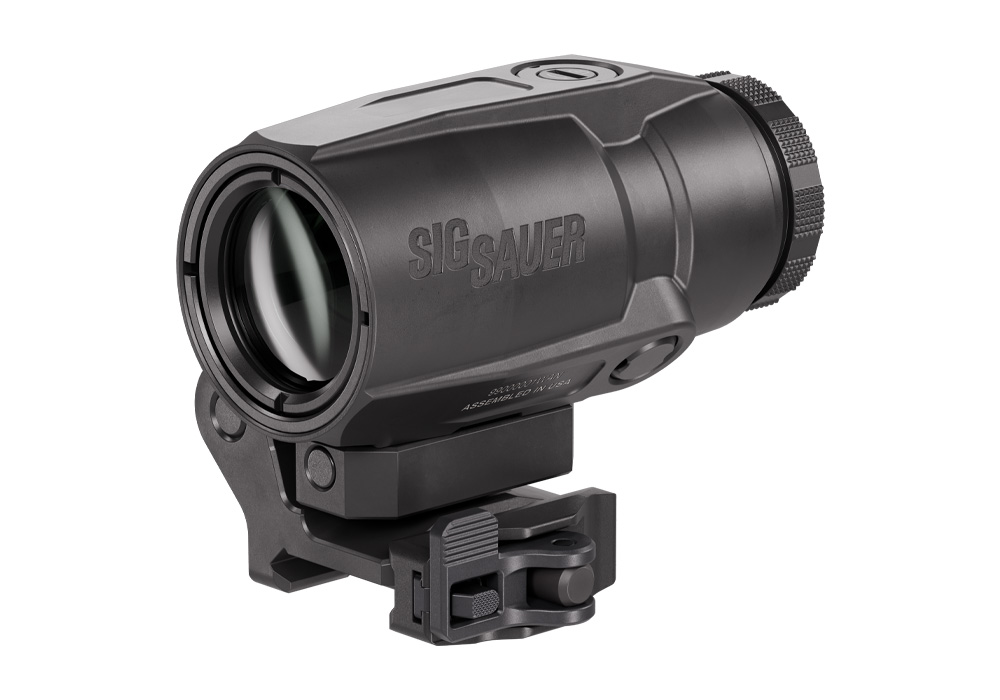
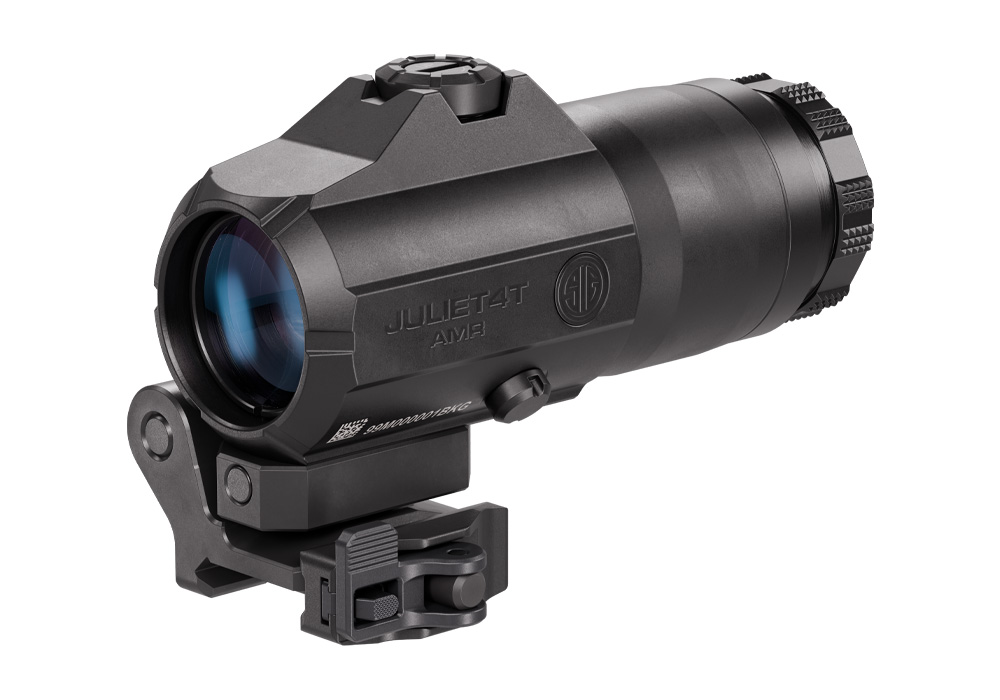
Weapon-mounted magnifiers require a different set of considerations. Turkey encounters are commonly close, fast-changing, and dynamic, with birds moving through brush, timber openings, and uneven terrain at distances that can shift in only a few seconds. A magnifier placed behind an unmagnified sight can narrow the field of view, slow target acquisition, and make it harder to track a bird that enters from the side or steps closer than expected. At typical turkey-hunting distances, a broad sight picture is generally more valuable than additional optical power. An unmagnified red dot allows both eyes to remain open and provides a wide field of view for locating the aiming point quickly, while a low-power variable optic can offer a useful balance for hunters who want a modest amount of magnification without giving up the lower-power setting. If a magnifier is part of an existing setup, a flip-to-side mount can make it possible to move the optic out of the sight line when a broader view is needed, but the added weight, height, and movement should be considered carefully. Before purchasing, confirm that the mounting system is compatible with the firearm and sight, that the optic maintains a consistent zero when repositioned, and that the complete setup remains comfortable to carry. A turkey shotgun should still feel quick and natural in the hands. Spend time practicing safe mounting, sight alignment, and movement with the unloaded firearm so the optic does not interfere with a smooth presentation. As with all hunting equipment, follow applicable regulations, use an appropriate shotgun and load, positively identify the target and what lies beyond it, and avoid taking a shot beyond a clearly understood ethical range.
The best choice among magnifiers for turkey hunting depends on how and where the equipment will be used. A hunter who scouts large agricultural fields may appreciate a compact spotting scope that reveals birds well before a setup begins, while someone who moves through dense timber may prefer lightweight binoculars that can be raised quickly and carried all morning. Hunters who already use a compatible red dot may consider a removable magnifier for occasional use in open country, provided they understand that increased magnification is not always an advantage once a bird closes the distance. Optical clarity, low-light performance, eye relief, field of view, mounting stability, and overall balance all deserve attention. A magnifier can also make a thoughtful gift for a turkey hunter who spends the season scouting public land, maintaining blinds, or studying field patterns, particularly when paired with a secure case, lens cloth, or comfortable carrying system. The most useful gift is usually the one that matches the recipient’s routine rather than the most powerful option on a specification sheet. Someone who hikes between several calling locations may value compact dimensions and low weight; a hunter who watches a familiar field from a fixed position may prioritize image detail and tripod compatibility. For hunters comparing related optics for other fast-moving, close-range pursuits, the considerations found in Magnifiers for Brush Hunting Rifles can provide additional context on field of view, mounting, and practical magnification. With the right form factor and a realistic understanding of turkey behavior, an optical accessory can support careful scouting, confident observation, and a more organized hunting setup from the first quiet walk through the woods to the final call of the season.