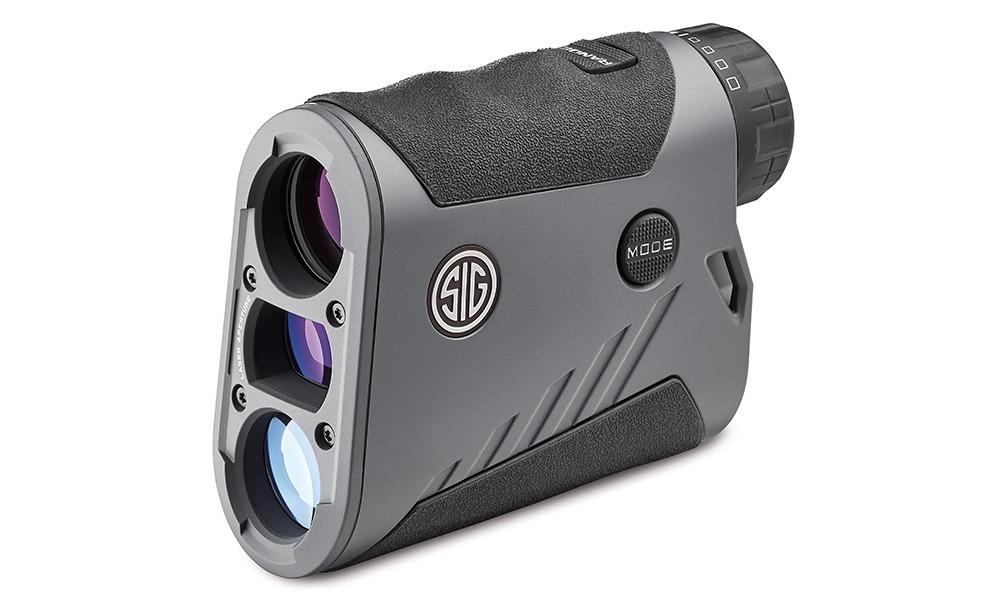
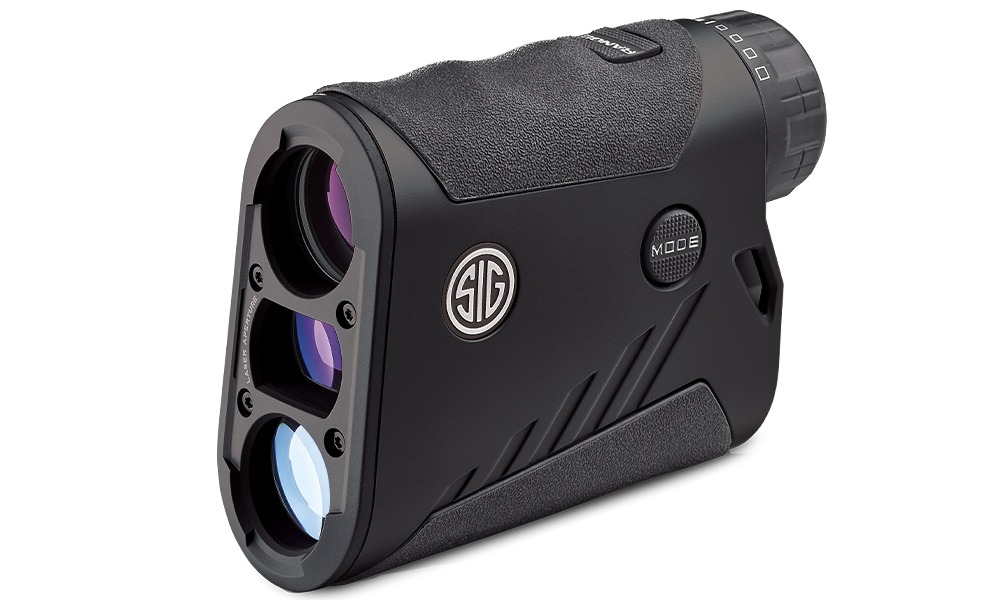
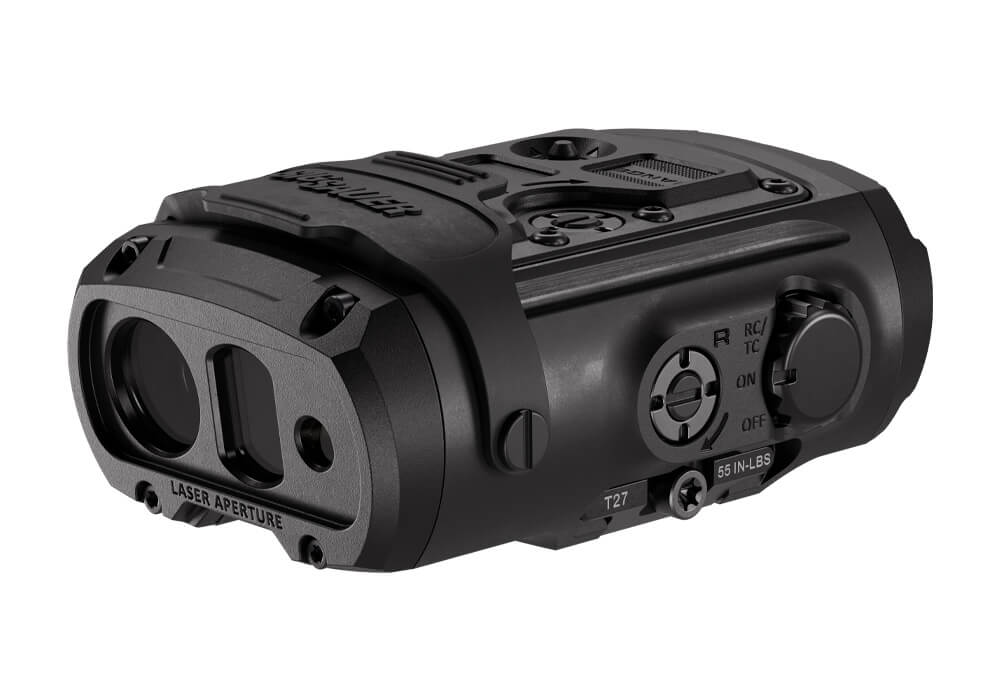
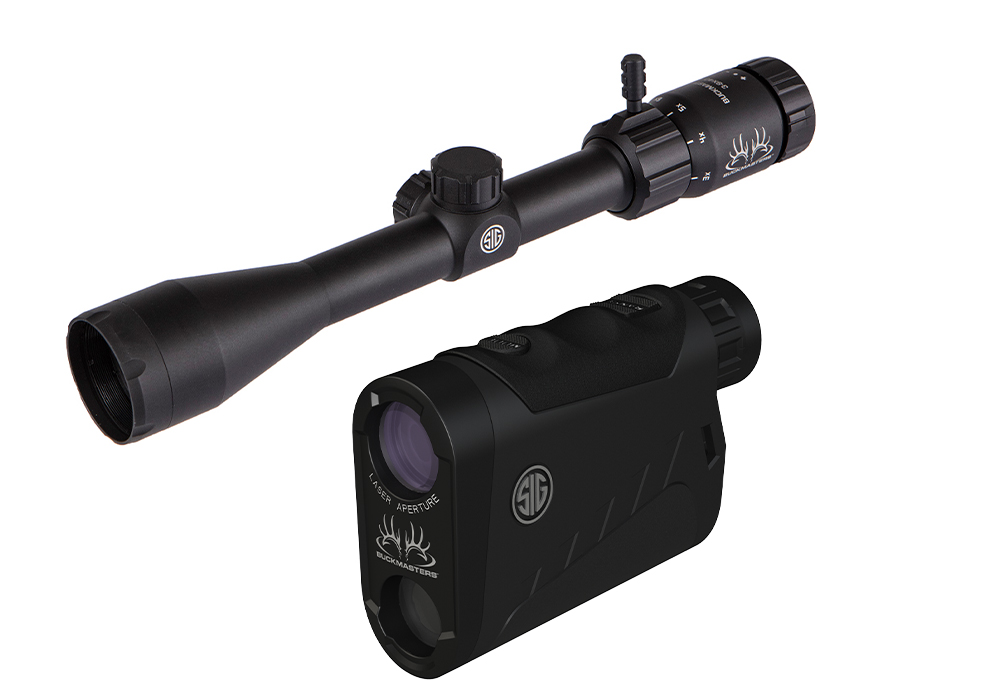
Rangefinders for whitetail season help hunters measure distance with less guesswork, whether the view is a narrow opening between hardwoods or a field edge beyond a ground blind. Useful features include dependable readings at typical hunting distances, angle compensation for elevated positions, a readable display, and controls that remain manageable with gloves. Those details often matter more than an impressive maximum ranging distance measured against a large, highly reflective object. A deer’s hide, the available light, and the amount of open space around the target can all affect how easily a reading is obtained. In thick timber, the challenge may be distinguishing the intended target from a branch several yards closer; across an agricultural field, it may be holding the aiming point steady against a small subject in a broad landscape. Clear optics and a well-defined aiming point help in both settings. Moderate magnification can provide useful detail without making the view unnecessarily tight, while a comfortable eyecup and suitable eye relief matter for hunters wearing glasses. An illuminated display with adjustable brightness can be easier to see against shadowed woods at dawn or dusk, although an overly bright setting may obscure detail. Display color alone does not determine performance; contrast, optical clarity, and brightness control deserve attention together. A rangefinder also complements binoculars rather than replacing their wider, more comfortable view for extended observation. Binoculars help locate and identify wildlife, while a compact ranging optic provides a distance reading once the subject is clearly visible. For bowhunters watching a short woodland lane and rifle hunters overlooking a longer opening, the purpose is the same: add reliable distance information to an already careful assessment of the situation. A reading does not establish that a shot is appropriate. Clear identification, an unobstructed path, a safe background, and the hunter’s practiced limits remain essential, regardless of the number shown on the screen.
The terrain of a whitetail hunt gives rangefinder features their practical meaning. An elevated stand can create a noticeable difference between straight-line distance and the horizontal component of that distance, which is why angle-compensated readings are especially relevant to archery hunting. Depending on the device and selected mode, a display may present line-of-sight distance, an angle-adjusted value, or information based on a compatible ballistic profile. Those outputs are not interchangeable, and their usefulness depends on understanding what the selected mode represents. Dedicated archery functions may emphasize shorter distances and steep viewing angles, while rifle-oriented functions may support additional trajectory information. Any calculated output depends on the accuracy of its settings and does not substitute for practice with the hunter’s own equipment. Target-selection modes are another consideration in whitetail cover. A last-target or similar setting can favor a farther return when the device receives signals from more than one object, helping reduce confusion from nearby vegetation. It cannot reliably measure through solid cover, establish that a deer is unobstructed, or turn a brush-filled lane into a clear one. Scan functionality can be useful when comparing visible landmarks around a stand, such as the base of a mature oak, an open trail crossing, or the far edge of a food plot. Consistent readings on those landmarks help establish the layout without depending on a single hurried measurement. Speed is valuable, but repeatability and an easy-to-read result are equally important. A simple button layout, a responsive ranging control, and a menu that keeps common functions accessible can reduce fumbling when a buck appears briefly between trunks. Hunters who divide their season between a bow and a rifle may appreciate selectable modes, while someone devoted to one style of hunting may prefer fewer controls and a straightforward display. The best fit comes from matching the device’s functions to the actual terrain, typical distances, and equipment rather than choosing solely by the longest advertised range.
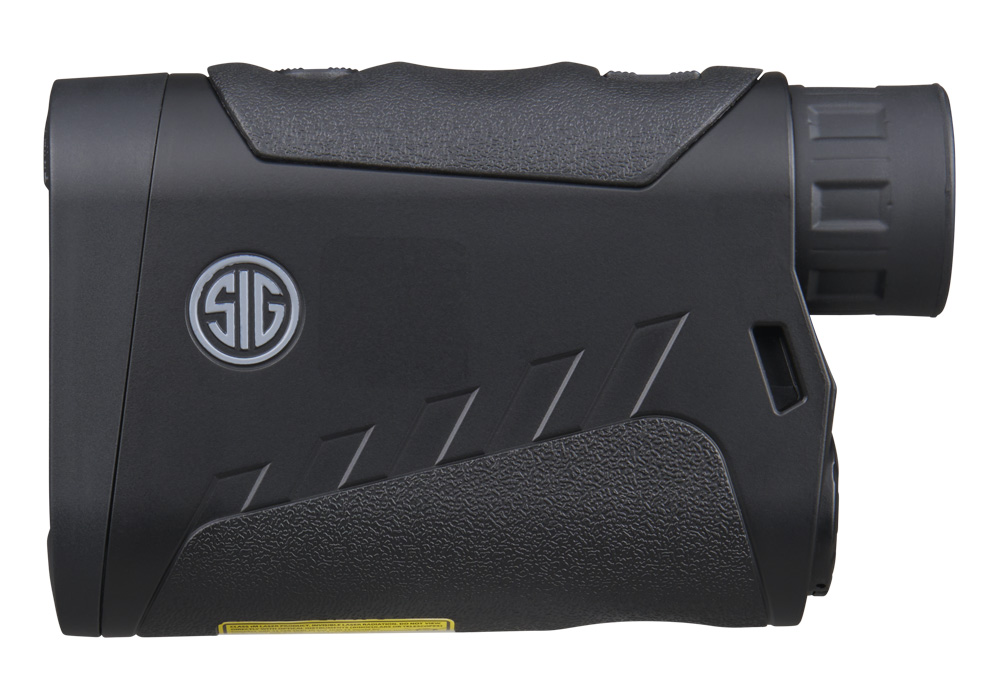
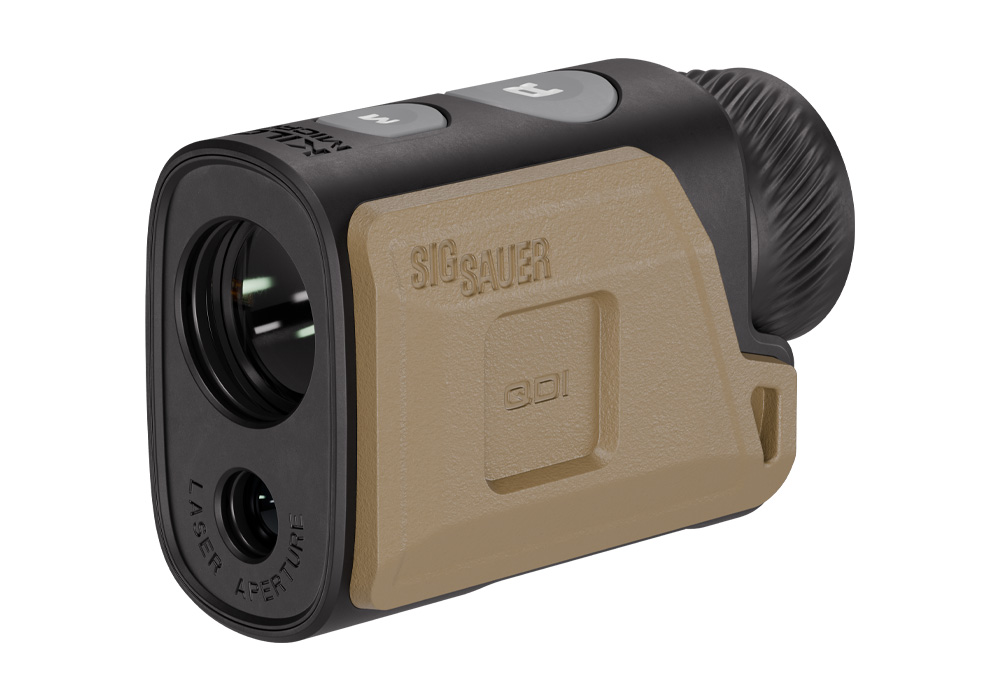
A rangefinder’s physical design deserves the same attention as its optical and electronic features. A compact housing should sit securely in the hand without forcing a strained grip, and textured rubber armor can improve handling when gloves, damp leaves, or light rain are part of the hunt. Housing materials, sealed construction, and the stated water-resistance rating help indicate suitability for outdoor use, but weather resistance should not be assumed to mean protection against immersion. Size and weight also influence where the optic rides: a chest harness, a jacket pocket, or a belt pouch each creates a different balance of access and protection. A quiet closure and a secure tether can be useful in a stand, especially when keeping movement small matters. The pouch should protect the lenses without making the device difficult to retrieve with one hand. Cold conditions can affect battery performance, so battery type, replacement access, and the manufacturer’s storage recommendations are worthwhile considerations for fall and winter hunts. Lens care is equally practical. Dust and grit should be removed before wiping, and optical surfaces benefit from appropriate cleaning materials rather than a rough sleeve or a paper towel. After exposure to moisture, drying the exterior and allowing the pouch to air out helps keep the equipment ready for its next outing. Hunters who pursue more than one game species can also compare rangefinders for bear hunting season when considering how the same features suit different terrain and cover. For a gift recipient, familiar details are often the most useful starting point: whether the hunter wears glasses, hunts from an elevated stand, carries a bow or rifle, or prefers a small optic tucked inside a harness. A well-chosen rangefinder suits those habits, supports regular practice, and earns its place alongside the binoculars and other equipment that accompany a thoughtful day in whitetail country.