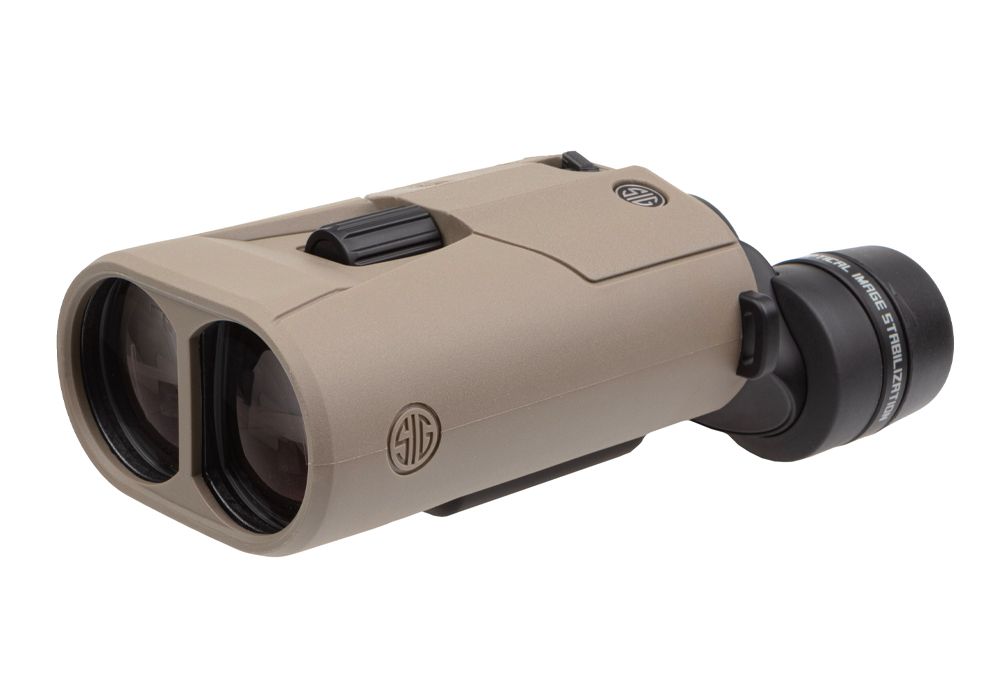
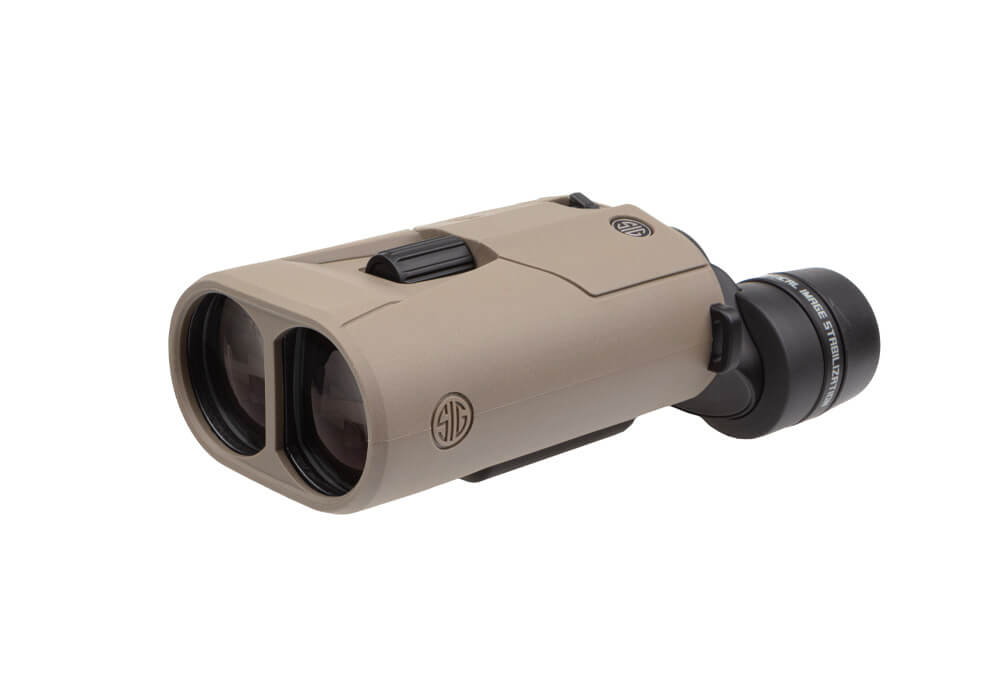
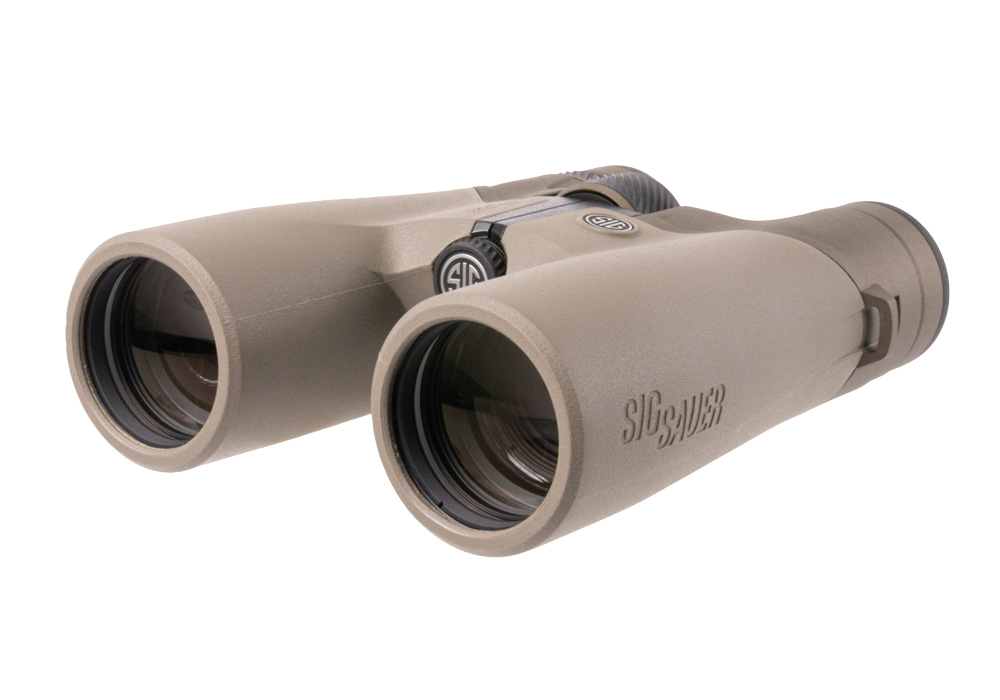
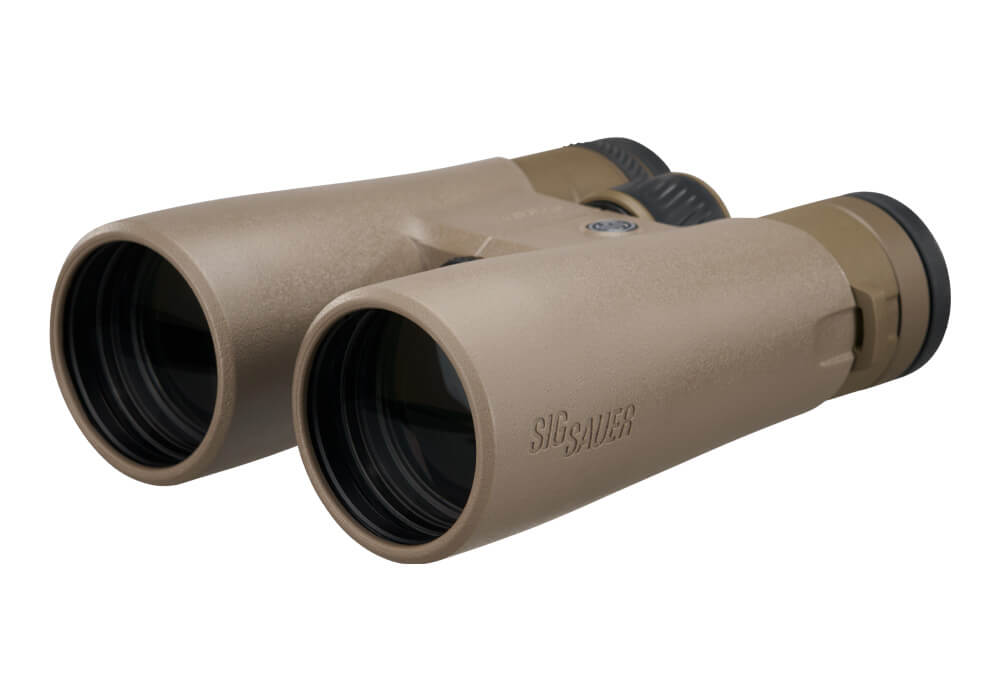
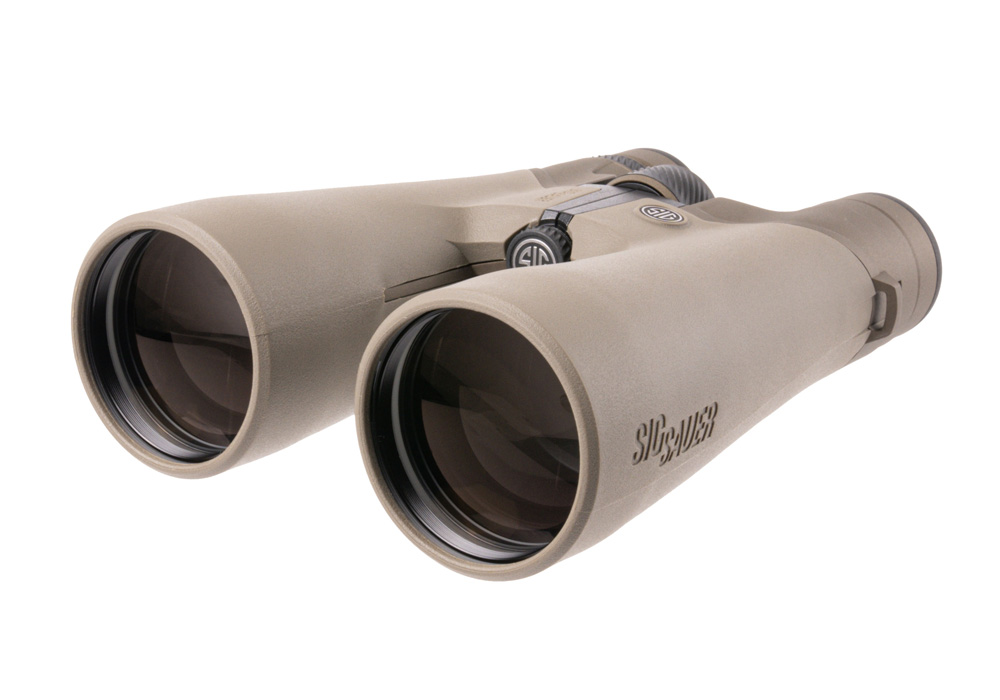
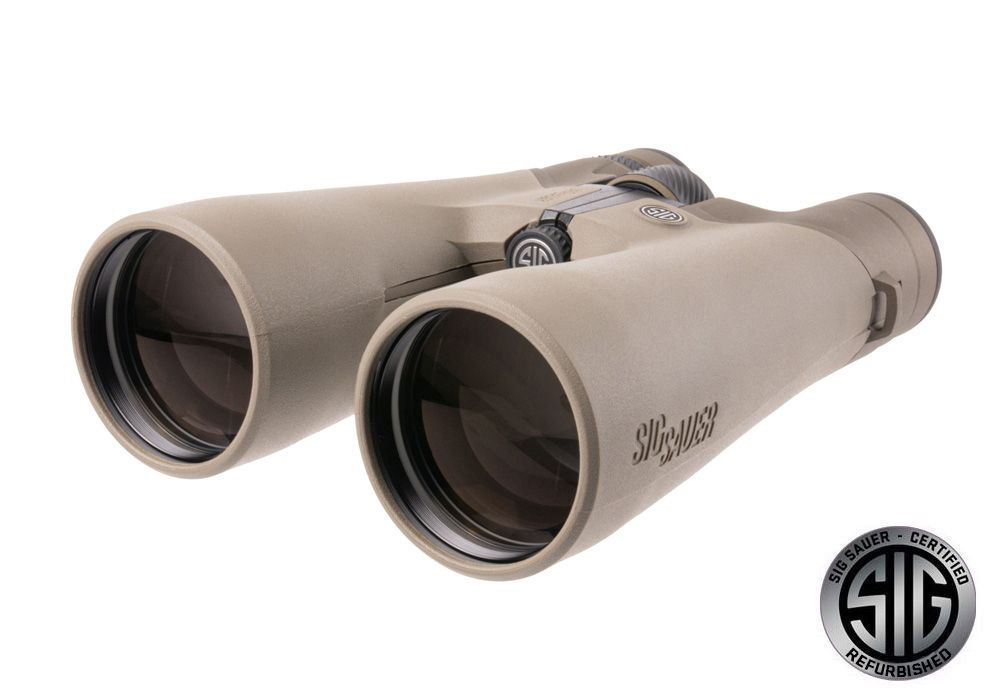
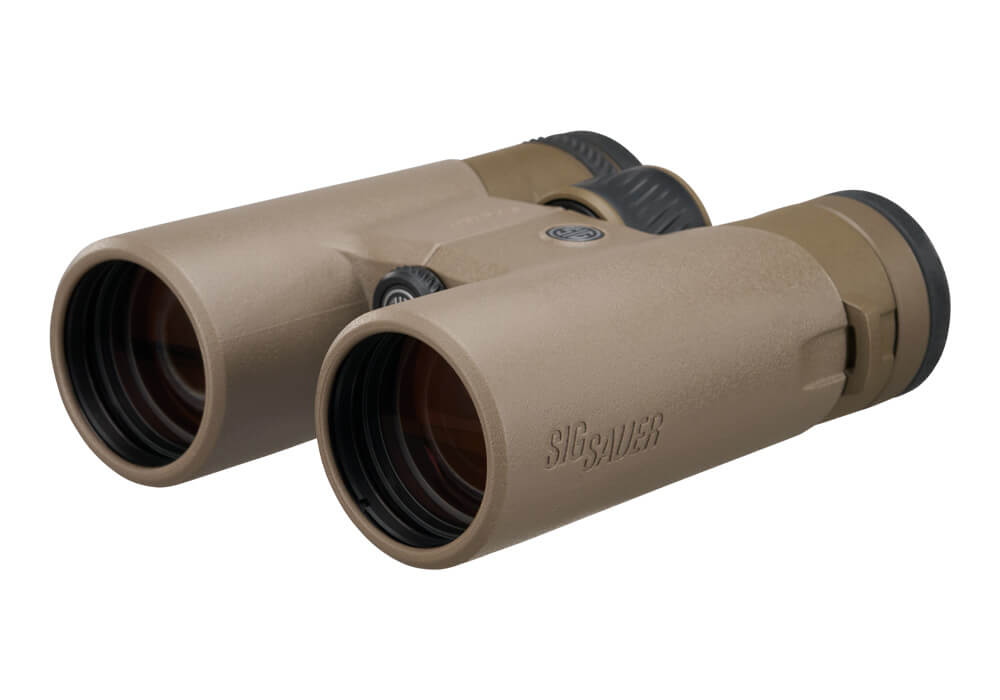
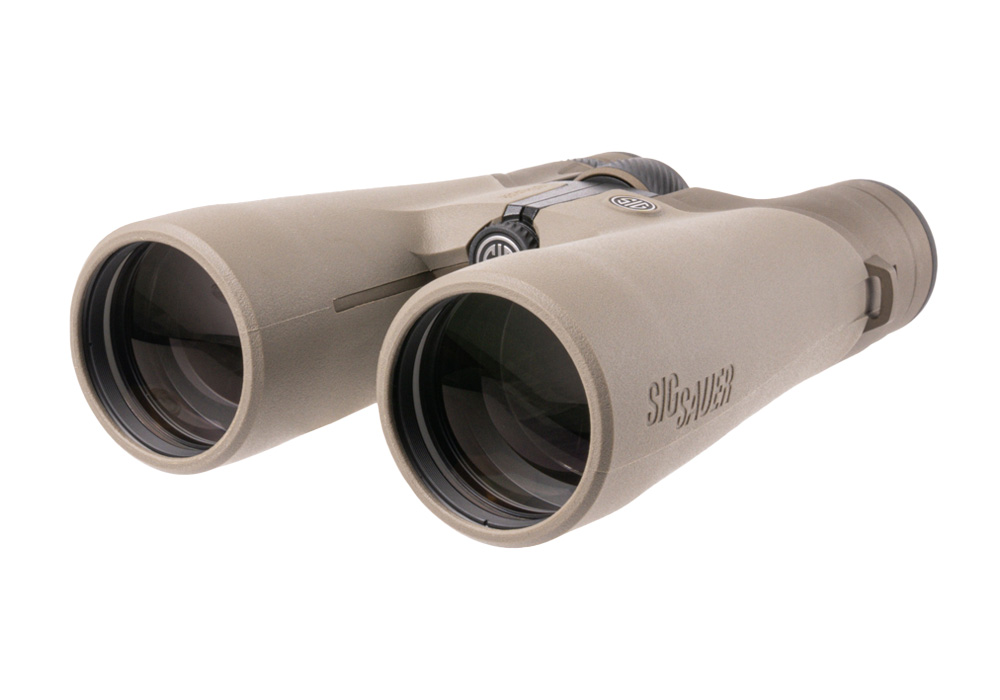
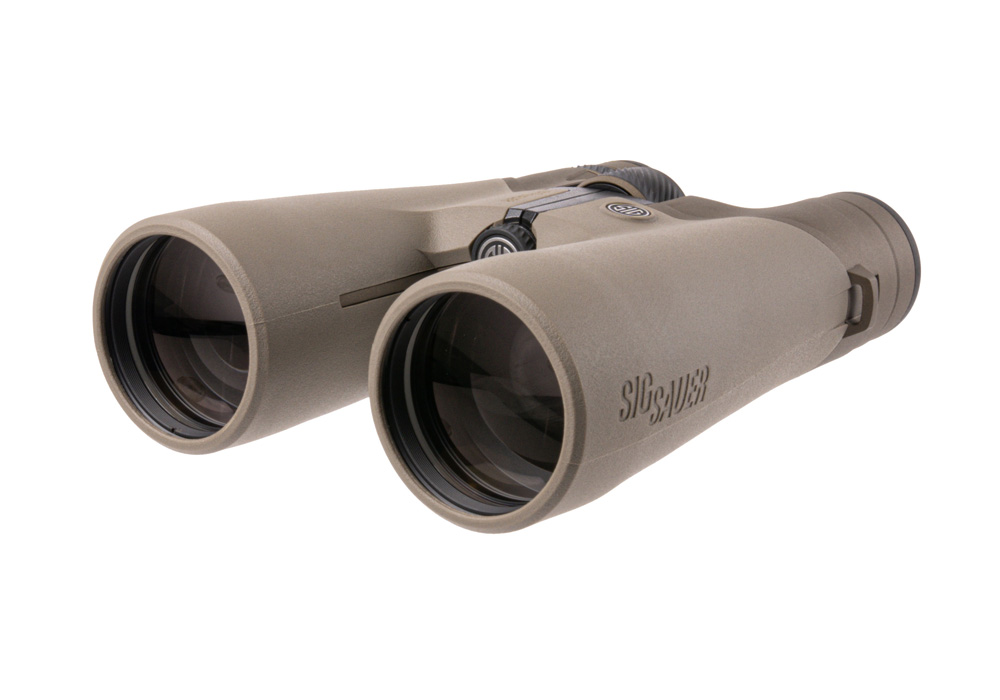
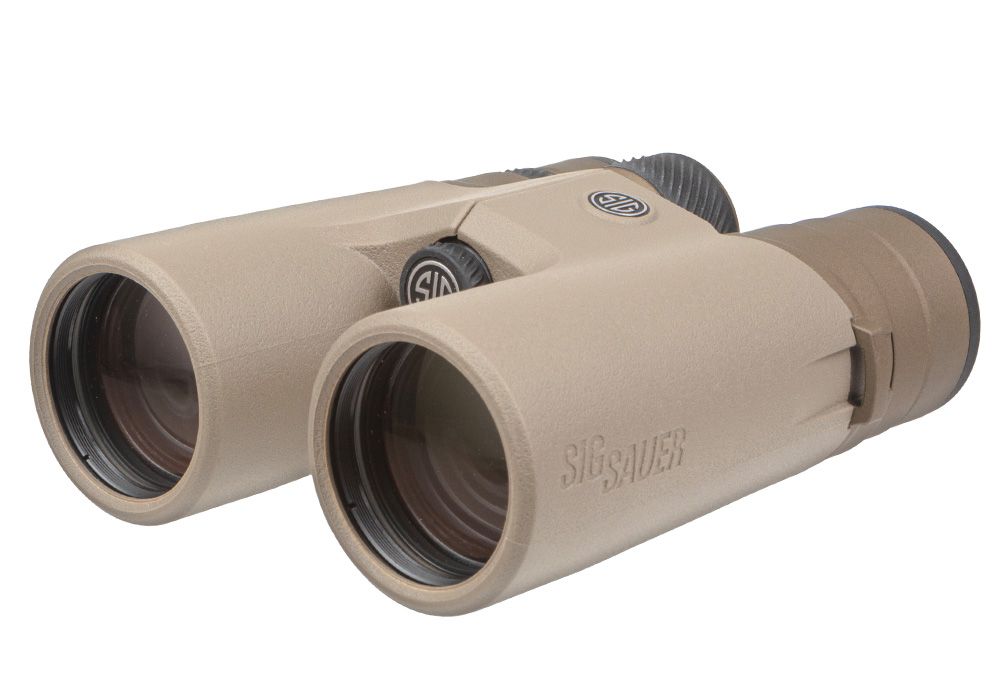
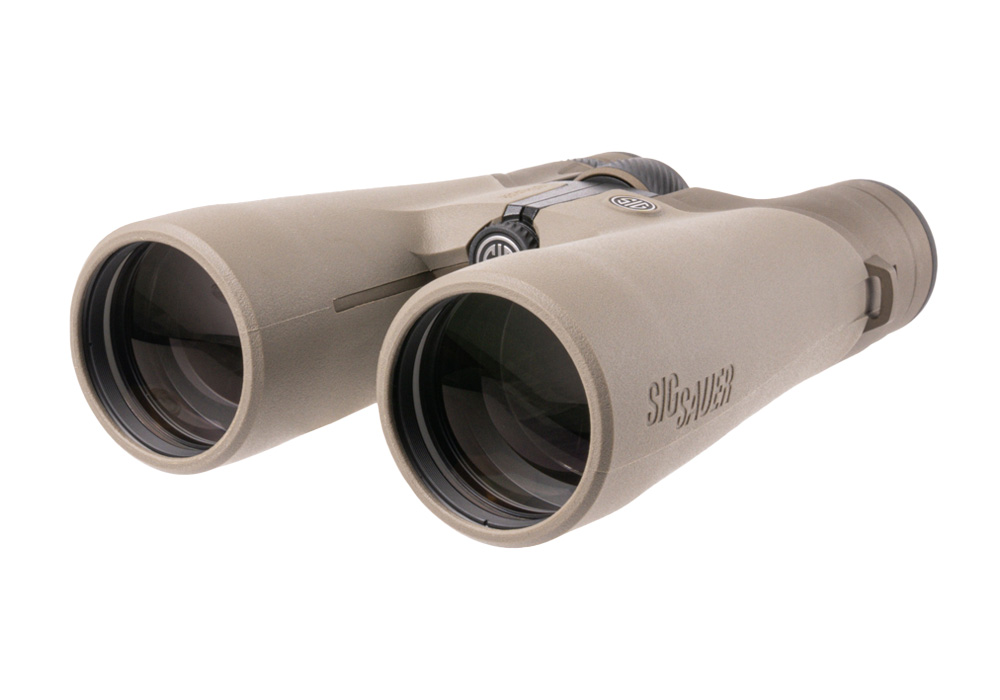
Binoculars for squirrel hunting help separate small details from the overlapping shapes of bark, leaves, and branches. An 8x32 or 8x42 configuration is a practical starting point because 8x magnification offers useful detail without making every hand movement feel exaggerated. These configurations often provide a broad field of view, although the actual viewing width depends on the optical design. In timber, that wider view helps keep a trunk, a branch junction, and nearby cover visible together rather than isolating a tiny patch of foliage. A squirrel resting against rough bark may be easier to recognize through the curve of an ear or the outline of a tail than through movement alone. An 8x32 binocular generally favors a lighter, more compact package, while an 8x42 pairs the same magnification with larger objective lenses. At comparable optical quality, the larger objectives can support a brighter view in shaded cover when the viewer’s pupils can use the additional light. The exit pupil, calculated by dividing objective diameter by magnification, is 4 millimeters for an 8x32 and 5.25 millimeters for an 8x42. That measurement helps explain the difference, but lens quality, coatings, and individual eyesight also influence the image. A 10x42 binocular provides greater apparent detail for looking across a clearing or studying a distant treetop, with the tradeoff of more visible hand shake and, often, a narrower field of view. More magnification is not automatically more useful when most observations happen among nearby trees. Good contrast and resolution matter just as much as enlargement, especially where a dark body blends into a shaded limb. Fully multicoated lenses help reduce unwanted reflections, while extra-low dispersion glass can reduce colored fringes along high-contrast edges. Neither feature alone guarantees an excellent image; the complete optical system determines how clearly small shapes stand apart. For this kind of close, deliberate observation, a steady view with comfortable eye placement can be more valuable than the highest power.
Comfort becomes especially important when binoculars come up repeatedly during a walk through timber. A compact body that fits naturally between the hands is easier to carry than a bulky design that continually bumps against other equipment. Listed weight tells only part of that story: balance, barrel shape, thumb position, and the spacing around the hinge all affect how an optic feels during extended viewing. Roof-prism designs often provide a streamlined shape that sits neatly against the chest, though overall dimensions vary. Rubber armoring can improve grip and soften routine contact with equipment, but its texture should remain comfortable against bare hands. A focus wheel with a predictable feel allows small adjustments when attention moves from a nearby trunk to branches farther away. Excessively stiff operation can interrupt the view, while a wheel that turns too freely may shift during carry. Close-focus distance deserves attention because squirrel hunting does not always involve distant observation; an animal on the lower portion of a nearby tree can be inside the comfortable focusing range of some binoculars. Proper fit also includes interpupillary adjustment, which aligns the barrels with the distance between the eyes. When that range suits the viewer, the two images merge into one circular view without persistent dark edges. Adjustable eyecups and sufficient eye relief help position the eyes correctly, particularly for anyone wearing glasses. Published eye-relief figures are useful comparisons, but eyecup shape and eyeglass frames can affect how much of the field remains visible. A diopter adjustment accommodates differences between the eyes, supporting a sharper image without constant refocusing. For a hunter carrying binoculars over several hours, a supportive neck strap or low-profile chest harness can distribute weight and limit swinging. Quiet fabric, secure attachment points, and a cover that opens without a struggle all contribute to an optic that is comfortable to keep close and easy to use when a subtle movement catches attention.
Durability and care help preserve that viewing experience beyond the first few outings. Aluminum, magnesium, and reinforced polymer housings offer different combinations of weight and rigidity, while protective armoring adds another layer between the body and everyday knocks. No housing material alone establishes toughness; hinge construction, lens protection, and the quality of assembly matter too. Waterproof ratings should be considered according to the stated testing standard rather than treated as interchangeable promises. Sealed construction and nitrogen or argon purging help resist internal fogging, but they do not prevent condensation from forming on exposed lens surfaces. Recessed objectives and secure lens covers help protect glass from fingerprints, brush contact, and grit during transport. Clean optics preserve contrast, particularly when looking toward bright gaps in a canopy, where smears can turn into distracting glare. Loose particles are best lifted away with an appropriate blower or lens brush before the glass receives a gentle wipe with an optics-safe cloth and suitable cleaning solution. Clothing and paper towels can carry abrasive material that scratches delicate surfaces. A protective case, dry storage, and occasional checks of straps, eyecups, and attachment points support dependable use without requiring complicated upkeep. These details also make binoculars a thoughtful gift for an experienced squirrel hunter, a newer hunting partner, or someone who enjoys wildlife observation between outings. Fit preferences matter, so useful gift considerations include eyeglass compatibility, manageable weight, and a carrying arrangement suited to the recipient. Hunters whose optics also serve at the range can explore Binoculars For Target Shooting for a related application of handheld observation. In the woods, binoculars provide a dedicated way to examine movement without using a firearm’s sight for general scanning. Clear observation supports identification, but magnification cannot reveal what is hidden behind cover or establish a safe background by itself. The strongest fit for squirrel hunting balances optical clarity, comfortable handling, practical protection, and a view that feels natural enough to use repeatedly.