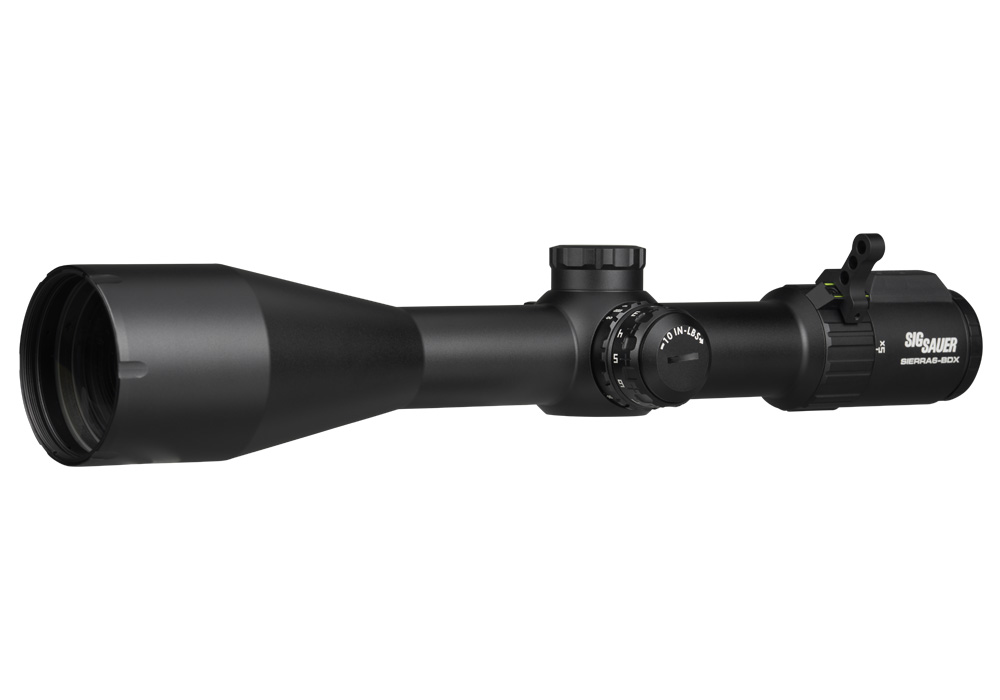
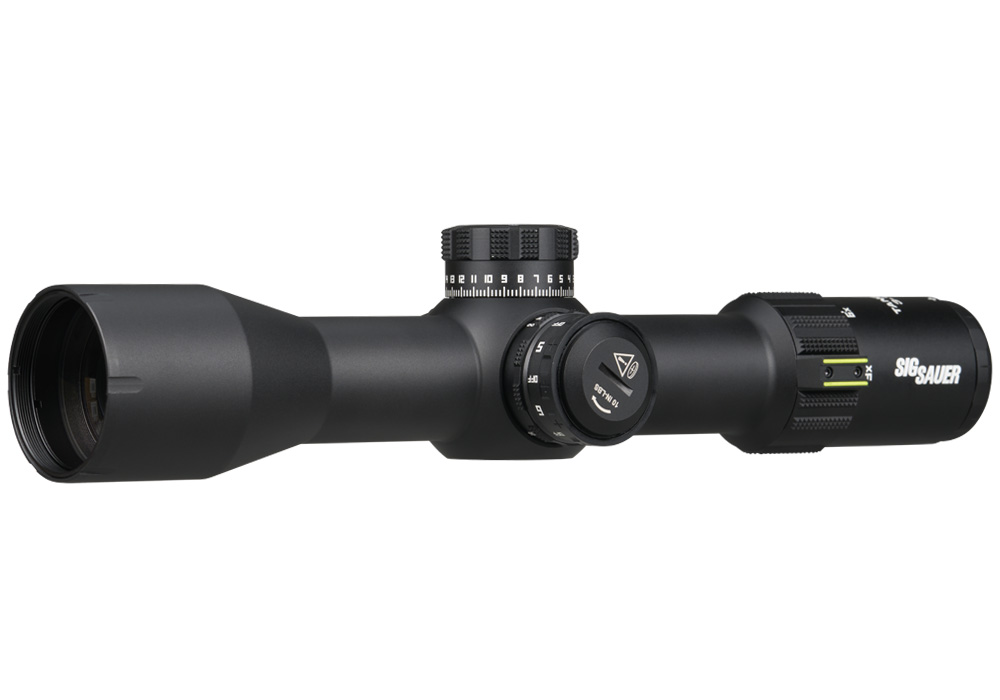
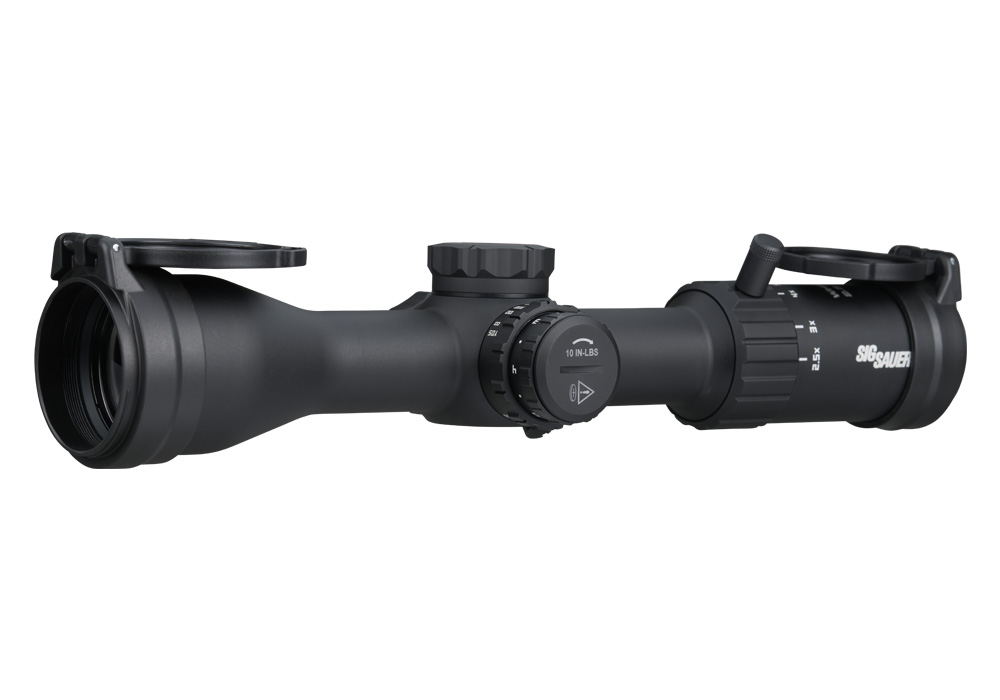
Deer hunting scopes are designed to help hunters make precise, ethical shots in the varied conditions found across woods, fields, ridgelines, and brush country. The right optic depends first on the terrain and typical distance of the hunt. In thick timber, where a deer may appear between trees at close range, a compact scope with a lower starting magnification—such as 1.5-4x, 2-7x, or a fixed 3x—can provide a generous field of view and make it easier to track a moving animal through narrow shooting lanes. For a more versatile setup covering roughly 25 to 300 yards, a 3-9x or 3-15x scope remains a practical choice, offering a broad view at the low end and enough magnification to evaluate a stationary deer across an open clearing. Hunters who regularly pursue deer in open country, rolling farmland, or mountain terrain may prefer a 4-12x or 4-16x configuration, particularly when longer shots are possible and the rifle, ammunition, and shooter are capable of consistent accuracy at those distances. Magnification should support the hunt rather than define it; excessive power can narrow the field of view, exaggerate movement, and make it harder to locate an animal quickly. A 40mm or 42mm objective lens is a popular balance for deer hunting because it can gather useful light during the first and last legal shooting hours without adding the bulk, weight, and mounting height associated with much larger objectives. Hunters who spend long days walking timber or climbing uneven ground often appreciate a lighter optic, while those hunting from a blind or fixed position may be more comfortable carrying a slightly larger scope with additional adjustment range. Whether the rifle is a familiar heirloom, a new hunting rifle, or a compact platform selected for younger or smaller-framed hunters, the scope should complement its balance and intended use.
Low-light performance is an important consideration for deer hunting scopes because the most active periods often occur around dawn and dusk, when shadows stretch across the forest floor and a brown deer can blend into the background. Clear glass, effective lens coatings, and a reticle that remains visible without obscuring the target all contribute to a useful sight picture. A second focal plane reticle keeps the reticle at a consistent apparent size as magnification changes, which many hunters prefer because the aiming point remains easy to see at lower power and in dim conditions. First focal plane designs can be valuable for hunters who routinely use calibrated holdovers at different magnifications, but the reticle may appear finer at lower power, so the choice should reflect the shooter’s habits and the reticle design. Weather resistance is equally important. A scope intended for deer season should be sealed against moisture and purged to resist internal fogging, with durable construction that can withstand rain, cold, brush, and the recoil of the rifle on which it is mounted. Reliable turrets, a positive magnification ring, and a forgiving eye box can make a meaningful difference when a hunter is wearing heavy layers or bringing the rifle into position quickly. Before heading afield during the cooler months, mount the optic with properly matched rings, confirm that the rifle is unloaded while installing and adjusting components, and sight in with the same ammunition and shooting configuration expected in the field. Confirm zero from a stable rest, verify the point of impact at more than one distance when appropriate, and practice from realistic positions without rushing. A good scope cannot replace sound judgment, knowledge of the rifle, or familiarity with local hunting regulations, including legal shooting hours, firearm restrictions, tagging requirements, and minimum equipment rules.
Choosing among deer hunting scopes also means considering how the optic will fit the complete hunting system and the person using it. A scope with generous eye relief is especially helpful on rifles with noticeable recoil, and a simple, uncluttered reticle can be easier to use for hunters who value fast target acquisition over complex ballistic references. Adjustable parallax may benefit hunters who shoot at varied distances, while a fixed setting can keep operation straightforward for typical woodland ranges. Turret style, illumination, mounting height, total weight, and available adjustment range deserve attention alongside magnification and objective size. Hunters who spend most of their time in dense hardwoods may prioritize a compact optic with a low magnification range and a wide field of view; a hunter overlooking hay fields or prairie edges may place greater value on higher magnification, precise adjustments, and a reticle suited to estimating holdover. These optics can also make thoughtful gifts for a new hunter, a family member preparing for a first deer season, or an experienced outdoorsperson upgrading an aging setup, provided the scope’s dimensions and mounting system are compatible with the recipient’s rifle. A gift card or conversation about the intended rifle and terrain can help avoid choosing an optic that is too heavy, too specialized, or difficult to use. For hunters comparing a traditional deer optic with a more adaptable configuration for mixed terrain and changing conditions, explore Fall Hunting Tactical Rifle Scopes for additional options. From late summer sight-in sessions through the cooler months in the field, the best deer hunting scope is one that holds zero, presents a clear and useful image, suits the rifle’s balance, and gives the hunter confidence to identify the target and make a responsible shot within a well-practiced range.