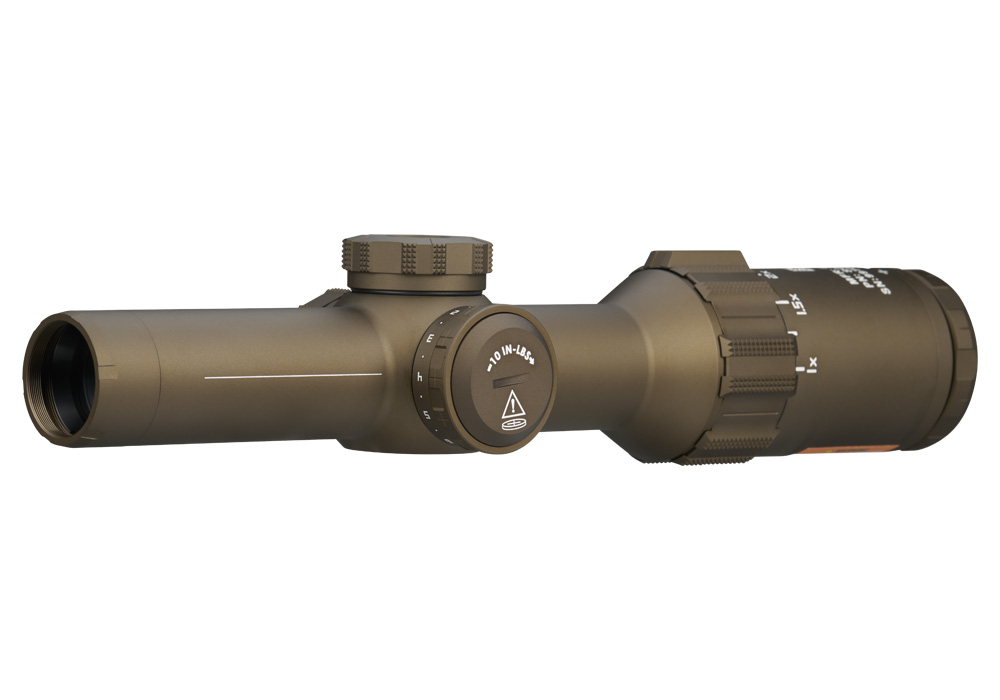
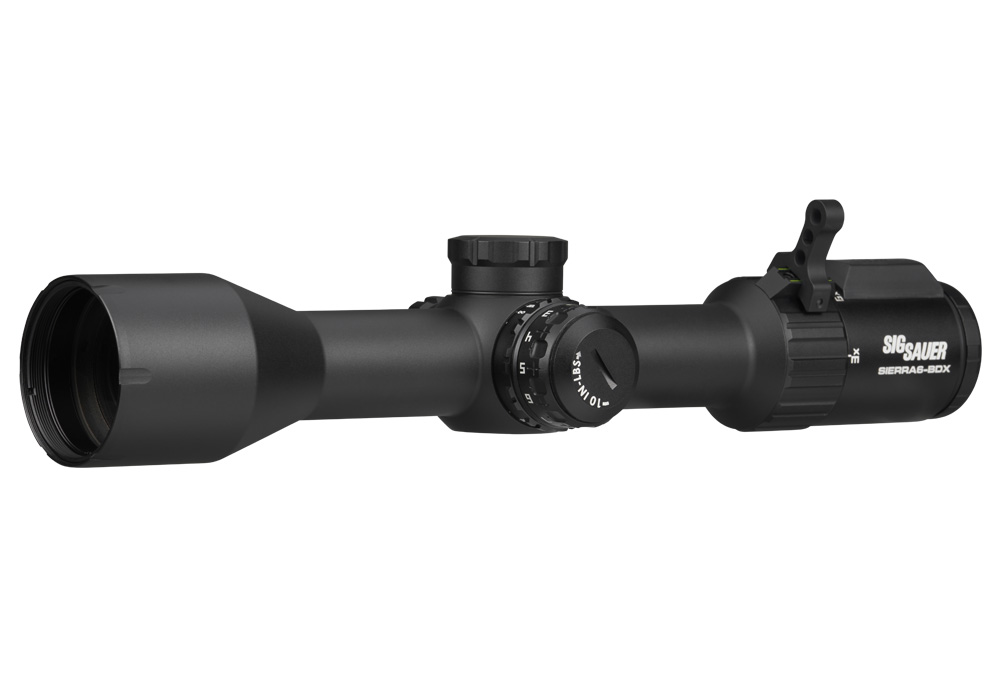
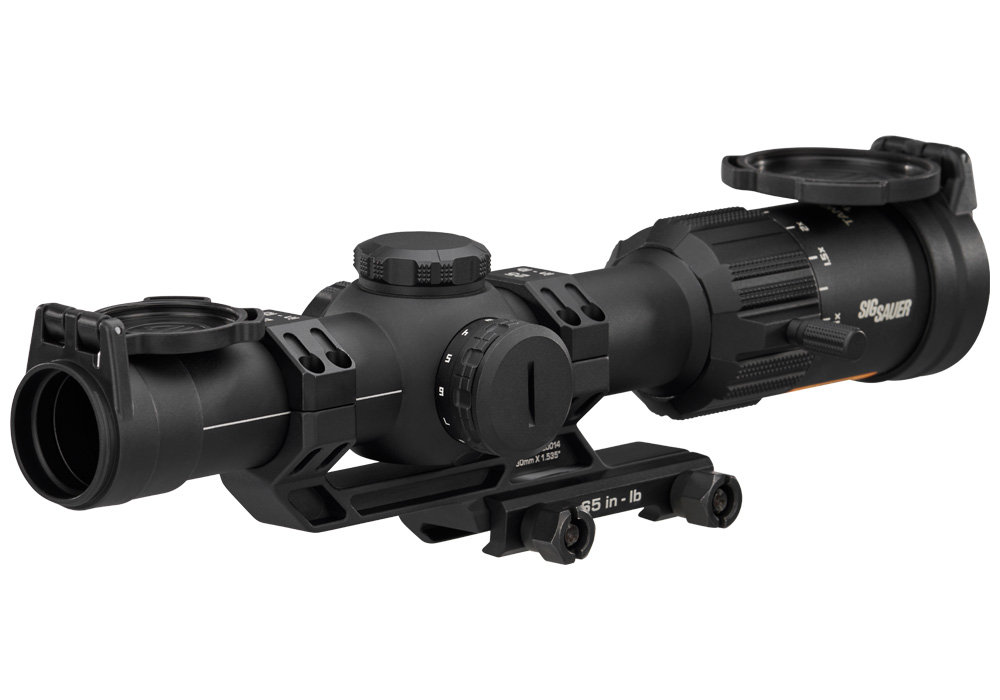
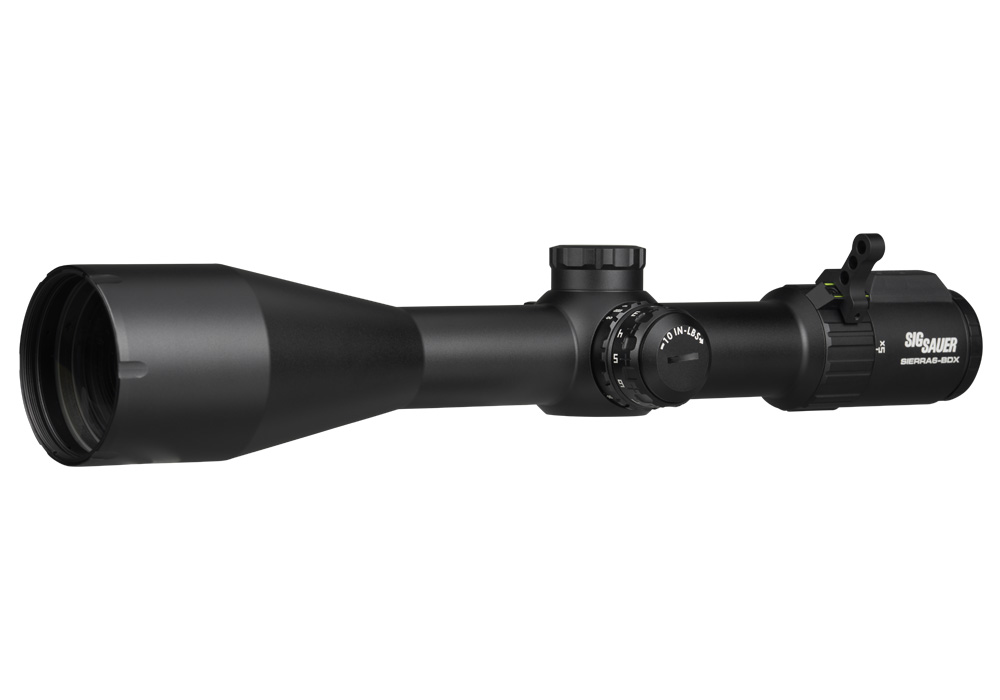
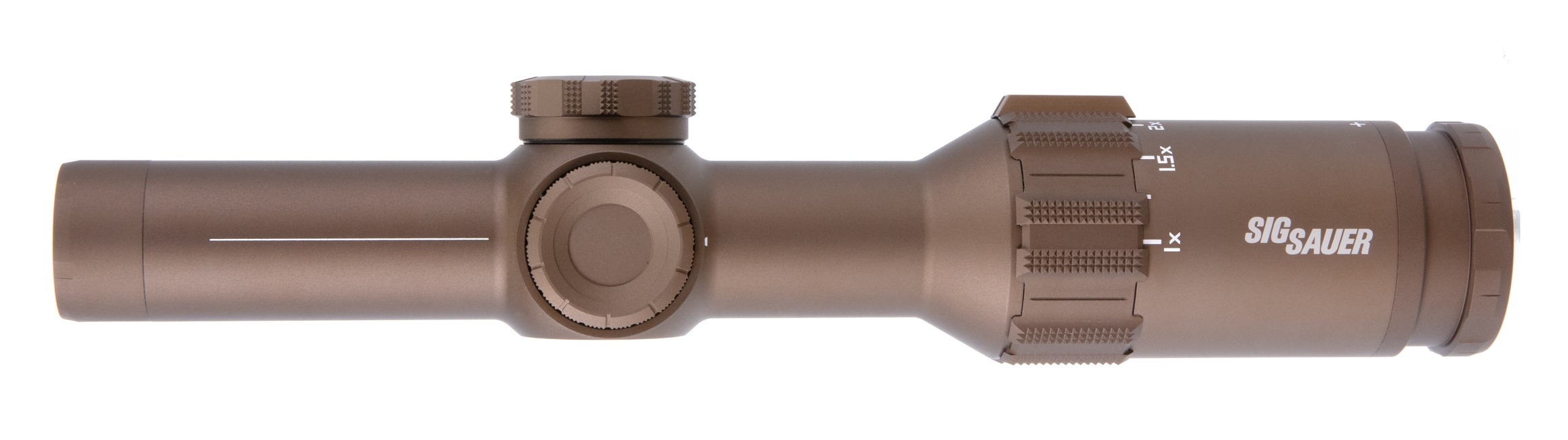
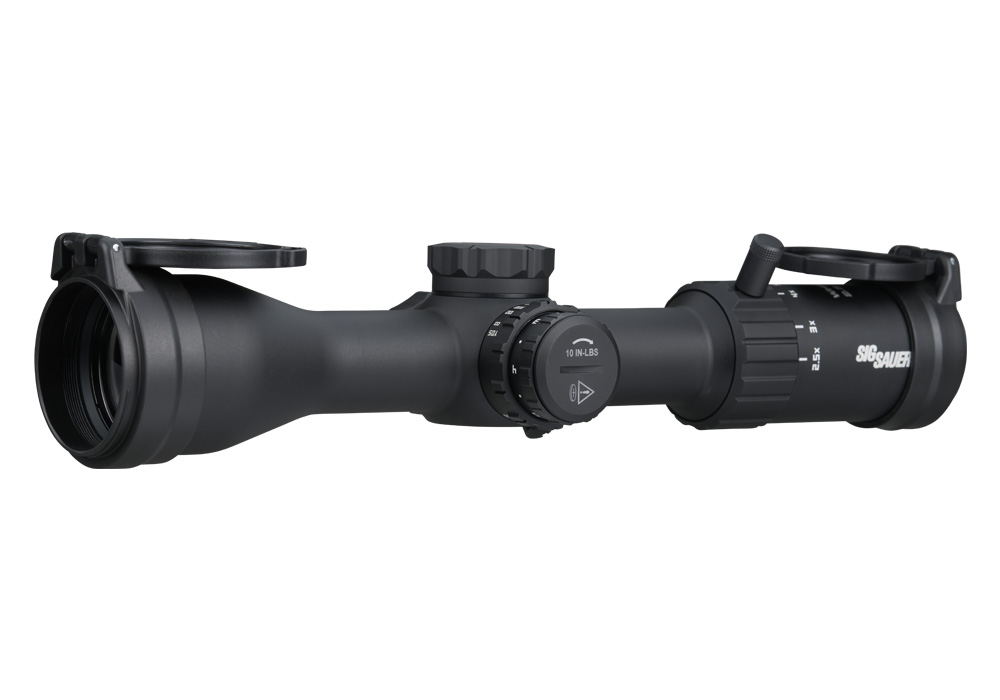
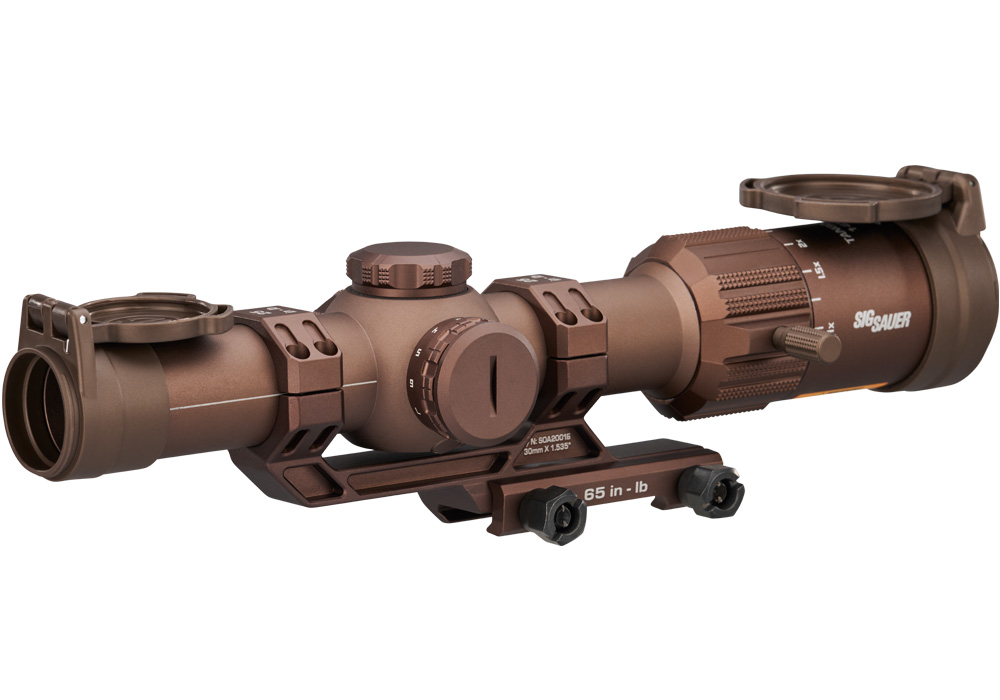
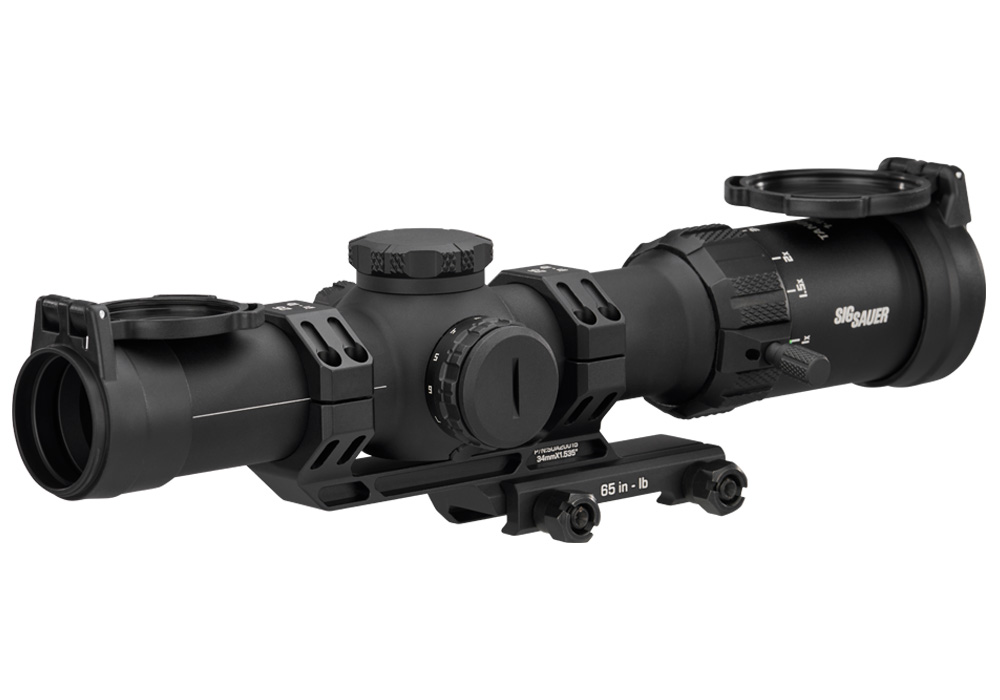
Deer hunting rifle scopes with zoom give hunters the flexibility to adapt to changing terrain, distance, and movement without changing optics in the field. A variable-power scope can be dialed down for a broad field of view in thick timber, then increased when a deer appears across an open field or along the far edge of a cutover. Common configurations such as 3-9x40 provide a practical balance for many whitetail hunts, with a low setting that helps track a moving animal at shorter range and a higher setting that supports careful shot placement across open ground. Scopes offering ranges such as 2.5-10x, 3-15x, 4-12x, or 4-16x extend that flexibility for hunters who move between dense woods, rolling farmland, and more open country. Lower magnification is especially useful when a deer steps out unexpectedly at close range, where a wide sight picture can make it easier to locate the animal and maintain awareness of nearby branches or other obstacles. Higher magnification can help reveal antler detail and support a precise aiming point when the shooting lane is longer, though magnification should always match the conditions, the rifle, and the hunter’s ability to make a steady, ethical shot. In practical terms, a deer hunting scope with zoom is an adaptable choice for the hunter who may begin the day following a brush-lined trail and finish the afternoon watching a distant field edge. Pairing a variable-power optic with the right rifle and ammunition creates a setup that feels prepared rather than overcomplicated, whether the rifle is carried through damp hardwoods or rested on a pack while glassing a broad pasture.
Objective lens size is another important consideration when comparing zoom rifle scopes. A 40mm or 42mm objective often keeps the optic relatively light and allows it to sit lower on the rifle, which can support a comfortable cheek weld and a more natural mounting position. A 50mm objective may gather additional light during the dim portions of legal hunting hours, but it can also require taller rings and add weight to a rifle that may already be carried for several miles. Clear, multi-coated glass helps preserve brightness and contrast when deer are most active during the low-light periods around dawn and dusk, while a well-designed reticle should remain visible without obscuring the animal or blending into a dark background. Eye relief deserves close attention as well, particularly on rifles with stronger recoil; a forgiving eye box and sufficient distance from the ocular lens can make the scope more comfortable and help maintain a consistent shooting position. Hunters should also consider whether they prefer a simple duplex-style reticle for fast aiming, an illuminated aiming point for shaded timber, or a more detailed reticle for holdover references at extended distances. Turret design, parallax adjustment, and the scope’s adjustment range may matter more to hunters who regularly practice at longer distances, while a straightforward configuration can be ideal for a classic woods rifle. The scope should be rated to withstand recoil, rain, condensation, and the occasional bump against a tree stand or vehicle door. Waterproof, fog-proof, and shock-resistant construction is valuable during the cooler months, when a rifle can move from a heated truck into cold morning air and quickly encounter moisture. Mounting height, ring compatibility, and proper torque are equally important; even excellent glass cannot perform as intended if the optic is poorly mounted or the rifle has not been sighted in with the selected hunting ammunition.
These scopes can suit a wide range of deer hunters, from someone setting up a first centerfire rifle to an experienced outdoorsman refining a trusted rifle for a new landscape. A hunter who spends most of the season in thick cover may favor a scope that begins around 2.5x or 3x, preserving a generous field of view for close opportunities and quick target acquisition. Someone hunting open agricultural fields, western plains, or long ridgelines may appreciate a higher top-end magnification, such as 12x, 15x, or 16x, while still keeping a useful lower setting for nearer shots. The best choice is rarely the scope with the most magnification; it is the optic that offers a practical range, clear glass, manageable weight, and controls the hunter can use confidently under real field conditions. Before heading out, confirm the scope is securely mounted, verify the zero from a stable rest, and practice changing magnification without losing the target from view. It is also wise to confirm local regulations governing equipment and hunting hours, since requirements can vary by location. A quality zoom scope can make a thoughtful gift for a new hunter, a family member building a first deer rifle, or a seasoned hunter preparing for a different kind of terrain. It is especially useful when chosen alongside the recipient’s rifle, intended hunting distance, and preferred style of hunting rather than selected by appearance alone. For hunters who want a scope with a more rugged, field-oriented profile for changing fall conditions, the selection of Fall Hunting Tactical Rifle Scopes may offer additional configurations to compare. Whether the rifle rests across a shooting rail at first light or rides in a scabbard along a quiet trail, a properly matched deer hunting rifle scope with zoom helps the hunter make better use of the terrain, identify a safe and ethical shot, and stay ready as the view changes from shadowed timber to open ground.