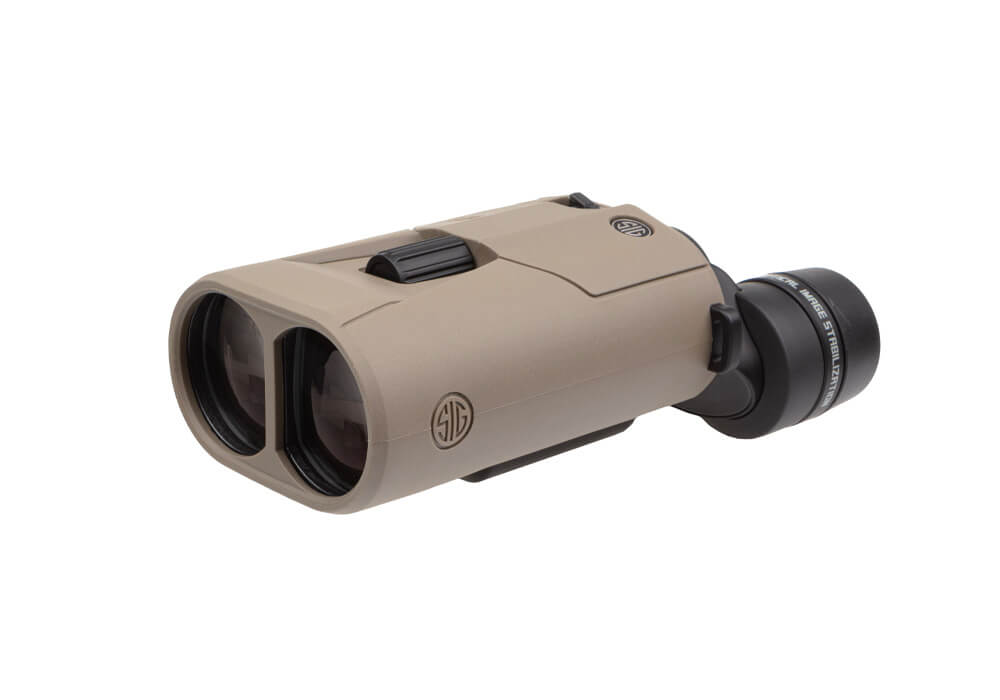
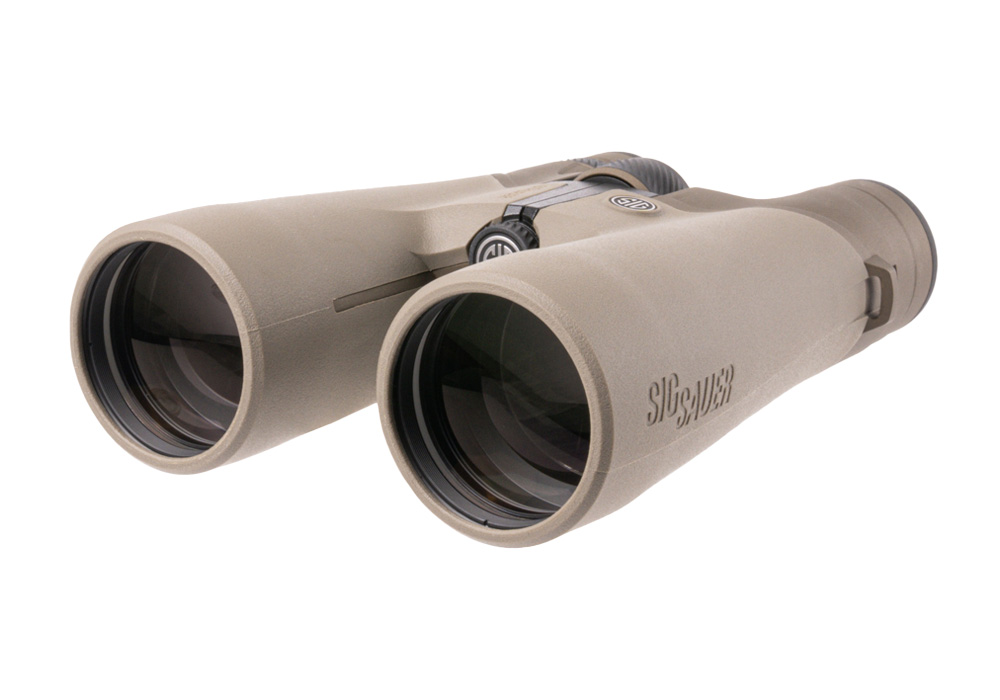
HD binoculars bring more detail, brightness, and color accuracy to outdoor viewing, helping distant subjects appear crisp and natural rather than washed out or surrounded by distracting color fringes. In general, the HD designation points to specialized glass and lens coatings that improve light transmission, contrast, and image clarity, although specifications can vary between models. Extra-low dispersion (ED) or high-density glass can help reduce chromatic aberration, which appears as a purple, green, or blue halo along high-contrast edges such as a bird against a bright sky or a treeline in strong sunlight. Fully multi-coated optics can further improve brightness by limiting reflection at multiple lens surfaces, while phase-corrected prism coatings support sharper detail and more accurate color. These refinements are useful for birdwatching, hunting, wildlife observation, sporting events, travel, and scenic viewing from a backyard or trail overlook. A well-chosen pair can reveal the fine pattern on a hawk’s feathers, the movement of a deer through brush, or the texture of a distant ridge that would otherwise blend into the landscape. For shoppers comparing binoculars, the numbers printed in a specification such as 10x42 provide an important starting point. The first number indicates magnification, so 10x enlarges the apparent view ten times compared with unaided vision. The second number refers to the objective lens diameter in millimeters; a 42mm objective lens gathers ample light while keeping the binoculars practical for handheld use. Lower magnification can offer a wider field of view and steadier handling, while higher magnification may reveal more distant detail but can also make hand movement more noticeable. Larger objective lenses may perform well in dimmer conditions, though they can add weight. The best balance depends on whether the binoculars will spend most of their time in a daypack, at a stadium, in a blind, or on a window ledge overlooking a backyard feeder.
Comfort and handling matter just as much as optical specifications, especially when viewing continues for more than a few minutes. Look for adjustable eyecups and generous eye relief if glasses will be worn, since these features help position the eyes at the correct distance from the ocular lenses without cutting off the edges of the image. A central focus wheel should turn smoothly and precisely, while a diopter adjustment allows each eyepiece to account for small differences between the user’s eyes. A wide field of view can be helpful when following a moving bird, scanning a hillside, or keeping track of players across a large field. Close-focus performance deserves attention as well; it can turn a nearby butterfly, flower, or feeder visitor into an engaging subject instead of a soft blur. For outdoor use, a sealed, waterproof and fogproof housing provides reassurance when conditions shift from a cool, damp morning to warmer air or when light rain moves across a trail. A durable chassis, textured grip, and protective armor can make binoculars easier to hold securely with cold or gloved hands. Weight distribution is another practical detail. Binoculars that feel balanced between the hands are less tiring during extended observation, and a comfortable neck strap or harness can keep them accessible without placing all the strain on one point. During the cooler months, these small conveniences become especially noticeable: a focus wheel that is easy to reach, a body that remains secure in changing weather, and controls that do not require removing gloves can keep attention on the scene rather than the equipment. Storage also deserves care. A protective case, dry environment, and clean lens cloth can help preserve optical performance, while lens caps can shield the glass between outings.
The products gathered in this HD binoculars selection can suit first-time users as well as experienced observers who want a clearer view in a compact format. They are practical gifts for birders, hunters, hikers, sports fans, travelers, photographers who need to scout a scene, and anyone who enjoys watching wildlife from a porch or campsite. They can also be a thoughtful choice for a family, since one pair can turn an ordinary walk into a search for raptors overhead, tracks along a field edge, or distant sailboats beyond the shoreline. When choosing among options, consider the primary viewing distance, typical lighting, expected weather, and how long the binoculars will be carried at one time. A lightweight 8x configuration may be comfortable for casual scanning and moving subjects, while a 10x configuration can be useful for open terrain and greater reach. A 42mm objective lens is a versatile choice for many daytime and early-evening activities, balancing light gathering with portability. Those who spend more time in shaded woods or during the first and last light of the day may place greater value on optical coatings, glass quality, and a larger objective lens. Those attending games or traveling may prioritize a compact profile, wide field of view, and low carrying weight. A harness can be helpful for long walks because it keeps the binoculars close to the chest and ready for use, while a tripod adapter may benefit observers who regularly use higher magnification from a fixed position. Before purchasing, check eye relief, focusing range, waterproofing details, included accessories, and warranty support alongside magnification and lens size. Exploring High Quality Binoculars can help shoppers compare optical features and construction details in one place. Whether the plan involves watching migrating birds against a clear autumn sky, following wildlife through a frosty field, or sharing a distant view with family on a winter outing, HD binoculars can bring a more vivid sense of place to time spent outdoors.