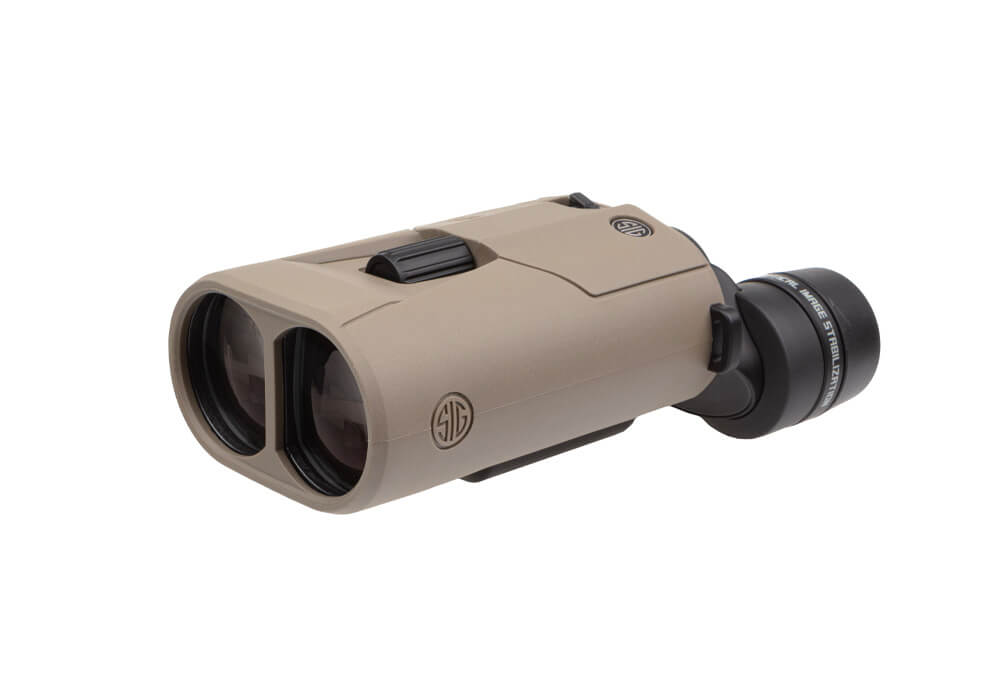
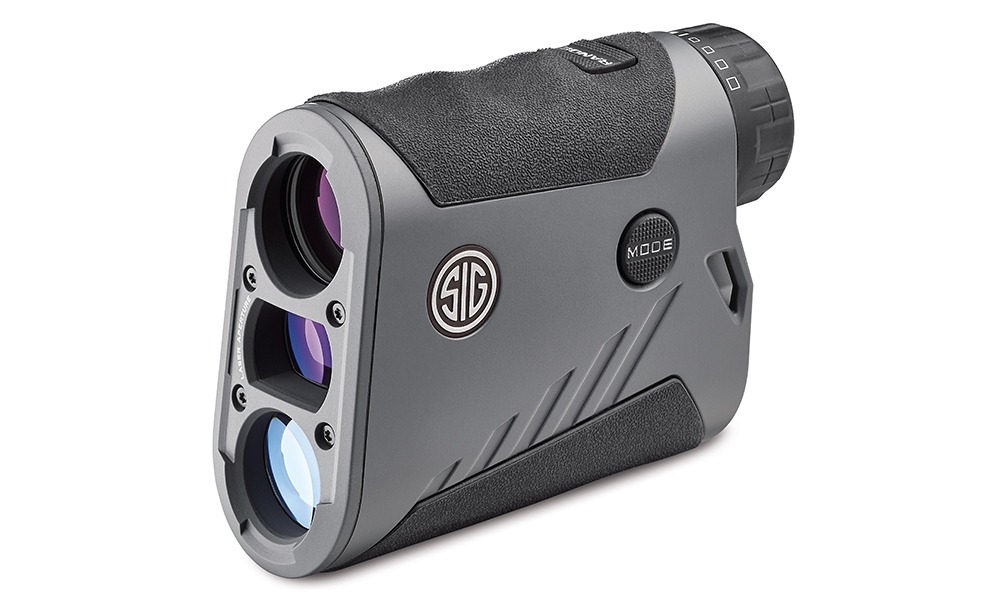
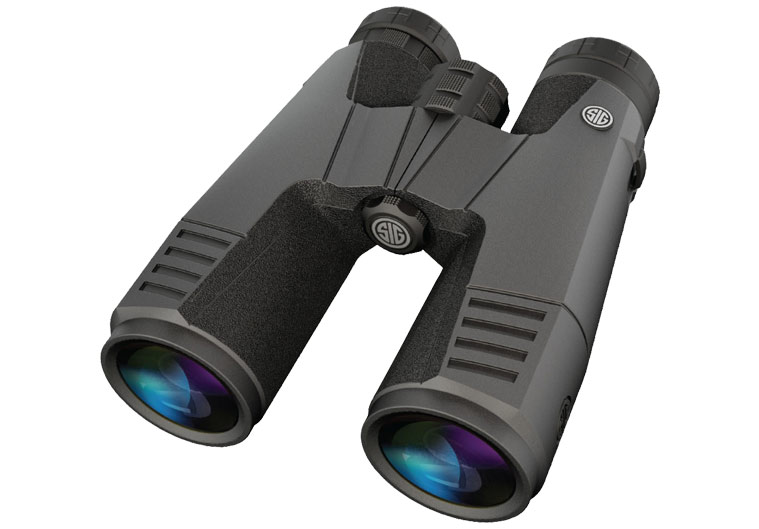
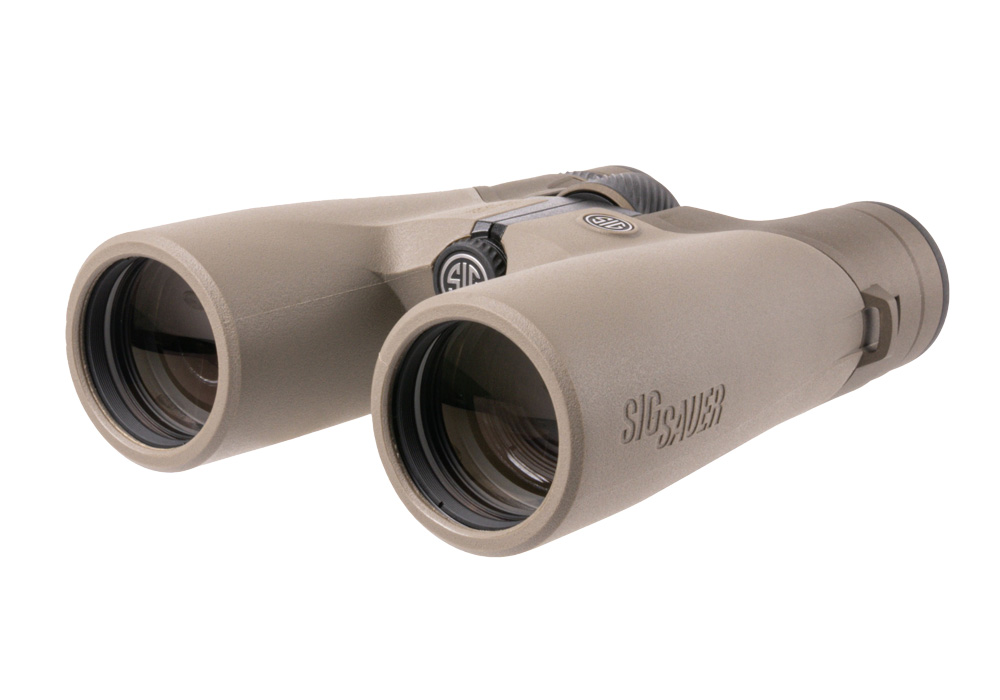
Binoculars for advanced hunting technology bring more capability into a single field-ready optic, combining detailed magnification with electronic tools that help hunters understand distance, terrain, and changing conditions. Traditional binoculars remain valuable for scanning ridgelines, timber edges, and open fields, but today’s advanced hunting binoculars may add an integrated laser rangefinder, environmental sensors, ballistic calculations, digital displays, or wireless connectivity. These features can reduce the need to carry several separate devices and help keep attention on the surrounding landscape. A built-in rangefinder can provide a distance reading with the press of a button, while onboard ballistic software may account for factors such as ammunition profile, elevation, temperature, air pressure, and angle to help inform a more precise holdover reference. Some systems allow hunters to load a custom ballistic curve or connect to a mobile application through Bluetooth, while others can record a location or waypoint for later reference. The value of these tools is especially clear in country where distance is difficult to judge by eye. Across a broad basin, a distant animal can appear deceptively close, while steep terrain can make a level-ground estimate unreliable. Rangefinding binoculars help turn that uncertainty into useful information without requiring the hunter to lower the optic and reach for another device. For hunters who spend long hours glassing, the most advanced features should support—not distract from—the fundamental job of producing a bright, clear, steady image.
Choosing the right binoculars for advanced hunting technology starts with the environment and the way the optic will be used. Magnification affects detail and field of view: lower magnification can make it easier to find moving game in timber or broken terrain, while greater magnification may reveal more detail across open country, provided the image remains steady. Objective lens size influences light transmission, overall dimensions, and weight. Larger objectives can be useful during the cooler, dimmer hours around dawn and dusk, but they may add bulk to a chest harness or pack. Image stabilization is another consideration at elevated magnification, particularly for hunters who spend extended periods studying distant slopes from a standing or improvised position. Stabilization systems use electronic or mechanical technology to reduce hand movement and keep the image more settled, helping the viewer distinguish an antler tine, shoulder line, or patch of contrasting hair without constantly bracing against a pack or trekking pole. Hunters who expect low-visibility conditions may also consider binoculars that incorporate thermal imaging or a day-and-night viewing system. Thermal capability detects heat signatures rather than relying only on visible light, which can help locate animals or identify movement through some fog, shade, or light brush; however, thermal viewing has its own operating limitations and should be evaluated alongside image quality, detection range, battery life, controls, and applicable regulations. A comfortable focus mechanism, intuitive buttons, a readable display, durable housing, and weather resistance matter just as much as the electronics. During a long glassing session on a cold ridge, a control that can be operated with gloved hands and a display that remains legible in changing light can make the difference between using a feature naturally and leaving it untouched.
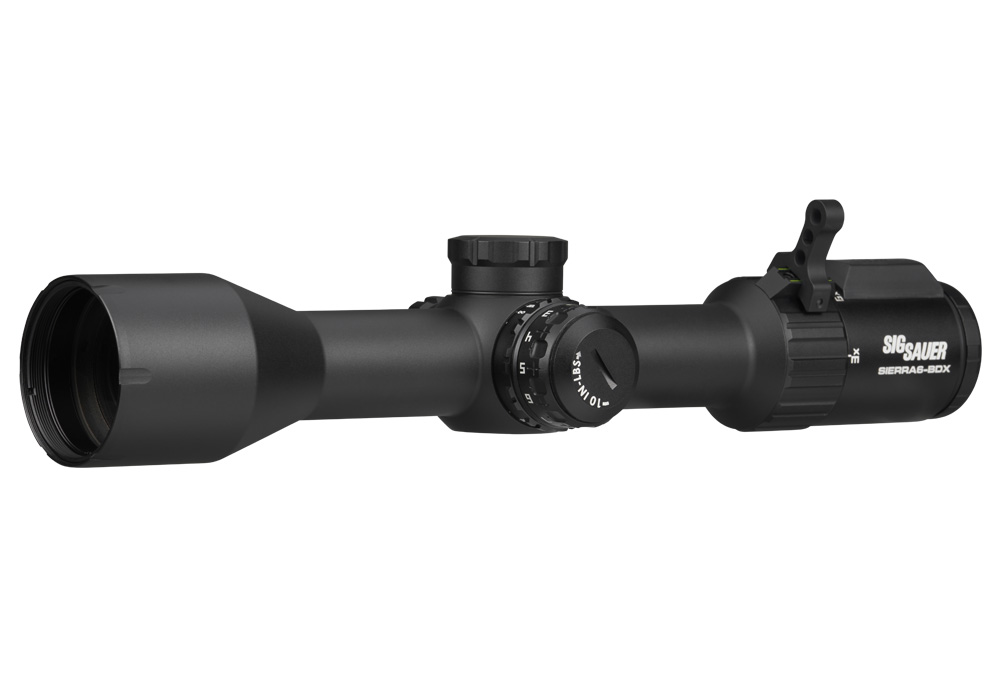
Advanced hunting binoculars can suit experienced hunters who already understand fieldcraft and want faster access to information, as well as newcomers who value an organized, all-in-one approach to observation and ranging. They are useful in open western terrain, agricultural fields, mountain basins, and any setting where judging distance and monitoring a large area are central parts of the hunt. A hunter may use them to scan a distant drainage, confirm the location of a legal shooting position, check a route across uneven ground, or mark a promising glassing point for a return trip. They can also be a thoughtful gift for a serious outdoorsperson, especially when the recipient spends more time behind optics than carrying additional accessories. Before choosing, consider eye relief if wearing glasses, the size and weight of the unit, battery type and expected runtime, the clarity of the display, rangefinder performance against dark or angled surfaces, and whether the ballistic system accepts the cartridges and loads the hunter uses. It is also wise to verify that any connected application works with the intended phone and mapping tools, and to practice with the controls before heading into the field. Electronic assistance is not a substitute for confirming a target, identifying a safe backstop, understanding local hunting laws, or making an ethical shot decision. Hunters who prefer a clean optical view may favor premium glass and stabilization without an onboard display, while those pursuing a more connected setup may prioritize ranging, environmental data, waypoint functions, or thermal capability. For an optic that complements a broader setup, explore Hunting Battle Optics alongside these advanced binocular options. The best choice is the one that feels natural against the chest, remains dependable through changing weather, and provides useful information without pulling the hunter away from careful observation.