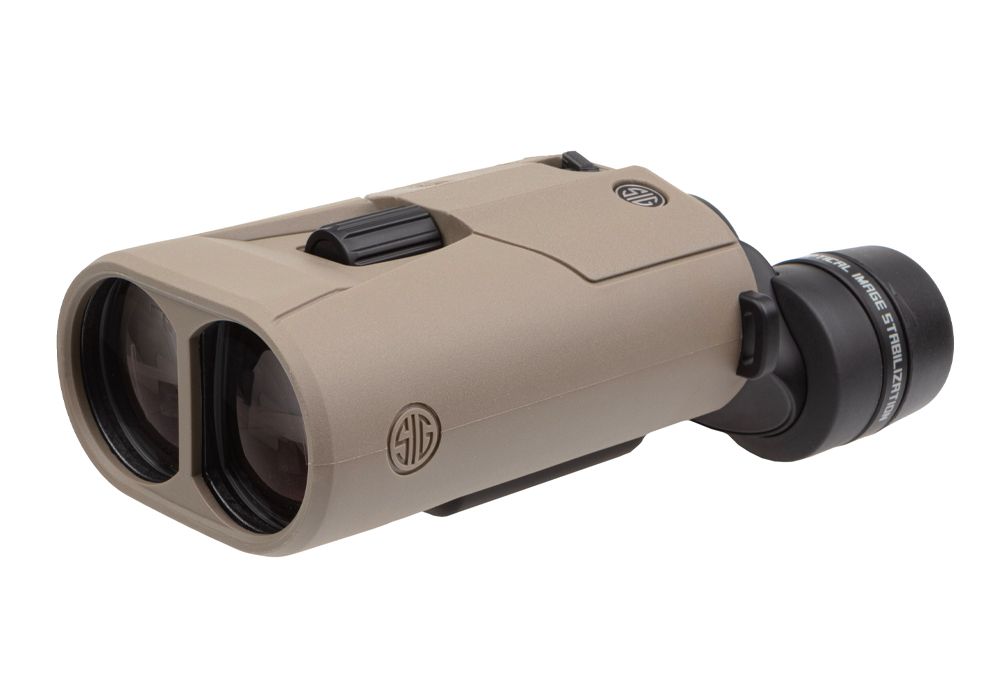
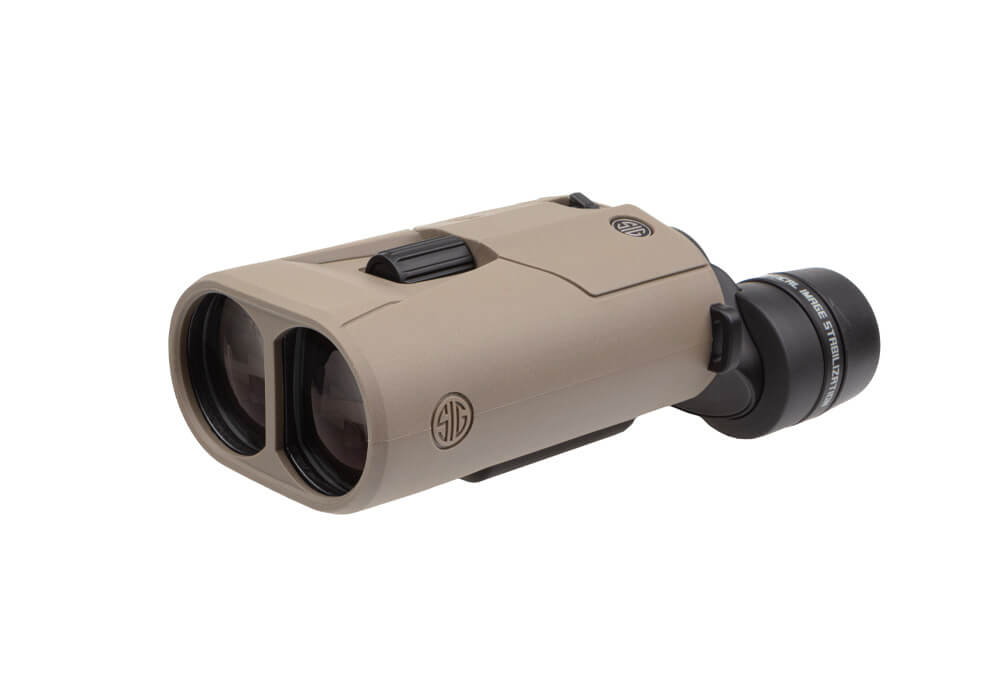
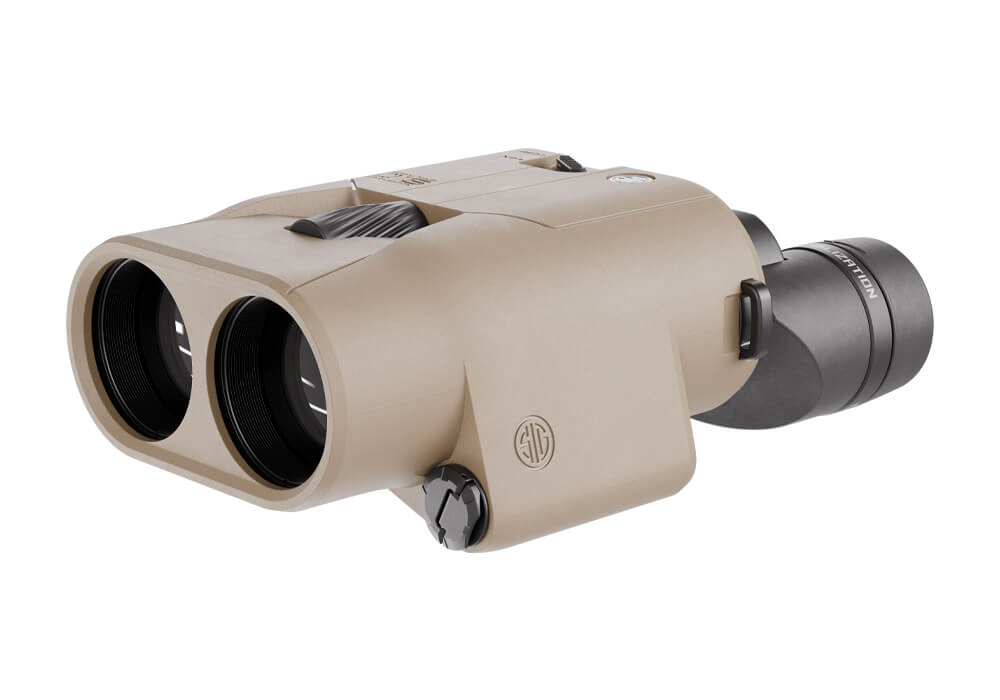
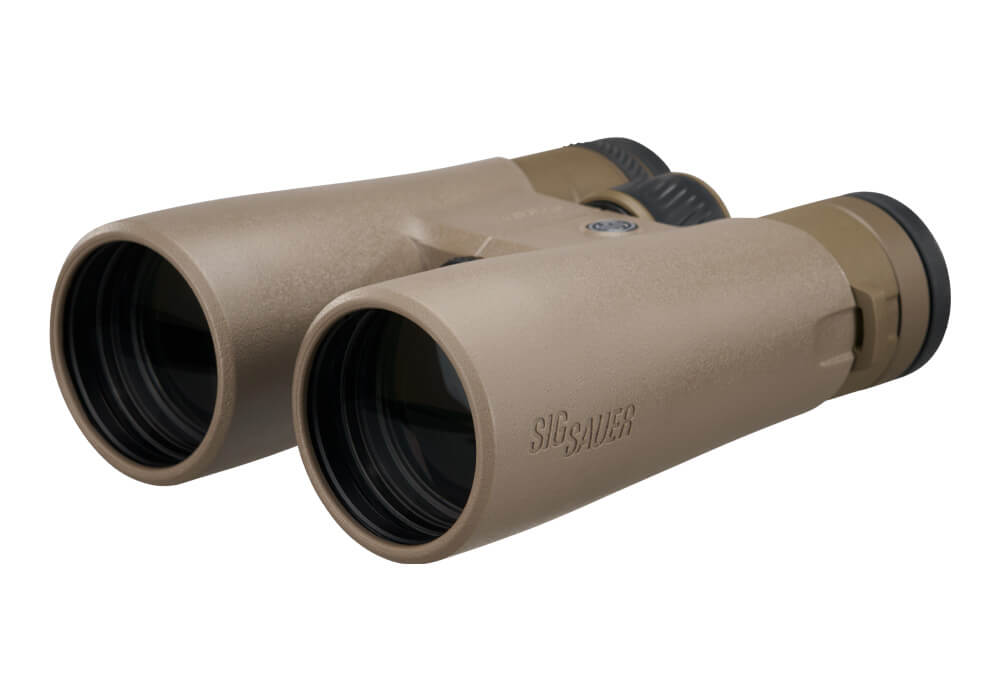
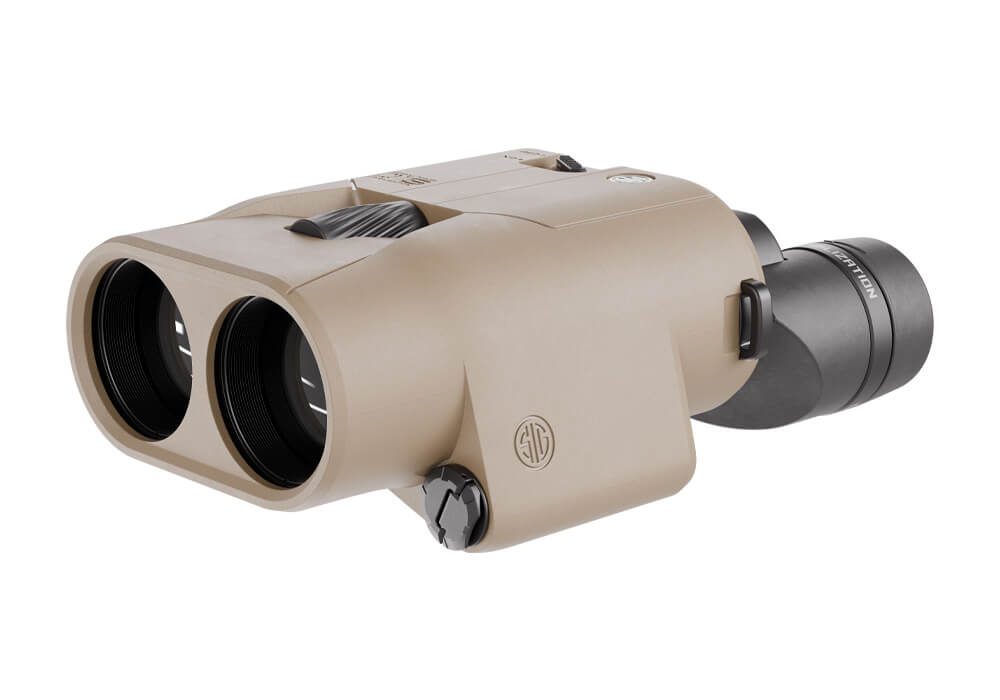
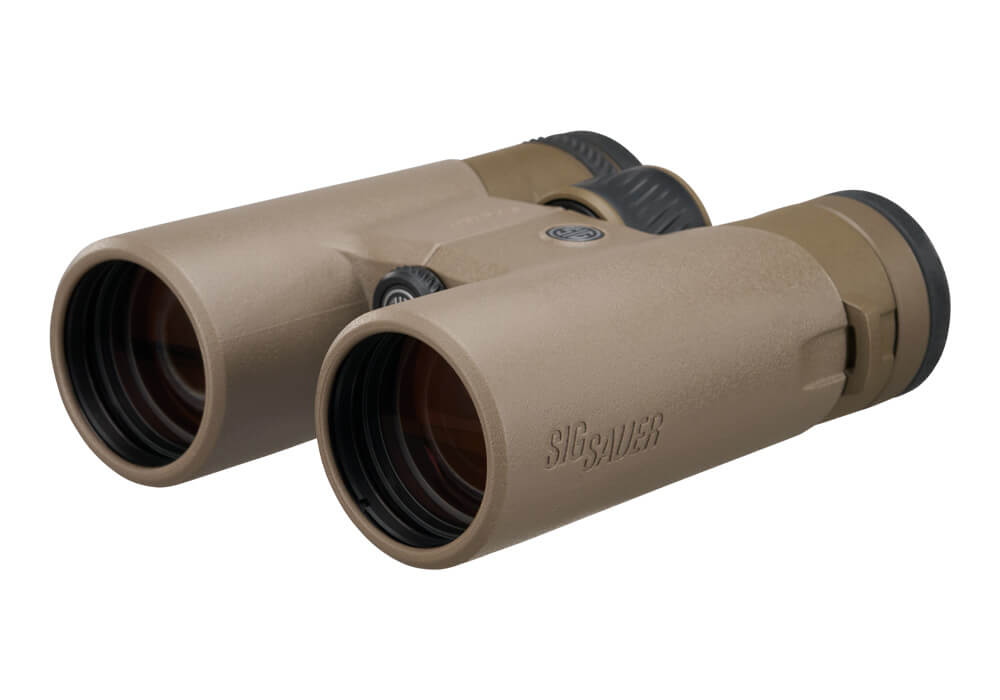
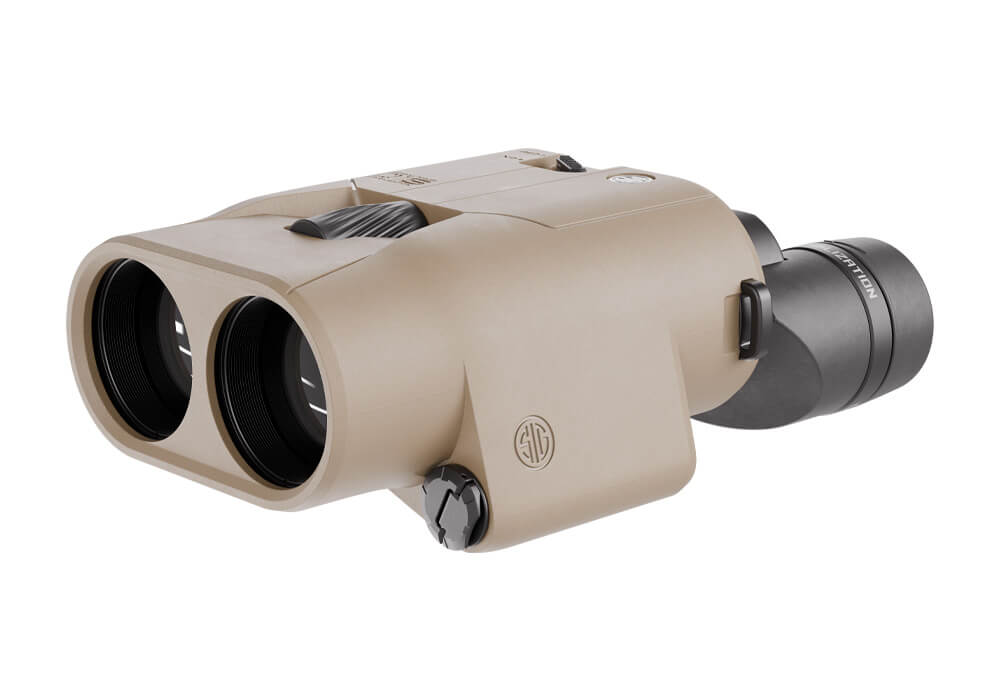
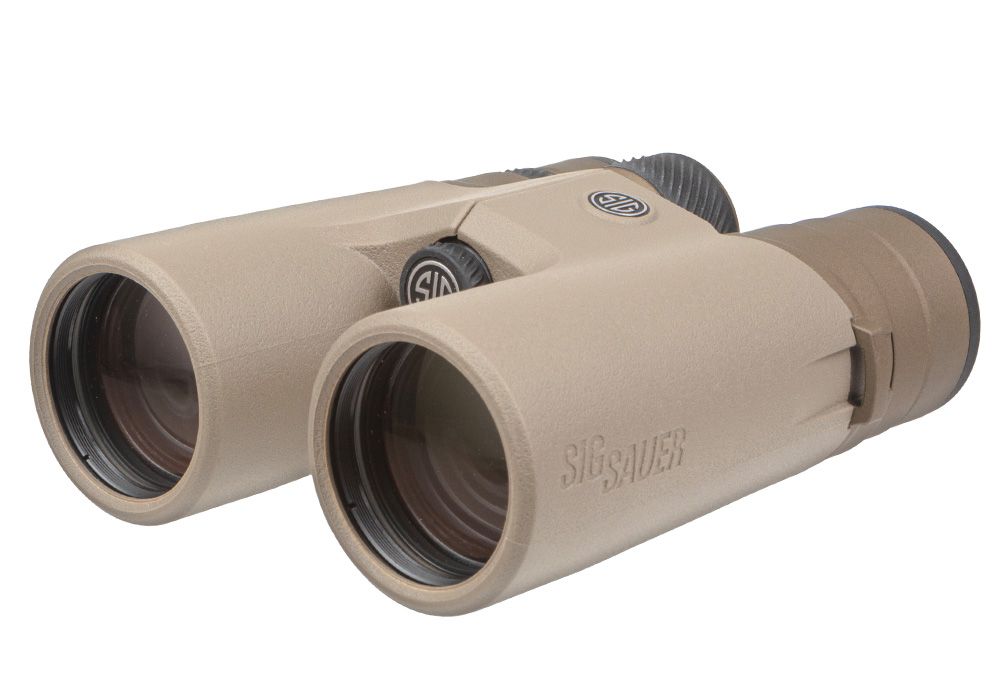
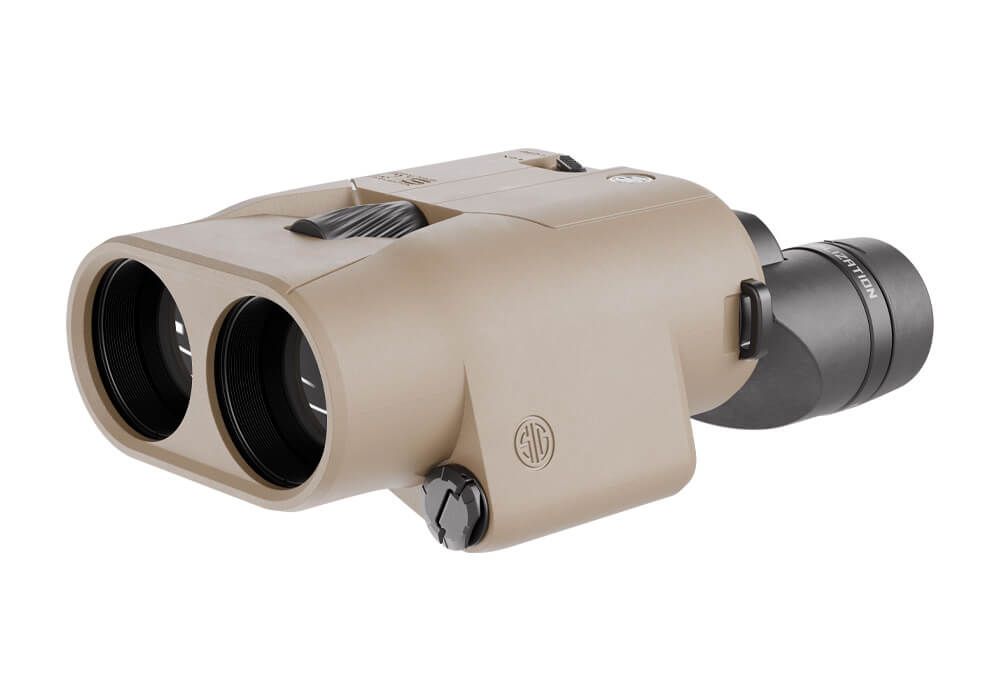
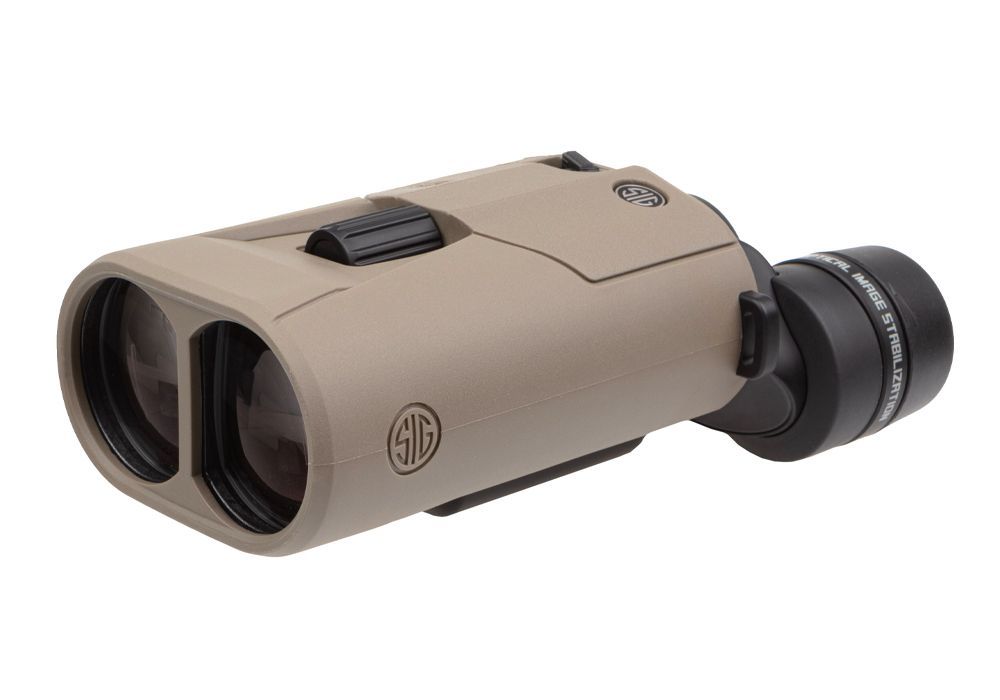
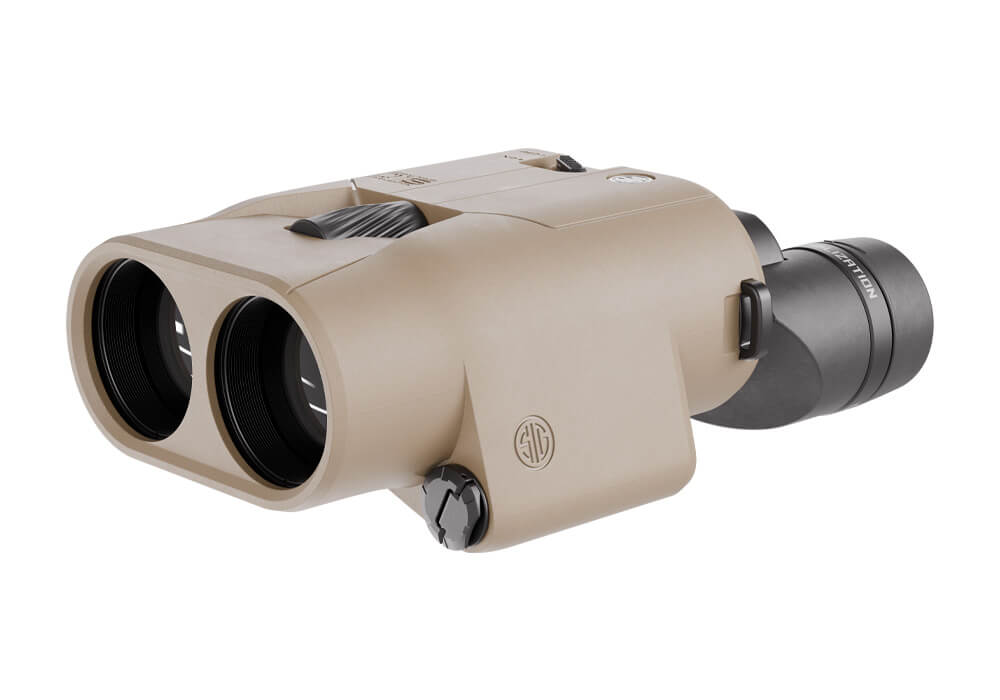
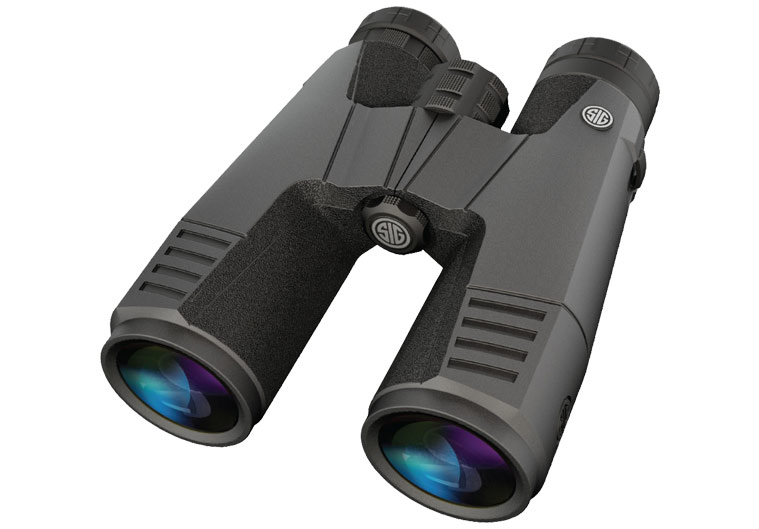
Binoculars for scouting bring distant terrain, wildlife, and trail features into clearer view, helping outdoor observers gather useful detail without moving closer. Scouting can mean surveying a hillside before a hike, studying animal activity along a woodland edge, or checking a route across open country. The term describes an intended use rather than one fixed binocular size: compact models suit light travel, while larger designs can offer a more comfortable view for extended observation. An 8x22 configuration pairs eight-times magnification with 22-millimeter objective lenses, creating a small format that is easy to carry and useful for daylight exploration. Designs with 32- or 42-millimeter objectives generally collect more light, although overall image quality also depends on optical coatings, glass quality, and construction. Eight-times magnification is a practical starting point for handheld scouting because it balances useful detail with manageable image movement. Ten-times magnification can reveal finer features at a distance, but hand movement becomes more noticeable, and the field of view is often narrower when comparing otherwise similar designs. A broad field of view helps when following a bird between branches or searching a hillside for movement; sharpness and contrast help distinguish an animal from the brush around it. Hunters assessing habitat, hikers identifying landmarks, birdwatchers observing behavior, and families exploring local trails can all benefit from those qualities. Compact binoculars are especially appealing when every piece of gear must earn its place in a pack, but the smallest housing is not automatically the best match for every observer. Someone who pauses briefly at trail junctions may value portability above all else, while someone watching a meadow from a fixed position may prefer larger objectives and a more forgiving viewing experience. The most useful scouting binoculars balance magnification, image clarity, carrying weight, and comfort with the distances and terrain where they will be used. A clear, steady view often contributes more to successful observation than extra magnification alone.
Fit and handling matter as much as the numbers printed on the housing. Binoculars should adjust to the distance between the observer’s eyes so the view resolves into one complete image rather than two overlapping circles. Adjustable eyecups help position the eyes correctly, while sufficient eye relief allows people wearing glasses to see more of the full field without pressing the lenses against their frames. A diopter adjustment can compensate for differences between the eyes, reducing the need to keep correcting focus during observation. A smoothly operating center-focus wheel is useful when attention moves from nearby branches to a distant ridgeline, and its placement should feel natural under the fingertips. For smaller hands, the width of the barrels and the reach to the focus wheel can be more important than low weight alone. Rubber armor adds grip and helps protect the exterior from everyday contact with pack hardware, rocks, and rough surfaces, though it does not replace careful handling. Depending on the design, binocular housings may use aluminum, magnesium alloy, or reinforced polymer to balance strength and weight. Roof-prism construction commonly produces a streamlined shape that packs neatly, while porro-prism designs typically have a wider profile; neither layout by itself guarantees superior optical performance. Lens coatings can reduce reflections and improve light transmission, and coating coverage is worth considering alongside magnification and objective size. Sealed construction can help limit moisture and dust intrusion, but water resistance varies by model and should be evaluated through the stated specifications. A secure neck strap or chest harness keeps binoculars accessible while leaving the hands free, and a harness can reduce swinging during a walk. For longer observation sessions, a supported position can ease arm fatigue and steady the view. Tripod compatibility may also be useful when sustained viewing is part of the intended use. These practical details influence how readily binoculars come out of the case and how comfortable they remain after several minutes of scanning.
In the field, scouting often involves recognizing small details within a much larger scene. A pale trail crossing a slope, fresh browsing along a brush line, or the outline of a perched bird can be easier to interpret through binoculars than with unaided vision. Viewing from a respectful distance also gives wildlife room to continue its normal behavior and reduces the temptation to leave established paths merely for a closer look. Binoculars complement a map and careful observation, but they do not replace checking footing, confirming access boundaries, or maintaining awareness of nearby people. They should never be directed toward the sun, and young observers benefit from adult supervision while learning to focus and carry them securely. For families, youth outdoor groups, and beginning naturalists, an easy-to-hold pair can turn a short walk into a closer study of nests, tree shapes, and distant landforms. Shared equipment works best when its adjustments accommodate different users without becoming difficult to operate. For outings that also include time at a campsite, binoculars for camping offer a related category for observing surrounding terrain and wildlife. Between outings, basic care helps preserve optical performance. Loose grit should be removed with a lens-safe blower or soft brush before the glass is wiped, since rubbing particles across a lens can scratch its surface or damage its coatings. A clean microfiber cloth and an optical cleaning solution suitable for the lenses are better choices than clothing or household cleaners. Lens covers and a protective case help keep dust away during transport, and binoculars should be dry before enclosed storage. Avoid leaving them loose beside hard gear that can strike the housing or glass. As a gift, scouting binoculars suit hikers, wildlife enthusiasts, and people developing an interest in outdoor observation, particularly when their size and controls match the recipient’s comfort. Thoughtful selection centers on something the observer will carry, adjust easily, and enjoy using often, whether watching one patch of woodland or surveying a broad stretch of open terrain.