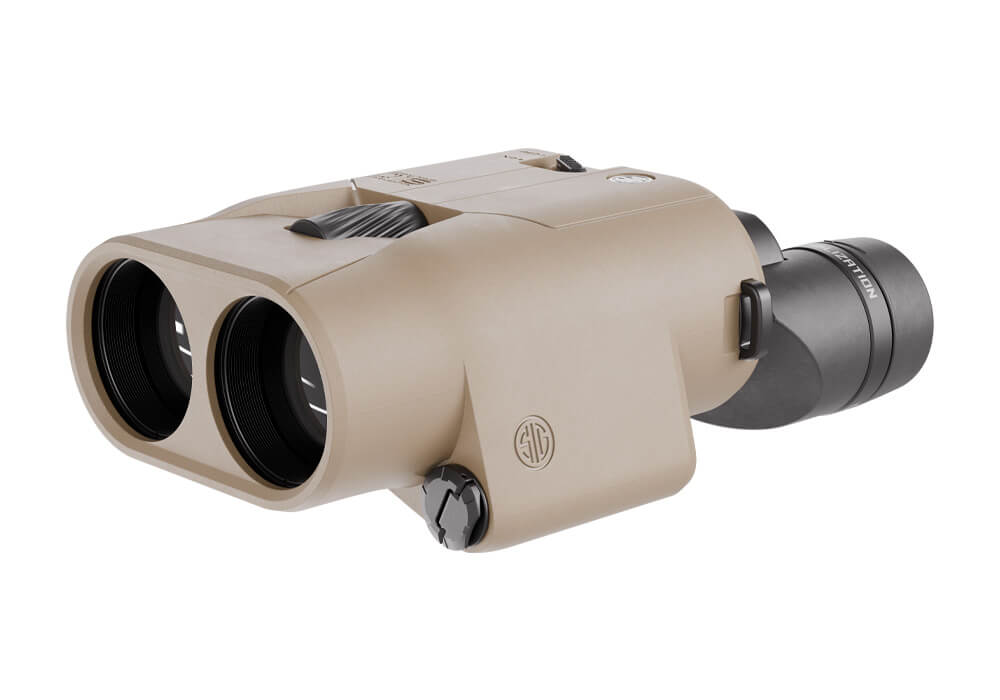
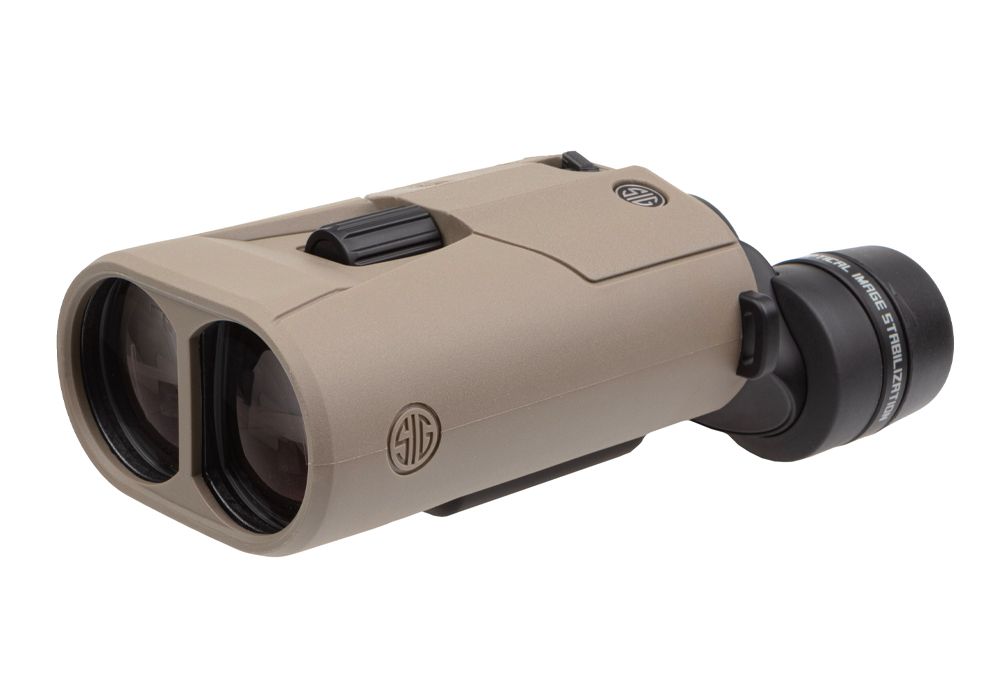
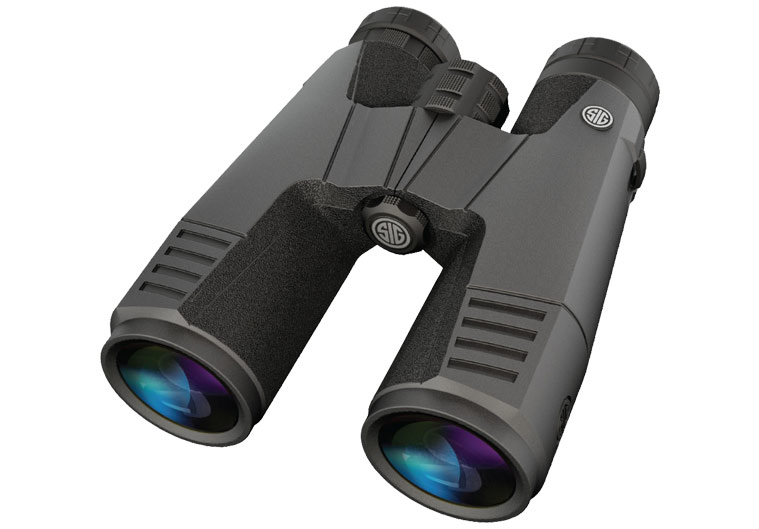
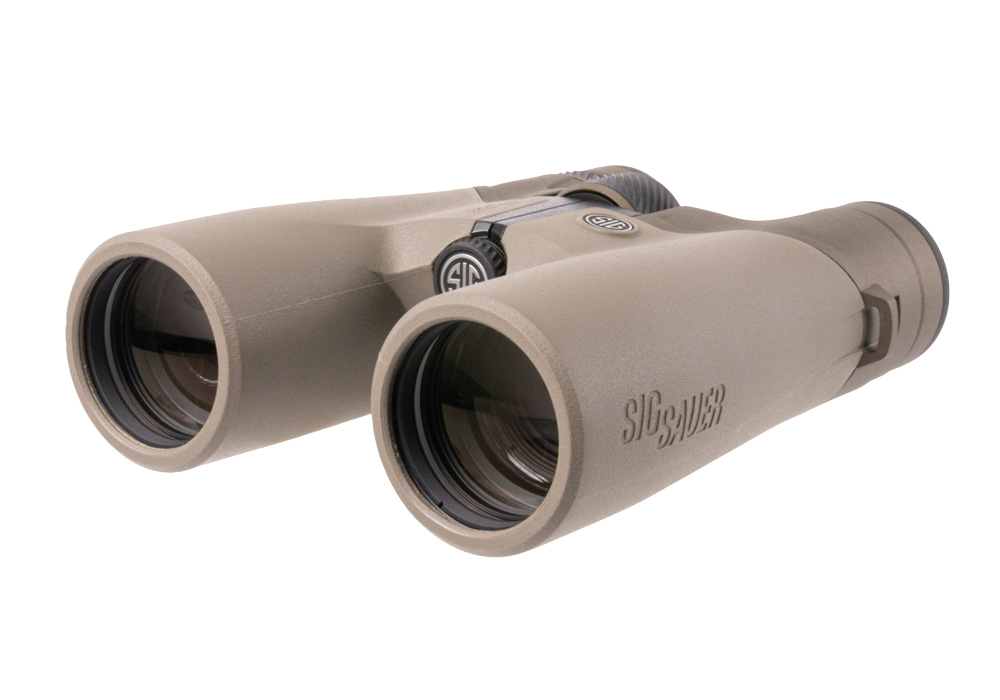
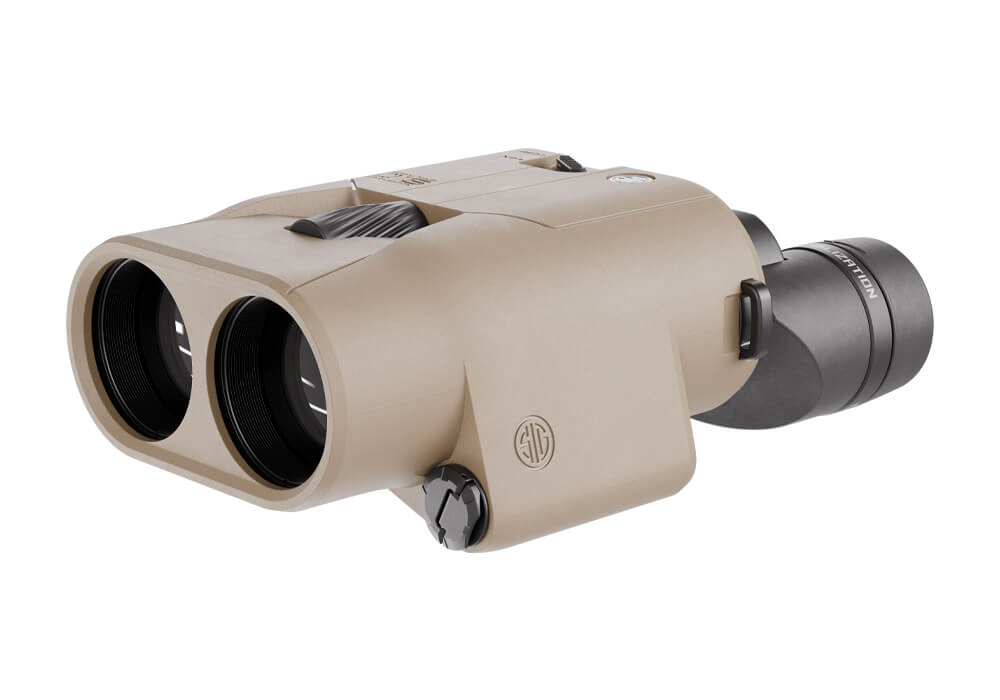
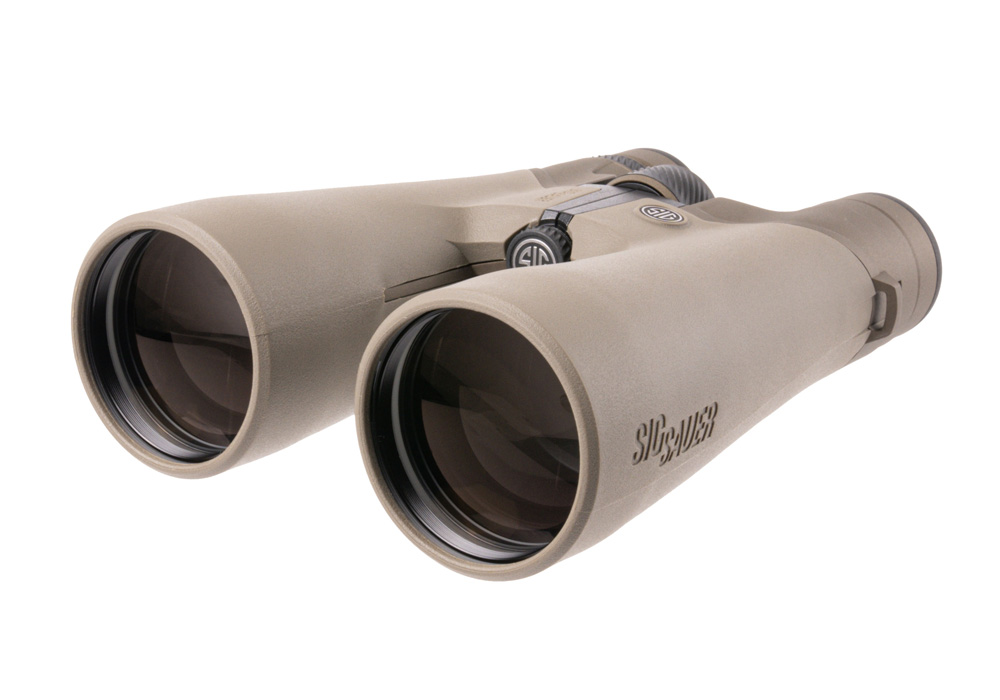
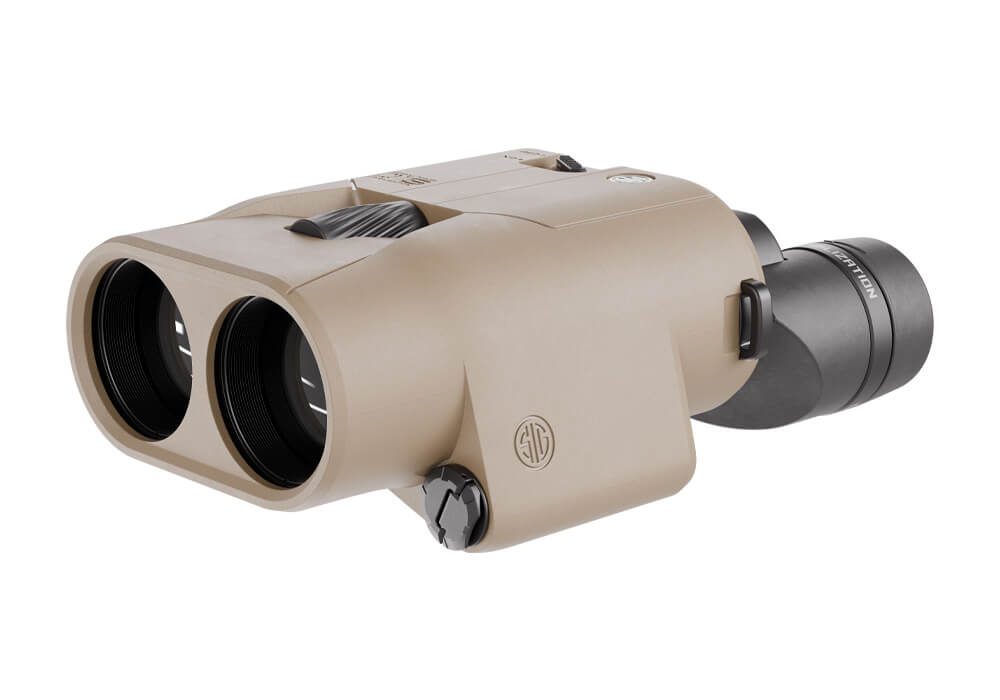
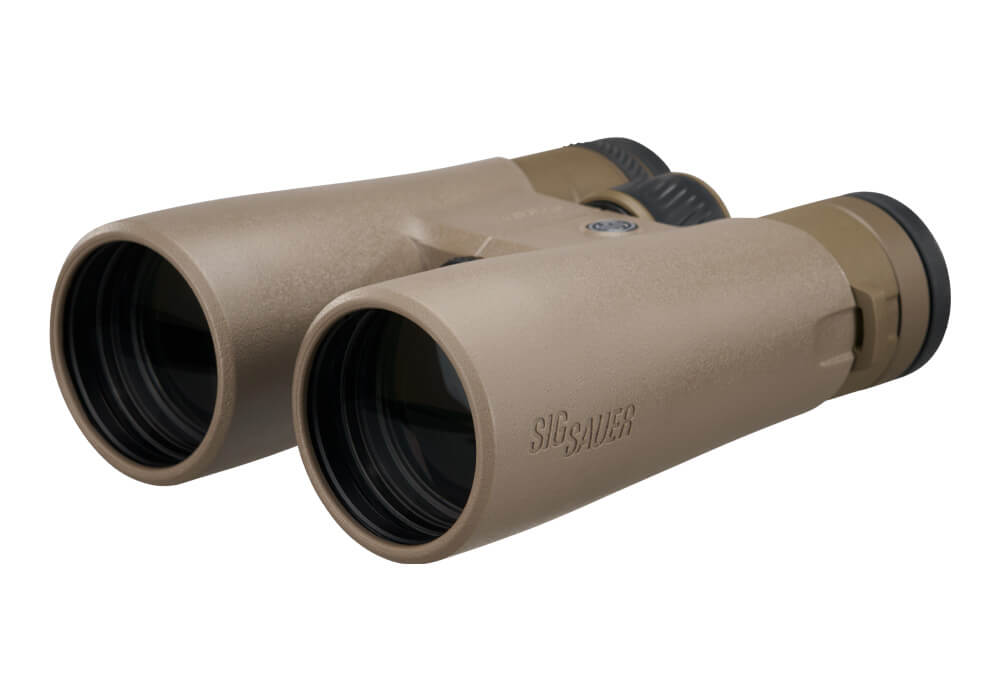
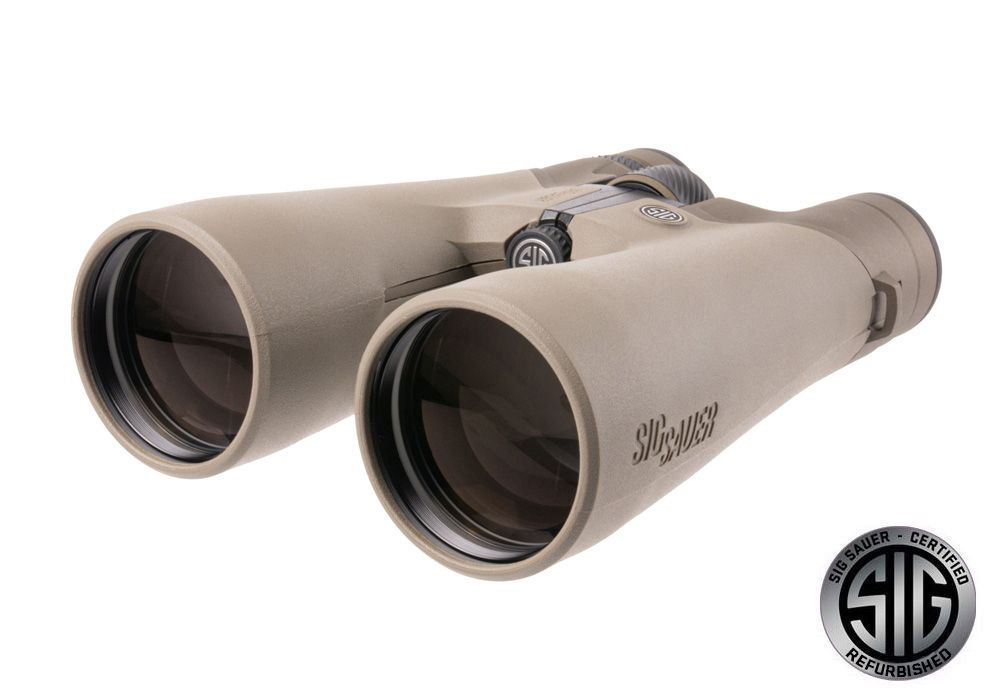
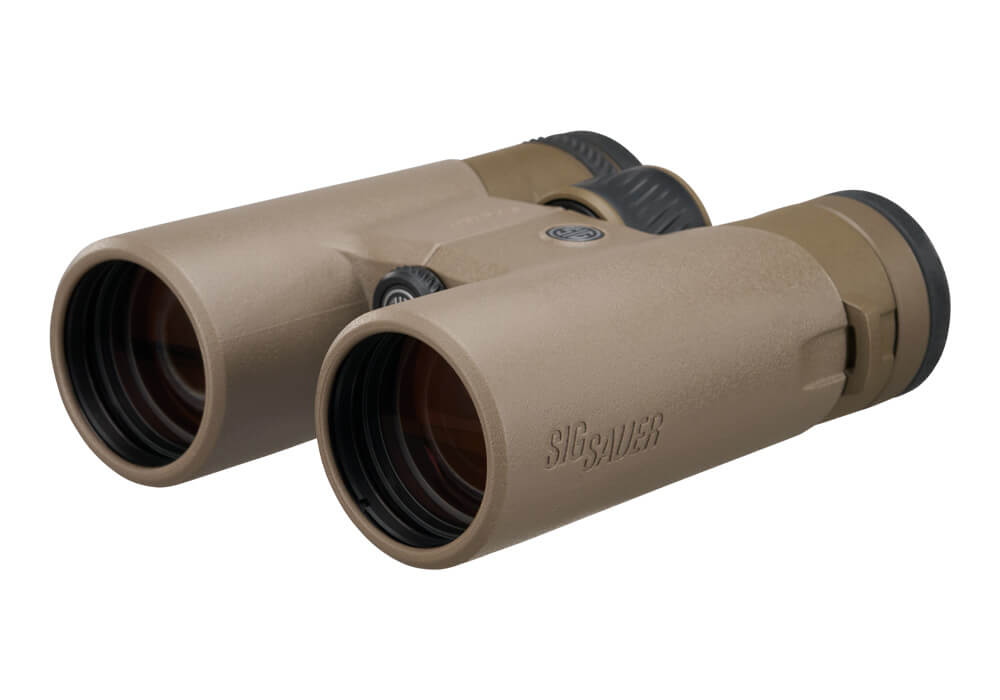
Binoculars for land management help turn a distant view into useful information about a property. From a pasture gate, a ridge above a timber stand, or the edge of a habitat restoration area, they bring fence lines, livestock, vegetation, and wildlife into clearer view without requiring a walk to every point of interest. A leaning post, an animal separated from the herd, or a bare section along a creek bank can signal where a closer inspection belongs on the day’s route. For landowners, ranch managers, foresters, and conservation crews, the most useful binoculars balance detail with comfortable, repeatable viewing. An 8x configuration is often a practical starting point for mixed terrain because moderate magnification is easier to hold steady and commonly provides a broader field of view than comparable higher-power designs. That wider view helps when following an animal through brush or checking a long stretch of fence. A 10x configuration gives a larger image of distant subjects, which can be valuable across broad pastures, clearings, and valleys, although hand movement becomes more noticeable. Objective lens diameter also affects the balance between viewing performance and carrying weight. An 8x42 configuration combines eight-power magnification with 42 mm objective lenses; a 10x42 configuration offers more magnification with the same lens diameter. Larger 50 mm objectives can support viewing in dim light, but usually add bulk and weight. Exit pupil provides another useful comparison: objective diameter divided by magnification gives an exit pupil of 5.25 mm for 8x42 binoculars, 4.2 mm for 10x42 binoculars, and 5 mm for 10x50 binoculars. A larger exit pupil can make eye placement more forgiving and help in shaded timber, though perceived brightness also depends on optical quality and the viewer’s pupils. The best balance follows the work: scanning woodland edges favors a broad, steady view, while examining distant livestock or tree crowns may favor additional magnification. Published field-of-view measurements help distinguish designs with otherwise similar specifications.
Optical clarity matters as much as the numbers printed on the housing. Good contrast helps separate a dark animal from surrounding brush, while effective lens coatings support light transmission and reduce distracting reflections. Color fidelity is useful when comparing vegetation across a slope or noticing differences in foliage that deserve an on-site assessment. Optical designs that limit color fringing can make branches, fence wire, and other high-contrast edges easier to examine. Binoculars cannot replace a close inspection for plant identification, tree health assessment, or maintenance decisions, but a clear image helps narrow the area that needs attention. Comfortable fit is equally important, especially when observations involve several minutes of scanning rather than a quick glance. Adjustable eyecups help position the eyes at the correct distance from the lenses, and sufficient eye relief allows many eyeglass wearers to see the full image without removing their glasses. Interpupillary adjustment brings the two barrels into alignment with the viewer’s eyes, producing a single circular view rather than overlapping images. A diopter adjustment compensates for differences between the eyes, allowing the central focus control to work efficiently afterward. The focus wheel should be easy to reach and turn smoothly when shifting between a nearby gate and a distant tree line. Housing materials such as aluminum, magnesium, or reinforced polymers influence weight, rigidity, and handling, while rubber armor provides grip and a protective outer surface. Sealed construction, waterproof ratings, and internal fog resistance are worth comparing for equipment carried between a vehicle, a pack, and active work sites. Those features have specific limits, so the stated rating and care requirements matter more than broad durability language. Compact dimensions can make binoculars easier to keep close at hand, but a slightly larger body may offer a more comfortable grip for longer viewing sessions. Balance, strap attachment points, and compatibility with a supportive harness all affect how comfortably binoculars fit into a working day.
The practical value of field binoculars often comes from small details in use and care. A harness can distribute weight across the shoulders and keep the binoculars from swinging into a gate or tool handle, while a protective case helps separate the lenses from dust and loose equipment during transport. Lens covers are useful when the binoculars ride beside fencing supplies or travel in a work pack. Cleaning should begin by removing loose grit with an appropriate blower or soft lens brush; rubbing a dusty lens can scratch its surface or damage coatings. A clean optical cloth and a suitable lens-cleaning solution can address fingerprints afterward, following the equipment’s care instructions. Keeping the lenses clear preserves the contrast needed to distinguish details against complicated backgrounds. For repeated observations from a fixed point, tripod compatibility can be helpful, particularly at higher magnification or when several people need to examine the same feature. Rangefinding binoculars combine observation with distance measurement and can help estimate the distance to a visible landmark or plan a follow-up inspection. They do not establish legal property boundaries or replace surveying equipment, and their useful measurement range depends on the target and operating conditions. A distant observation also should not be treated as a complete assessment of a structure, animal, or habitat concern; binoculars are most effective as part of a routine that includes closer checks and reliable records. Many of the same viewing qualities sought in Binoculars For Scouting suit land management, especially when the work involves reading terrain and watching wildlife without approaching it. For a rancher, woodland owner, habitat volunteer, or family member responsible for rural acreage, binoculars can also be a thoughtful gift that supports an established interest. Comfortable fit and the recipient’s usual terrain matter more than selecting the highest magnification. A pair that is easy to carry, quick to focus, and comfortable to view through is more likely to accompany ordinary property rounds, where consistent observation helps reveal changes that might otherwise go unnoticed.