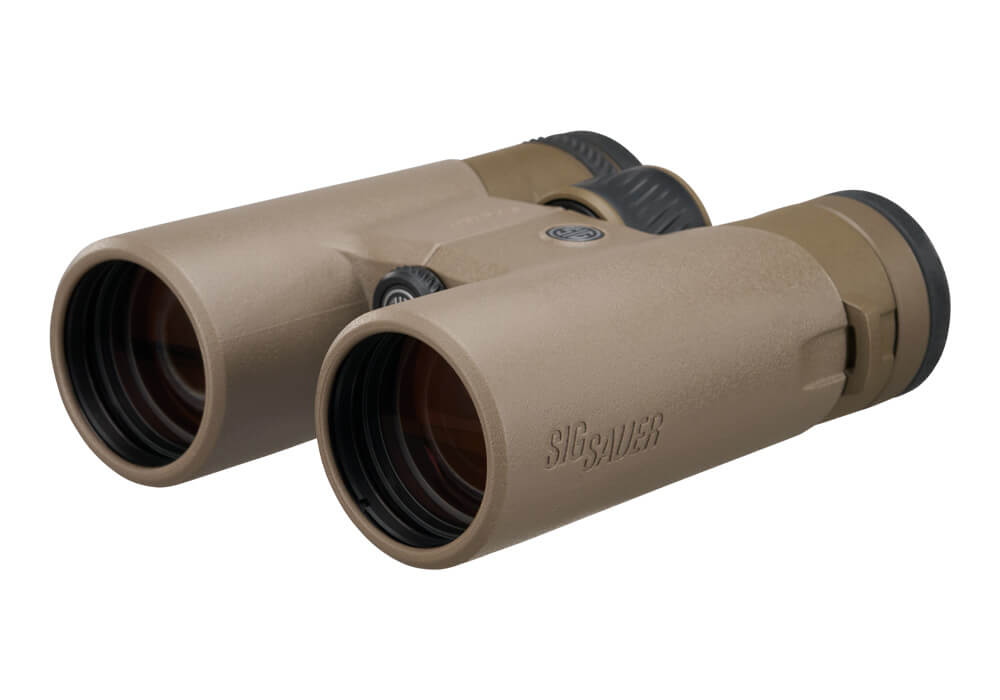
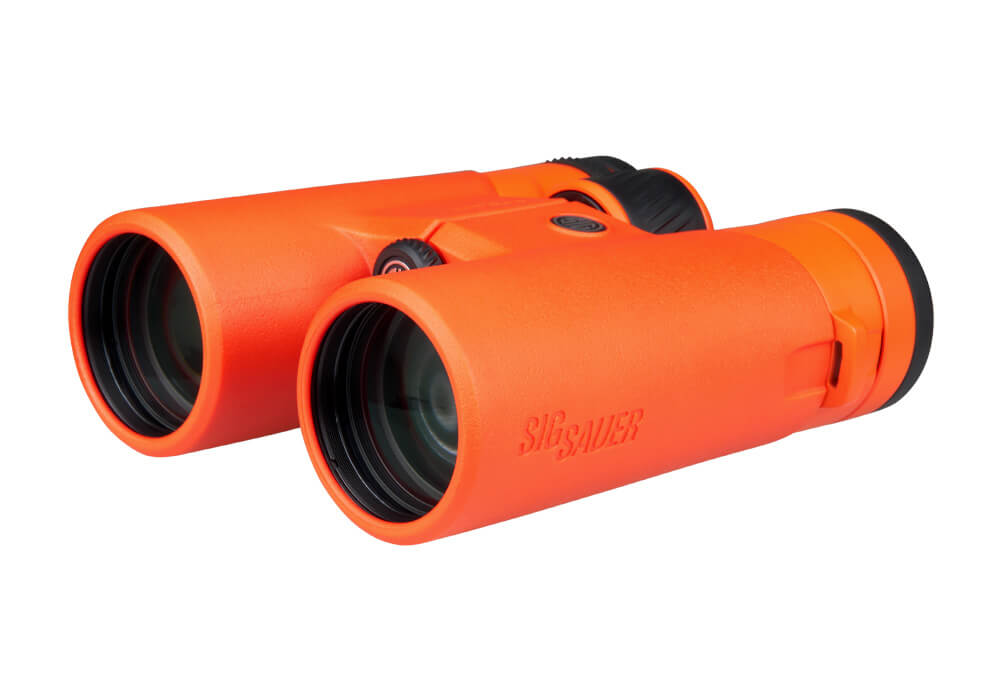
Binoculars bring distant detail into focus for birding, hunting, hiking, and everyday observation. Optical clarity, comfortable handling, and durable construction all matter, and the strongest magnification is not always the most useful choice. High-definition glass and well-executed lens coatings can improve contrast, preserve natural-looking color, and help separate a subject from its background. Extra-low-dispersion glass can reduce the colored fringes sometimes visible along sharp edges, such as a dark branch against a bright sky. Fully multicoated optics use multiple coating layers on all air-to-glass lens surfaces to reduce reflections and support light transmission. These qualities become especially noticeable when identifying feather markings, studying an animal partly concealed by brush, or examining a shaded hillside. Magnification and objective lens diameter work together to shape the viewing experience. In an 8x42 configuration, the first number indicates eight-power magnification, while the second describes the objective lens diameter in millimeters. An 8x view generally feels steadier in the hands and often provides a wider field of view than a comparable 10x design, making it easier to follow a moving bird or scan a wooded edge. A 10x view brings distant subjects closer but also makes hand movement more apparent. Larger objective lenses can support a brighter image in dim light, although they also tend to increase size and weight. The useful balance depends on how the binoculars will be carried and where observation happens. A compact pair can suit a daypack or a seat at an outdoor event, while a larger configuration may feel more comfortable during extended observation from a fixed position. Field of view, close-focus distance, and edge-to-edge sharpness add further context beyond the numbers printed on the housing. A broad view helps locate subjects quickly, while a shorter close-focus distance is valuable for watching butterflies, nearby songbirds, or details along a trail. Together, these characteristics determine whether the view feels easy to use rather than simply enlarged.
Comfort becomes just as important as image quality when binoculars stay in use for more than a few minutes. A balanced housing, secure grip, and smoothly operating focus wheel help keep attention on the subject instead of the equipment. Roof-prism designs typically have a straight, streamlined shape that fits neatly against the chest or inside a pack. Porro-prism designs generally have offset barrels and a wider profile; each layout can provide satisfying performance when its optical components and construction are well executed. Housing materials influence weight and handling, with aluminum, magnesium alloy, and reinforced polymers each offering different combinations of rigidity and portability. Protective rubber armor adds grip and helps shield the exterior from routine bumps and abrasion, but it does not make the instrument immune to damage. Sealed construction and a clearly stated water-resistance rating provide more useful information about protection than appearance alone. Fit begins with interpupillary adjustment: the barrels should move far enough together or apart for both eyes to see one comfortable, circular image. Twist-up eyecups help establish the correct viewing distance, while adequate eye relief is especially important for people who wear glasses. Without enough eye relief, the edges of the image may be difficult to see even when the center looks sharp. A diopter adjustment compensates for differences between the eyes, allowing the central focus wheel to bring the view into focus after that initial setup. Focus-wheel placement and resistance also deserve attention. A wheel that turns smoothly without feeling loose makes small corrections easier when a bird moves between branches or an animal steps from open ground into cover. Strap attachment points, lens covers, and compatibility with a harness affect everyday convenience, particularly during a long walk. A supportive harness can distribute weight across the shoulders and torso, keeping binoculars accessible without leaving them to swing freely. For stationary viewing, tripod compatibility can help stabilize the image and reduce arm fatigue, especially at higher magnification or during prolonged observation.
The most useful binoculars are the ones that suit a person’s actual routine. A birder may value a wide field of view and quick focusing above extra magnification, while a hunter studying a distant clearing may place greater emphasis on contrast, detail, and steady support. Hikers often appreciate manageable weight and a shape that fits easily into a pack pocket, and spectators benefit from a view wide enough to follow movement without constantly searching for the subject. Binoculars also complement the field equipment in the Hunting Optics Under $500 collection, particularly for hunters who spend long stretches observing terrain and animal movement. In any setting, good optics support patient observation: the flick of a tail beside a tree trunk, the outline of a bird’s bill, or the distinction between a distant landmark and its surroundings. Care helps preserve that detail over years of use. Loose dust and grit should be removed with an appropriate blower or soft optical brush before a lens cloth touches the glass. Rubbing particles across the surface can scratch coatings, even when the cloth itself feels soft. A clean microfiber lens cloth and an optical cleaning solution approved for the lenses are preferable to clothing, paper towels, or household cleaners. Lens caps and a protective case help limit contact with dirt during transport, while secure storage keeps the binoculars from knocking against other equipment. Inspection of the strap, eyecups, hinge, and lens covers can reveal small problems before they interfere with an outing. Binoculars can also be a thoughtful gift for a wildlife enthusiast, a frequent hiker, a hunter, or someone who enjoys watching birds from a porch. Comfortable fit and straightforward controls often matter more to a new user than a long list of technical features. For an experienced observer, the right balance of optical performance, handling, and portability can make familiar places more rewarding to explore.