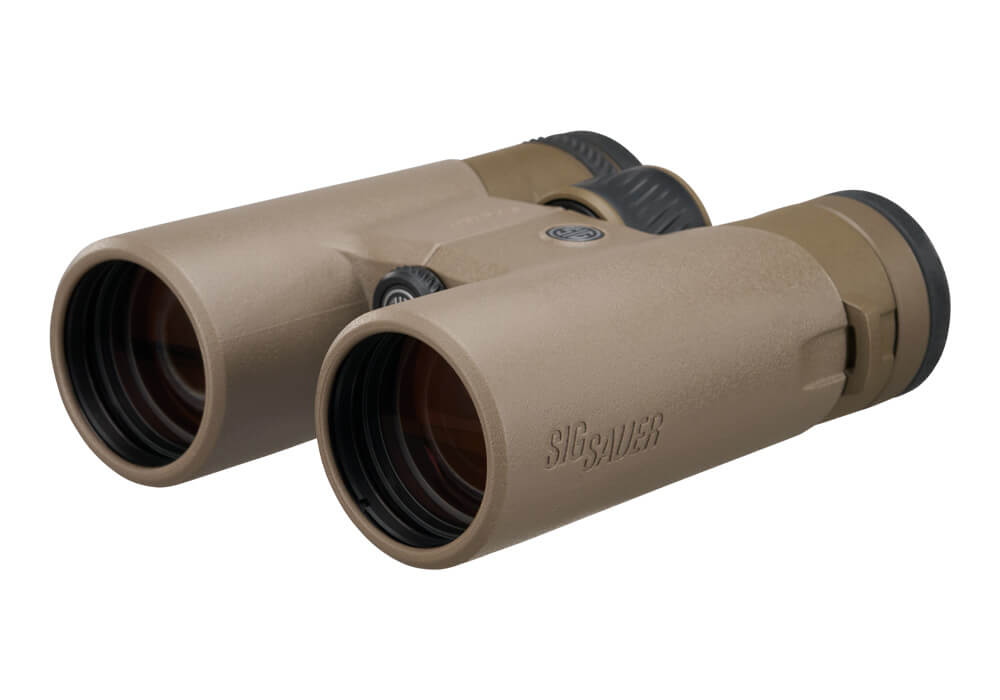
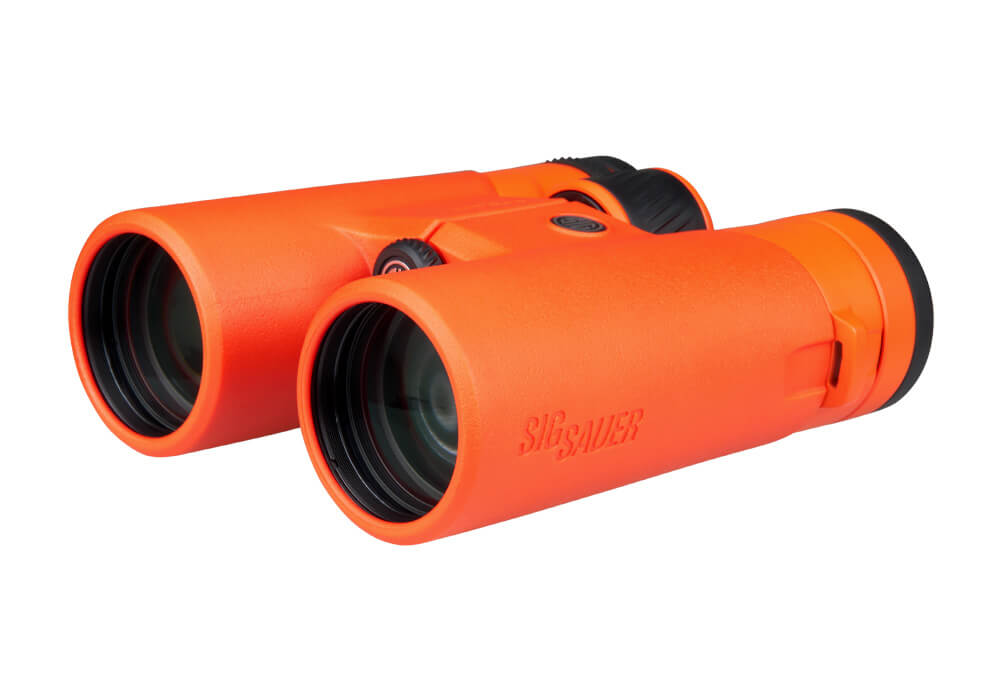
Low-light binoculars combine effective light transmission, useful magnification, and comfortable handling to reveal detail at dawn, dusk, or beneath a dense tree canopy. Larger objective lenses, often 50mm to 56mm, can help support a bright view, but lens diameter alone does not determine performance. Optical coatings, prism design, contrast, and the relationship between magnification and objective size all influence how clearly a bird’s markings or an animal’s outline stand apart from a dark background. An 8x56 configuration produces a 7mm exit pupil, while 10x50 binoculars produce a 5mm exit pupil. That measurement describes the diameter of the light beam leaving each eyepiece; a larger exit pupil can support comfortable viewing in dim conditions when the observer’s pupils are sufficiently open. Individual eyesight matters, and an exit pupil larger than the eye can accept does not provide additional perceived brightness. For someone watching birds along a shaded trail, 8x42 binoculars may offer a practical balance of brightness, weight, and portability. For longer observations across open ground, larger objectives may be worth the additional size. Lower magnification generally makes handheld movement less noticeable, while higher magnification reveals finer distant detail but demands steadier support. A fence rail, supported elbow position, or compatible tripod adapter can help stabilize the image during an extended look. Field of view matters as well: a wider view makes it easier to locate a moving subject and follow its path without repeatedly searching through the eyepieces. These are conventional optical instruments rather than night-vision devices. They use available light and cannot reveal a scene in complete darkness. Their value becomes apparent when enough light remains to observe, but unaided vision struggles to separate small details. Clean contrast and a steady image can be more useful than greater magnification alone, especially when a subject blends into branches, brush, or the shadowed edge of a clearing. The strongest match depends on where the binoculars will travel and how long each viewing session is likely to last.
Optical construction helps explain why two binoculars with identical magnification and objective measurements can deliver different viewing experiences. Fully multi-coated lenses use multiple antireflective layers on air-to-glass surfaces to reduce reflected light and improve transmission through the optical system. In roof-prism designs, phase-correction coatings help preserve resolution and contrast, while reflective prism coatings also influence the amount of light reaching the eye. Extra-low dispersion glass can reduce color fringing around high-contrast edges, such as a pale bird against dark foliage, though that designation alone does not establish overall optical quality. Good internal light control also helps limit stray reflections that can wash out a dim scene. A sharp central image, manageable glare, and natural color are useful qualities for observing fine feather patterns or distinguishing overlapping branches. The body surrounding those optics deserves equal attention. Aluminum, magnesium, and reinforced polymer housings each offer different balances of rigidity and weight, while rubber armor improves grip and helps protect exterior surfaces from routine bumps. Armor does not replace careful handling, and waterproof construction depends on the instrument’s sealing and stated protection rating. Gas purging can help resist internal fogging, but exterior lenses can still require attention. Fit is just as important as construction during prolonged viewing. The hinge should adjust to the distance between the user’s eyes so the view resolves into one comfortable circle rather than two overlapping images. Adjustable eyecups help position the eyes at the correct distance from the lenses, and sufficient eye relief is especially important for people wearing glasses. A diopter adjustment accommodates differences between the eyes; once set, the main focus wheel handles changes in subject distance. A smooth, accessible focus wheel is particularly helpful when a nearby bird moves from a branch to the edge of a clearing. Balanced weight and a secure grip make it easier to maintain that view without repeatedly repositioning the binoculars. Specifications describe the design, but these small handling details shape how naturally it works in the field.
Low-light binoculars suit birders, wildlife watchers, hunters observing distant terrain, and anyone who enjoys studying a landscape as direct light fades. They can also serve casual astronomy, where a broad view helps frame star fields and larger celestial subjects, although handheld binoculars are not a substitute for a telescope when substantial magnification is needed. Intended use helps determine which tradeoffs feel worthwhile. A person walking several miles may appreciate a lighter instrument that stays comfortable on a harness, while someone observing from a fixed position may favor larger objectives and supported viewing. Close-focus distance deserves attention for butterflies or nearby birds, while a generous field of view benefits subjects that move unpredictably. For a gift recipient, compatibility with glasses, manageable weight, and straightforward adjustments often matter more than an impressive specification on its own. A padded strap or properly fitted harness can distribute weight, and a protective case keeps grit away from exposed surfaces during transport. Lens covers help prevent unnecessary contact with the glass when viewing pauses. Care should begin with a blower or soft optical brush to remove loose particles before using a clean lens cloth and a cleaning solution approved for coated optics. Rubbing dust across a lens can damage its surface, and clothing is a poor substitute for dedicated cleaning materials. Fingerprints are best addressed promptly and gently, without excessive pressure or unnecessary wiping. After use, binoculars should be clean and dry before being enclosed for storage, with the manufacturer’s care directions guiding any additional maintenance. Avoiding prolonged exposure to direct sunlight inside a vehicle also helps protect the instrument and its accessories. When comparing the broader Binoculars Under $2,000 category, the same practical considerations remain useful: contrast, comfortable eye placement, steady handling, and construction suited to the intended activity. The right combination makes observation feel less demanding, whether the goal is identifying a distant silhouette or lingering over the subtle markings of a bird resting in deep shade.