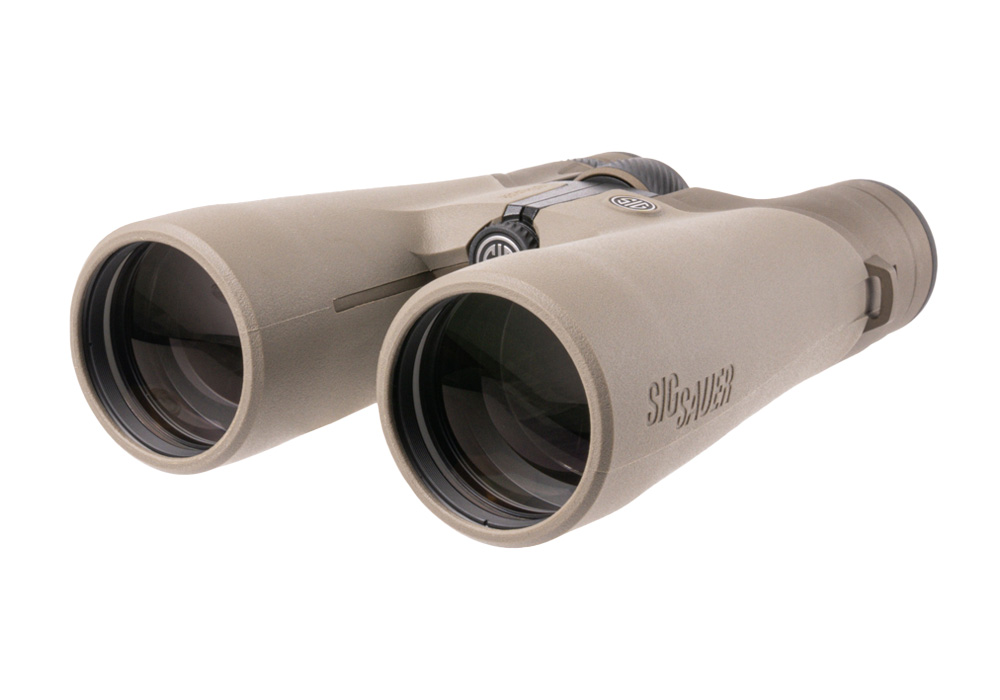
Binoculars Under $2,000

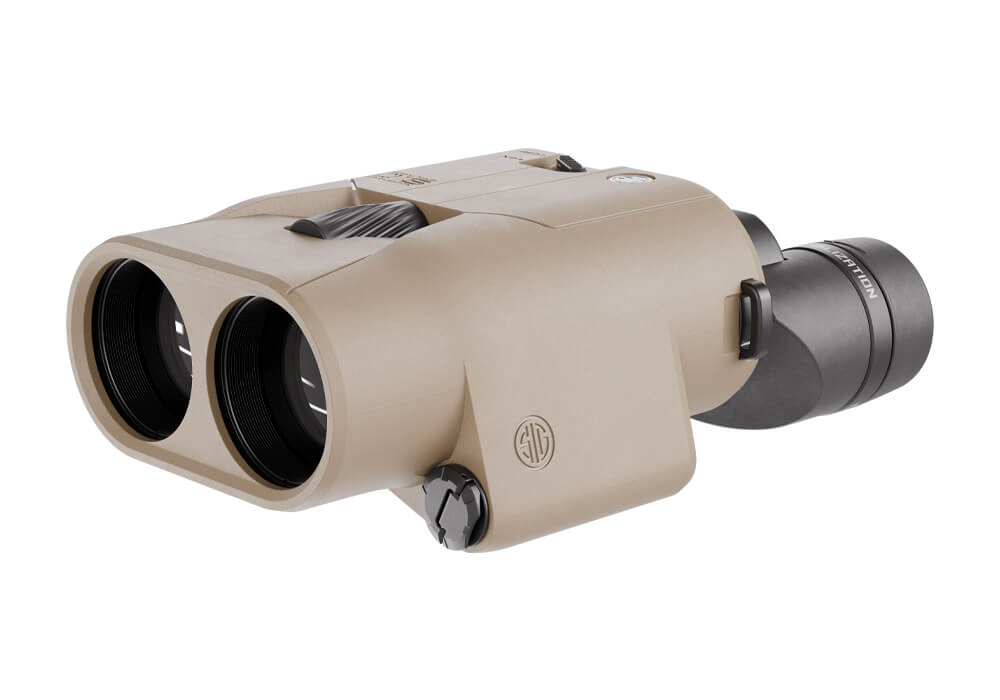
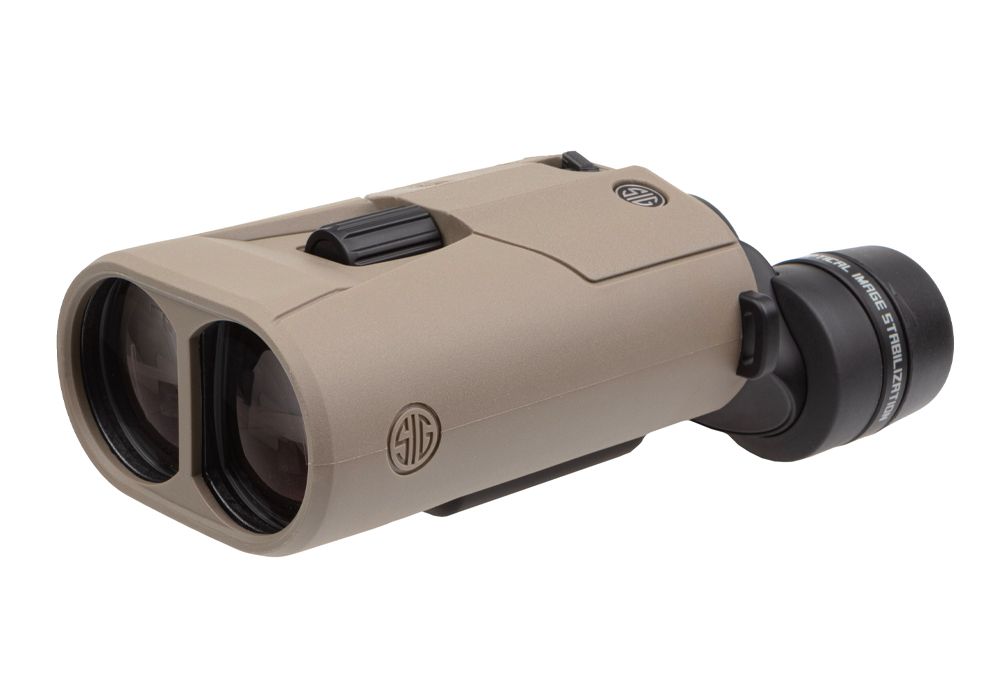
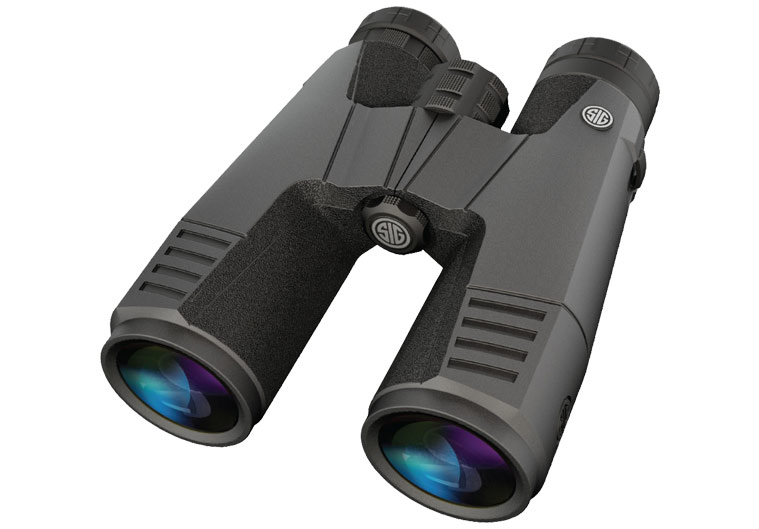
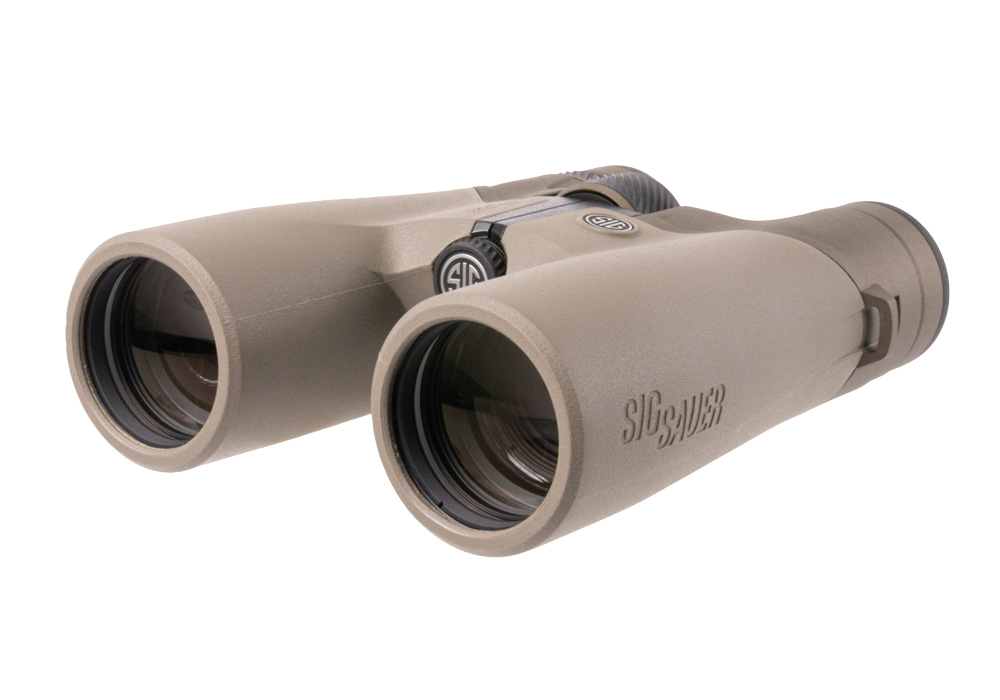
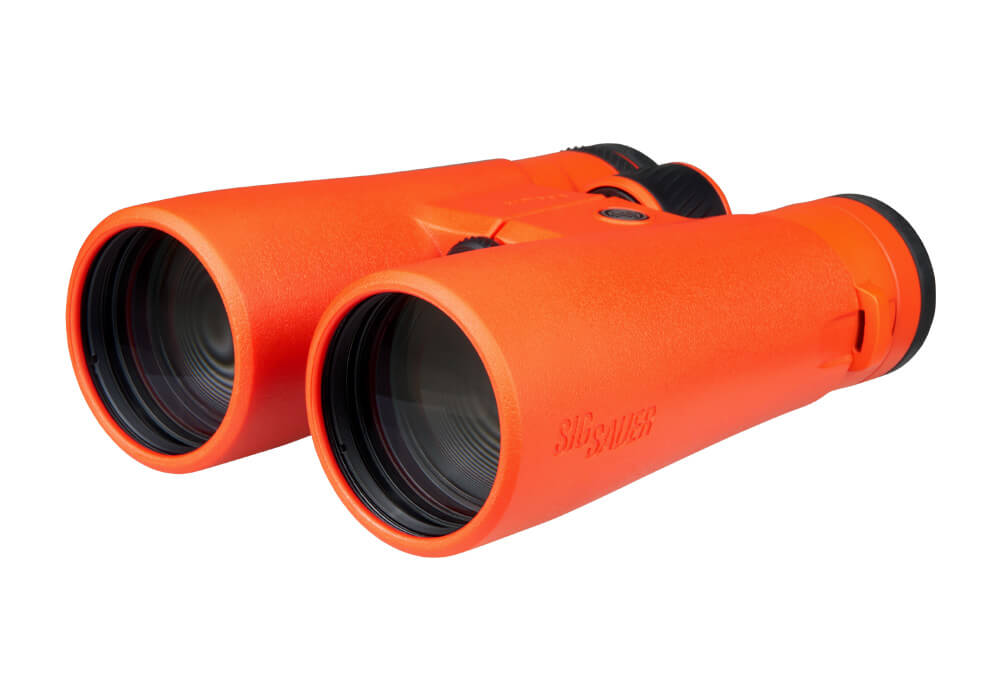
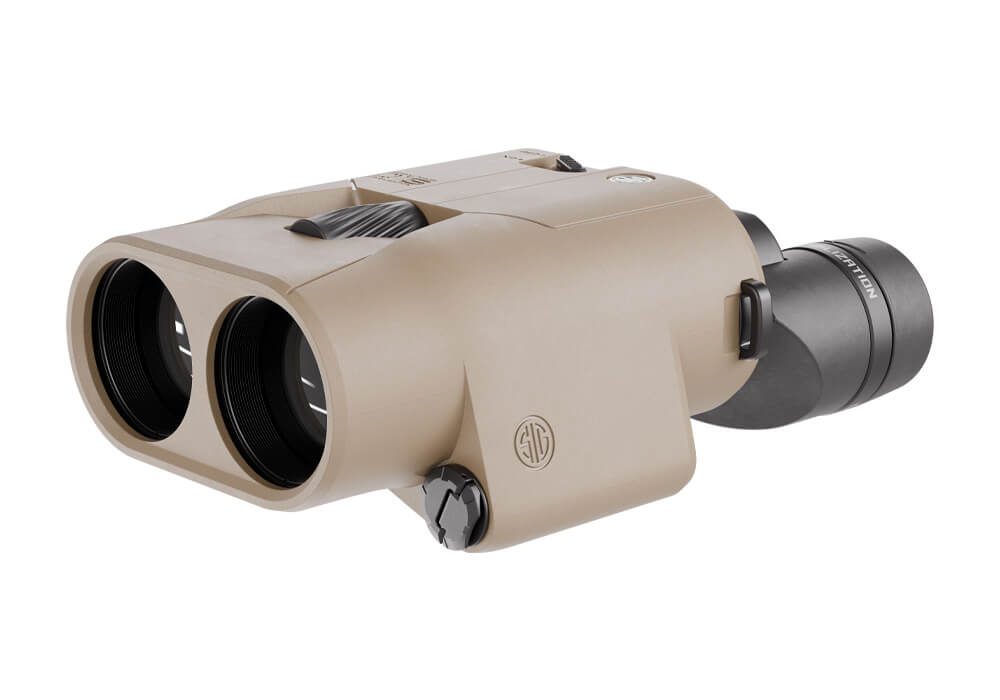
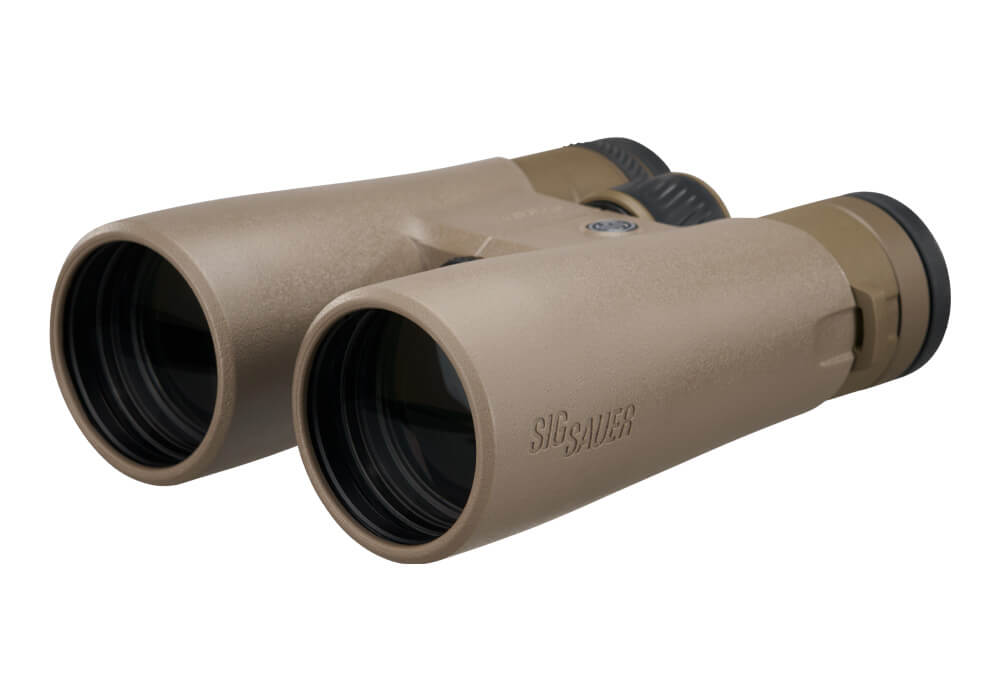
Find the detail that matters with SIG SAUER binoculars under $2,000. Compare HDX glass, image-stabilized viewing, and integrated laser ranging to match your optics to the terrain. From versatile 10x models to powerful glass for distant observation, explore binoculars built for demanding days afield, including certified-refurbished options where available.

per page
Binoculars bring distant detail into a natural, two-eye view for birdwatching, hunting, wildlife observation, and outdoor exploration. The most useful combination of features includes sharp resolution, effective light transmission, accurate color, and comfortable handling rather than magnification alone. A clear image can reveal the pale stripe above a bird’s eye, separate antler tips from overlapping branches, or show the texture of an animal’s coat against tangled brush. Optical quality depends on the entire system: glass, lens coatings, prisms, alignment, and focusing precision all contribute to the view. Extra-low-dispersion glass can help control color fringing along high-contrast edges, while antireflective coatings reduce unwanted reflections as light passes through the lenses. Contrast matters just as much as apparent brightness when a subject blends into its surroundings. Magnification and objective lens diameter, commonly expressed as a pair of numbers, describe two important characteristics without telling the whole story. An 8x binocular enlarges the apparent size of a subject eight times; a 10x binocular provides greater image scale but also makes hand movement more noticeable. Larger objective lenses can support a larger exit pupil at the same magnification, although lens diameter alone does not guarantee a brighter or sharper image. Field of view determines how much of the scene remains visible from side to side. A generous field helps a birder follow a hawk crossing a ridgeline or a hunter scan a broad opening without constantly repositioning the binoculars. Close-focus distance is another useful distinction, especially for observing butterflies, nearby songbirds, or fine details along a trail. Edge clarity, depth of field, and the ease of moving between near and distant subjects also shape the viewing experience. Together, these characteristics help distinguish binoculars suited to deliberate observation from those that feel especially responsive when subjects move quickly. Balanced optical performance allows fine detail to remain useful rather than simply appearing larger.

Comfort and fit become increasingly important when binoculars spend more time at eye level than inside a pack. Interpupillary adjustment brings the two optical barrels into alignment with the viewer’s eyes, creating a single circular image instead of overlapping views. Adjustable eyecups establish the distance between the eyes and the eyepieces, while adequate eye relief helps eyeglass wearers see the full field without pressing their lenses against the binoculars. The right position should feel relaxed, with a clear view that does not require constant searching for the correct angle. A diopter adjustment accommodates differences between the eyes, leaving the central focus wheel to handle changes in viewing distance. Smooth, predictable focusing is particularly valuable when a bird moves from a nearby branch to the far side of a clearing. Focus-wheel placement, hinge tension, barrel shape, and surface texture all affect how naturally the binoculars sit in the hands. Compact roof-prism layouts often appeal to people who want a streamlined shape for a chest harness or daypack, while other configurations offer different handling characteristics. Housing materials such as magnesium alloy, aluminum, and reinforced composites influence weight, rigidity, and balance. Rubber armor adds grip and helps protect exterior surfaces from everyday scuffs and minor knocks, but it is not a substitute for careful handling. Sealing and any stated water-resistance ratings deserve attention as separate construction details rather than assumptions based on appearance. Carrying comfort also depends on the complete setup: a broad neck strap distributes weight differently from a harness, and a protective case helps keep lenses and controls away from loose equipment. For extended observation from a fixed position, tripod compatibility can be valuable when the binoculars support an appropriate adapter. A stable mount reduces visible movement and makes it easier to compare small details across a distant scene. The best physical fit supports an easy rhythm of lifting, focusing, observing, and returning the binoculars to a secure carrying position without unnecessary adjustments.

Intended use gives these features practical meaning. A birdwatcher may value quick focus and a wide view for following movement through branches, while someone watching wildlife across open terrain may place greater emphasis on image scale and support for prolonged viewing. Hunters often benefit from a balance of detail, manageable weight, and controls that are easy to operate without looking away from a subject. Binoculars can also be a thoughtful gift for a hiker, nature photographer, conservation volunteer, or family member who enjoys watching birds from a porch. For a gift, the recipient’s eyeglasses, carrying preferences, and typical activities provide more useful direction than magnification alone. Rangefinding binoculars add distance measurement to the viewing experience, reducing the need to switch between separate optical devices. The related Rangefinding Binoculars Under $1000 collection focuses on this integrated format. Depending on the design, features may include selectable measurement units, adjustable display brightness, or angle-related information. Published ranging distances should be read alongside the stated target type, since a highly reflective surface and an animal do not necessarily produce comparable results. Optical comfort remains important even when electronic functions are part of the package. Thoughtful care helps preserve both the view and the equipment: remove loose grit with an appropriate blower or soft brush before using a lens-safe cleaning method, and avoid wiping dusty glass with a sleeve or ordinary tissue. Lens caps protect exposed surfaces between uses, while a clean case limits contact with abrasive debris during transport. Binoculars should be dry before storage, with straps, attachment points, and accessible hardware checked periodically for wear. Electronic models also require attention to battery guidance and any storage recommendations supplied with the device. Whether carried for a short walk or used for hours of careful observation, binoculars reward a combination of sound optics, comfortable fit, durable construction, and consistent care. Those qualities make distant subjects easier to study and the time spent watching them more satisfying.

FAQ

Related Pages

Compare Products
Items
Launch Compare

Zip Code Verification

Some localities have legal restrictions on products which requires the validation of your ZIP code

Age Verification

Some localities have legal restrictions on products which requires the validation of your age