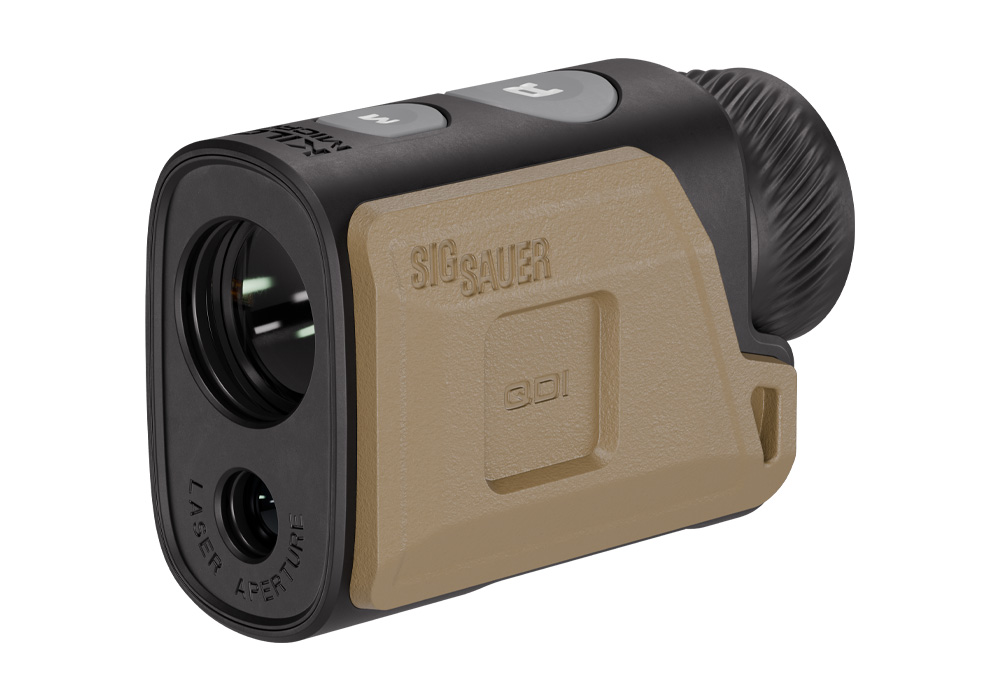
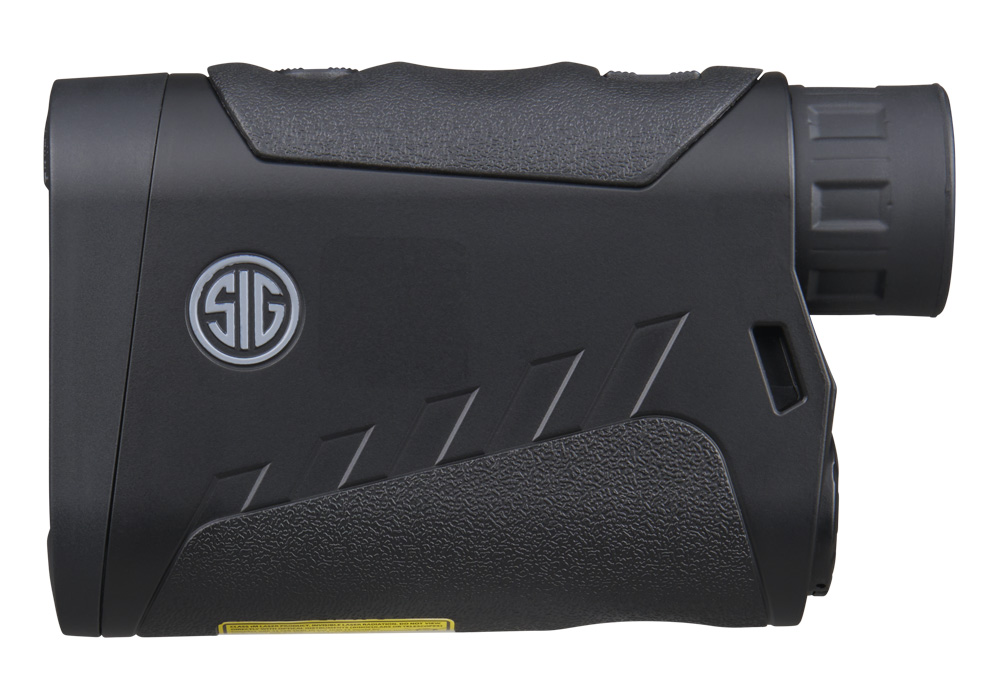
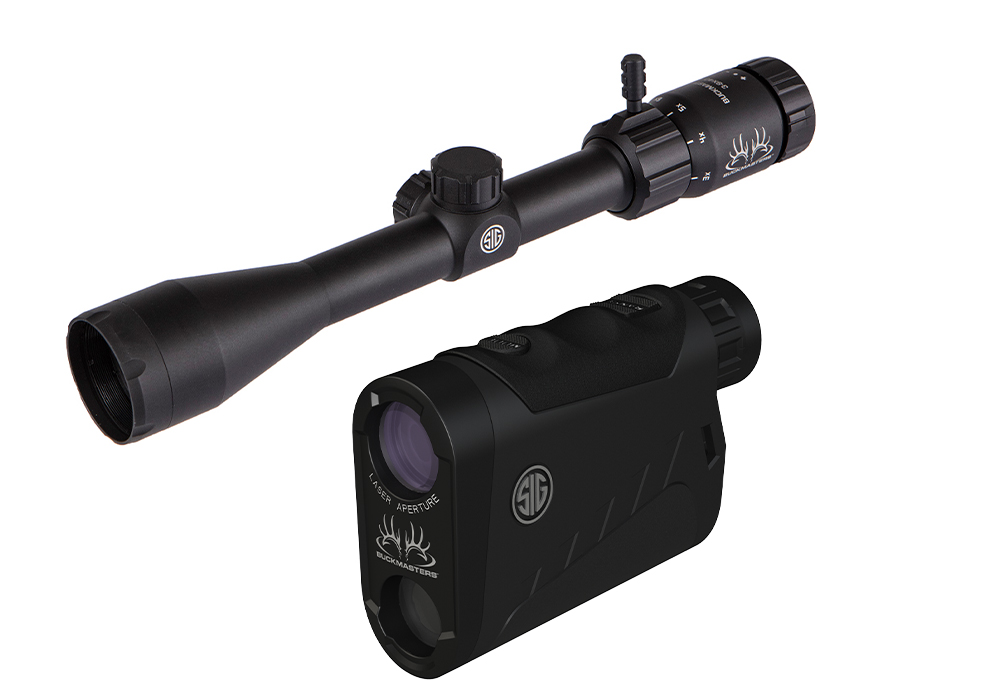
Hunting rangefinders combine laser distance measurement with compact optics, helping bowhunters and rifle hunters replace a visual estimate with a measured distance. The most useful features for hunting include clear optics, responsive readings, a legible display, and angle compensation suited to the intended activity. A distant tree line can look closer than it is, while an animal standing across an open clearing may appear farther away without familiar objects nearby for scale. A rangefinder adds useful information in both situations, but its value depends on more than the longest distance listed in its specifications. Large, reflective objects are generally easier to measure than smaller targets with less reflective surfaces, so maximum ranging distance is not the same as dependable performance on game. Target size, surrounding vegetation, lighting, and the steadiness of the viewing position all influence how easily a reading is acquired. For hunters, a repeatable measurement on the intended target matters more than an impressive number measured against an ideal surface. Optical clarity helps distinguish an animal’s outline from branches or grass, and a well-defined aiming point helps direct the measurement toward the intended subject rather than nearby cover. Magnification also involves a practical balance: greater enlargement can reveal detail, while a wider field of view can make a target easier to locate and follow. Scan functionality, where included, can support repeated measurements while moving between landmarks or following a target through the viewing field. Angle compensation addresses another common challenge by accounting for the relationship between the hunter and a target above or below the viewing position. The meaning of a compensated reading depends on the device and its selected mode, especially when comparing archery functions with rifle-oriented calculations. Clear mode labels and an understandable display help keep that information useful rather than distracting. A measured distance supports sound judgment; it does not establish that a shot is safe, identify what lies beyond the target, or extend a hunter’s practiced shooting limits.
The way a hunting rangefinder fits into a familiar routine often matters as much as its specifications. A bowhunter in an elevated position may want to measure several reference points before an animal appears: the edge of a trail, an opening between trunks, and a stump near the limit of a comfortable shooting distance. Those landmarks provide context without requiring constant movement when attention needs to stay on the animal. A rifle hunter watching a broad clearing may place greater importance on steady target acquisition and a display that remains easy to interpret against different backgrounds. In either setting, control placement should support a natural grip, with buttons that are easy to distinguish by touch and operate without repeatedly shifting the device. A compact body can ride comfortably in a chest pouch, while enough gripping surface helps prevent fumbling during a quick measurement. Eyecup shape, eye relief, and focus adjustment deserve attention because a sharp view should not require an awkward head position. Hunters who wear glasses may have different fit preferences from those who place the eyecup directly against the face. Display brightness also affects usability: an overly bright readout can obscure fine detail, while one that is too faint may be difficult to see against a bright background. Adjustable illumination, where offered, allows more control over that balance. Consistent units are equally important, particularly when a hunter’s sight settings or practiced distances are recorded in yards. A straightforward display keeps the distance, mode, and aiming point easy to recognize at a glance. Stable handling helps separate the intended target from a branch in front of it or a hillside behind it. When a reading seems inconsistent with the scene, another measurement from a steadier position can reveal the difference. Familiarity developed during practice sessions makes these details easier to recognize before a hunt, when attention may be divided between equipment, terrain, and an animal’s movement.
Durability begins with construction that suits repeated carrying, handling, and use alongside other hunting equipment. Polymer and metal housings offer different balances of weight and feel, while protective armor can improve grip and help shield exterior surfaces from ordinary scuffs. Sealing, lens protection, and secure battery access are worth considering separately rather than treating a rugged appearance as proof of protection. A rangefinder carried against a binocular harness faces different contact points from one stored in a pack pocket beside other gear. A fitted case or dedicated pouch helps keep grit away from the eyepiece and objective lens, and a secure tether can keep the device close without interfering with a bowstring, sling, or other equipment. Quiet access matters too; a pouch that requires extensive movement or a noisy closure can work against an otherwise comfortable setup. Routine care is usually simple but important. Loose particles should be removed before wiping optical surfaces, followed by lens-safe cleaning supplies used according to the manufacturer’s directions. Clothing and rough fabric can move abrasive grit across a lens rather than clean it. Exterior surfaces, battery contacts, and storage compartments also benefit from periodic inspection, especially after the device has spent time in a field pack. Battery type and replacement procedures affect everyday convenience, and a readable battery indicator helps prevent an overlooked power issue from interrupting a hunt. For a hunter building a coordinated optics setup, rangefinders serve a different purpose from binoculars or a riflescope: they measure distance rather than replace sustained observation or an aiming system. Related equipment in Hunting Optics Under $500 can be considered alongside the role a rangefinder will fill. As a gift, a hunting rangefinder is especially relevant for someone developing an archery routine, spending more time practicing at varied distances, or refining an established field setup. The best fit reflects that person’s hunting style, preferred controls, carrying arrangement, and comfort with the display, so the device becomes a familiar tool rather than another piece of equipment left in a pocket.