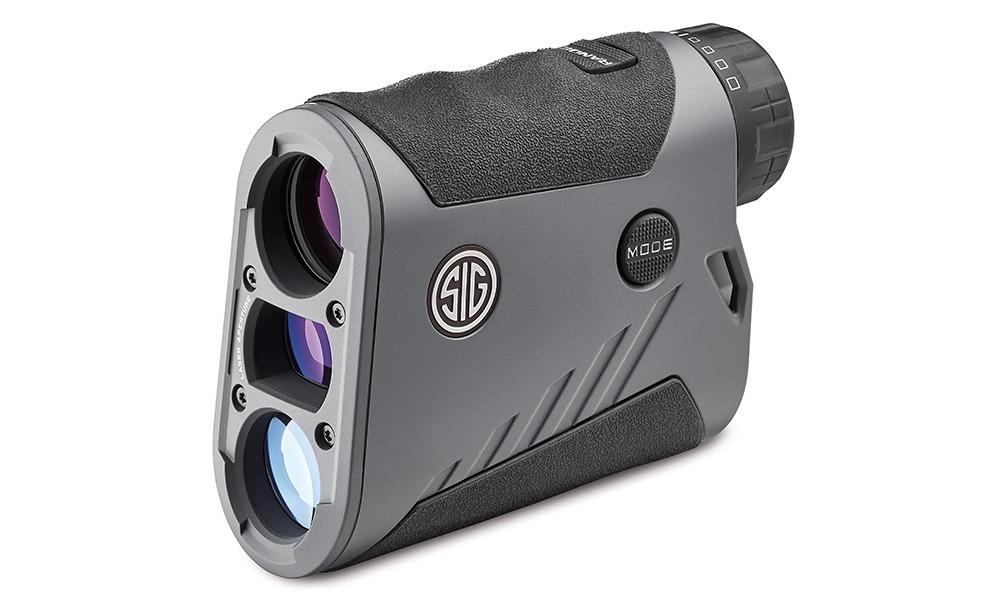
Hunting rangefinders give bowhunters and rifle hunters a measured distance when terrain, perspective, and an animal’s size can make visual estimates unreliable. A deer standing beyond a narrow opening may look closer than it is, while an open hillside can stretch familiar distances into something harder to judge. A laser rangefinder measures the time it takes light to travel to a target and return, then presents the distance through an optical display. That information helps hunters assess an opportunity within their practiced limits rather than rely on guesswork. The most useful performance figures are not always the largest numbers on a specification sheet. Maximum ranging distances often describe highly reflective surfaces, which return a stronger signal than fur, foliage, or other natural targets. Published performance for animals and trees can offer a more relevant comparison for hunting use, especially when considered alongside minimum ranging distance, measurement speed, and stated accuracy. For bowhunting, dependable readings at close distances and clear angle-compensated measurements can matter more than extreme reach. For rifle hunting, useful ranging distance, target discrimination, and compatibility with a preferred ballistic system may carry greater weight. Angle compensation accounts for the incline between the hunter and the target, providing a distance or shooting solution suited to the selected mode. Different systems handle that calculation differently, so an angle-adjusted reading should not automatically be treated as interchangeable with a ballistic solution. Ballistic features, when included, depend on accurate inputs and do not replace field practice or confirmation of the firearm’s performance. Continuous scan modes can provide successive readings across a clearing or along the edge of timber, helping distinguish a nearby branch from a more distant target. Selectable target-priority modes may also help separate competing returns, although vegetation can still interfere with a measurement. A dependable hunting rangefinder supports careful decisions; it does not establish target identity, reveal what lies beyond an animal, or extend a hunter’s demonstrated shooting ability.
Optical clarity, display design, and handling determine how easily those measurements translate into useful information. Magnification around 5x to 7x is common in handheld hunting rangefinders, offering a practical balance between detail, field of view, and the ability to hold the image steady. More magnification is not automatically better when the target is close or the rangefinder is being held in one hand. A clear sight picture, comfortable eye relief, and an eyecup that works with glasses can be more valuable than a larger magnification figure alone. Illuminated OLED displays can improve readability against dark backgrounds, while black LCD displays can provide strong contrast in bright conditions. Brightness adjustment is particularly useful around dawn and dusk, when an overly bright readout can obscure details in the scene. The reticle and distance figures should be easy to find without overwhelming the view. Fit also includes the shape of the housing, the reach to the measurement button, and whether the controls remain distinct when operated with gloves. A compact rangefinder can ride comfortably in a chest pouch, while a larger housing may feel steadier or offer controls that are easier to locate by touch. Neither approach is universally better; the right balance depends on hand size, carrying preferences, and how the device fits alongside binoculars and other equipment. Aluminum, magnesium, and reinforced polymer housings appear across the category, with durability depending on construction as well as material. Rubber armoring can improve grip and soften contact noise, while sealed construction and stated water-resistance ratings help clarify protection against exposure. Lens coatings, protected optical surfaces, and secure battery compartments deserve similar attention. A tether point, compatible pouch, and accessible controls can keep the unit close without letting it swing against other gear. For hunters who spend long stretches glassing, the rangefinder should complement binoculars rather than serve as a substitute for sustained observation.
Everyday ownership matters as much as the first clear reading. A hunting rangefinder benefits from a protective case or fitted pouch that keeps grit away from the lenses and shields the controls during transport. Loose particles should be removed before the optical surfaces are wiped with a clean, appropriate lens cloth and a manufacturer-recommended cleaner. Scrubbing a dusty lens with a shirt sleeve can damage coatings and reduce image quality over time. Battery type, expected service life, and the visibility of the battery indicator are practical considerations for hunters who travel or spend extended periods away from convenient replacements. A secure compartment and straightforward battery changes can be easier to appreciate in the field than a long list of rarely used functions. Some rangefinders operate independently, while others connect with compatible devices or applications for additional ballistic information. Connected features can be useful, but the essential distance display, selected mode, and required setup should remain familiar before a hunt. Consistent units are equally important: a reading in meters is not interchangeable with one in yards, and an unnoticed setting change can create confusion. Time spent learning the controls on stationary landmarks helps make operation more natural when attention needs to stay on the surroundings. Hunters planning a specialized pursuit can explore Rangefinders For Bear Hunting Season with those same priorities in mind: relevant target performance, a readable display, and a form that carries comfortably. A rangefinder can also be a thoughtful gift for a hunter developing stronger distance judgment or replacing a device that no longer suits a preferred style of hunting. The recipient’s use of glasses, bow or rifle preference, existing equipment, and comfort with digital features all help shape a suitable choice. Across these uses, lasting value comes from dependable measurements and uncomplicated handling, supported by sensible care. The best fit is a rangefinder that feels familiar enough to use confidently while leaving the final decision grounded in identification, surroundings, practiced skill, and restraint.