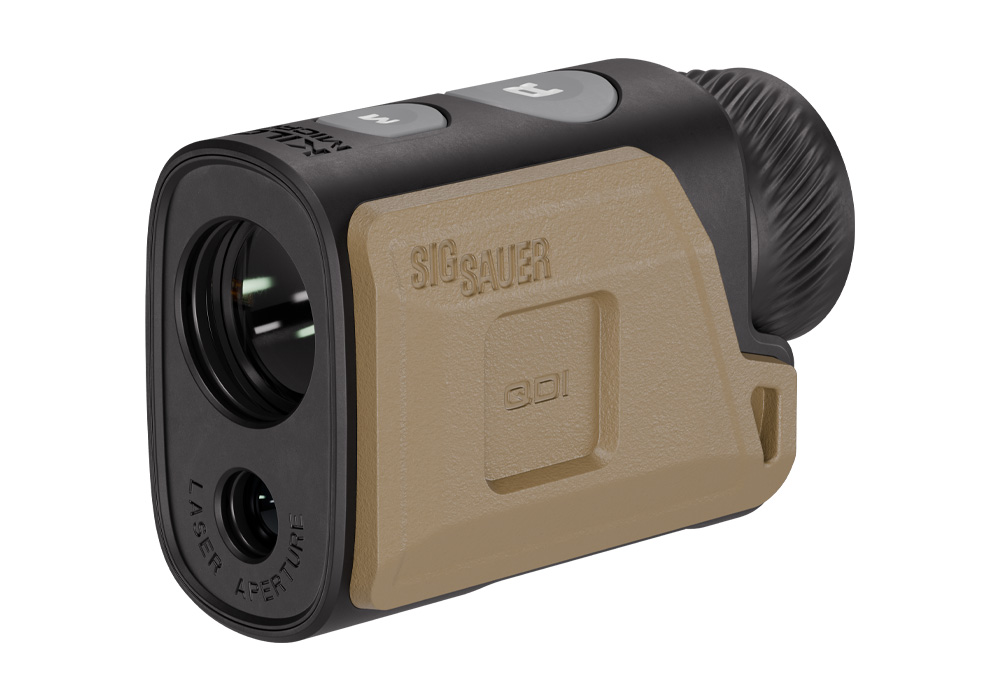
Rangefinders for Bowhunting

Compare rangefinders for bowhunting with attention to archery settings, angle compensation, and display options. Look beyond maximum ranging distance to short-range measurement detail, control layout, and carry options, then review each model’s specifications for the features that fit your bowhunting setup.

per page
Rangefinders for bowhunting put a number on distances that can be surprisingly hard to judge by eye. A stump across a narrow draw may look closer than it is when there’s little between it and the near bank to give the scene a sense of scale. In thick timber, the opposite can happen: a row of similar trunks makes a short stretch of ground look deeper than it is. A handheld laser rangefinder gives a distance reading for a visible object, whether that’s a trail marker during a scouting walk or a foam target at an archery course. For bowhunting, the distance at which a unit starts reading can matter as much as the farthest distance it can measure. A generous maximum range may be useful when looking across a broad clearing, but it doesn’t say much about how the device handles a nearby object against a busy background. Published maximum distances can also depend on the surface being measured. A broad, reflective surface is generally easier for the laser to read than a small, dark object. The view through the eyepiece matters for similar reasons. Higher magnification reveals more detail, while a wider field of view leaves enough of the surroundings in sight to tell one fence post from the next. Display contrast and the size of the numerals make a difference when the view behind the distance readout is full of branches and bark. Some models also display an angle-adjusted distance alongside the straight-line reading, a distinction that can be useful to understand when comparing equipment for sloped ground or elevated positions. Shoppers comparing compact archery options with optics suited to a wider variety of terrain can find both in Hunting Rangefinders.

A rangefinder that feels good in the hand is easier to live with than one chosen on specifications alone. A slim housing can fit neatly beside binoculars in a chest pouch, while a slightly fuller body may be easier to hold steady and keep a finger on the measurement button. Textured surfaces help define where the fingers rest without requiring a tight grip, and a distinct button can be easier to find by touch than a row of identical controls. Simple controls are often a better fit for someone who wants a quick distance reading without cycling through several screens. For someone who uses more than one measurement mode, a display that clearly identifies the active setting may matter more. Eyepiece fit is worth considering, especially for anyone who wears glasses. Adequate eye relief helps keep the edges of the display visible without pressing the eyepiece against the lenses, and an adjustable eyepiece can help bring the readout into focus. Housing materials affect both weight and feel. Polymer bodies can keep a unit light, metal housings can offer a more rigid feel, and rubberized sections add grip where the hand actually rests. The seams, battery compartment and fastener points are worth noting alongside the housing material, since those parts see their share of handling. Published resistance ratings offer a better basis for comparing protection against dust or moisture than the texture of the exterior. It also helps to picture where the unit will ride on a typical outing. A rangefinder that slides easily into a fitted pouch may work better with a crowded chest harness than a smaller unit that sits too deep in the same pocket. A tether attachment can be useful for someone who likes to keep the unit clipped in place, while a case with a secure closure offers a straightforward way to carry it separately from keys and other hard gear.

Routine care mostly comes down to protecting the glass and keeping grit out of the places where it tends to collect. A case keeps the eyepiece from rubbing against buckles or tools, and lifting loose dust from the lenses with a lens brush or blower before wiping helps avoid dragging grit across the coatings. A clean optical cloth is a better choice than a shirttail that has already picked up dirt from a pack strap. Keeping the battery compartment clean and following the manufacturer’s storage guidance can prevent a simple power issue from being mistaken for trouble with the unit. Battery access is worth comparing up front, too: a cover that is easy to open and reseat is more convenient for an owner who would rather not unpack the rest of a gear pouch to deal with it. The best fit will vary with the person using it. A newer archer who spends time on a course with unmarked targets may value a straightforward display and uncomplicated controls. A bowhunter who splits time between wooded trails and more open ground may care more about a comfortable view and a unit that feels at home in an existing binocular harness. As a gift, a rangefinder can suit a dedicated bowhunter or someone who spends weekends walking a 3D archery course. The most useful clues are often in the gear the recipient already carries. Someone who keeps a slim chest pouch and favors simple optics may appreciate a compact body with a crisp readout more than a larger unit with extra modes. For someone who wears glasses or prefers a fuller grip, a comfortable eyepiece and easy-to-find controls may matter more than shaving an ounce off the kit. A rangefinder earns its place when it is easy to carry, easy to read and suited to the distances the owner actually encounters.

FAQ

Related Pages

Compare Products
Items
Launch Compare

Zip Code Verification

Some localities have legal restrictions on products which requires the validation of your ZIP code

Age Verification

Some localities have legal restrictions on products which requires the validation of your age